October 1, 2025 11:29 am

America’s adversaries have forged an axis of global instability. Iran, China, Russia, and North Korea exploit trade, technology, and diplomacy to undermine US influence and disrupt the global order. Yet, longstanding cracks in their relationships reveal the limits of their transactional partnerships. To prevail, the United States must double down on its authentic partnerships and innovate new forms of cooperation that outpace its adversaries.
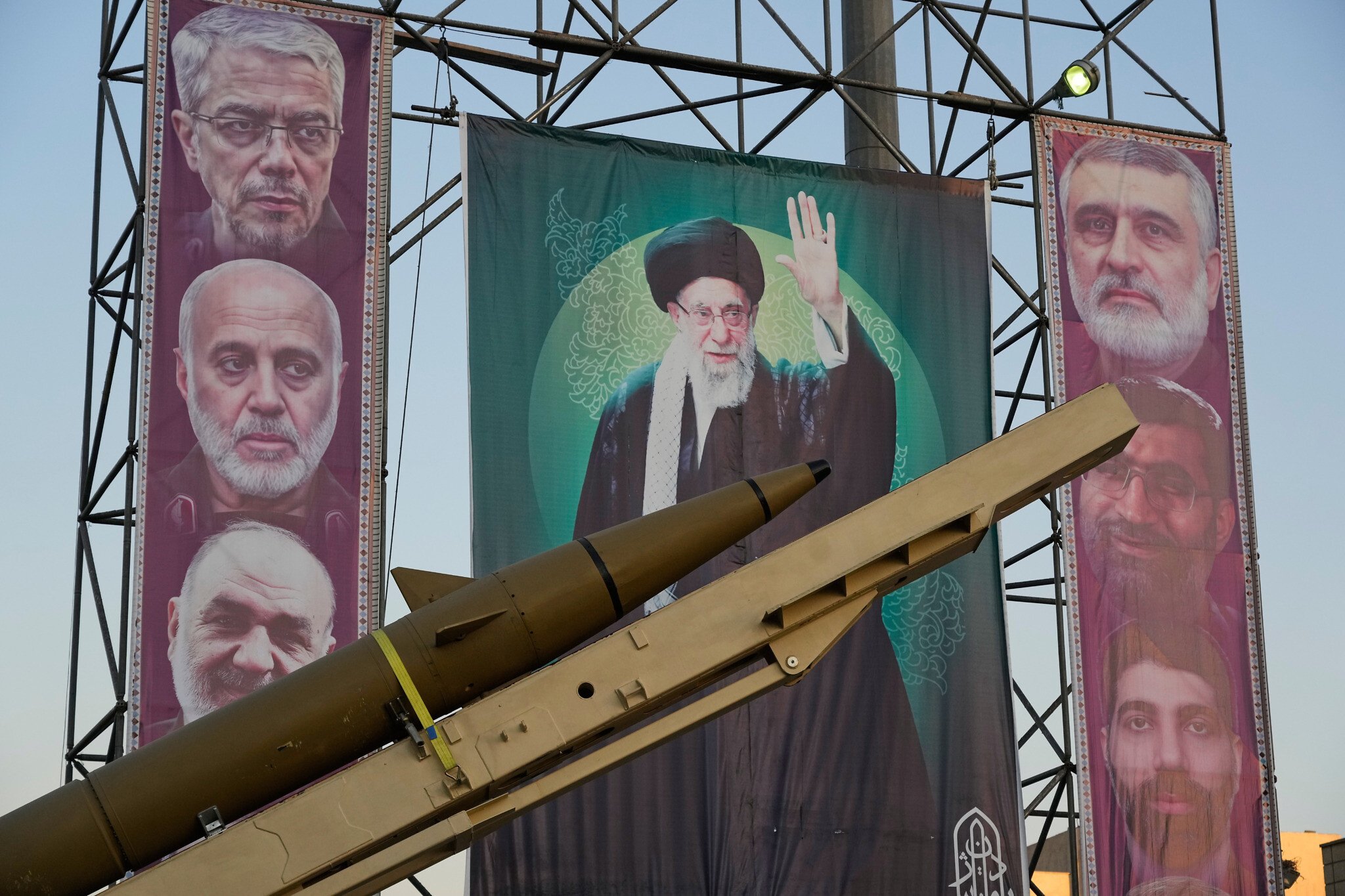
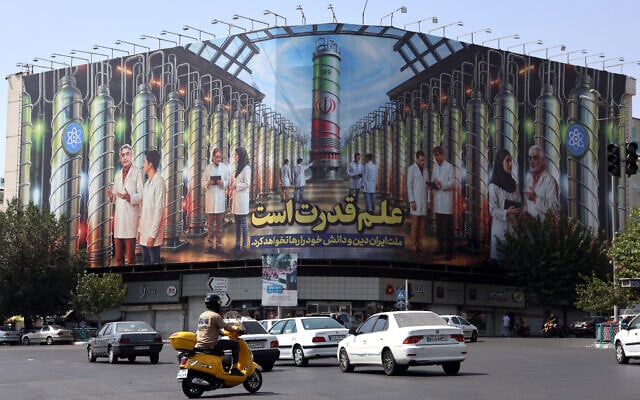
Despite lacking a shared ideology, Tehran, Beijing, Moscow, and Pyongyang have cooperated since the Cold War to counter Washington, with aims at controlling trade routes, reshaping regional balances of power, challenging global norms, and reducing US influence. For example, Iran’s nuclear and missile programs have used North Korean technology, with nuclear plans tracing back to AQ Khan’s proliferation network in the 1990s.
Building on their shared ambition, America’s adversaries have intensified their military cooperation, making countering any single axis member more challenging.
For more than three years, Russia’s war against Ukraine has provided insights into Western equipment that Ukrainian forces used, while Iran, China, and North Korea continue to provide Russia with military support through personnel, weaponry, and intelligence.
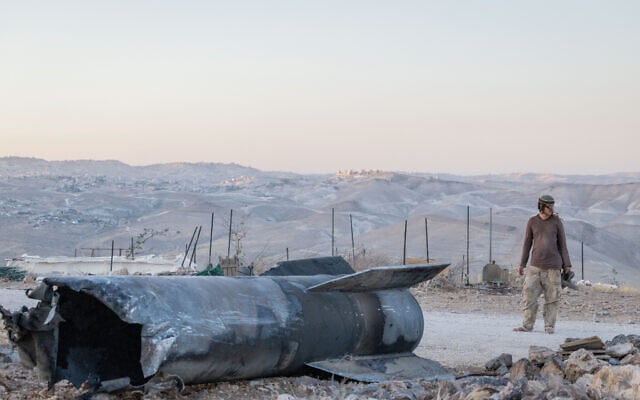
Israel’s campaign in June dealt a severe blow to Iran’s dangerous ballistic missile and nuclear programs, but adversaries will prepare for future fights by studying Iranian missile adaptations that occasionally penetrated joint US-Israeli air defenses and the capabilities of US aircraft, like F-35 fighter jets and B-2 bombers.
Collaboration among US adversaries has significantly increased their capacity to acquire weaponry, accelerating military modernization and circumventing arms restrictions. Beyond directly supplying Russia with Iranian drones, Iran’s construction of a drone factory on Russian territory to produce Iranian Shahed drones has enabled Russia to launch thousands of them against Ukraine. China has delivered ballistic missile fuel components to Iran — a key danger that prompted Israel to begin Operation Rising Lion in June — while both China and Russia have also provided intelligence and other forms of military support to the Iran-backed Houthis in Yemen. Now, Moscow, Beijing, and Pyongyang could help Tehran replenish its depleted missile and air defense stocks and production capacity after the 12-Day War.
Beyond the battlefield, US adversaries have used trade and multilateral diplomacy to weaken Washington’s influence and undermine global norms. Chinese purchases of Iranian and Russian oil have provided both countries with critical revenue streams to fuel their aggression, despite Western sanctions. Beyond bilateral efforts, Russia and China continue expanding multilateral organizations like BRICS and the Shanghai Cooperation Organization to undermine US-led alliances and strengthen their own influence. Russia and China have also provided critical support and resources to Iran and North Korea’s nuclear programs, undermining global nonproliferation. Moscow and Beijing may oppose an Iranian nuclear bomb, but will likely support Tehran diplomatically and economically, aiding its nuclear ambitions.
Yet, the world’s most dangerous partnerships remain based on transactional interests, not real solidarity. While these countries share an aim to weaken US influence, competing goals limit their cooperation. The axis’s limitations were apparent during the 12-Day War when Iran stood alone. Underscoring their transactional relationship, Moscow even reportedly refused a request from Tehran for Iranian-designed, Russian-produced Shahed drones after Israeli strikes damaged Iran’s domestic production.
In contrast, the axis’s weaknesses are the United States’ greatest strength: a resilient network of alliances built on mutual interests. For decades, the United States has cultivated enduring alliances grounded in the confidence of America’s friends that when challenges arise the United States will stand by them. None more so than Israel.
As US adversaries grow closer, America must strengthen these alliance networks. The United States should pursue continued strategic-based integration with Israel, which proved during the 12-Day War to be the only US partner willing and able to mount a preemptive offensive against a revisionist axis nation. Developing US-Israel-Arab and US-Ukraine common operating pictures should also be a priority to strengthen regional security.
US leadership can also expand recent advances in Middle Eastern air defense cooperation to include maritime safety, cybersecurity, and counterterrorism. With Iran looking to rebuild its nuclear and missile programs, a tailored mutual defense agreement to support Israel against existential threats would help deter Iranian escalation. On the economic front, promoting the India-Middle East-Europe Economic Corridor (IMEC) provides strategic alternatives to vulnerable trade routes through the Bab el-Mandeb Strait that Iran has threatened to close.
To counter increased cooperation among US adversaries, the United States should deepen defense industrial partnerships, especially in the Middle East. Coproducing air defense systems like Iron Dome, David’s Sling, and Arrow with Israel, acquiring Arrow batteries, and investing in new technologies will enhance security. Collaborating with Arab nations can also bolster regional defenses against Iran, while reducing opportunities for Chinese or Russian arms sales.
By forging bold, tailored, future-focused alliances, Washington can outmaneuver revisionist powers and break the cycle of regional unrest. America’s authentic action-based friendships provide unrivaled advantages and opportunities for greater security and shared prosperity.
Admiral Jonathan W. Greenert, USN (ret.) is the former Chief of Naval Operations and a 2019 Jewish Institute for National Security of America (JINSA) Generals & Admirals Program participant. Ari Cicurel is the associate director of foreign policy at JINSA.