
Qatar: Israel must respond to ceasefire proposal

Qatar’s Foreign Ministry says it is still awaiting Israel’s response to a ceasefire plan for Gaza, approved by Hamas.
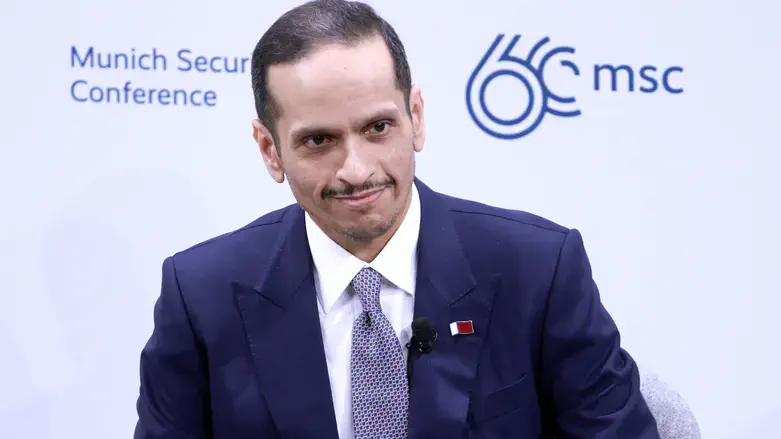
Qatar’s Prime MinisterReuters

Majed Al-Ansari, spokesperson for Qatar’s Foreign Ministry, said on Tuesday that Qatar is still awaiting Israel’s response to a proposed ceasefire agreement for the Gaza Strip, which Hamas reportedly approved.

Speaking at a press conference, Al-Ansari noted that Israel must clarify whether it has any reservations about the proposal, which was conveyed by Qatar and Egypt.

On August 18, Hamas informed the mediating countries that it had agreed to a 60-day ceasefire in exchange for the release of Israeli hostages in two stages, along with the release of terrorist prisoners serving sentences in Israel.

Subsequently, Prime Minister Benjamin Netanyahu approved an IDF operational plan for taking control of Gaza City, emphasizing that Israel is seeking a comprehensive agreement that would see all Israeli hostages released simultaneously.

Maslamani asserted that Netanyahu’s broader goal is to remain in office for a full term of four years and that he is leveraging US support to push for a more encompassing deal.
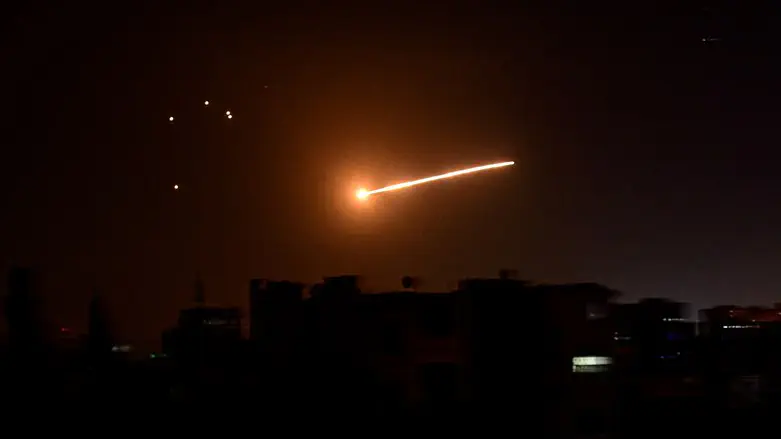
Israeli drone strikes kill six Syrian soldiers near Damascus, according to Syrian state media. The alleged attack comes amid reports of a potential security agreement between Israel and Syria. Israel has not commented.

Air strike in Damascus (archive)REUTERS

Six Syrian soldiers were killed in Israeli drone strikes in the Damascus countryside, state-run El Ekhbariya TV reported early on Wednesday.

According to the report, the attack took place in the Al-Kiswah area, a rural area southwest of the Syrian capital, but no further details were provided regarding the extent of the damage or the identity of the targets attacked.

Israel has not yet commented on the report.

The alleged Israeli strike comes amid reports that Israel and Syria are on the verge of signing a security agreement.

A report on Monday on i24NEWS stated that the Trump administration is actively working to broker a preliminary security understanding between Israel and Syria ahead of the United Nations General Assembly meeting in September.

US envoy to Syria Tom Barrack later stated that Israel and Syria are not close to signing an agreement.

Speaking to Axios’ Barak Ravid, Barrack said, “They have mutual intent and desire but at the moment, there is still more work to do.”

Even during the talks with the new Syrian government, the IDF has continued to strike targets in Syria that pose a threat to Israel.

On Sunday, the IDF revealed that soldiers from the 474th (Golan) Brigade under the command of the 210th Division conducted several raids last week to locate weapons and apprehend and interrogate suspects in southern Syria.

While searching various locations simultaneously, the forces located weapons’ storehouses containing rocket-propelled grenades, explosive devices, Kalashnikov assault rifles, and a large amount of ammunition.

The forces, together with field interrogators from Unit 504, arrested the suspects following intelligence indications gathered over the past few weeks.

Meanwhile, Defense Minister Israel Katz declared on Tuesday that the IDF will continue to hold Mount Hermon and maintain the necessary security zone to defend communities in the Golan Heights and Galilee.

“We will not allow the Israel-Syria border to become a threat to our communities,” he stressed.


Iran nuclear talks resume amid sanctions threat

Nuclear talks between Iran and Europe to resume on Tuesday, as the Europeans threaten sanctions over Iran’s uranium enrichment program.

Iran nuclear program

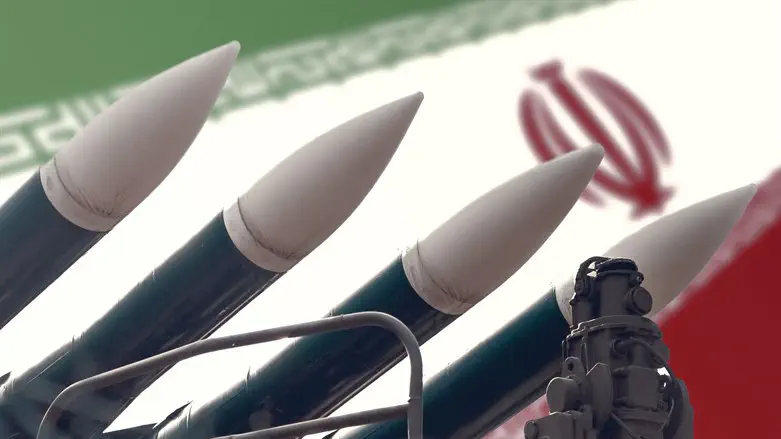
Iran nuclear programiStock

Amid rising tensions following a 12-day war with Israel and subsequent US strikes, nuclear talks between Iran and European powers are set to resume Tuesday in Geneva, Reuters reported.

The meeting marks the second such round of talks since the conflict began in mid-June.

Iran, which suspended its cooperation with the United Nations nuclear watchdog following the war, pointed to the International Atomic Energy Agency’s failure to condemn the Israeli and US strikes on its nuclear facilities.

The European trio – Britain, France, and Germany – have threatened to trigger the “snapback mechanism” under the 2015 nuclear deal, formally known as the Joint Comprehensive Plan of Action (JCPOA). This would reimpose UN sanctions that were lifted under the agreement unless Iran curbs its uranium enrichment and restores cooperation with IAEA inspectors.

The Foreign Ministers of Iran and the three European powers held a conversation this past Friday and announced their intention to resume discussions aimed at reviving full negotiations over curbing Iran’s uranium enrichment efforts, though an Axios report suggested the call was tense and failed to achieve progress.

Iran, which has always denied wanting a nuclear weapon, disputes the legality of invoking the clause, accusing the Europeans of not honoring their commitments under the accord.

“The Iranian nation will stand with all of its power against those who have such erroneous expectations,” Khamenei said, according to Iranian state media. “They want Iran to be obedient to America.”