
Iran was a decision and a few weeks away from nuclear weapons. But unlike Gaza 2023, Israel had been watching
The Iranian regime was increasingly convinced in recent months that it would soon be able to destroy Israel. The “Destruction of Israel” clock in Tehran’s Palestine Square was not an exercise in bravado. It was a public countdown to what the ayatollahs believed was Israel’s imminent demise, at their hands. Along with dismay that Yahya Sinwar had failed to consult and coordinate with them before invading southern Israel on October 7, 2023, the regime drew encouragement from the success of that massacre, its apparent confirmation of Israel’s profound vulnerability, and the ongoing instability it had caused.
Israel’s elimination, the regime delightedly, and rationally, assessed, was truly at hand.
And the truth is, apocalyptic as this certainly sounds, the assessment was reasonable.
That is the sober, honest judgment of the military and security chiefs who told Israel’s political leaders in recent months that Israel had to go to war against Iran, preferably in June and certainly not much later. That the end of 2025 would be too late. That it was now or never. That Iran was a decision and a few weeks away from nuclear weapons. And that the regime’s fast-growing ballistic missile capability was rapidly becoming an existential threat as well.
The political leadership listened. It was persuaded. It coordinated with the US administration.
And Israel indeed went to war. And saved itself.
On the way to Jerusalem
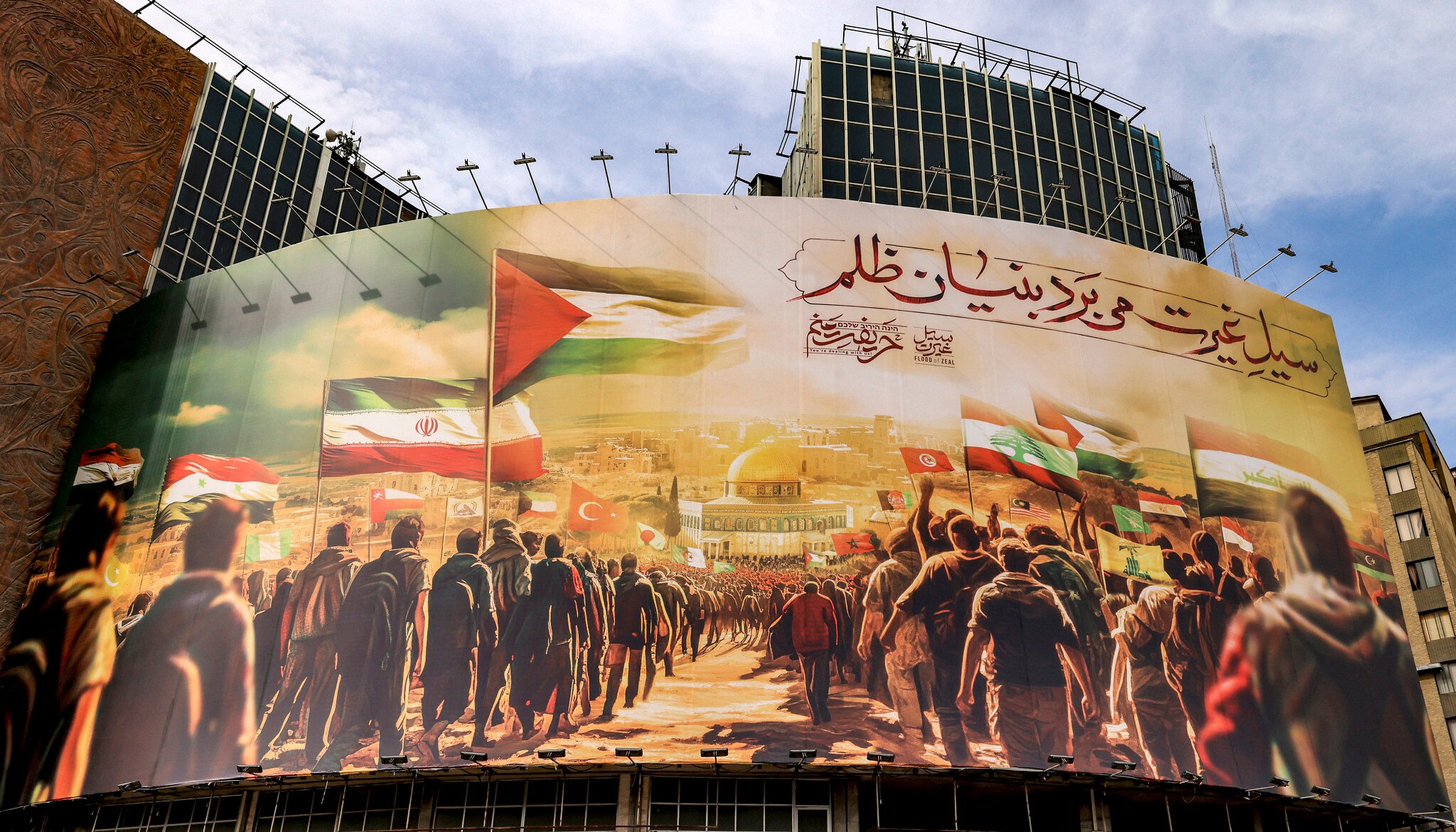
In Valiasr Square in October 2023, a giant banner was erected showing Muslim masses — under the flags of their countries, of Palestine, pre-rebel Syria, and of Iranian proxy terror groups — walking into the distance toward the Dome of the Rock shrine in the Al-Aqsa Compound atop Jerusalem’s Temple Mount. It was a representation of the liberation of Jerusalem from Zionist Jewish control, a liberation ostensibly now imminent in the wake of Hamas’s October 7 invasion and massacre in southern Israel.
In the aftermath of October 7, the Iranian regime accelerated its clandestine nuclear weapons program. It accelerated its ballistic missile production. It bolstered its air defenses. It directly attacked Israel for the first time, in April 2024, and fired another massive missile barrage in October.
While Israel publicly derided the potency of those attacks, it privately recognized Iran’s emboldening and the dangers posed by its missiles. And it watched with worried admiration as the regime’s military planners internalized and began to learn from the relative failure of the two sets of attacks, and from the nature of Israel’s military responses to them.
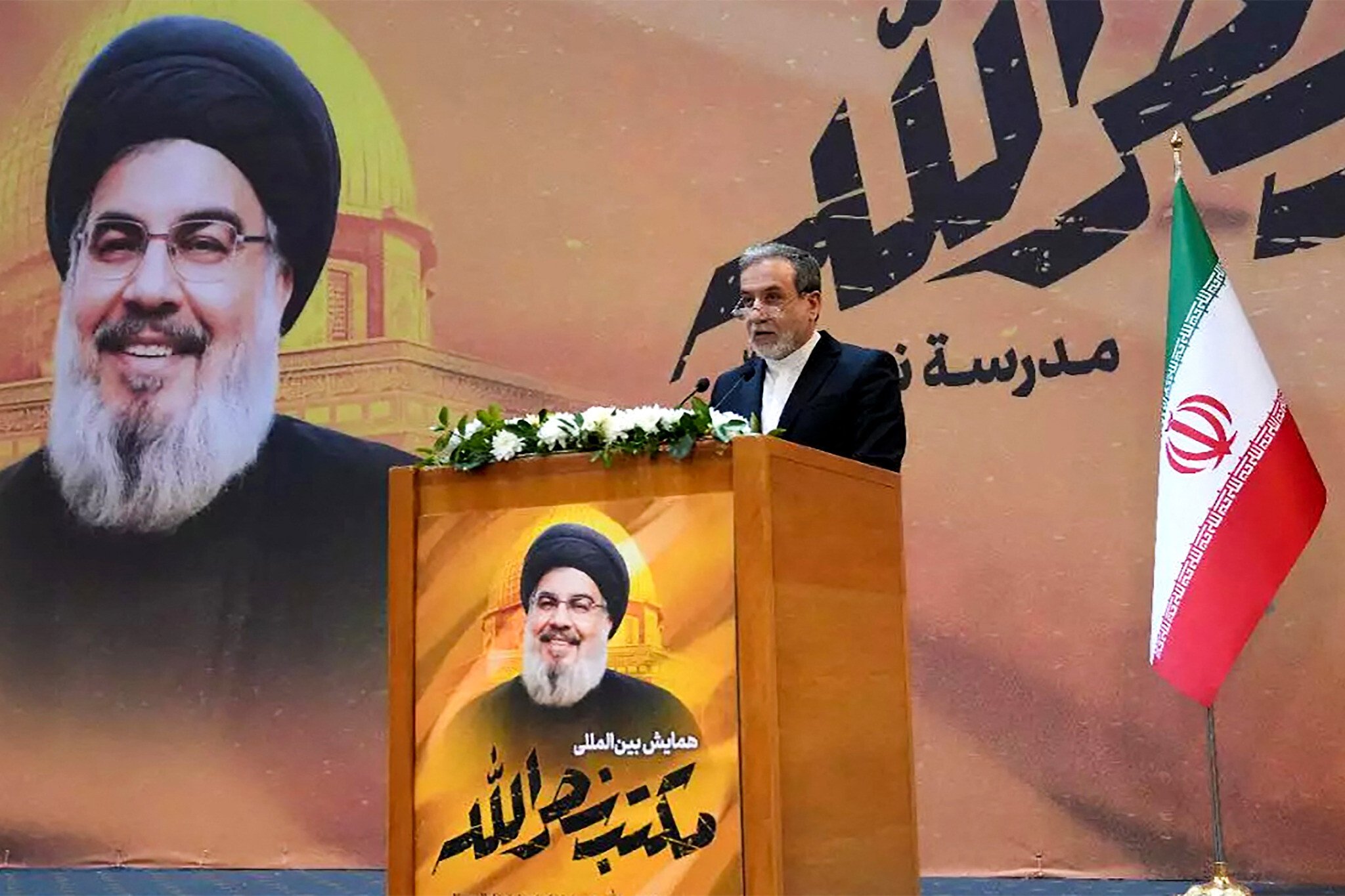
By late 2024, however, Iran was also losing ground as regards its proxies. Israel had eliminated its most important proxy leader, Hezbollah’s Sheikh Hassan Nasrallah, and massively degraded Hezbollah’s capabilities, both by detonating thousands of explosive-laced beepers on their Hezbollah owners and by devastating the terrorist army’s missile and rocket capabilities in much of Lebanon.
Hamas was still holding Israeli hostages in Gaza and resisting the IDF’s efforts to destroy its entire military and civil-rule capabilities, but it was a shadow of its 24-battalion former self.
Then came the fall of the Assad regime in Syria, and a rapid Israeli military response that prevented major military assets from falling into the hands of the new rebel regime and ensured that Israel held air supremacy there.
The regime in Tehran responded by further accelerating its efforts to attain the bomb. It expanded its stockpiles of 60% enriched uranium. It made significant progress on weaponization. Its key scientists were conducting tests and simulations that underlined how close they were to completing the program. In breach of international treaties, in breach of an ostensible fatwa against nuclear weapons, those scientists were working to enable a rapid breakout to the bomb.

At the same time, Iran drastically bolstered its missile production capabilities. As Israel has publicly stated, Iran had built an arsenal of some 2,500 highly potent missiles, many with 1-ton warheads capable of immense devastation, and was on track to have 4,000 by March 2026. And 8,000 by 2027. A conventional missile threat was becoming an existential danger, capable of overwhelming Israel’s defenses, wreaking untenable death and destruction across Israel, and, if Israel was caught unawares, preventing the Israeli military from mustering an effective response.
Together with its thousands of drones, Iran was aiming, for instance, to target Israel’s air bases, ensuring that the air force simply couldn’t take off to fight back.
Despite the massive setback to Hezbollah, which it had relied upon to launch as many as 1,000-3,000 daily rockets and missiles at Israel come the hour, the regime was also confident that its ground invasion plans for Israel remained viable, with the potential for its proxies and their supporters to mirror Hamas’s invasion on most every front, including from Jordan. As National Security Adviser Tzachi Hanegbi has stated, the regime believed that its long-planned “Destruction of Israel” project via a multifront invasion, carried out amid a devastating missile and drone attack, was viable.
What was central to the realization of Iran’s goal, however, was that it strike first and take Israel by surprise.
The most dangerous man in Iran
Watching Iran with a far greater degree of intelligence penetration than the regime had realized, Israel’s military and security planners had in February 2025 received the green light from the political echelon to preempt.
Israel had been preparing to bomb Iran’s nuclear program for years, but had not consistently prioritized the potential imperative or allocated the necessary budget, especially after the Obama administration reached its JCPOA agreement with the regime, a flawed attempt to prevent Iran from attaining the bomb, in 2015.
The IDF had carried out an unprecedented drill in May 2023, simulating a multifront attack on Israel triggered by an Israeli strike on Iranian nuclear facilities. But it had only begun preparing in earnest in October 2024 for an attack that would deal not just with nuclear targets but also the ballistic missile enterprise, Iran’s air defenses and more.
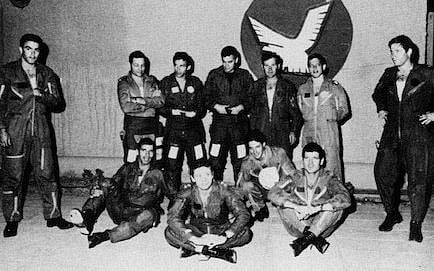
Twice before — in Iraq in 1981, and Syria in 2007 — Israel had blown up its enemies’ nuclear weapons programs. But comparisons are inappropriate. Those were bold strikes on single nuclear reactors; this would be an assault of an entirely different order, against an enemy that thought it knew what was coming.
Twice before — in Iraq in 1981, and Syria in 2007 — Israel had blown up its enemies’ nuclear weapons programs. But comparisons are inappropriate
In April, the planners selected June as the ideal time for the attack. They assessed that Israel’s intel on Iran would likely start to decline after that, especially as regards the nuclear program — presumably because the final stages of weaponization could be carried out in locations less obvious than the major known nuclear sites. The IDF would be at peak readiness. Iran would not yet have restored air defenses targeted by the Israeli Air Force in October. Iran’s proxies were weak. Iran’s missile capabilities would only get stronger.
Not incidentally, Trump had given Iran a 60-day window for diplomacy. It expired on June 12.
The military planners assessed that the Iranians were both preparing their own assault and watching for Israeli preemption. And thus the initial Israeli strikes had to be devastating.
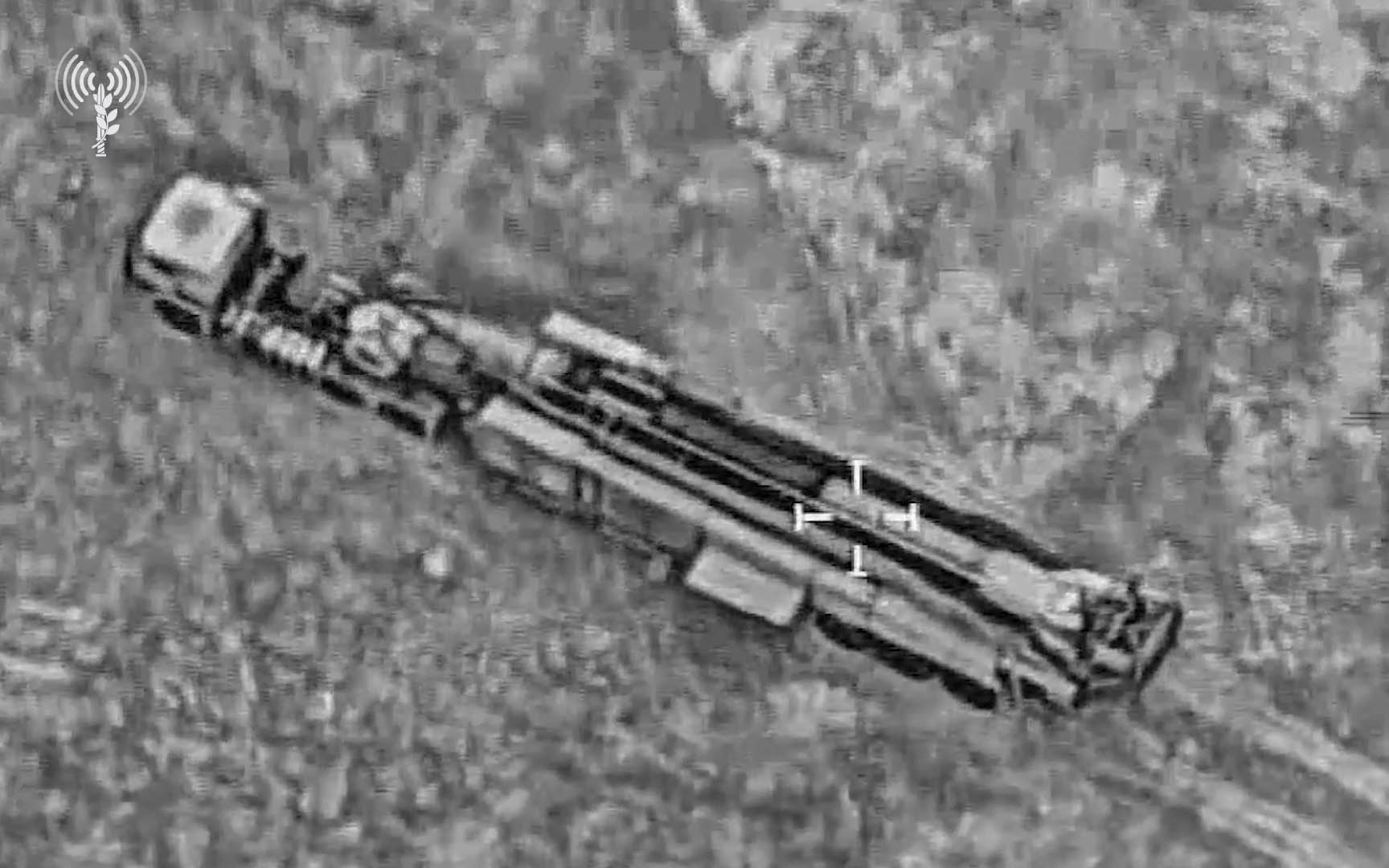
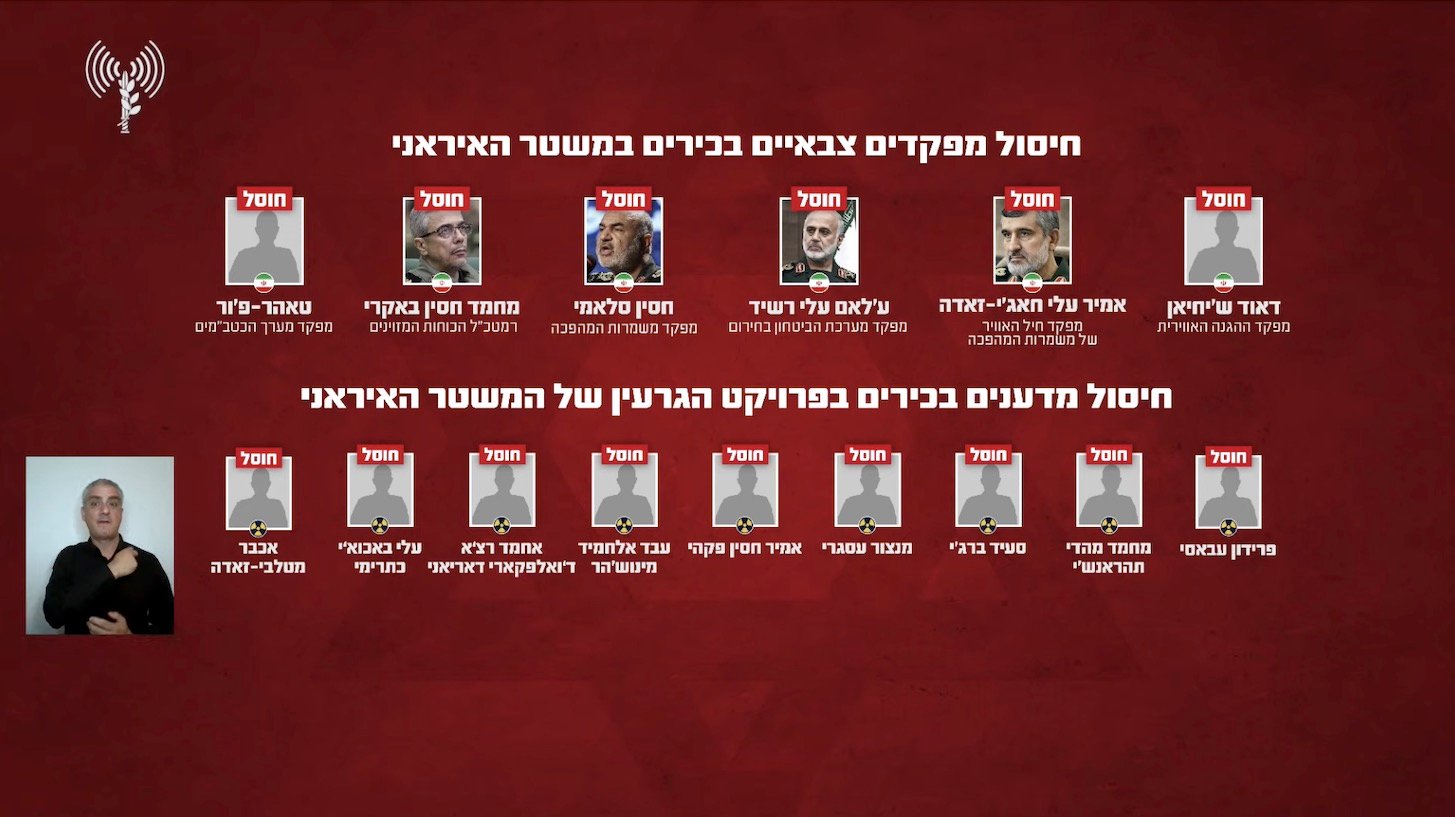
In the very first hours, key regime commanders would have to be eliminated. So, too, the Iranian military’s command and control structures. Air defenses would need to be disabled. Everything possible would need to be done to minimize the number of missiles Iran could fire in an immediate response — and therefore vast numbers of missile launchers, launch sites, missile stores, fuel supplies and key personnel would have to be put out of action, everywhere from western Iran to the Tehran area and beyond.
Major nuclear facilities would have to be targeted to the full extent of Israeli capabilities. Also, key installations crucial to the bomb program. And so, too, those expert scientists working to move the rogue program through the final stages to a deliverable bomb.
How can you achieve absolute surprise when you are flying 1,800 kilometers to carry out an attack?
Surprise was essential. But so too was establishing air supremacy all the way to Tehran, to ensure that the waves of Israeli attacks could keep coming, enabling the ongoing assault on essential targets.
But how can you achieve absolute surprise when you are flying 1,800 kilometers (1,200 miles) to carry out an attack?
For one thing, by minimizing the number of people who know that the attack is about to unfold; even many high-ranking army and security personnel were not told what was happening until it was actually underway. Only the most intimate forum of political leaders was fully informed.
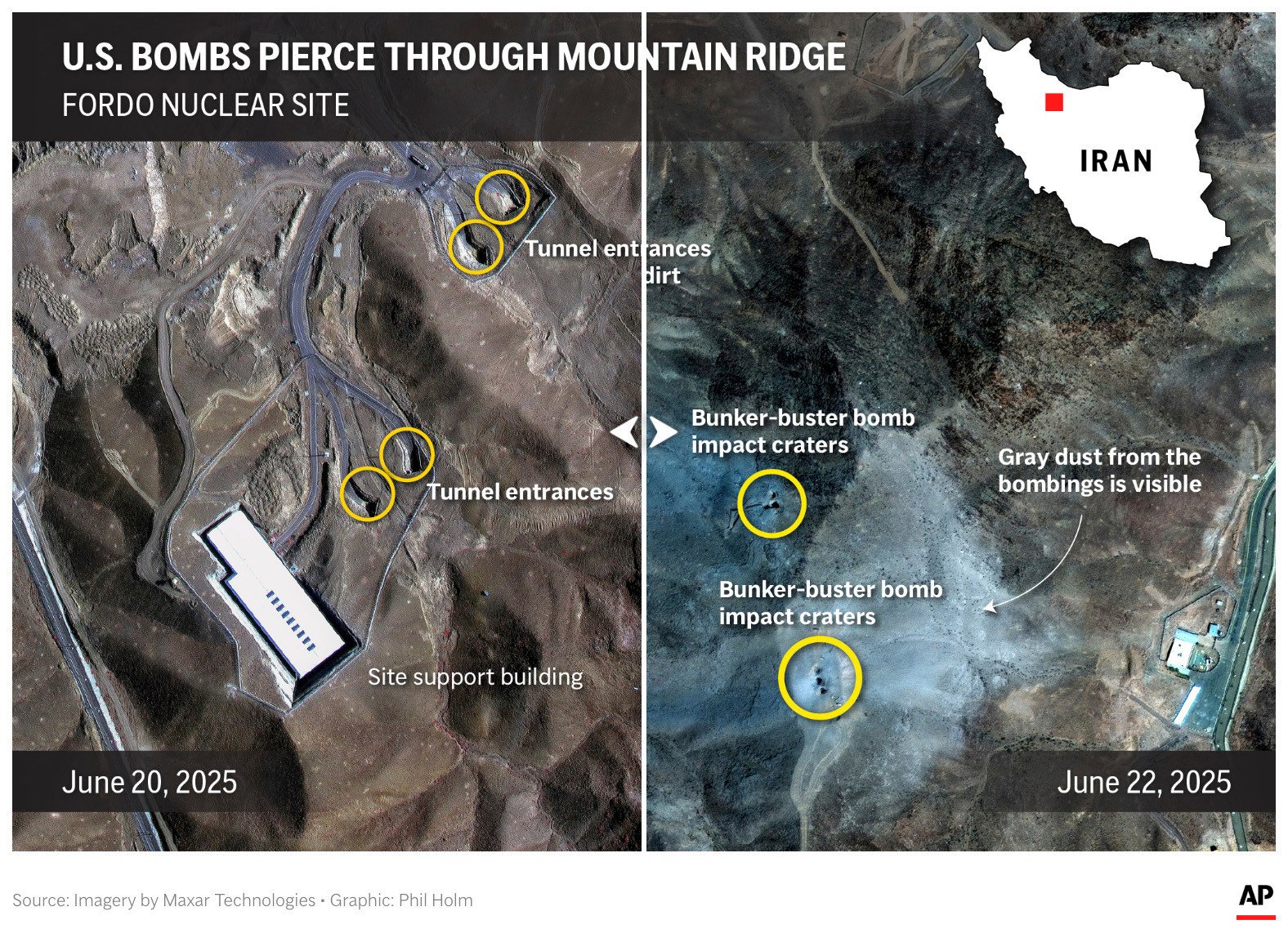
For another, by instituting decoy operations and movements. The US has detailed how it very publicly sent several B-2 bombers to Guam even as it secretly deployed other B-2s to drop bunker busters on Fordo early on June 22; Israel’s decoy activities when launching the war on June 13 were more extensive, and thus far largely unpublicized.
How the air force essentially telescoped its 1,800-kilometer flights to the point where Iran simply did not know it was coming is a story yet to be told. But the fact is that Iran was caught unawares and thrown off-kilter in the first vital hours.
All of Israel was awoken by screeching alarms on every cellphone as the attack began in the early hours of June 13, and Home Front Command spokespeople popped up on national television to tell the country that something was about to happen, including a potential “significant attack from the east.” Trained to remain calm and focused in even the most horrifying circumstances, the spokespeople indeed seemed relatively calm, but it was evident that they had no real idea of what was unfolding in Iran and what could happen in Israel.
The IDF had assessed that Iran would try to fire 300-500 missiles in its initial response to an Israeli attack, and that it was possible it could launch as many as 300 in the first 15 minutes. In the event, it fired none for 18 hours
The IDF had assessed that Iran would try to fire 300-500 missiles in its initial response to an Israeli attack, and that it was possible it could launch as many as 300 in the first 15 minutes. That’s why the order was given to alert the entire country. Israelis had to be warned, without being told precisely what about. No wonder the Home Front spokespeople exuded a certain bafflement.
In the event, Iran managed to fire precisely no missiles in the first 18 hours after Israel’s strike. It had known Israel was coming, but it did not know Israel was coming that night. Israel attacked just before 3 a.m.; Iran fired its first two missile barrages, of some 50 missiles each, shortly after 9 p.m.
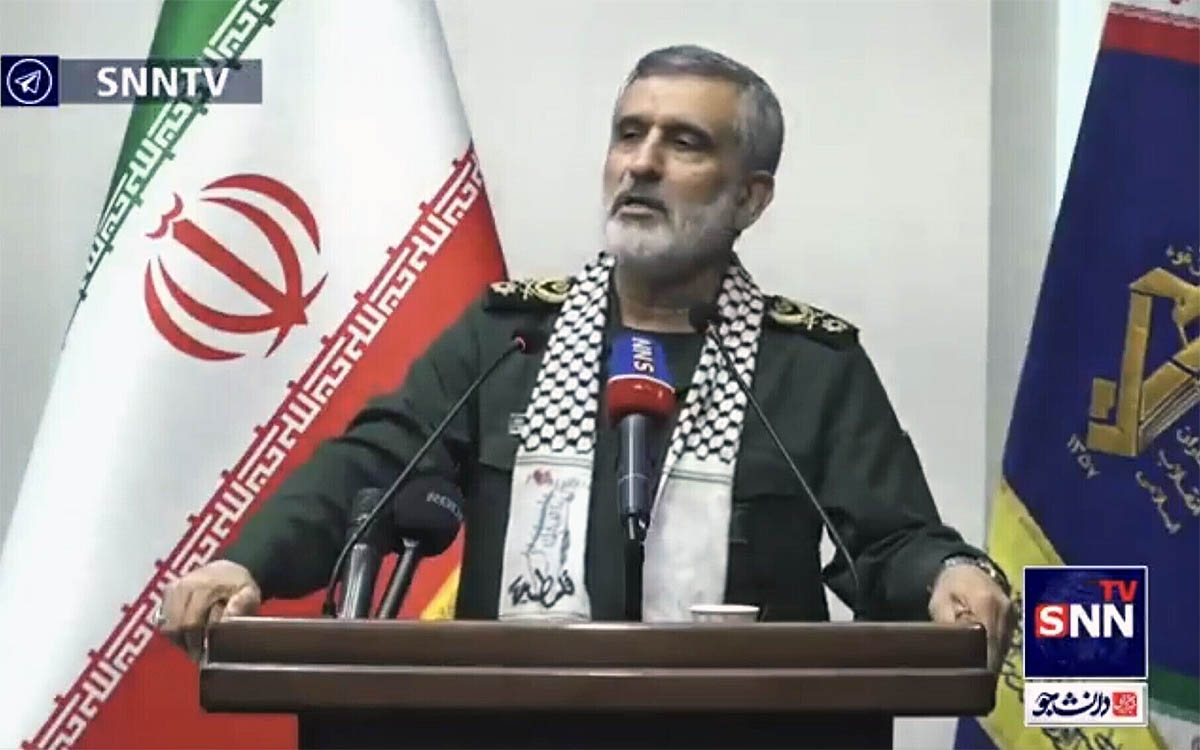
Only one leading Iranian figure sensed just ahead of time that something was up: Amir Ali Hajizadeh, the aerospace chief of the Islamic Revolutionary Guard Corps, a US-designated terrorist organization. Responsible for Iran’s missiles and drones, Hajizadeh was perceived by Israeli security chiefs as the most dangerous man in Iran, no less, and was most certainly on the initial target list.
Israel feared it had lost sight of him as it precision-targeted the key Iranian figures in those first minutes and hours, including in areas as precise as individual rooms in apartments on high floors of residential buildings. But Hajizadeh had dashed to a military bunker he believed was secure, and convened key colleagues. And it was there that Israel found and eliminated him and five other top officers in the IRGC air force.
Unloading like never before
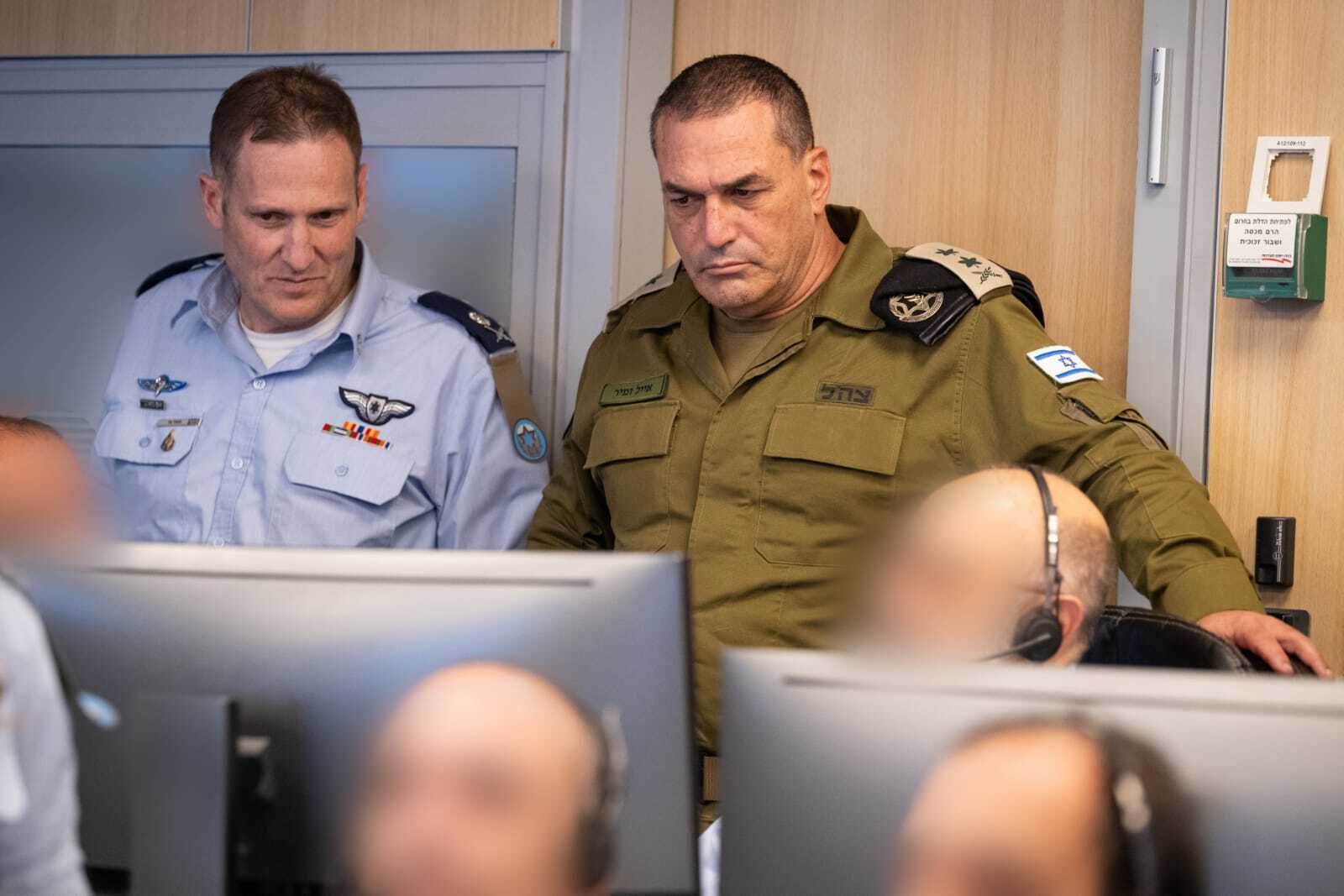
Israel’s military planners and operational chiefs consider the initial attack to have been an incredible success, and so too the 12 days of concerted assaults that followed. Avoiding hyperbole, the IDF Chief of Staff Eyal Zamir publicly assessed that Iran’s nuclear program and its missile capabilities were “significantly damaged.”
Related — ‘The stars aligned’: Why Israel set out for a war against Iran, and what it achieved
Every pre-designated target was indeed attacked, and destroyed or damaged to the extent the planners had believed possible or more so. The end stages of the war, including the initial hours after Trump announced the ceasefire but before it had gone into effect, saw hundreds of key targets destroyed — including what the publicly fuming US president called the unloading on Iran of “a load of bombs the likes of which I’ve never seen before.”
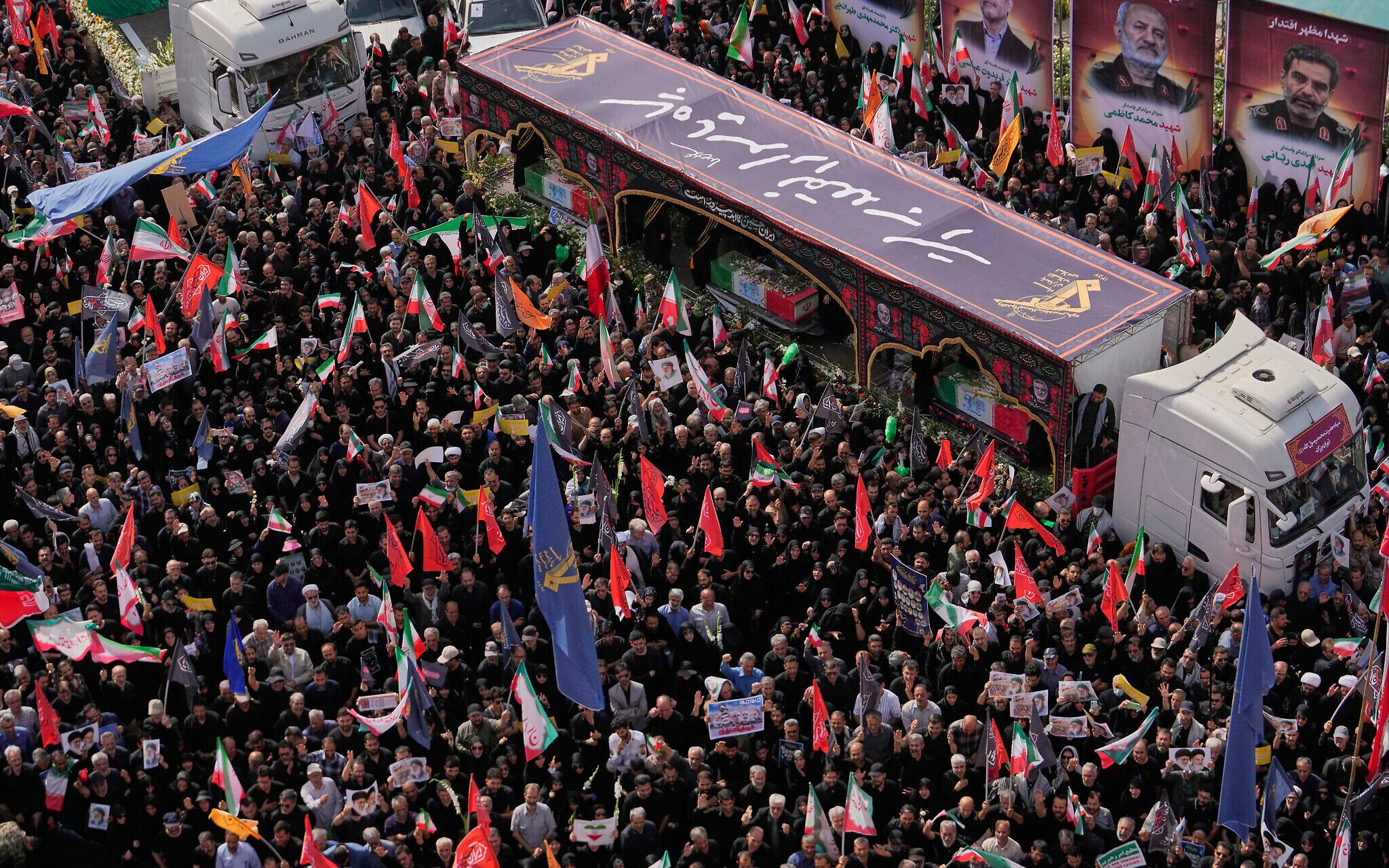
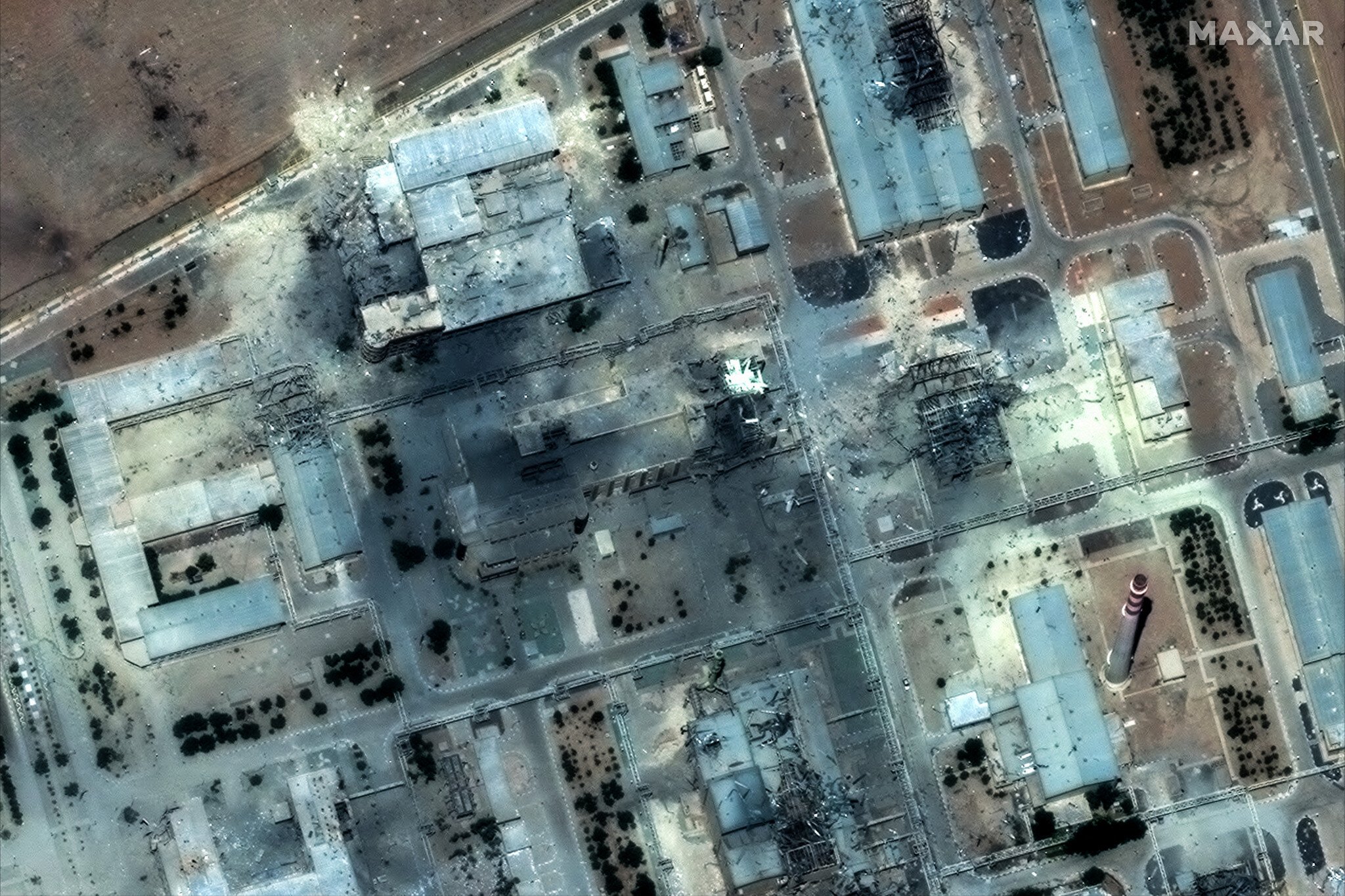
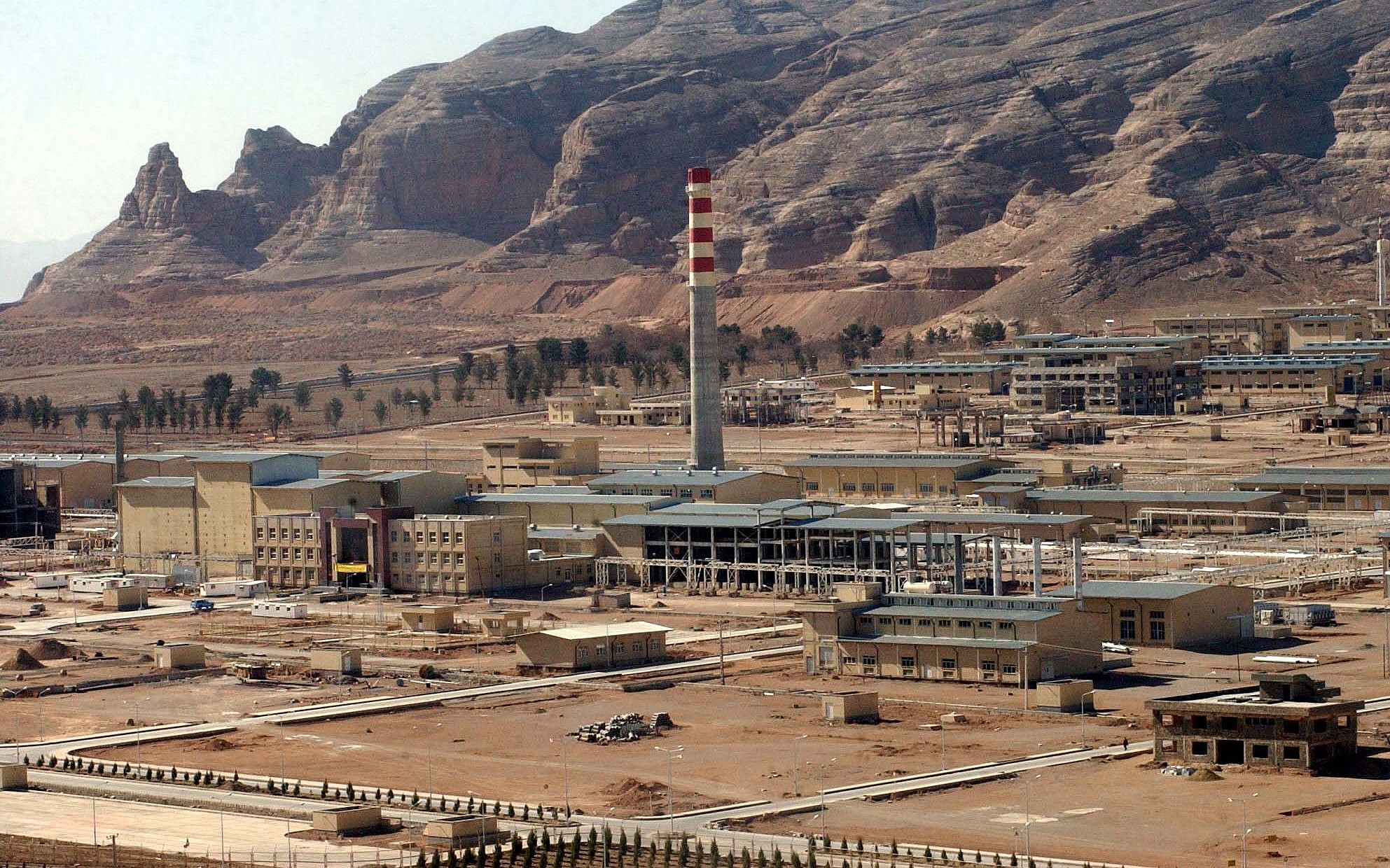
The top-level nuclear scientists are gone, and not easily replaceable. Natanz is believed destroyed, along with its centrifuges. Isfahan — possibly the only Iranian facility capable of converting uranium into the necessary form for enrichment, and of converting enriched uranium into solid metal form en route to a warhead — is likely destroyed. Fordo, where the UN’s International Atomic Energy Agency had in 2023 reported evidence of enrichment to 83.7% — just short of weapons grade — is not operational, thanks in overwhelming part to the US bombing.
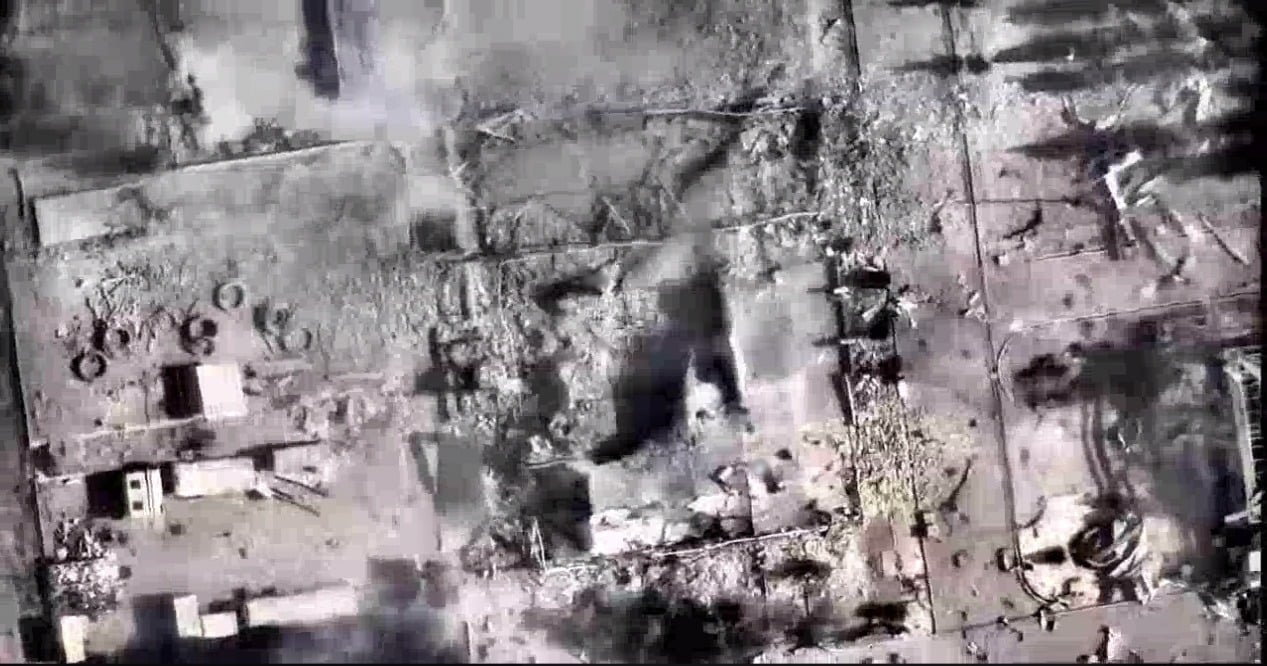
Iran’s ballistic missile program is greatly degraded. It is believed to still have some 700-1,000 missiles and fewer than 200 of its original 400 launchers. But the IDF targeted not only missiles and launchers, but the tunnels from which they emerge to fire, and the factories that make them and their components. Indeed, the IDF targeted innumerable elements of Iran’s entire military manufacturing array.
The regime’s drones proved a nuisance but not a profound danger. It fired 1,000, expecting to wreak considerable harm, and scored one direct hit, wrecking a home in Beit She’an.
I wrote 12 days ago that Iran had been “a matter of no more than two months, and possibly as little as a week,” from being able to build a deliverable bomb.
Today, Zamir has been quoted telling colleagues, Iran is no longer a nuclear threshold state, and its plans to eliminate Israel have been set back years.
‘Only’ 14% of Iran’s missiles impacted
There is, however, absolutely no room or reason for hubris. Israel allowed itself to slip into existential peril, and the astounding success of the 12-day war is a temporary accomplishment.
Iran is not going anywhere. And so long as the ayatollahs retain power, they can be relied upon to recommit to their efforts to wipe out Israel. As former prime minister Naftali Bennett remarked in a Saturday night interview, “it’s clear that they will now start to renew” the nuclear program. “The key is to prevent them from doing that, too.”
Along with delight and profound relief at the achievements of the war, the military and security top brass are resolved not to underestimate the regime and its single-minded determination to destroy Israel. This was a knockout blow in a life-or-death fight. But it is not the end of the existential struggle.
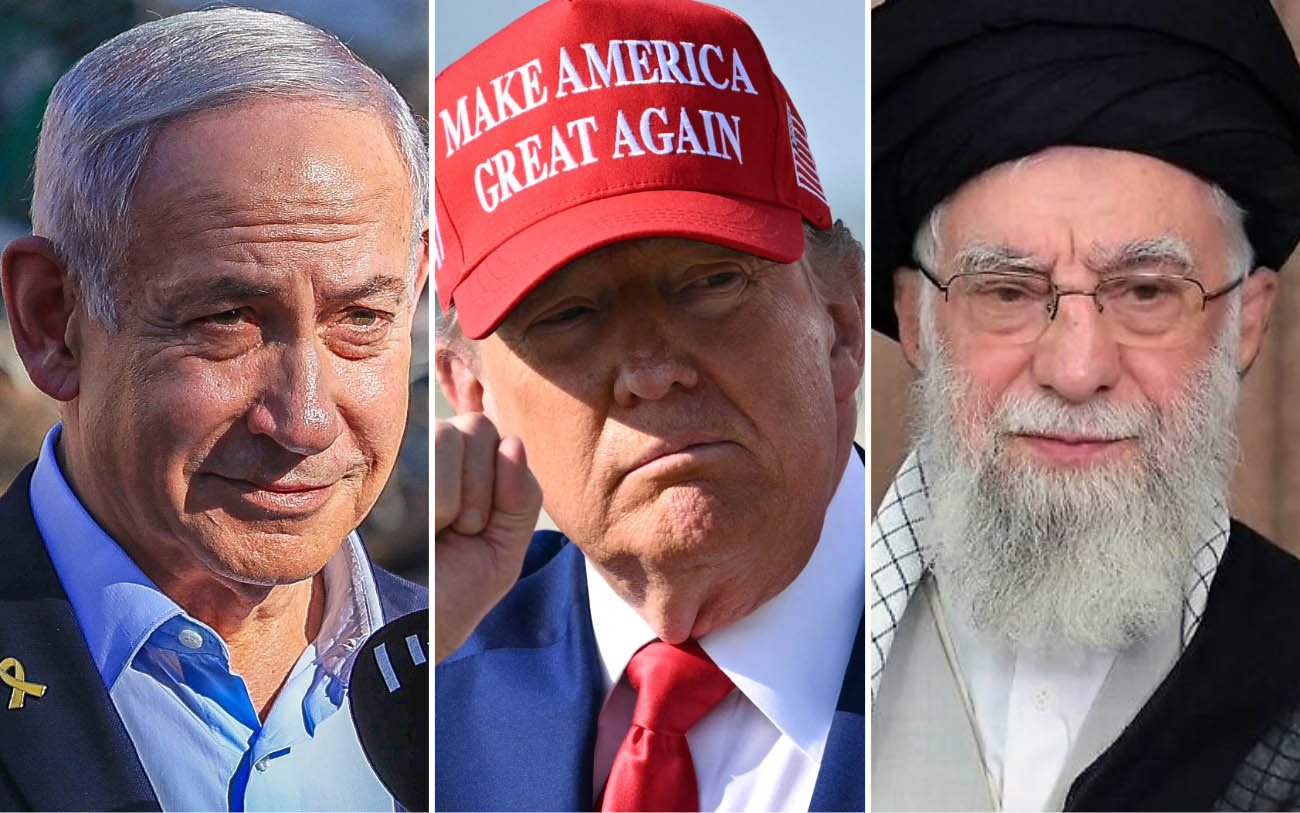
Even this time, despite those stunning initial strikes, Iran did gradually recover its balance.
The IDF fired over 4,000 precision projectiles of one kind or another at specific targets, including symbols of the regime such as the headquarters of the state broadcaster, sending a TV anchor rushing to safety mid-show. The regime is emphatically still standing, and its leader, Ali Khamenei, has emerged from his bunker to proclaim not only that Iran will never surrender, but also that it had won the war.
It did not. Israel maintained air supremacy over Tehran, and was selecting targets at will, with the capacity to continue to do so. Tehran had not been attacked since the Iran-Iraq War 30 years ago. Somewhere in the regime’s psyche, there may have been a refusal to countenance that Israel could do so, and would dare to do so.
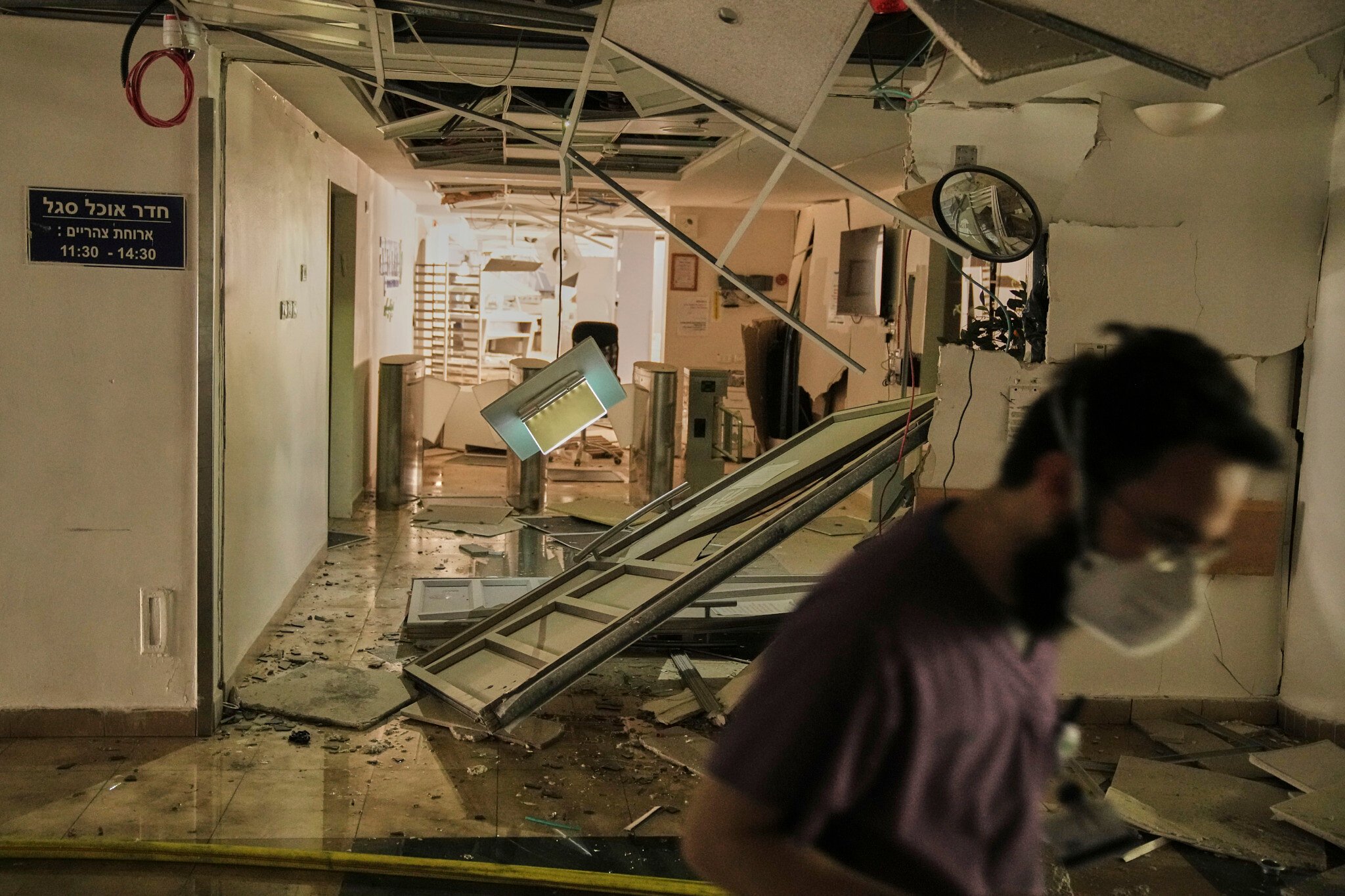
But while “only” 14% of the missiles fired by Iran impacted populated areas and strategic infrastructure — with the US playing a very significant part in the defense — they caused heavy devastation.
Twenty-eight people were killed, all but one of them civilians. Over 3,000 people were hospitalized, 23 with serious injuries. Dozens of homes were destroyed or damaged, apartment buildings smashed, some 13,000 people displaced. Beersheba’s Soroka hospital and a daycare center in the city, a life sciences research building at the Weizmann Institute in Rehovot, the Bazan oil refinery in Haifa, a rehab facility for disabled kids in Bnei Brak, all took direct, destructive hits.

The Iranian regime, dissembling, is doing its best to shrug off the harm of an entirely different order that has been done to its nuclear and military facilities and personnel. Israel’s political and military leadership knows that the relatively minor damage it sustained is far too much.
Knowing when to stop
The military and political leadership agreed ahead of time to set achievable goals for the war — which were defined as “Creating conditions to prevent Iran’s nuclearization over time, and improving Israel’s strategic balance.” Twelve days in, the IDF reported that those goals had been attained, and that Israel’s position would weaken, and Iran’s strengthen, if the war continued.
The IDF had assessed that several of its planes could go down and pilots could be captured. That didn’t happen. It had estimated that 400 people would be killed on the home front if the war went to 30 days. The death toll was rising.
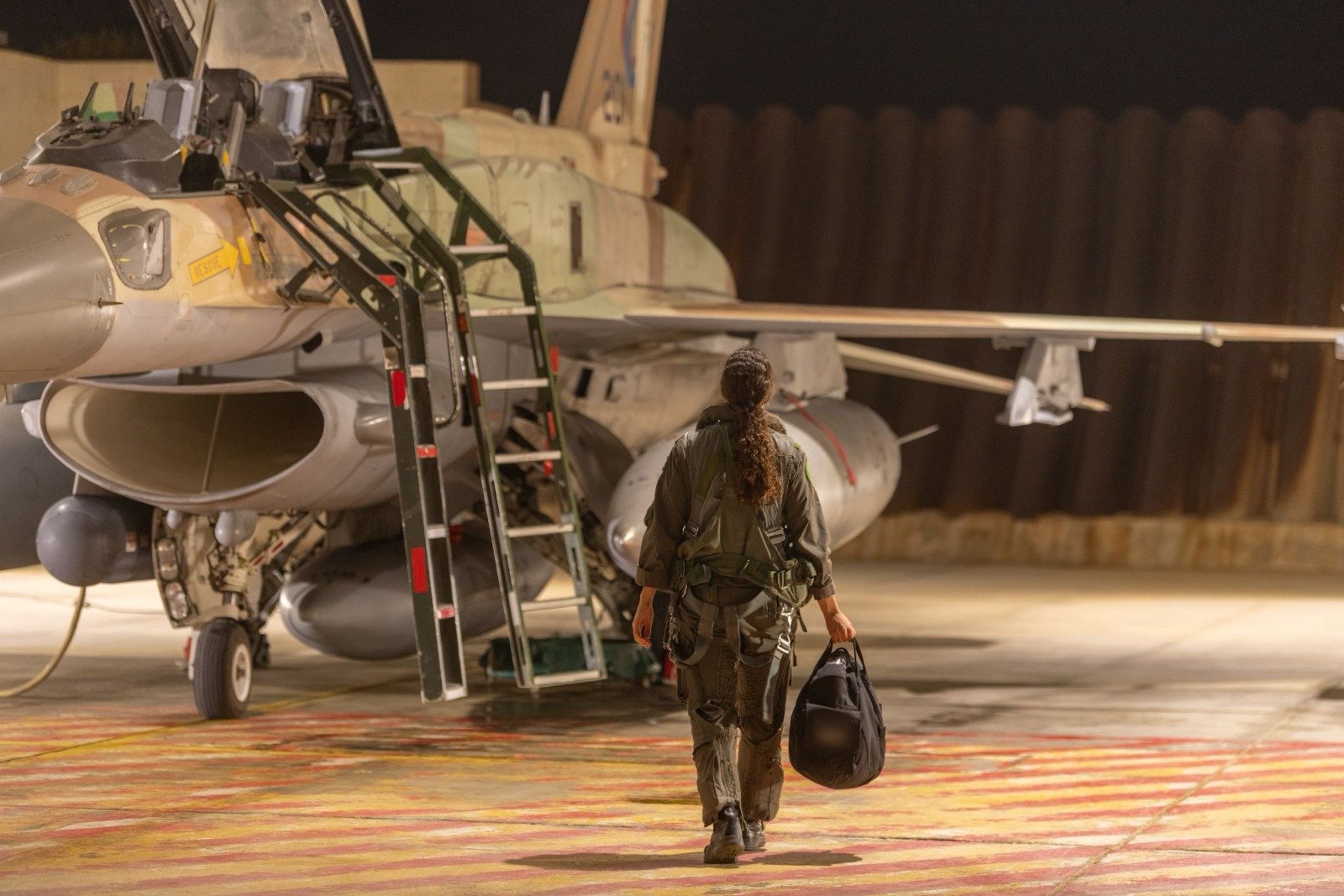
Prime Minister Benjamin Netanyahu — whom the IDF deeply credits with creating the conditions for the US to join the attack — agreed that a war of attrition had to be avoided, and that Iran should not be given time to alter the balance of the conflict. With US President Donald Trump very publicly brokering a ceasefire, the war was brought to an end.
Unlike in Gaza, where the war goes on because the goals of eliminating the Hamas threat and returning all the hostages have not been met, in Iran the specified job was done. The IDF was prepared to put uniformed and civilian lives at risk to face down an existential threat, but not when that threat had been eliminated for at least the near future, and when there was a high probability that further incremental gains would be offset by greater losses.

Israel would like to see a “good deal” finalized by the US with Iran, and would hope to provide input on such an agreement’s necessary provisions. But it does not doubt that Iran will do whatever it can to evade even the most stringent barriers to reviving its bomb-making program. If the IDF has to strike again, it believes it can do so within a matter of days.
No surrender
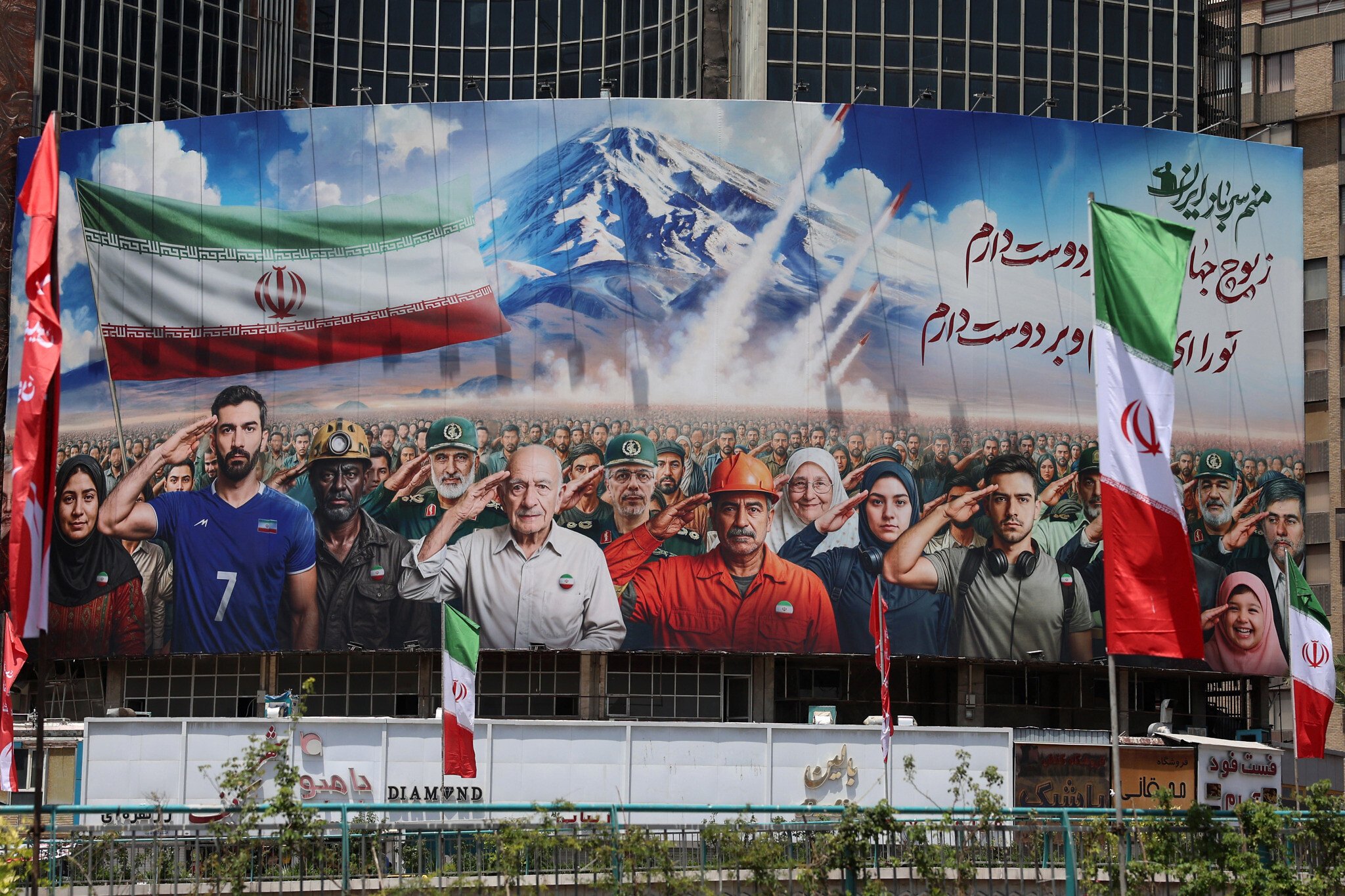
A new painting has been erected in Valiasr Square in recent days. Rather than a scene, depicted from behind, of the march to Jerusalem, this installation shows Iranians from various walks of life — slain recognizable military chiefs, but also soccer stars, engineers, women — looking out into the streets of Tehran.
This is not a portrait of surrender. The depicted Iranians, civilians and military men, are saluting. Rockets are leaving smoke trails behind them. The accompanying slogan proclaims, “We are all soldiers of Iran.”
But this time, only Iranian flags are shown. And the backdrop is not Jerusalem’s Dome of the Rock but Iran’s highest peak, Mount Damavand. This is the regime attempting to convey a message of national unity and, perhaps, even domestic focus.
And yet, it is more than possible that Iran spirited away some, maybe even most, of its 60% enriched uranium far from the major sites targeted in this war, and plenty of centrifuges too. Iran is about 75 times larger than Israel — plenty of room to construct smaller nuclear sites, and enrich and weaponize there, while trying to avoid attention. New scientists will replace the departed. It is not impossible that Pakistan or North Korea could be tempted to try to provide Iran with nuclear weapons.
Fresh, quite possibly more radical, leaders will replace the old for so long as the regime can retain power. And that regime, humiliated over 12 days in June, may be more motivated than ever to either scramble for the bomb or, more akin to its approach thus far, to lick its wounds and patiently rebuild the entire program.
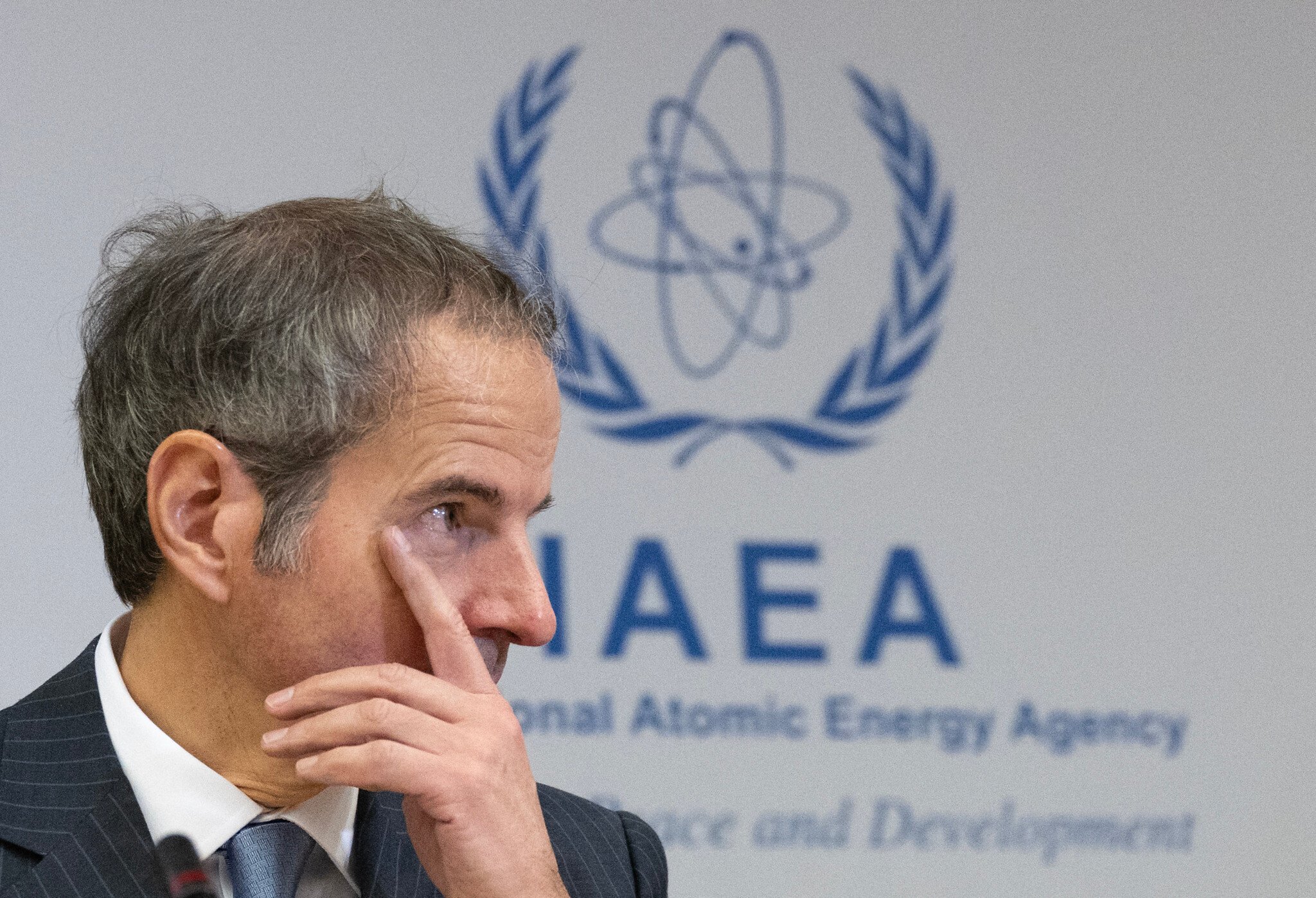
On Saturday, IAEA chief Rafael Grossi predicted that Iran could resume uranium enrichment “in a matter of months.” Israel expects the regime to try to start resurrecting its program far more quickly than that.
‘If we hadn’t acted now…’
Israel has had a narrow escape.
It was only in a position to save itself, moreover, because Yahya Sinwar, fearing leaks, chose not to coordinate Hamas’s October 7, 2023, with Iran and its other proxies, incorrectly gauging that the rest of the axis would pile in when recognizing his “success,” and join the triumphal, Israel-eliminating march to Al-Aqsa. (Israel is not certain, to this day, why Iran held back.)
Defense Minister Israel Katz claimed last week that the Air Force had struck the “Destruction of Israel” clock in Tehran’s Palestine Square, counting down to Israel’s predicted demise in 2040. It’s not clear that the clock was smashed. If it was, Iran will doubtless fix it. And, we know full well, it was aiming to achieve the goal of rubbing out Israel a lot earlier than 2040.
Was. And is.
Netanyahu on Tuesday accurately described the war as a “historic” victory, and has said it opens the door to potential new normalization agreements. He also asserted that it would abide for generations and that Israel had sent the Iranian nuclear program “down the drain” — assessments that the security establishment would not, should not, dare not, complacently endorse.
The prime minister also declared that Israel would have faced destruction in the near future “if we hadn’t acted now.” On that, there is no disagreement.