CNN says US freezing talks, Trump thinks Iran will cave due to economic pressure; Tehran warns EU could be hit if war renews, NATO vows response; UAE cuts economic ties with regime
19 August 2026, 5:28 pm
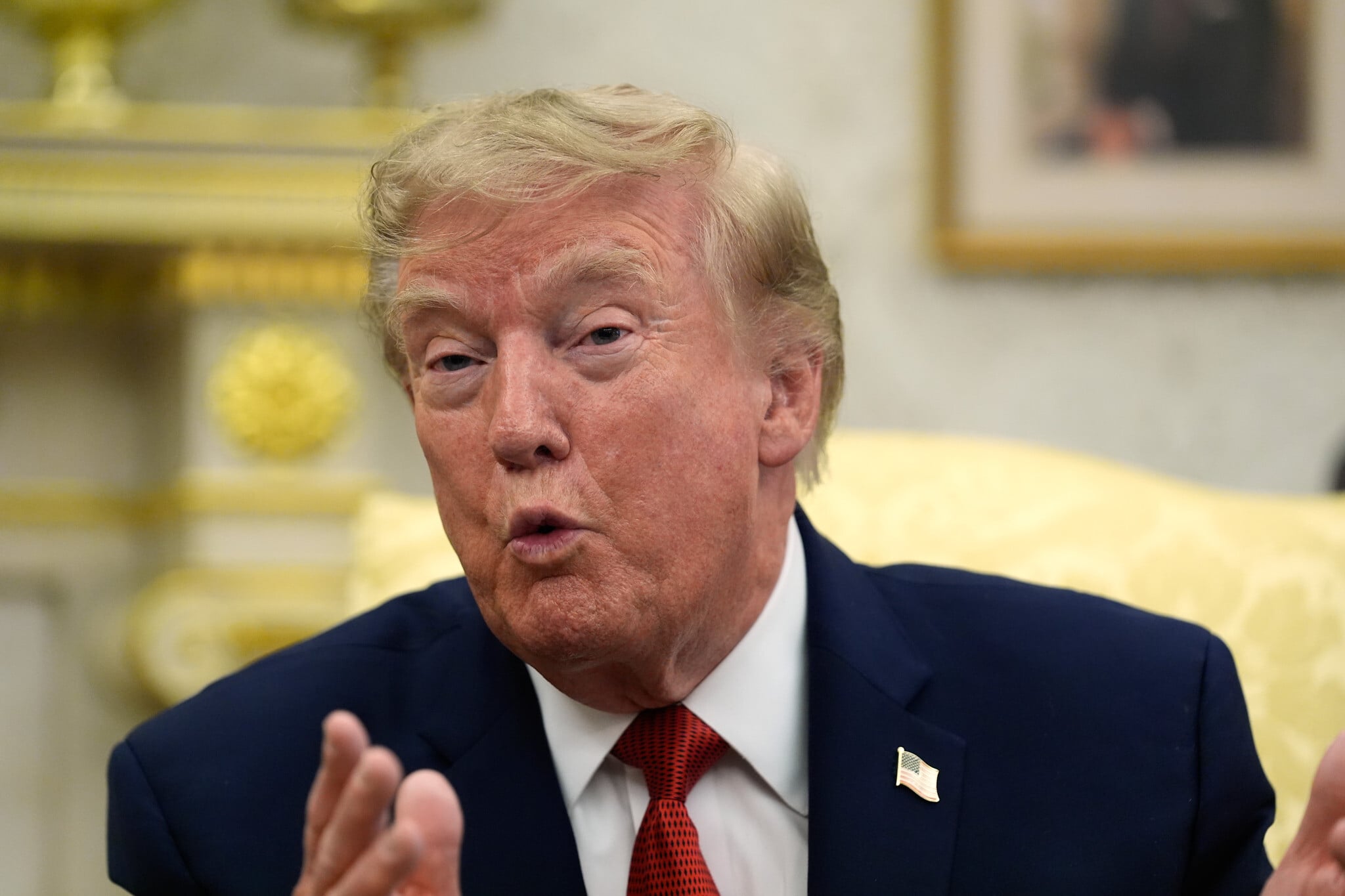
US President Donald Trump speaks in the Oval Office of the White House, August 17, 2026, in Washington. (AP Photo/Manuel Balce Ceneta)
US President Donald Trump has ordered negotiators to cut off talks with Iran indefinitely, halting “positive discussions” with the Islamic Republic, CNN reported Wednesday, citing US officials.
Trump claimed as much on Tuesday, writing on his Truth Social platform: “There are no talks or conversations going on, or scheduled, with the Islamic Republic of Iran.” He also shared an image on social media showing the Strait of Hormuz as a “new US territory,” pressing his threat to claim sovereignty over the vital waterway.
The comments came a day after his son-in-law Jared Kushner, a senior member of the negotiating team, spoke of “robust” conversations between the US and Iran, while acknowledging that Tehran wasn’t yet ready to make a deal that is satisfactory to Washington.
According to the CNN report, Trump has grown increasingly frustrated with Iran’s unwillingness to meet his demands, and has thus decided to shift strategies, cutting off engagement until Tehran shows it is willing to make a deal to his liking.
In talks with allies, administration officials described the shift as going from “’hammer Iran ASAP’ to ‘strangle them’ over time,” CNN reported, noting that the White House believes economic pressure will eventually lead Iran to fold on the Strait of Hormuz and other key issues.
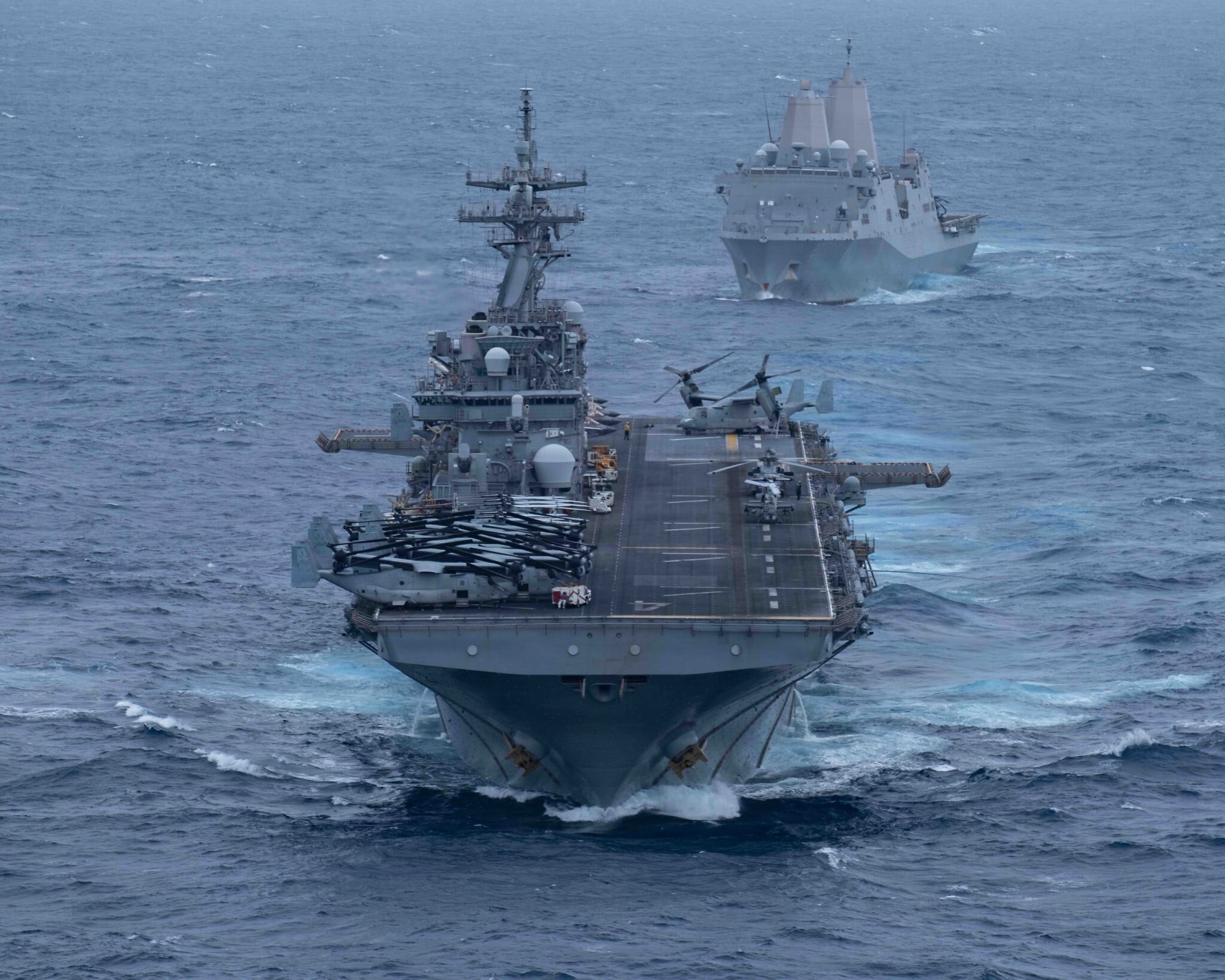
As such, officials cited in the report expect the US to place “crushing” new sanctions on Iran, which it said could come as early as this week. US Defense Secretary Pete Hegseth has also said that he is prepared to enforce the naval blockade on Iran’s ports “indefinitely,” as the US appears to gear up for a long-term pressure campaign in lieu of progress in negotiations.
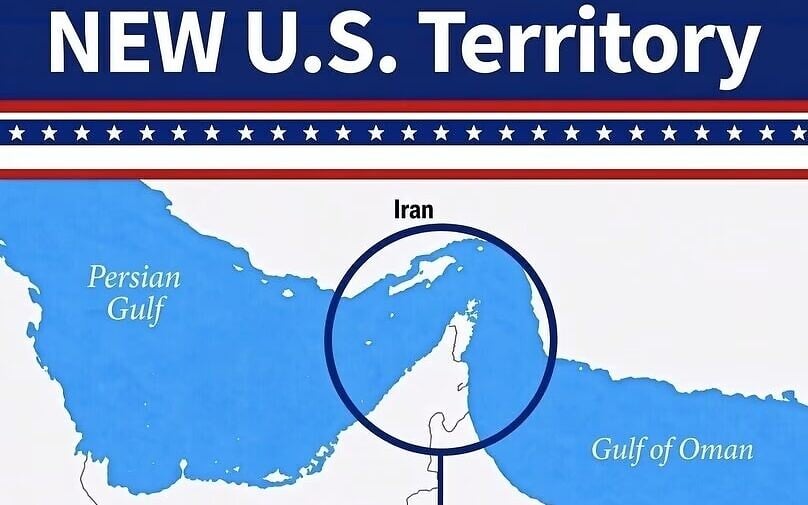
According to the report, Trump envisions the Strait of Hormuz being managed as it was before the war began, meaning free passage of ships with no tolls or fees paid to Iran or any other parties. However, an emerging framework between Iran and Oman would see service fees or other costs charged to shipping companies who look to transit the Strait, which has sparked ire from Trump, who even threatened to bomb Oman for its involvement in the talks.
Iran has effectively shut down the chokepoint, through which a fifth of the world’s oil transits, in retaliation for the war Trump started along with Israel in late February over Iran’s nuclear program. Iran says it will not reopen the strait until Washington meets a sweeping list of demands including ending the US blockade of Iran’s ports, lifting oil sanctions, freeing up frozen Iranian assets and paying war damages.
Iran ups threats on Gulf, Europe; NATO vows response if attacked
Tehran on Wednesday ratcheted up its threats, telling Gulf countries that assisting the US military would be tantamount to joining American military operations, and is reportedly considering targeting US assets in Europe if conflict renews.
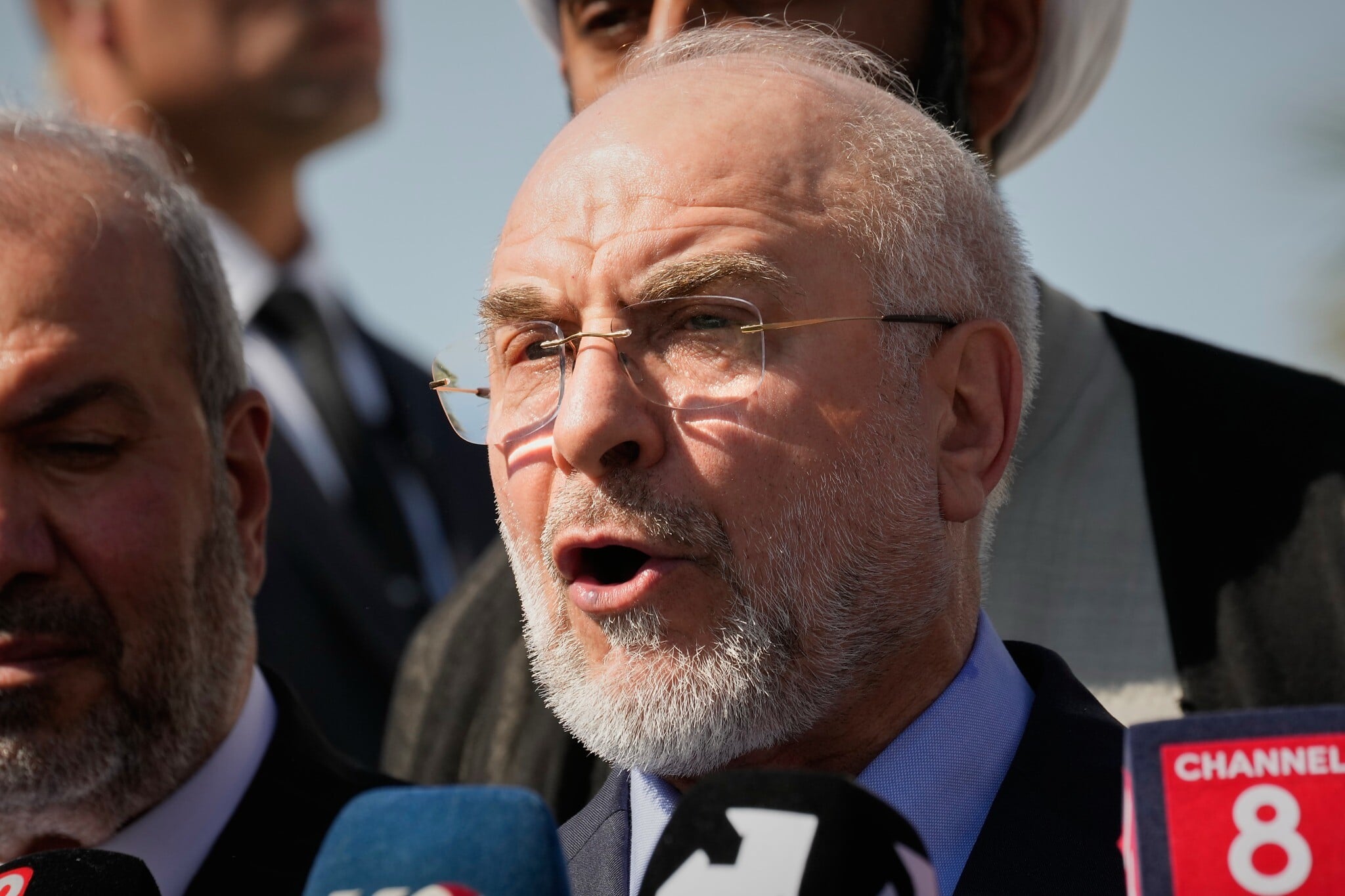
“We wish to warn that any assistance or facilitation provided to the aggressor US military amounts to participation in the US military operation,” armed forces chief of staff Ali Abdollahi said, according to Iran’s Mehr news agency.
“It seems unlikely that such a large number of military aircraft, particularly refueling aircraft, could be present at regional bases without knowledge of host countries,” Abdollahi said.
“The countries bordering the Persian Gulf, which have issued various statements saying they would not allow the United States to use their territory against Iran should know that we are fully aware of the situation,” he warned.
Iran is also considering targeting US military sites or assets in Europe should fighting flare up again, the Financial Times reported Wednesday, citing regime insiders.
According to the British news outlet, military assets in Bulgaria or Cyprus could be attacked, significantly expanding the reach of the regime’s retaliatory action, which has focused mainly on the Middle East until now. Both countries have military bases that have been available to US troops and equipment.
During the war that broke out on February 28, Iran fired a missile toward the Diego Garcia air base some 4,000 kilometers (2,500 miles) away in the southern Indian Ocean, signaling its ability to fire at nearly anywhere in Europe, though analysts say the increased range would come at the cost of a smaller warhead, minimizing potential damage.
Israeli officials have repeatedly warned of the Iranian threat to Europe.
The regime insiders quoted in the report also raised the possibility of damaging fiber-optic cables running under the Strait of Hormuz, which could significantly impair telecommunications.
One was cited saying Iran would have “no limits” on its response should the US attack. “Should the US go too far, Iran will defend itself at any price, go beyond the region and hit Europe too,” they are quoted saying.
The second insider told the paper that threatened US attacks on infrastructure would trigger the wider response, pointing to an attack on Jordan in which three US servicemembers were killed as proof of Tehran’s targeting capabilities.
“This was also a message to Europe: it can receive missiles, so it should know where it should stand in this war,” they were quoted saying. “A very big mistake, such as hitting our infrastructure, could make the war go beyond the region and reach Europe.”
Responding to that report, a NATO official said the alliance is prepared to address any threat and will always do what is necessary to defend all allies,
“As demonstrated earlier this year when NATO air defenses successfully intercepted ballistic missiles heading to Turkey from Iran on four separate occasions, our deterrence and defense posture is strong and effective,” the official said.
UAE suspends financial ties with Iran until further notice
Meanwhile, the United Arab Emirates decided Wednesday to suspend all financial and economic transactions with Iran until further notice, citing a military escalation by Tehran with a missile threat the day before.
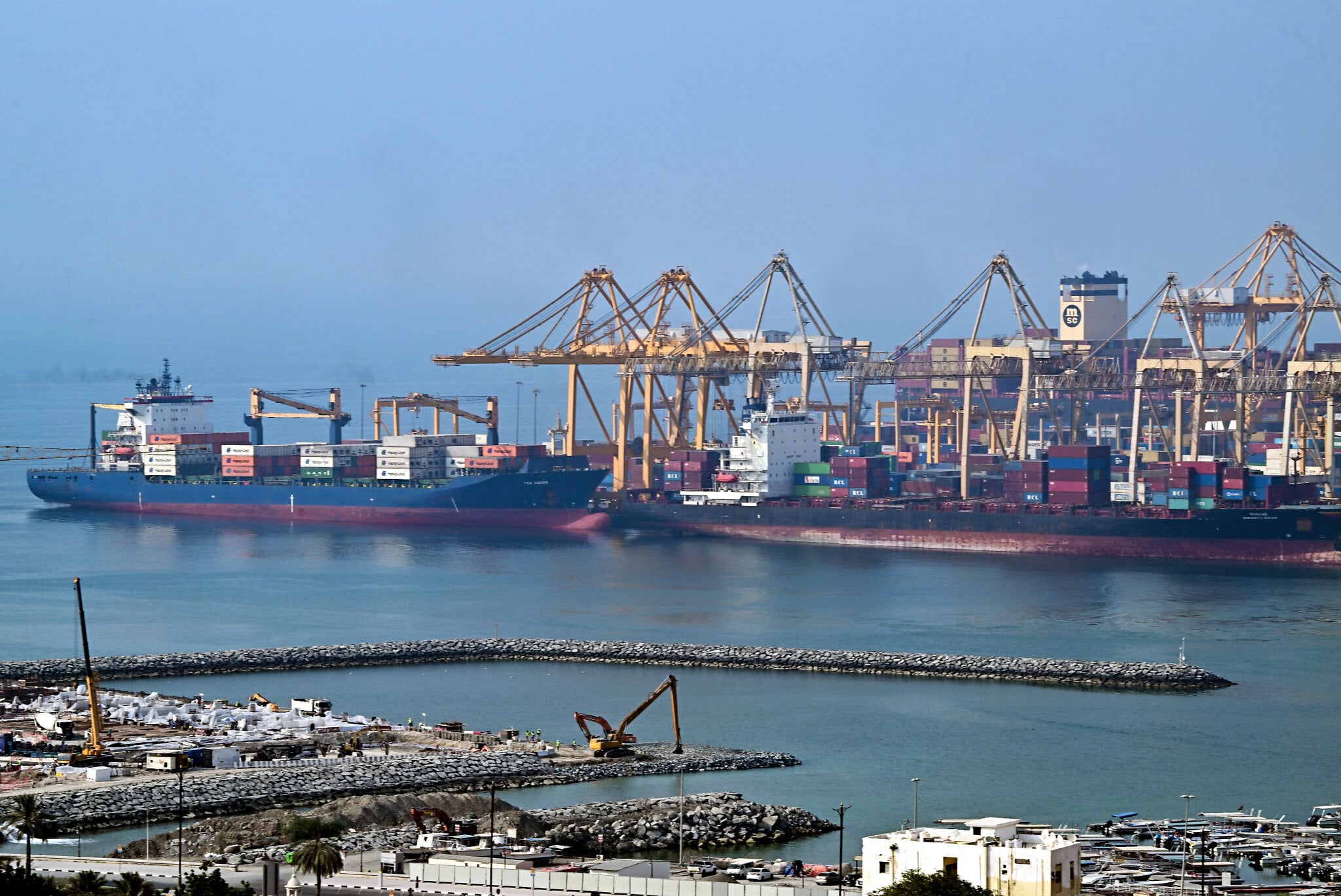
The UAE, a close US and Israeli ally and regional power, was the Gulf state most heavily hit by Tehran during the early stages of the Middle East war. However, the last reported attack on UAE soil was the May 4 strike on Fujairah port, a key oil export hub.
The move by the UAE to sever commercial ties came after its defense ministry said that it had detected two ballistic missiles launched from Iran, an incident that marked the first time in months that residents received telephone alerts warning of possible threats.
In a statement, the ministry said the missiles targeted “maritime traffic” based on its assessments. Both missiles fell into the sea, it said.
The UAE also sent a phone alert later Tuesday to residents stating that the situation was safe and people should resume normal activities after the earlier warning.
Iran’s foreign ministry rejected the statement by the UAE that its missiles targeted maritime traffic, describing it as “baseless.”
The missile launch that the UAE blamed on Iran came as a 60-day window for US-Iranian peace talks expired without a breakthrough, raising fears of a new escalation in the conflict that has disrupted shipping through the Strait of Hormuz since February and rattled global markets.
UAE official Afra Al Hameli, director of the Strategic Communications Department at the Ministry of Foreign Affairs, said the UAE was committed to dialogue and cooperation to advance peace, stability, and prosperity in the region.
Al Hameli said that in light of regional escalations that undermine regional and international peace and security, all trade, commercial exchanges, and financial transactions with Iran have been halted.
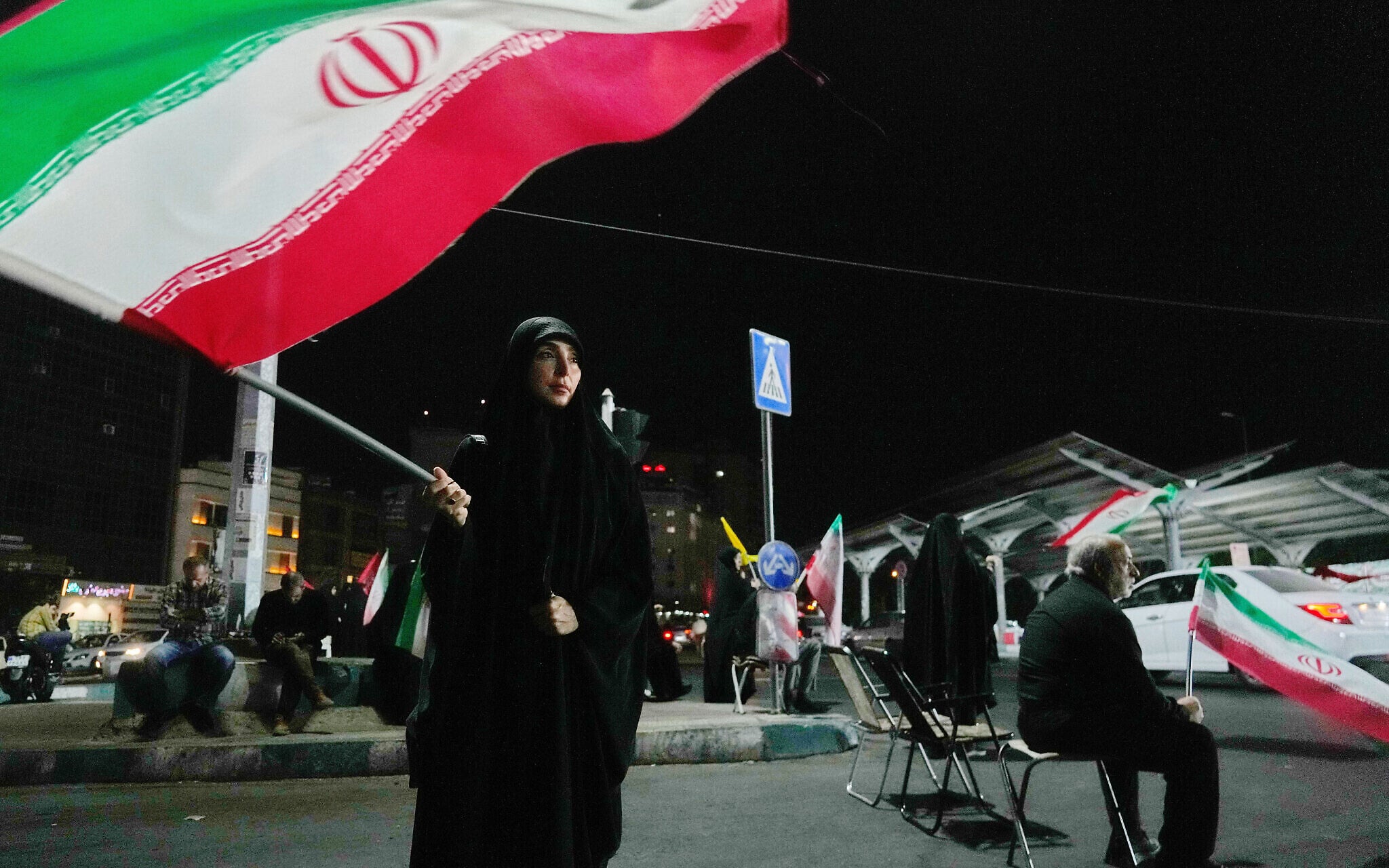
The UAE was drawn into the wider war in the region which began in February with US-Israeli strikes on Iran. Tehran’s attacks on UAE soil stopped in May, while they persisted in neighboring Kuwait and Bahrain. Attacks at sea on its vessels did not stop.
In August, Abu Dhabi National Oil Company (ADNOC), one of the world’s largest energy producers, said it was being significantly impacted by what it described as unprovoked attacks on its people and assets, as it sought to continue meeting customer requirements in an “exceptionally challenging environment.”
ADNOC said in a statement that several of its vessels had been attacked by missiles and drones while transiting the Strait of Hormuz since the start of the conflict.
Iran has not claimed responsibility for the attacks on ADNOC vessels. Iran’s Islamic Revolutionary Guard Corps have previously threatened action against vessels transiting the strait if they are linked to Tehran’s adversaries or fail to comply with Iranian directives.