Proposal would see interim international rule of Strip in place of Hamas and PA, wouldn’t require displacement of Palestinians
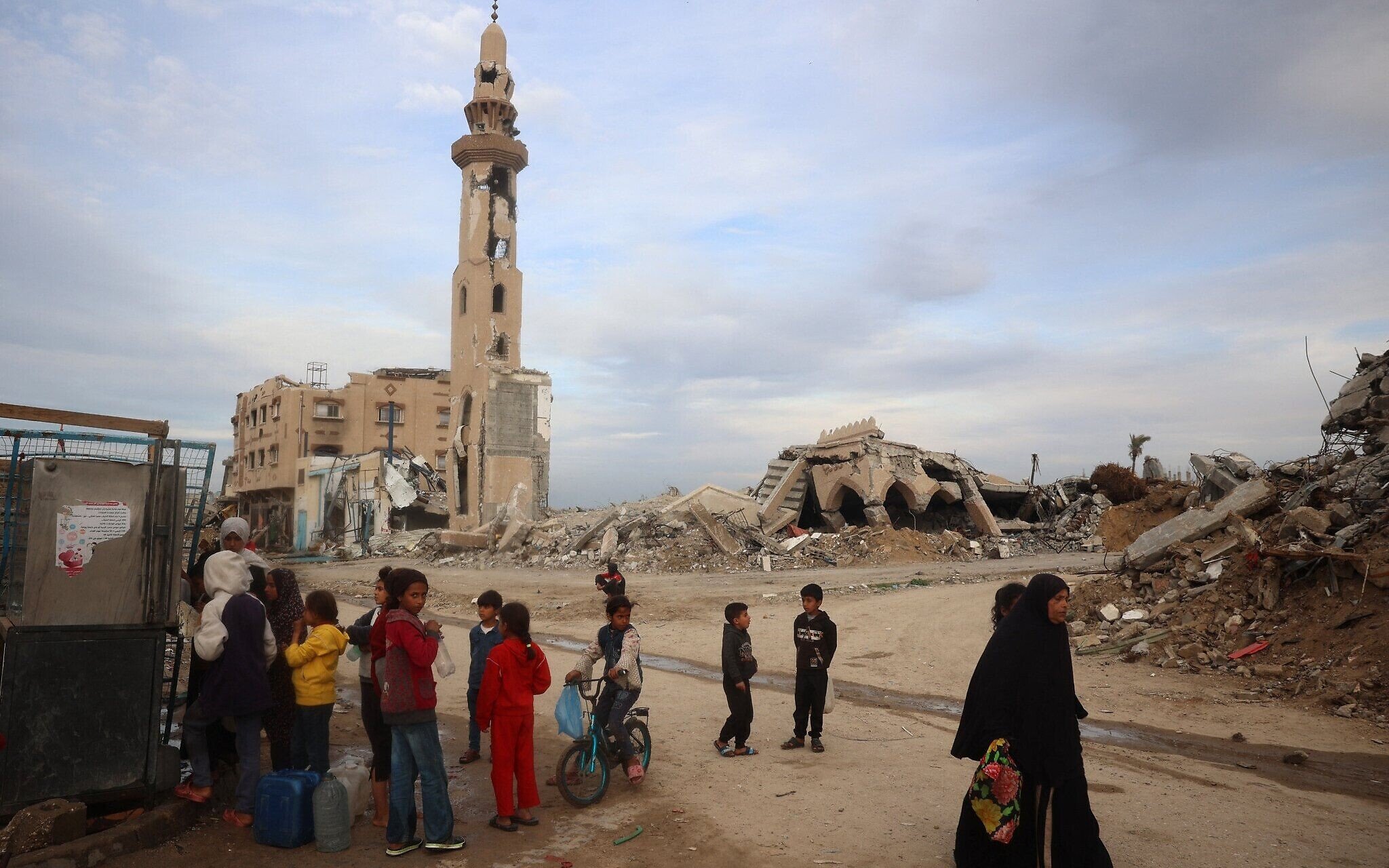
Arab leaders were set to gather in Cairo on Tuesday to discuss an alternative to a plan from US President Donald Trump in which the United States would assume control of war-battered Gaza and displace its Palestinian population.
The Arab League summit on the territory’s reconstruction comes a day after Prime Minister Benjamin Netanyahu again gave his backing to Trump’s plan, calling it “visionary and innovative.”
Palestinians, along with the Arab world and many allies of Israel and the US, have condemned Trump’s proposal, rejecting any efforts to expel Gazans.
UN estimates have put the cost of Gaza’s reconstruction at more than $53 billion amid the devastating war triggered by the Hamas terror group’s brutal October 7, 2023, onslaught on Israel.
Arab foreign ministers met in the Egyptian capital on Monday for a closed-door preparatory session centered on a plan to rebuild the territory without displacing its people, a source at the Arab League told AFP on condition of anonymity.
The proposal also does not detail a central role for the West Bank-based Palestinian Authority, which has sought to lead Gaza’s reconstruction — a nonstarter for Israel, which has accused the body of backing terrorism. Nor does the draft proposal say how Hamas would be pushed aside, how the Strip would be rebuilt, or who would pay to rebuild it.
The source said the plan “would be presented to Arab leaders at Tuesday’s summit for approval.”
The heads of state of several Arab nations are expected to attend, while some countries sent foreign ministers or other high-level representatives.
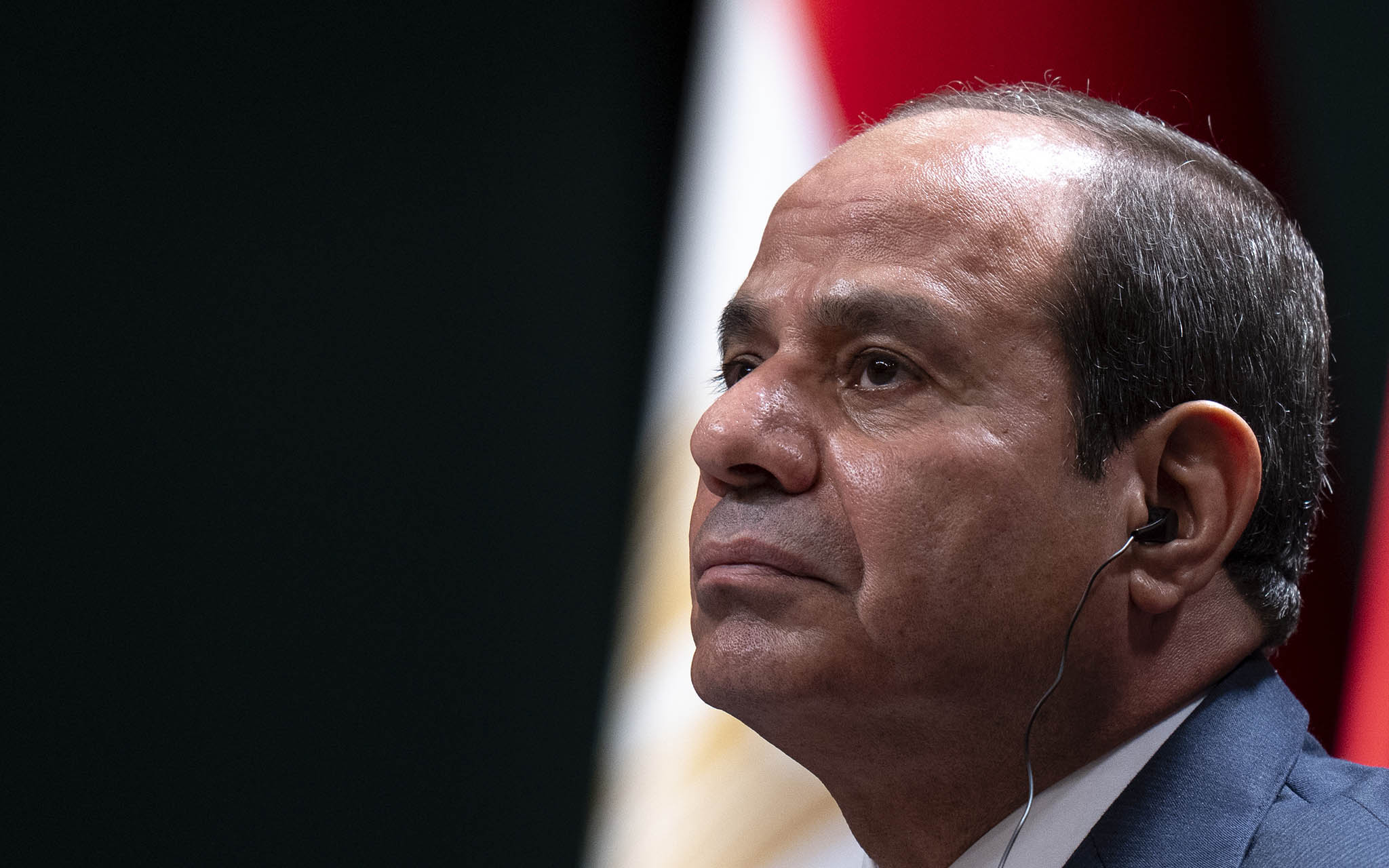
Egypt’s President Abdel-Fattah el-Sissi and Bahrain’s King Hamad bin Issa Al Khalifa are expected to deliver opening remarks, according to a schedule shared by the Arab League.
Trump triggered global indignation when he first floated his idea for the United States to “take over” the Gaza Strip and turn it into the “Riviera of the Middle East” while forcing its Palestinian residents to relocate to Egypt, Jordan and elsewhere.
Trump has since appeared to soften his stance, saying he was “not forcing” the plan, which experts have said could violate international law.
Ceasefire impasse
The Gaza Strip has been under a crippling Israeli-Egyptian blockade since Hamas took power there in 2007, with critics of Israel often likening the territory to an open-air prison.
Israel asserts the blockade is necessary to ensure the terror group cannot smuggle in weaponry.
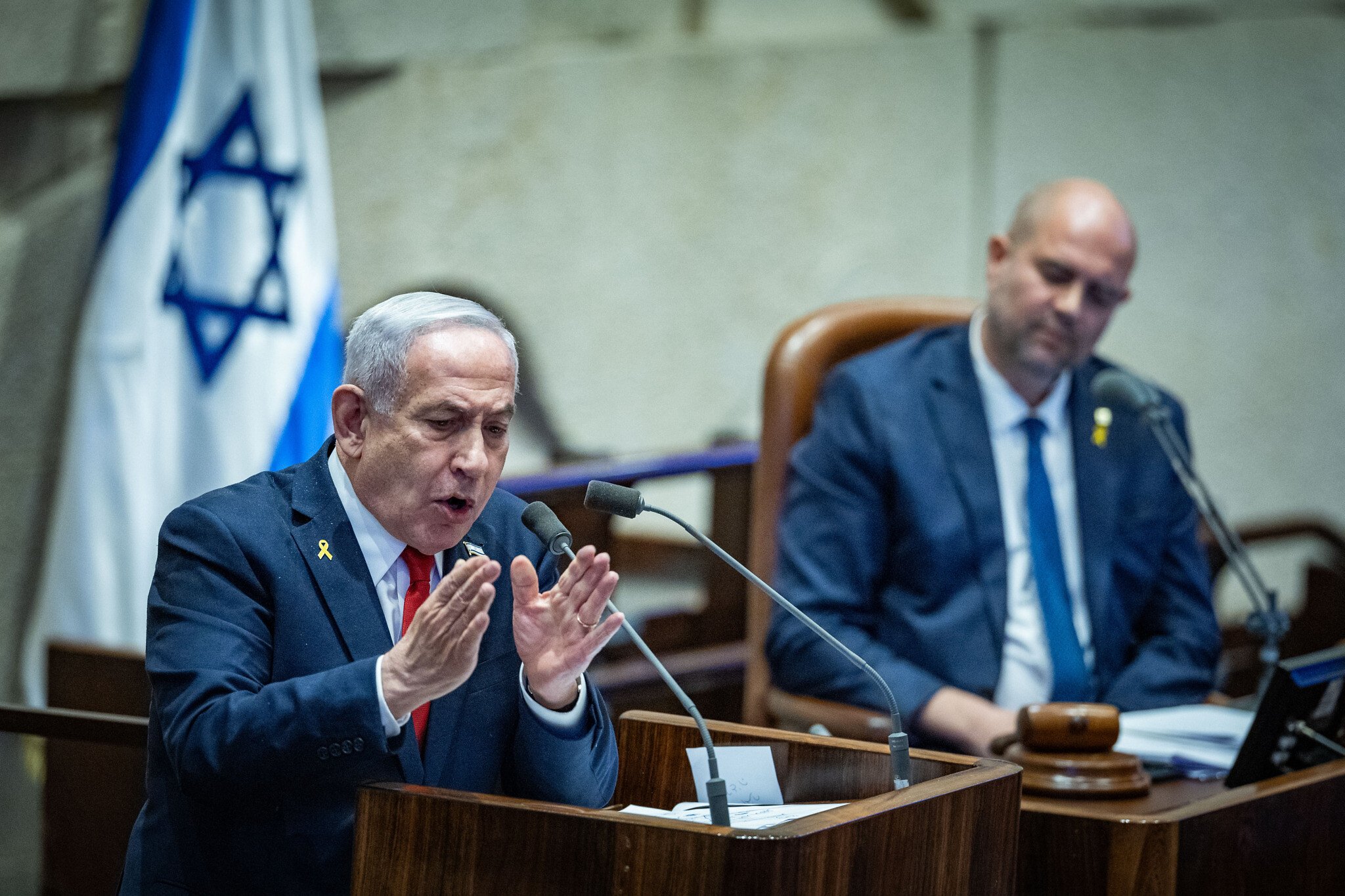
In a speech to the Knesset Monday in which he hailed Trump’s plan, Netanyahu said: “It’s time to give the residents of Gaza a real choice. It’s time to give them the freedom to leave.”
The idea of clearing Gaza of its inhabitants has been welcomed by far-right members of Netanyahu’s coalition, such as Finance Minister Bezalel Smotrich, who has called for Israel to “establish full sovereignty there.”
The Cairo summit is taking place as Israel and Hamas find themselves at an impasse over the future of a fragile hostage-ceasefire deal that began on January 19.
The ceasefire’s first phase saw 33 Israeli hostages released, eight of them dead, in exchange for nearly 2,000 Palestinian prisoners, including many convicted terrorists serving hefty jail sentences. Five Thai nationals held hostage in the Gaza Strip were freed separately during that period.
While Israel said it backed an extension of the first phase until mid-April — including the release of the remaining 59 hostages in two batches toward the beginning and end of the Ramadan and Passover holidays that run through March and until April 19 — Hamas has accused Israel of violating the original deal and has insisted on continuing on to the second stage.
Netanyahu on Monday warned Hamas that “there will be consequences that you cannot imagine” if the hostages still held by terrorists were not released.
A senior Hamas official, Osama Hamdan, accused Israel of actively sabotaging the ceasefire, calling its push for an extension “a blatant attempt to… avoid entering into negotiations for the second phase.”
Aid block
As the truce’s first phase came to a close, Netanyahu’s office announced Israel was halting “all entry of goods and supplies” into Gaza and that Hamas would face “other consequences” if it did not accept the truce extension.
The move drew criticism from key truce mediators Egypt and Qatar, as well as from other regional governments, the United Nations, and some of Israel’s allies.

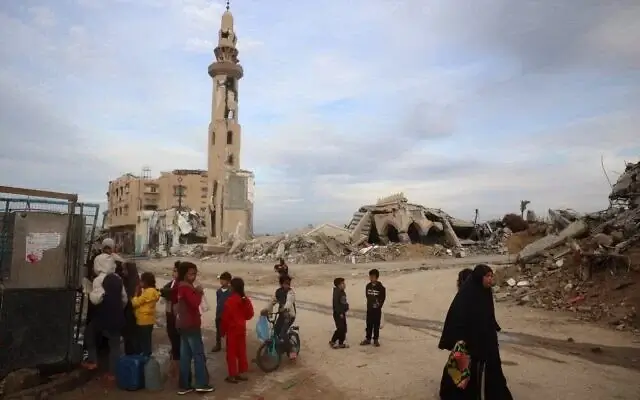
The war has destroyed or damaged most buildings in Gaza, displaced almost the entire population, and triggered widespread hunger, according to the UN.
The war was sparked on October 7, 2023, when thousands of Hamas-led terrorists stormed southern Israel to kill some 1,200 people and take 251 hostages.
Israel launched a campaign aimed at eliminating the terror group and bringing home the hostages.
The Hamas-run Gaza health ministry says more than 48,000 people in the Strip have been killed or are presumed dead in the fighting so far, though the toll cannot be verified and does not differentiate between civilians and fighters. Israel says it has killed some 20,000 combatants in battle as of January and another 1,600 terrorists inside Israel on October 7.
Israel has said it seeks to minimize civilian fatalities and stresses that Hamas uses Gaza’s civilians as human shields, fighting from civilian areas including homes, hospitals, schools, and mosques.
Israel’s toll in the ground offensive against Hamas in Gaza and in military operations along the border with the Strip stands at 410. The toll includes a police officer killed in a hostage rescue mission and two Defense Ministry civilian contractors.