US president urges Pakistan, Saudi Arabia and Qatar to normalize ties with Israel; Saudi source says not without ‘irreversible pathway’ to Palestinian state
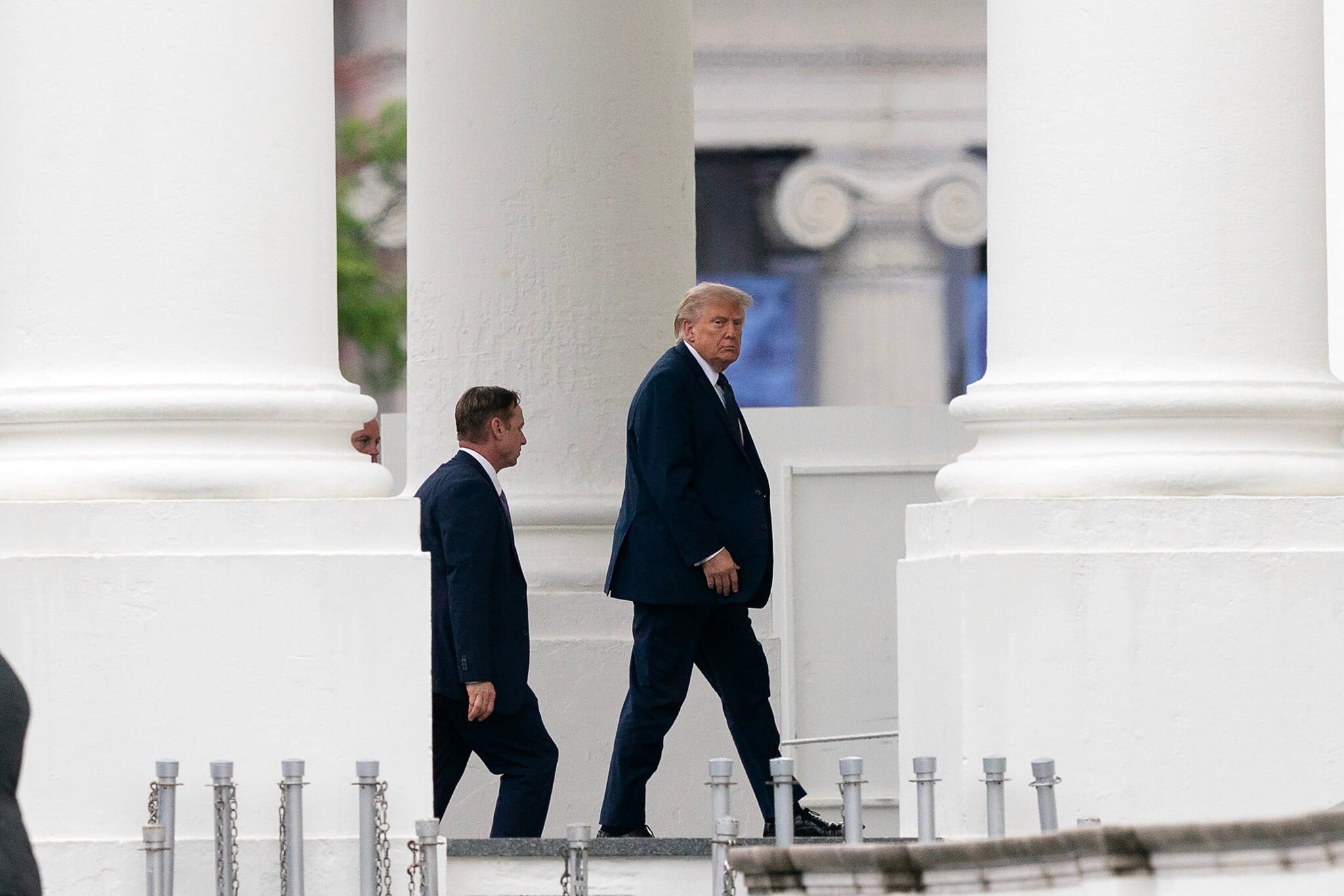
US President Donald Trump insisted on Monday that six Muslim-majority countries join the Abraham Accords normalization agreements with Israel ahead of any deal between the US and Iran to end the war, negotiations on which he said were “proceeding nicely.”
The remarks were the second time in as many days that Trump tried to link the emerging deal with Iran to the accords, which were first signed in September 2020 by the United Arab Emirates and Bahrain, followed by Morocco and Sudan months later.
“Negotiations with the Islamic Republic of Iran are proceeding nicely! It will only be a Great Deal for all or, no Deal at all,” Trump announced on Truth Social on Monday, reiterating his oft-uttered threat that if no deal is reached, it will mean “Back to the Battlefront and shooting, but bigger and stronger than ever before.”
He said that during discussions with leaders of Muslim and Arab states, he told them that “after all the work done by the United States to try and pull this very complex puzzle together, it should be mandatory that all of these Countries, at a minimum, simultaneously, sign onto the Abraham Accords.”
He specified that the countries he wished to see sign onto the accords included Saudi Arabia, Qatar, Pakistan, Turkey, Egypt, and Jordan. He said he also spoke to the UAE and Bahrain about this possibility.
It was not clear why Egypt and Jordan would be required to sign the Abraham Accords, given that both have had peace treaties with Israel since 1979 and 1994, respectively. Turkey and Israel have had rocky relations almost since the founding of the State of Israel, with long periods of amicable ties, although those have nosedived in the past decade.
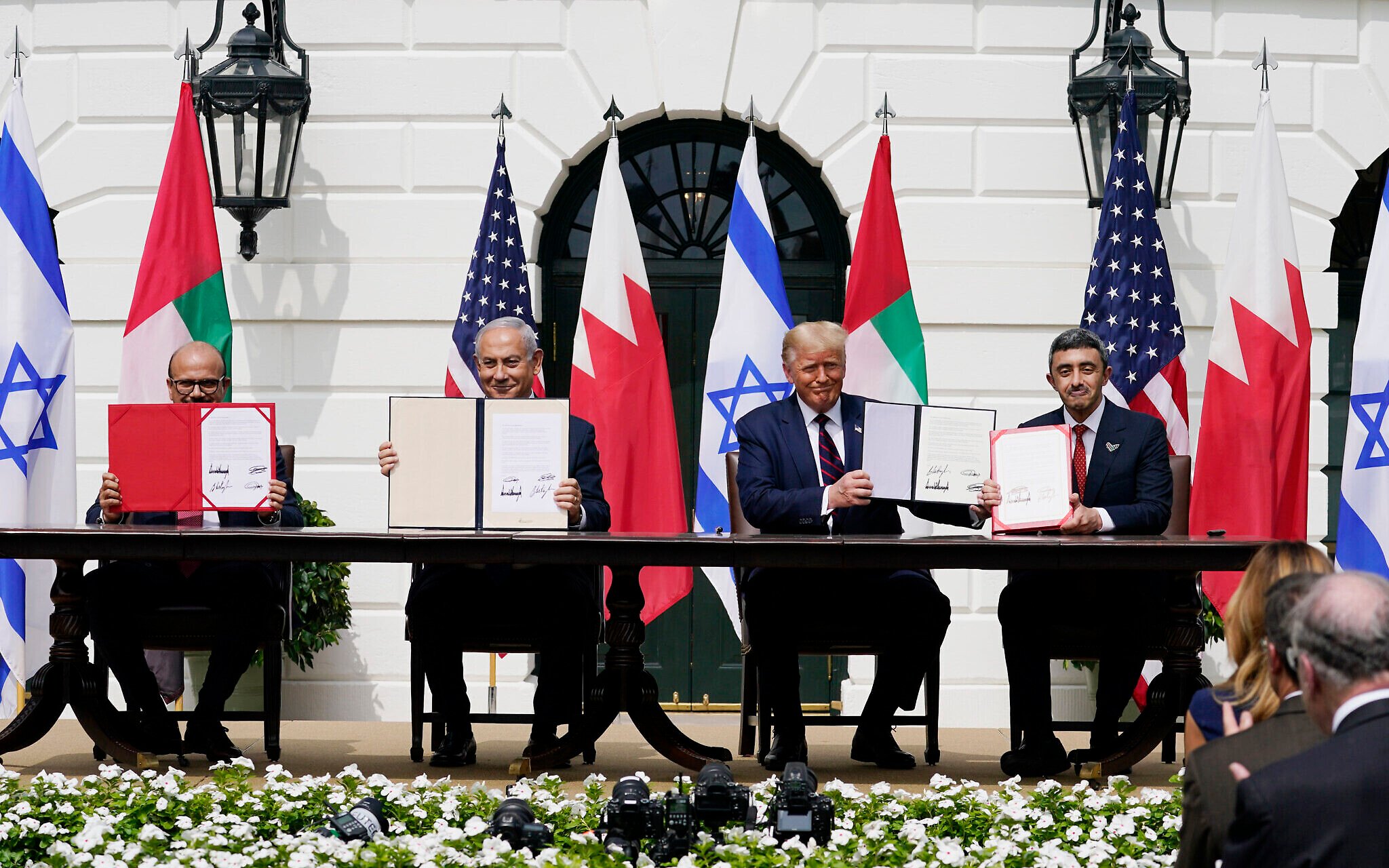
After the US leader’s comments, a Saudi source told international outlets that Riyadh will only normalize relations with Israel if an “irreversible pathway” to Palestinian statehood is established.
The Trump administration has long viewed Saudi-Israeli normalization as the crown jewel of the Abraham Accords, though efforts toward that end largely stalled during Israel’s war against Hamas in Gaza. Riyadh has since repeatedly insisted that such an agreement must follow meaningful movement on the Palestinian issue.
Trump’s request for the Muslim and Arab states to join the Abraham Accords was first reported by Axios on Sunday.
The US president did not mention Israel in Monday’s lengthy post, and it was not immediately clear whether he was envisioning traditional accession to the Abraham Accords — which were brokered during his first term — or envisioning the creation of a political framework built around broader aims.
He said the expansion of the accords “should start with the immediate signing by Saudi Arabia and Qatar, and everybody else should follow suit.”
If countries do not sign, he said, they should not be involved in any deal with Iran as “it shows bad intention.”
“It may be possible that one or two have a reason for not doing so, and that will be accepted, but most should be ready, willing, and able to make this Settlement with Iran a far more Historic Event than it would, otherwise, be,” he added.
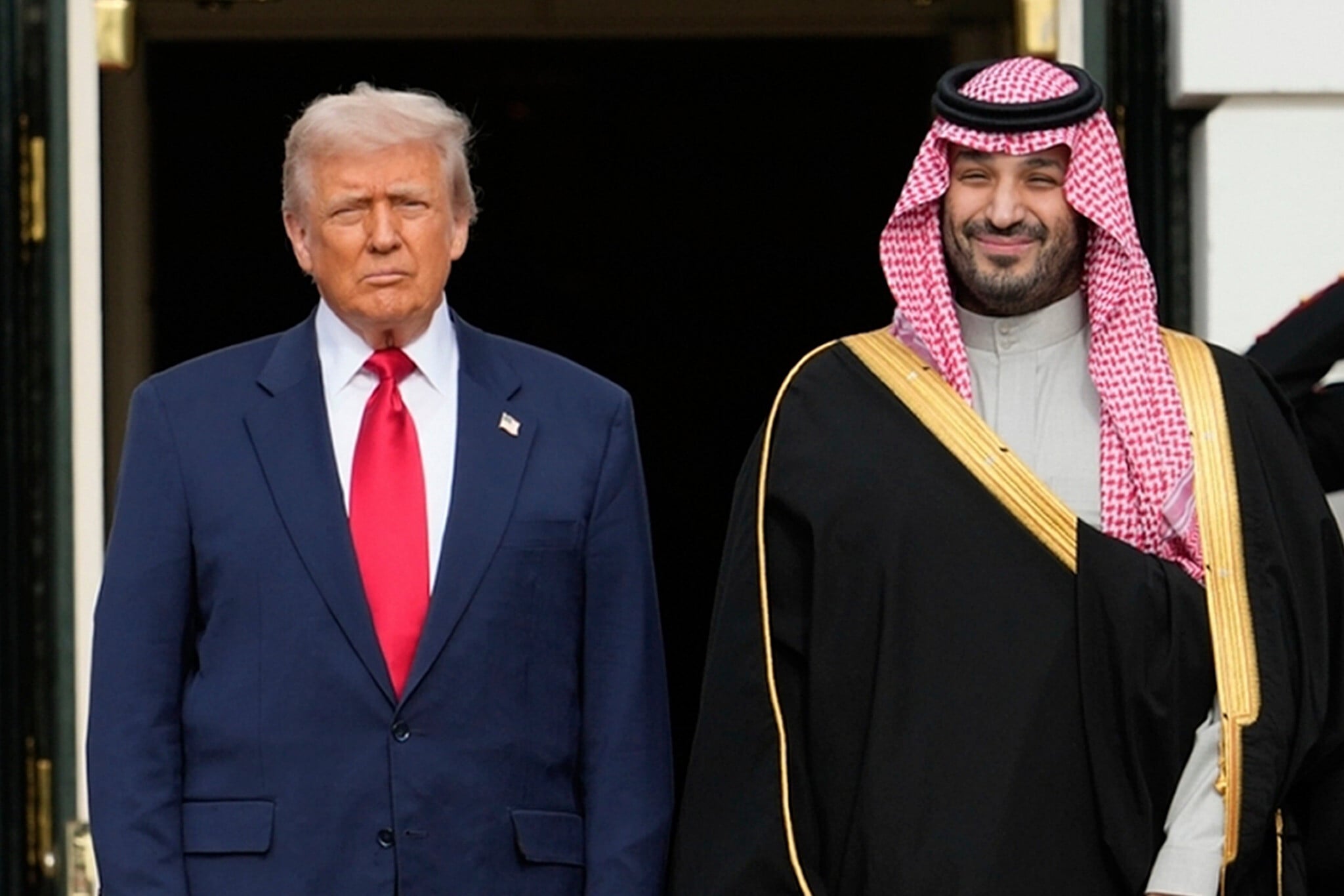
Pakistan has said it will not recognize Israel until the establishment of an independent Palestinian state. Qatar, too, has no formal ties with Israel, although Doha is a key US ally and was a central mediator in negotiations between Israel and Hamas throughout the two-year Gaza war, sparked by the October 7, 2023, Hamas attack.
Axios, citing a US official, said the leaders of the countries Trump spoke to reacted to his normalization request with silence.
“There was silence on the line and Trump joked and asked if they are still there,” one of the officials was quoted as saying.
Apparently undeterred, the US president further claimed in his Truth Social post that “numerous” of the leaders he spoke to “would be honored,” as soon as a deal with Tehran is signed, “to have the Islamic Republic of Iran as part of the Abraham Accords.”
Trump suggested on Sunday that Iran, which is sworn to Israel’s destruction, could “perhaps” join the agreements after a deal is reached.
“The Abraham Accords have proven to be, for the Countries involved (The United Arab Emirates, Bahrain, Morocco, Sudan, and Kazakhstan), a Financial, Economic, and Social BOOM, even during this time of Conflict and War, with the current Members never even suggesting leaving, or taking so much as even a pause,” he continued.
Suggesting that he was indeed envisioning a vastly expanded Abraham Accords framework over simply establishing ties between Israel and its neighbors, Trump declared that “nothing in the past, or in the future, will surpass” it.
“Therefore, I am mandatorily requesting that all Countries immediately sign the Abraham Accords, and that, if Iran signs its Agreement with me, as President of the United States of America, it would be an Honor to have them also be part of this unparalleled World Coalition,” wrote the president.
Such a coalition, he said, would ensure the Middle East becomes “United, Powerful, and Economically Strong, like perhaps no other area, anywhere in the World!”
He added that he had asked his representatives — reportedly Steve Witkoff and Jared Kushner — to immediately “begin, and successfully complete, the process of signing these Countries into the already Historic Abraham Accords.”
Trump’s post suggested that he was seeking to offer Israel an upside in the nascent deal to end the war with Iran, whose reported terms have set off alarm bells in Jerusalem. Channel 12 reported on Sunday that senior Israeli officials have warned that, “As it seems, [the agreement] does not serve Israel’s interest.” Other officials have been quoted as calling it a bad deal and highly problematic for Israel.
Israeli officials are concerned that the deal, which would reportedly begin with a 60-day extension of the ceasefire, does not address Tehran’s nuclear and ballistic missile programs or its support for regional proxies, delaying negotiations on these and other key war goals. According to the report, officials fear the deal would grant Iran time for economic and military recovery, after which “it will be hard for the Americans and us to go back and fight.”