The Hezbollah terror group fired at least 50 rockets at northern Israel in the predawn hours of Sunday, with the Israel Defense Forces saying it shot down several of the projectiles as others hit open areas.
The barrage, one of the heaviest since the start of hostilities in October, came amid a weekend of strikes by Israel on the Iran-backed terror group’s sites, including one far in the northeastern part of the country shortly after midnight on Sunday, that Hezbollah said prompted the rocket fire in response.
Israel has been launching airstrikes deeper and deeper into Lebanese territory against Hezbollah positions for several weeks as the terror group steps up its attacks, heightening the threat of open warfare and an expansion of the ongoing conflict in the Gaza Strip to Israel’s south.
The IDF on Sunday morning confirmed reports of an airstrike in the northern Lebanese city of Baalbek, saying its fighter jets targeted a Hezbollah weapons manufacturing plant.
It also confirmed Hezbollah’s claim to have fired a retaliatory barrage of rockets at northern Israel, saying it detected some 50 launches that crossed into Israeli territory. Hezbollah claimed to have fired 60 rockets, indicating several of the rockets fell short in Lebanon.
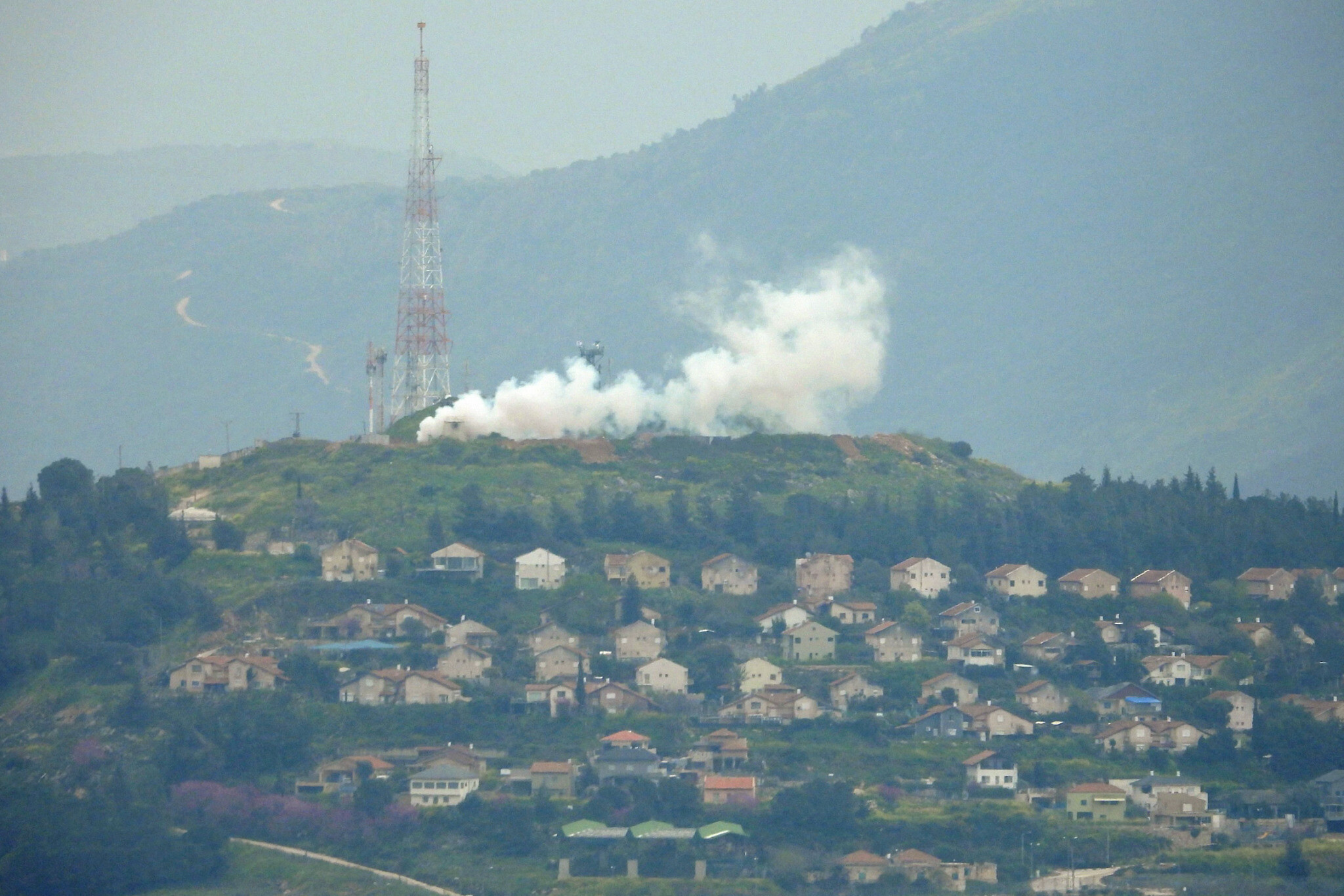
The large rocket barrage set off sirens in the northern communities of Snir and Odem.
The IDF said several of the Hezbollah rockets were intercepted by the Iron Dome air defense system, while the rest struck open areas. There were no reports of injuries or damage.
Footage posted to social media showed the Iron Dome engaging the rocket barrage, as well as what appeared to be some of the projectiles striking Israel.
In response, the IDF said its aircraft immediately targeted some of the rocket launchers used in the attack.
Earlier, Hezbollah said in a statement that in response to the “bombing of a place in the [northerneastern Lebanese] city of Baalbek” it targeted two army bases in northern Israel with more than 60 Katyusha rockets.
Three people were wounded by the Israeli strikes in Baalbek, one of which hit a two-story building, an AFP correspondent said early Sunday.
Baalbek, an area identified in the past as a Hezbollah stronghold, is nearly 100 kilometers from the Israeli border. Sunday’s strike marked the fourth time amid the war in Gaza that Israel struck Hezbollah positions in the Baalbek area.
The IDF said in a statement that fighter jets “struck a Hezbollah manufacturing site containing weapons in the area of Baalbek.”
It also released footage showing the strike.
The AFP correspondent said the Israeli strikes targeted a Hezbollah center in al-Osseira, on the outskirts of Baalbeck that had been deserted for some time, wounding three residents in nearby buildings.
Governor Bashir Khodr said on social media platform X that three people had been wounded.
The Baalbek strike and rocket fire from Hezbollah came after earlier Saturday Hezbollah claimed to have launched two bomb-laden drones at Iron Dome batteries in northern Israel. According to the IDF, no damage or injuries were caused in the attack and the incident was being investigated.
Hezbollah also launched a number of rockets and missiles at the Mount Dov, Margaliot, and Shomera border areas, causing no injuries, according to the IDF.
The IDF also said Saturday it struck three Hezbollah sites in southern Lebanon.

Smoke billows from the area of an Israeli air strike on the southern Lebanese village of Khiam near the border with Israel on March 23, 2024. (Rabih Daher/AFP)
Since October 8, Hezbollah-led forces have attacked Israeli communities and military posts along the border on a near-daily basis with rockets, drones, anti-tank missiles, and other means, with the group saying it is doing so to support Gaza amid the war there. Hezbollah is an Iranian proxy in Lebanon and Palestinian terror groups Hamas and Palestinian Islamic Jihad are backed by Iran.
The IDF has regularly responded with strikes in Lebanon, while warning it will no longer tolerate Hezbollah’s presence on the frontier and warning of war in the north should ongoing international efforts fail to remove the terror group’s forces from the border area.
The war in Gaza erupted after Hamas’s October 7 massacre, which saw some 3,000 terrorists burst across the border into Israel by land, air and sea, killing some 1,200 people and seizing 253 hostages, mostly civilians.
Vowing to destroy Hamas, Israel launched a wide-scale military campaign in Gaza. Hamas’s Iran-backed ally Hezbollah responded with strikes and attacks on the northern front.
So far, the skirmishes on the northern border have resulted in seven civilian deaths on the Israeli side, as well as the deaths of 10 IDF soldiers and reservists. There have also been several attacks from Syria, without any injuries.
A pair of Israeli airstrikes on March 12 near Baalbek killed at least two people and wounded 20, marking a continuing escalation between Israel and Hezbollah over the war Israel is fighting with Hamas in Gaza.

Smoke billowing in the northern border town of Metula as it was targeted by projectiles fired from terror groups in Lebanon, as seen from the southern Lebanon town of Marjayoun, March 21, 2024. (Rabih Daher/AFP)
Hezbollah has named 244 members who have been killed by Israel during the ongoing skirmishes, mostly in Lebanon, but some also in Syria. In Lebanon, another 42 operatives from other terror groups, a Lebanese soldier, and at least 50 civilians, three of whom were journalists, have been killed.
Amid the constant attacks from Lebanon, Israeli officials maintain the country will no longer accept Hezbollah’s presence along the border, which is in contravention of the UN resolution that ended the 2006 Second Lebanon War. They say from those positions, the terrorists could launch an attack similar to Hamas’s October 7 attacks in southern Israel.
Jerusalem also says the situation whereby tens of thousands of northern residents have been driven from their homes for months by Hezbollah’s attacks is intolerable and unsustainable.
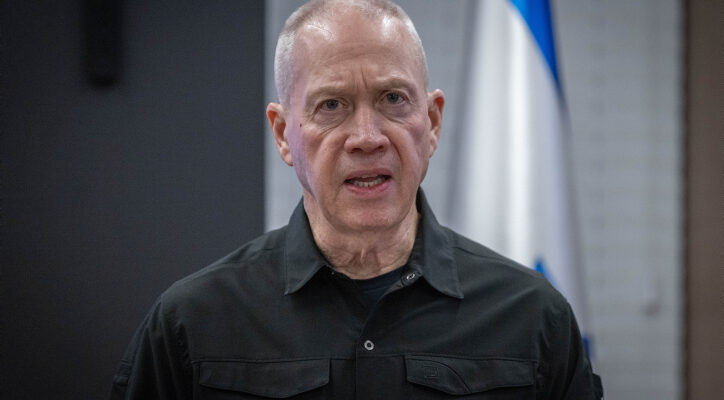
Defense Minister Yoav Gallant warned in February that a possible truce in Gaza would not affect Israel’s “objective” of pushing Hezbollah back from its northern border, by force or diplomacy.