Hopes are dimming that an agreement to release hostages kidnapped by Hamas on October 7 and to secure a temporary truce to pause the fighting in Gaza can be reached before the start of Ramadan next week, according to a New York Times report late Wednesday citing US and Mideast officials.
The US has been pushing hard for an agreement before the Muslim fasting month begins on March 10, and has called on Hamas to accept the terms of a framework worked out in Paris last month that would put in place a six-week pause in fighting and free some 40 hostages, including women, children, female soldiers and elderly or ill abductees — in an initial phase in exchange for Palestinian security prisoners.
According to the report, the discussions have involved terms for releasing at least 15 prisoners convicted of serious acts of terrorism in exchange for the female soldiers taken on October 7, and for Israel to free hundreds of other detainees or prisoners, “at an average of 10 Palestinians for every Israeli civilian freed,” officials told the publication.
But as talks appeared to stall given Hamas’s insistent demands for a permanent ceasefire, those hopes have diminished, unnamed officials told the New York Times.
Officials briefed on the talks said Hamas has “backed away” from the proposed agreement in Paris, and in addition to a permanent ceasefire, is also demanding the withdrawal of Israeli troops from the Gaza Strip, the return of displaced Gazans to their homes in the northern part of the enclave, and “provisions” for Gazans.
Israel had already agreed to the Paris principles, which called for a “redeployment” of Israeli troops within Gaza — but not a complete withdrawal — and for Israel to enable the return of Palestinian women and children to northern Gaza, from where hundreds of thousands evacuated during the fighting, and which Israel has kept cut off from the rest of the enclave.

Israeli soldiers on the top of a tank near the Israeli-Gaza border as seen from southern Israel, March 6, 2024. (Ohad Zwigenberg/AP)
One regional official told the New York Times that the main sticking point is Hamas’s demand for a permanent ceasefire during or after the three phases of the hostage releases proposed in Paris, which Israel has refused.
Talks have moved from Doha to Cairo in recent days as the negotiations appeared to flounder, according to the report. Israel has not sent a delegation to the talks since Hamas has refused to provide a list of living hostages to secure the deal.
Hamas has said it doesn’t know where all the hostages are. The US has backed Israel’s position and has said the request for a list is legitimate.
Channel 12 reported on Tuesday that Hamas has recently been “mapping out” where Israeli hostages are being held. The unsourced TV report said Israel was therefore giving “a final opportunity” for the negotiations to bear fruit.
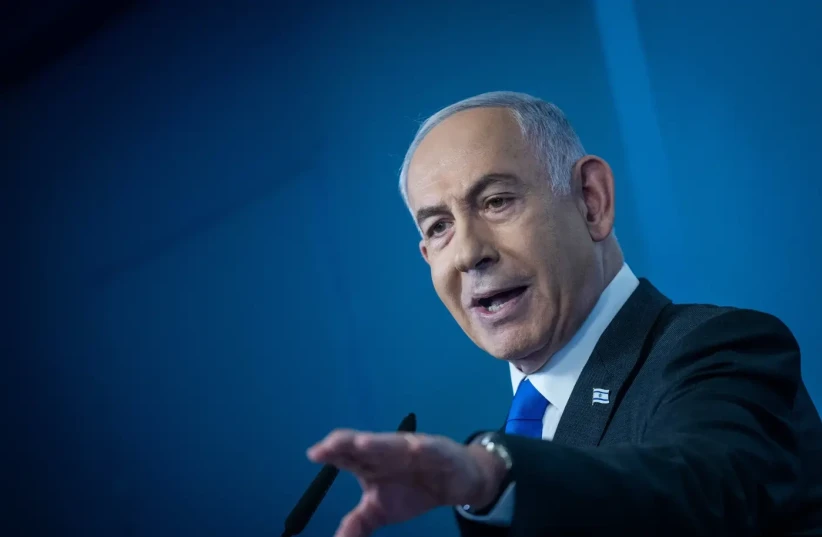
According to the NYT report, the officials believe Hamas has doubled down on its original demands — dismissed by Prime Minister Benjamin Netanyahu as “delusional” — for a variety of reasons, including a belief that drawing out the fighting into Ramadan will weaken Israel and strengthen the terror group. Hamas has called for a march on the flashpoint Temple Mount site in Jerusalem during the Muslim holy month, which the Israelis believe is designed to stir up violence and present an image of the terror group’s strength.
“Hamas, according to people briefed on the talks, believes an action at the mosque will show its strength despite the monthslong Israeli military campaign in Gaza and could increase pressure on Mr. Netanyahu to end the fighting,” the report read.

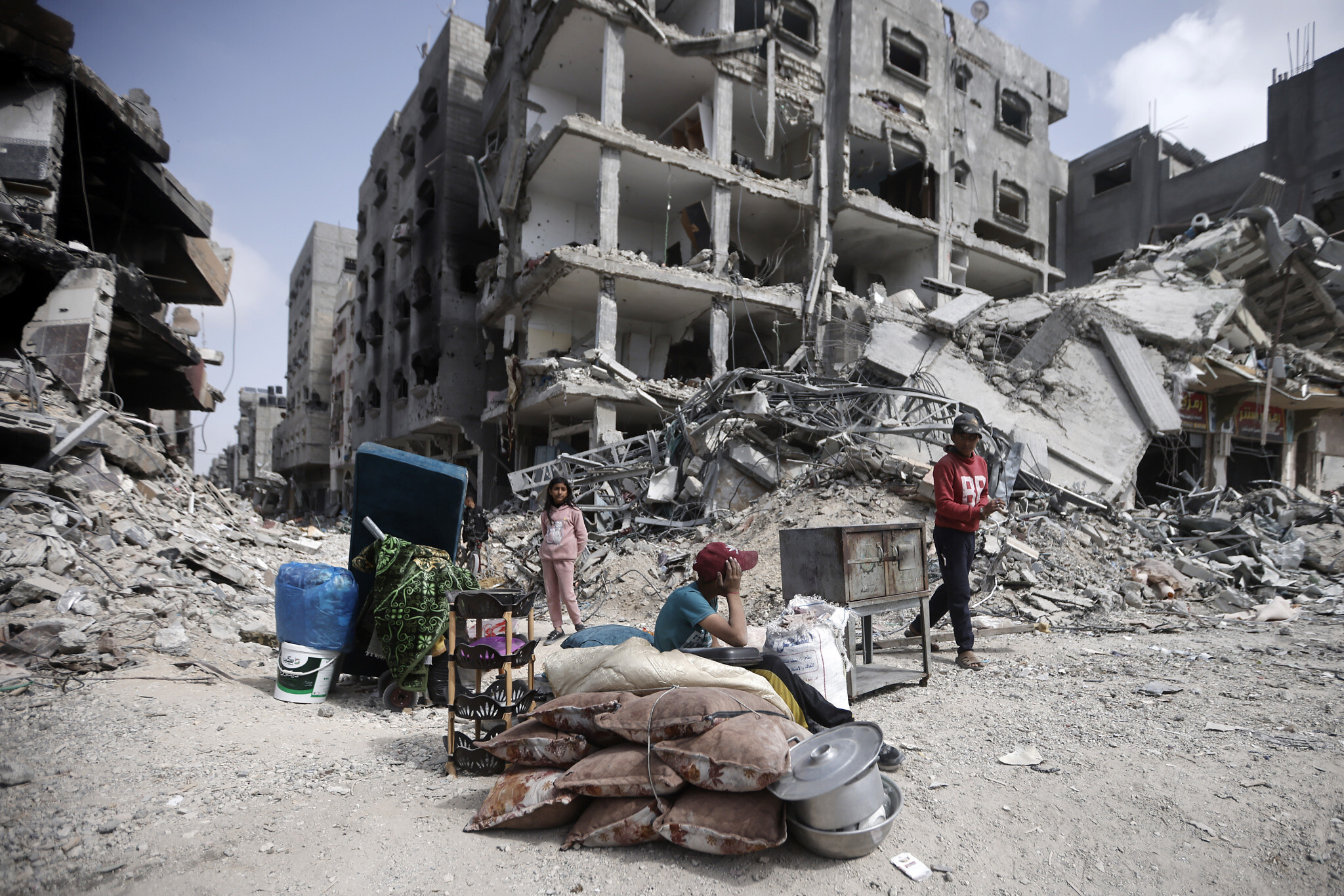
Displaced Palestinians prepare to transport their belongings in a car along a street in Khan Younis in the southern Gaza Strip on March 6, 2024, amid the ongoing conflict between Israel and the Hamas terror group. (AFP)
An incident last week in which dozens of Gazans were killed rushing an aid convoy and which drew international condemnation against Israel, including from the US, has also emboldened Hamas and its position in the talks, some officials believe, according to the report.
Hamas said earlier that Israel has refused to meet the group’s demands for a permanent ceasefire and claimed it has “shown the required flexibility with the aim of reaching an agreement,” indicating it had rejected the current offer.
In a last-ditch effort, mediators from Egypt, Qatar and the US have reportedly begun a push for a short-term pause in fighting for a few days to build trust between the sides.
The Wall Street Journal reported Wednesday that negotiators are proposing a short-term truce lasting only a few days to buy time. The idea is being pushed by both the US and Arab parties to the talks in Cairo, the newspaper said.
However, Israeli officials are reportedly increasingly pessimistic over the likelihood of reaching a hostage and truce deal before Ramadan.
According to similar comments from unnamed officials cited in several Hebrew media reports — generally indicating a coordinated leak — Israel believes that rather than wanting to secure a temporary ceasefire in the coming days, Hamas’s Gaza chief Yahya Sinwar instead wants to escalate the violence further over Ramadan.

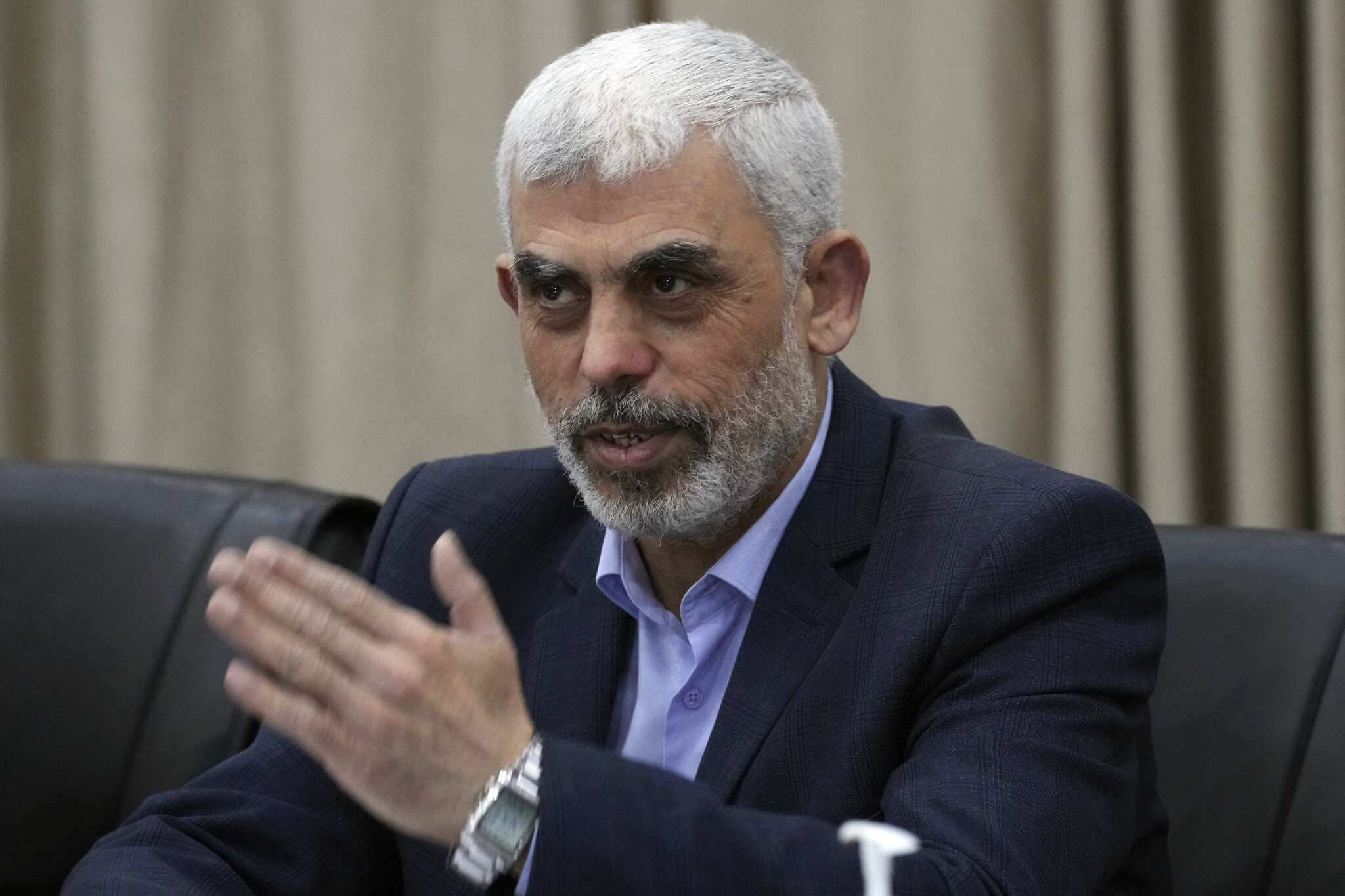
Yahya Sinwar, head of Hamas in Gaza, greets his supporters during a meeting with leaders of Palestinian factions at his office in Gaza City, April 13, 2022. (AP Photo/Adel Hana, File)
Two Egyptian officials said Tuesday that Hamas presented a proposal that mediators would discuss with Israel in the coming days. One of the officials said that mediators would meet Wednesday with the Hamas delegation, which is still in Cairo.
If talks continue on Thursday, they will be headed into a fifth day.
In recent days, US officials have reiterated that a six-week ceasefire has been crafted to allow for the staged release of the hostages and the flow of aid into Gaza, saying Israel has been a constructive player in the talks while Hamas has held them up.
“The hostage deal is in the hands of Hamas right now… There’s been a rational offer. The Israelis have agreed to it… We’ll know in a couple of days if it’s going to happen,” US President Biden told reporters before boarding Air Force One in Maryland on Tuesday.
“There’s got to be a ceasefire because [if] we get into a circumstance where this continues through Ramadan… Israel and Jerusalem… it could be very, very dangerous,” Biden added.
Biden also reiterated that he was pressing “very hard” for Israel to allow more aid into Gaza. “There’s no excuses. None.”

Protesters call for the release of hostages held by terrorists in Gaza, outside the US Embassy Branch Office in Tel Aviv, March 5, 2024 (Tomer Neuberg/Flash90)
The war in Gaza was sparked by the devastating assault by Hamas on October 7, when thousands of terrorists invaded southern Israel, killed nearly 1,200 people, and took 253 hostages, while committing numerous atrocities.
Israel has said it believes 130 hostages taken that day remain in Gaza, but that 31 of them are dead. There were 105 civilians released from Hamas captivity during a weeklong truce in late November, and four hostages were released prior to that. Three hostages have been rescued by troops alive, and the bodies of 11 hostages have also been recovered, including three mistakenly killed by the military.
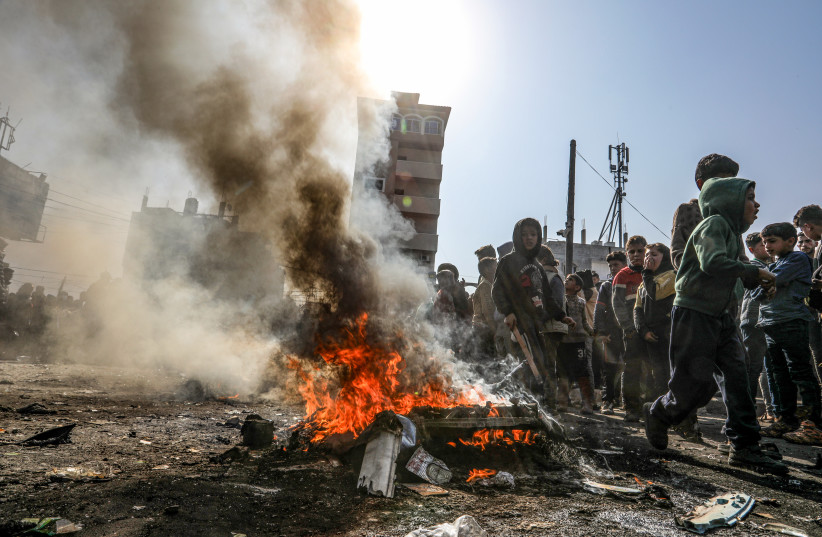
Vowing to dismantle the Palestinian terror group, Israel launched an unprecedented ground and air campaign in the Gaza Strip, which has seen about half the Strip’s residences destroyed, displacing over a million people, many of whom face the risk of starvation, according to UN agencies.
Israel’s offensive aimed at destroying Hamas has killed 30,717 people, according to the Hamas-run health ministry in Gaza. That figure cannot be independently verified and includes some 13,000 Hamas terrorists Israel says it has killed in battle. Israel also says it killed some 1,000 gunmen inside Israel on October 7.
Agencies contributed to this report.