Agreement said to stipulate that Tehran will limit uranium enrichment in exchange for sanctions relief
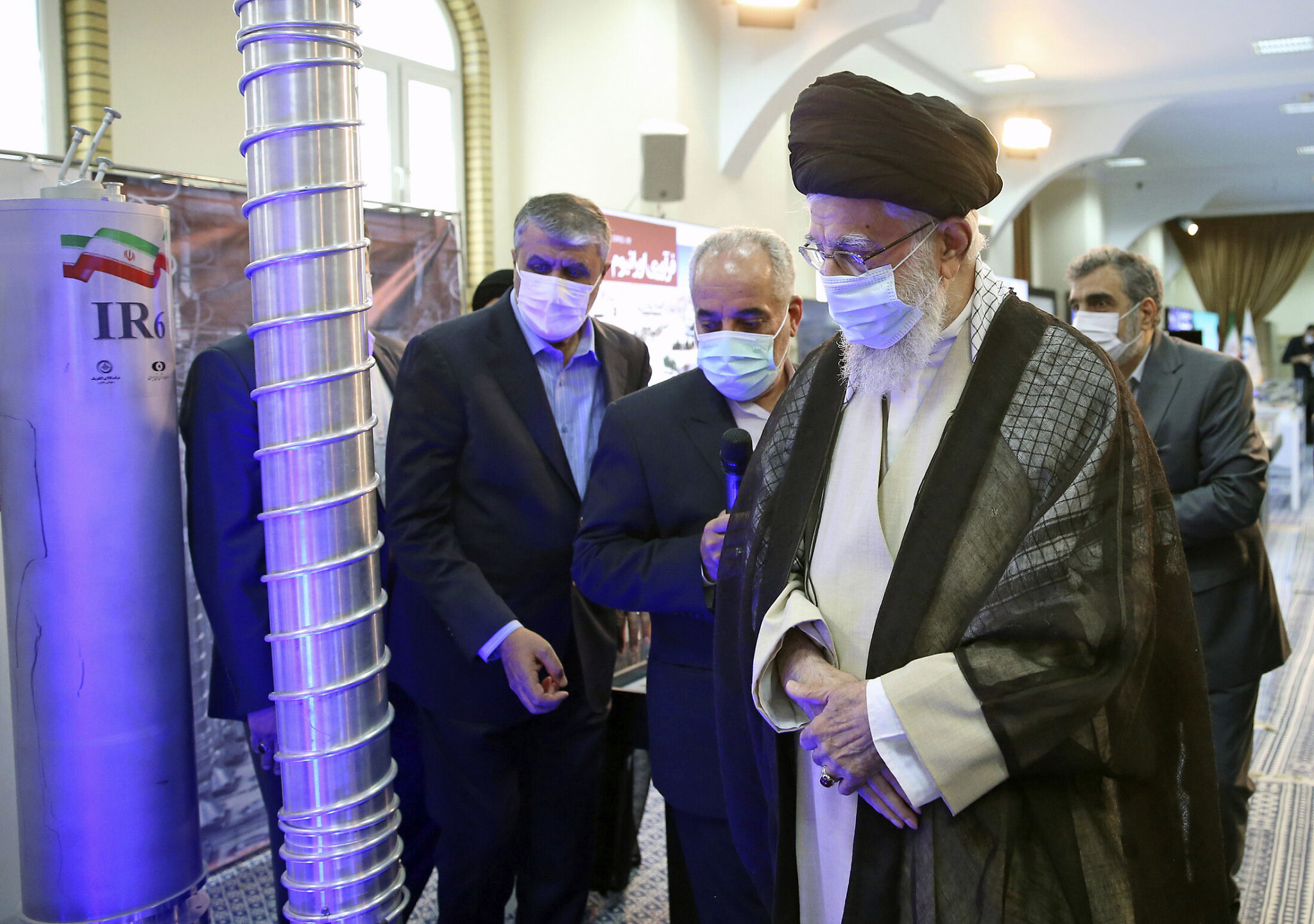
Prime Minister Benjamin Netanyahu on Tuesday informed officials about the details of a potential nuclear deal between the US and Iran that Israel would be able to accept, according to reports in Hebrew media.
Netanyahu downplayed the US-Iran negotiations as closing in on a “mini-agreement, not an agreement,” the reports by Walla and Channel 13 said, citing several unnamed lawmakers who took part in the closed-door, three-hour meeting of the Knesset’s Foreign Affairs and Defense Committee.
“What’s on the agenda at the moment between Washington and Tehran is not a nuclear deal, it’s a mini-deal,” Netanyahu was reported to say. “We will be able to handle it.”
“This isn’t the deal we knew,” the prime minister reportedly said, referring to the 2015 nuclear deal staunchly opposed by Jerusalem, which Washington left in 2018.
Participants at the meeting told Channel 13 that Netanyahu had indicated that Israel “could live with” the impending agreement.
Walla said the deal apparently includes a stipulation that Iran will not enrich uranium above 60 percent, and in exchange, the US will release Iranian funds that are being held abroad under sanctions. The two sides would also carry out a prisoner exchange.
The most recent estimate by the International Atomic Energy Agency is that Iran has 114.1 kilograms (251 pounds) of uranium enriched to 60% purity — a level for which nonproliferation experts already say Tehran has no civilian use.
Netanyahu’s comments came after a US official confirmed late Monday that Washington was in contact with Iran regarding the long-stalled nuclear talks, but denied that discussions on an interim agreement were taking place.
Those comments, reported by Reuters, came hours after Iran appeared to acknowledge that talks were taking place, with the country’s Foreign Ministry thanking Oman for its role as mediator.
The US official, speaking on condition of anonymity, said Washington had communicated with Iran to warn it regarding which of its actions could be met with belligerence or, conversely, help facilitate more productive negotiations.
“There are no talks about an interim deal,” the US official said. “We have made clear to them what escalatory steps they needed to avoid to prevent a crisis and what de-escalatory steps they could take to create a more positive context.”
The US official declined to detail what steps Iran had been told to avoid or encouraged to take, but indicated that Washington was seeking greater cooperation between Tehran and the International Atomic Energy Agency watchdog.
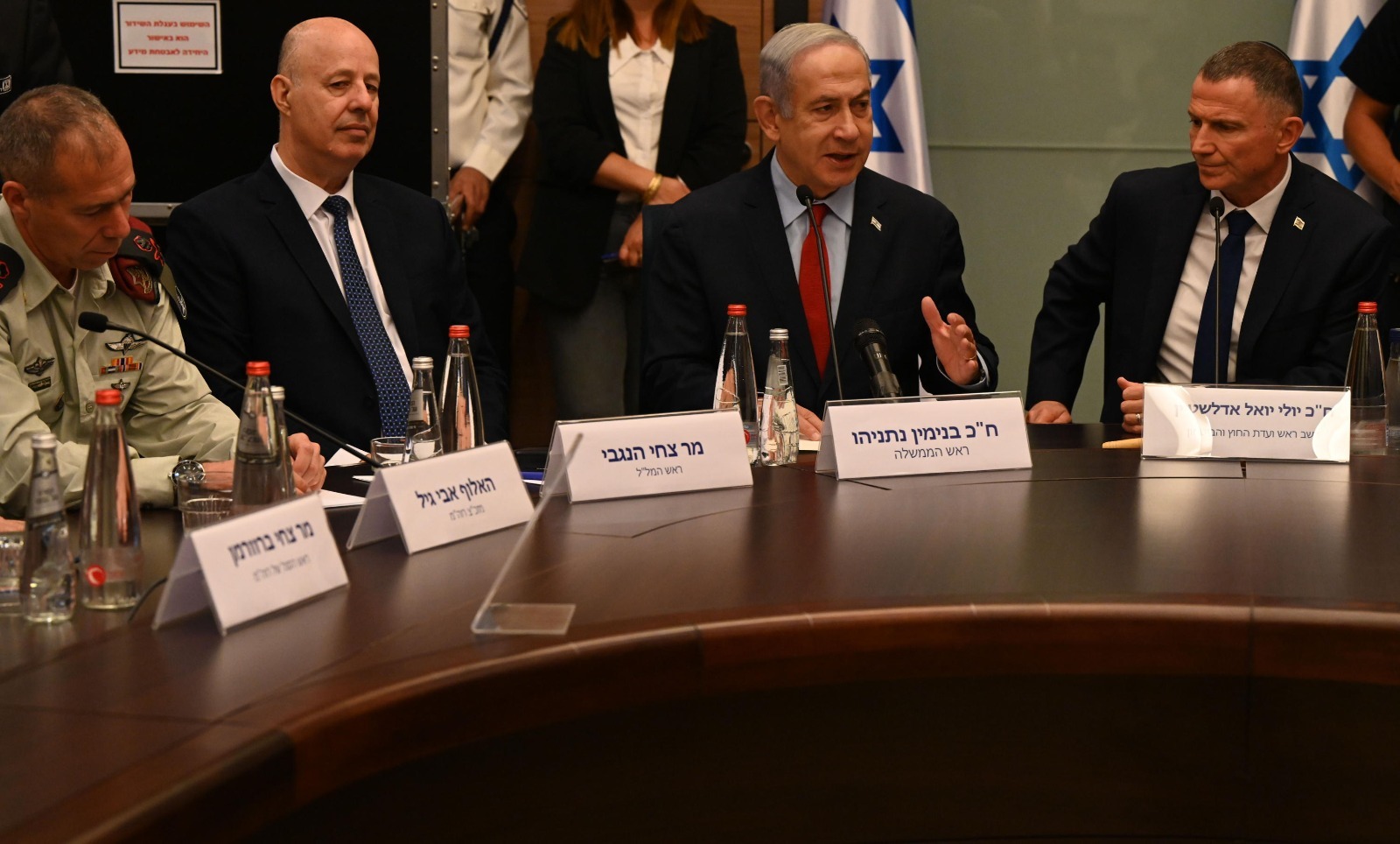
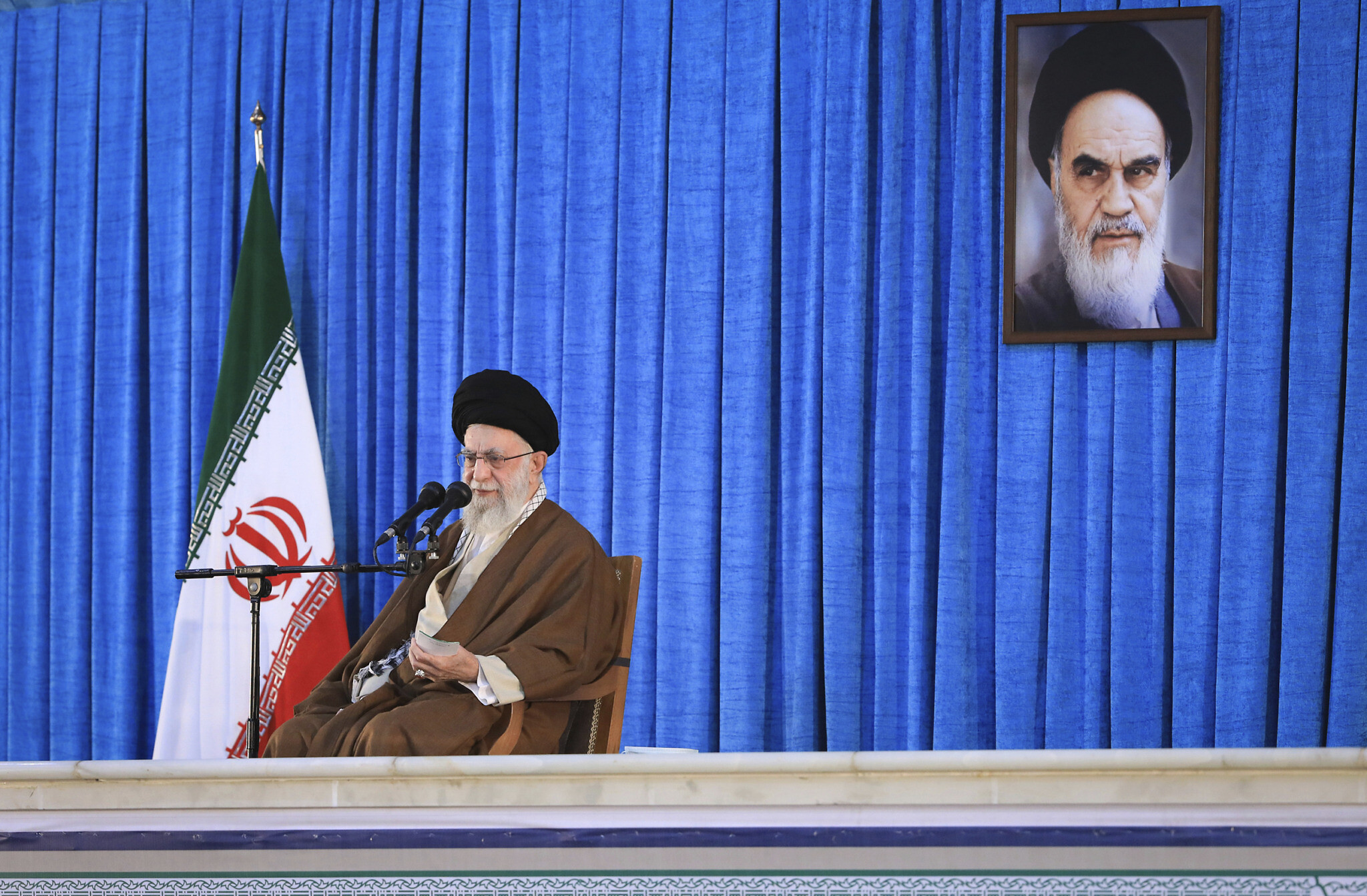
On Sunday, Iranian Supreme Leader Ayatollah Ali Khamenei expressed support for an agreement on the country’s nuclear program with the West, but added that “the existing infrastructure of the nuclear industry should not be touched.”
He claimed that the international community was powerless to keep Iran from a nuclear weapon if it sought one, but also urged cooperation with the IAEA while warning against succumbing to “bullying” based on “unfounded claims.”
On Monday, Iranian Foreign Ministry spokesperson Nasser Kanaani said Tehran was not interested in an interim agreement with Washington, but would consider a revival of the 2015 nuclear deal, which had offered sanctions relief for enrichment curbs before the US pulled out in 2018.
Iran insists that its nuclear program is for civilian use only and that it is not seeking nuclear weapons capabilities.
Netanyahu on Tuesday sent a message to the US that Israel would not see itself bound by any agreement Washington might reach with Iran over its nuclear program.
Speaking at the start of a meeting of the Knesset Foreign Affairs and Defense Committee, the prime minister appeared to react to the reports that Washington was in renewed contact with Iran.
Netanyahu said that over the years, Iran had replaced the Arab nations as the principal threat to Israel.
“More than 90 percent of our security issues stem from Iran and its [proxies],” he said, comparing them to a spreading cancer. “Our position is clear: Israel will not be bound by any deal with Iran and will continue to defend itself.”
Netanyahu said Israel remained opposed to a return to the original 2015 nuclear deal, which the US pulled out of under former president Donald Trump.
“We are working to stop Iran and, on the other hand, we are making great efforts to expand the circle of peace. These things present us with great challenges, but also possibilities,” Netanyahu said.
Israel was not a party to the original nuclear deal between Iran and world powers, which Netanyahu lobbied hard against. Efforts by Europe and US President Joe Biden’s administration to revive the agreement and bring Washington back into the pact have also been met with protests from Jerusalem.
Israel argues that diplomatic efforts fall short of preventing Iran from obtaining a nuclear weapon, and instead advocates a credible military threat.