
Tel Aviv under ballistic missile fire as sirens sound across city
Fox News correspondent Nate Foy reports on sirens sounding across Tel Aviv as explosions can be heard in the distance on ‘The Ingraham Angle.’
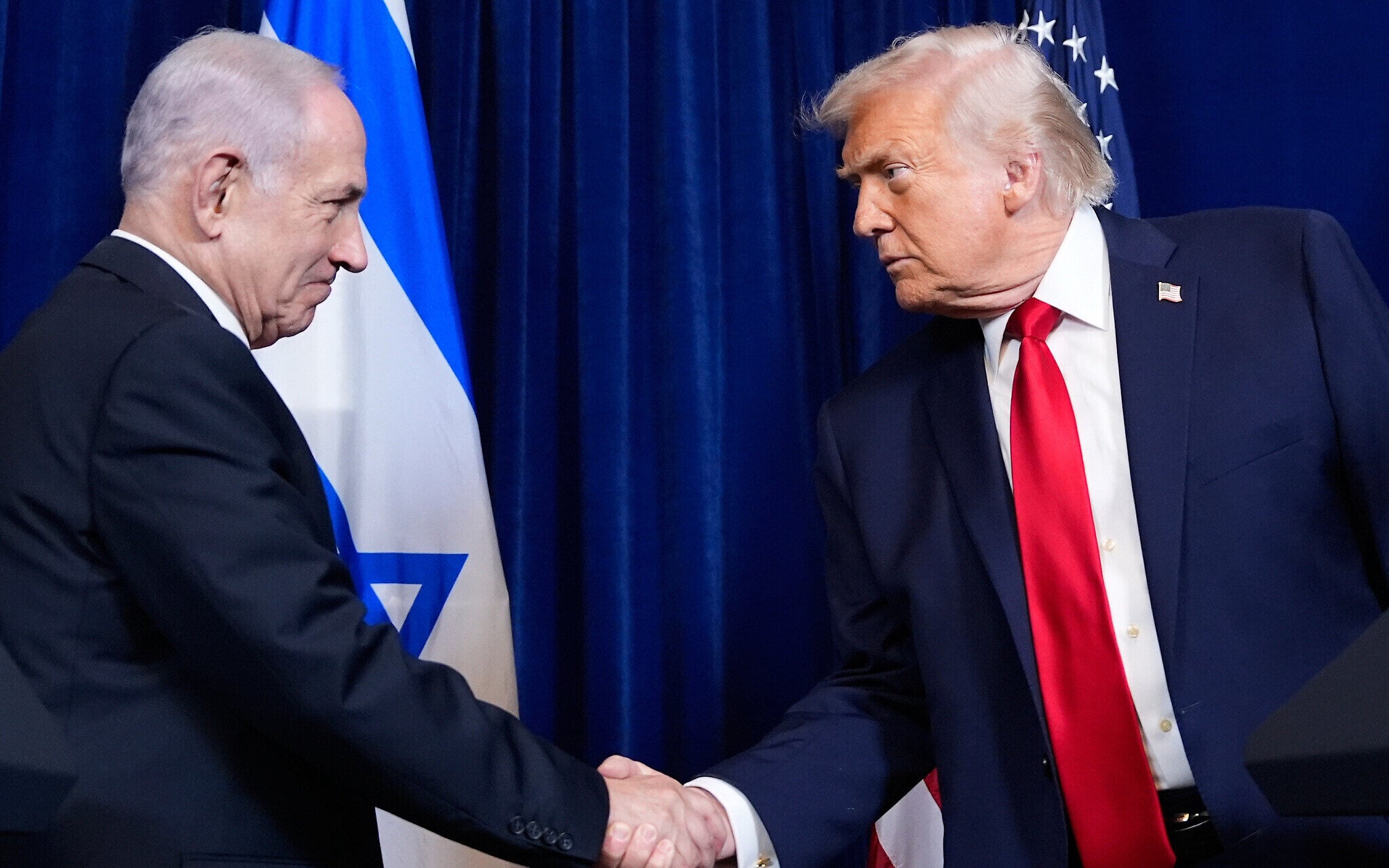
Hezbollah and Iran launched a coordinated strike strategy Tuesday, a national security expert claimed, as reports emerged that deadly cluster munitions were hitting Israel in synchronized attacks.
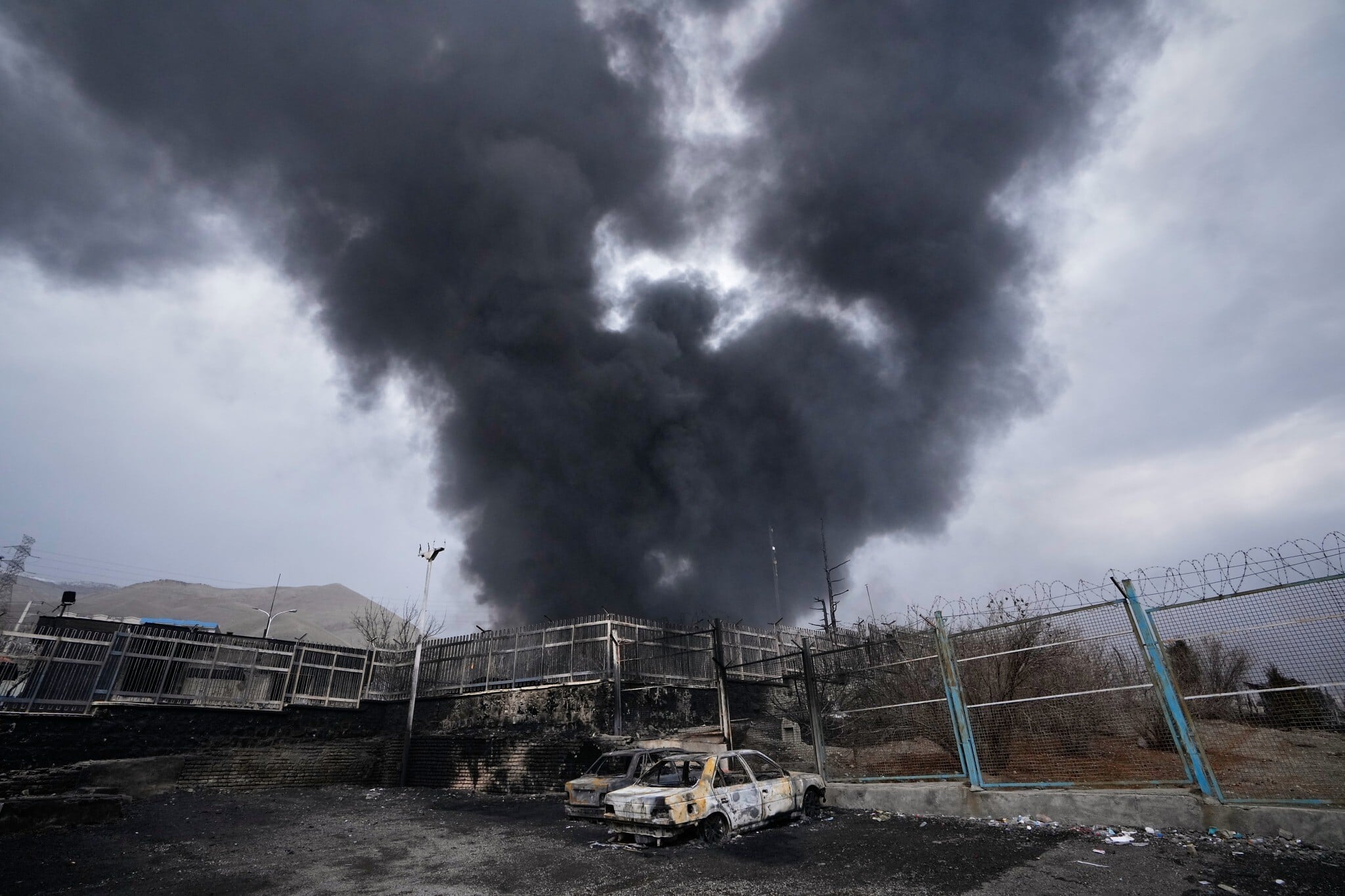
The developments unfolded on day 11 of Operations Epic Fury and Roaring Lion, the joint U.S.-Israeli campaign targeting Iran, marking a potential escalation in the widening regional conflict.
“Hezbollah has fully joined the war, and it looks like they are now very well coordinated with Iran,” Kobi Michael, a senior researcher at the Institute for National Security Studies and the Misgav Institute, told Fox News Digital while speaking from his bomb shelter near Tel Aviv.
“Most of Hezbollah’s rockets and drones are launched simultaneously with the Iranian missiles,” he said.
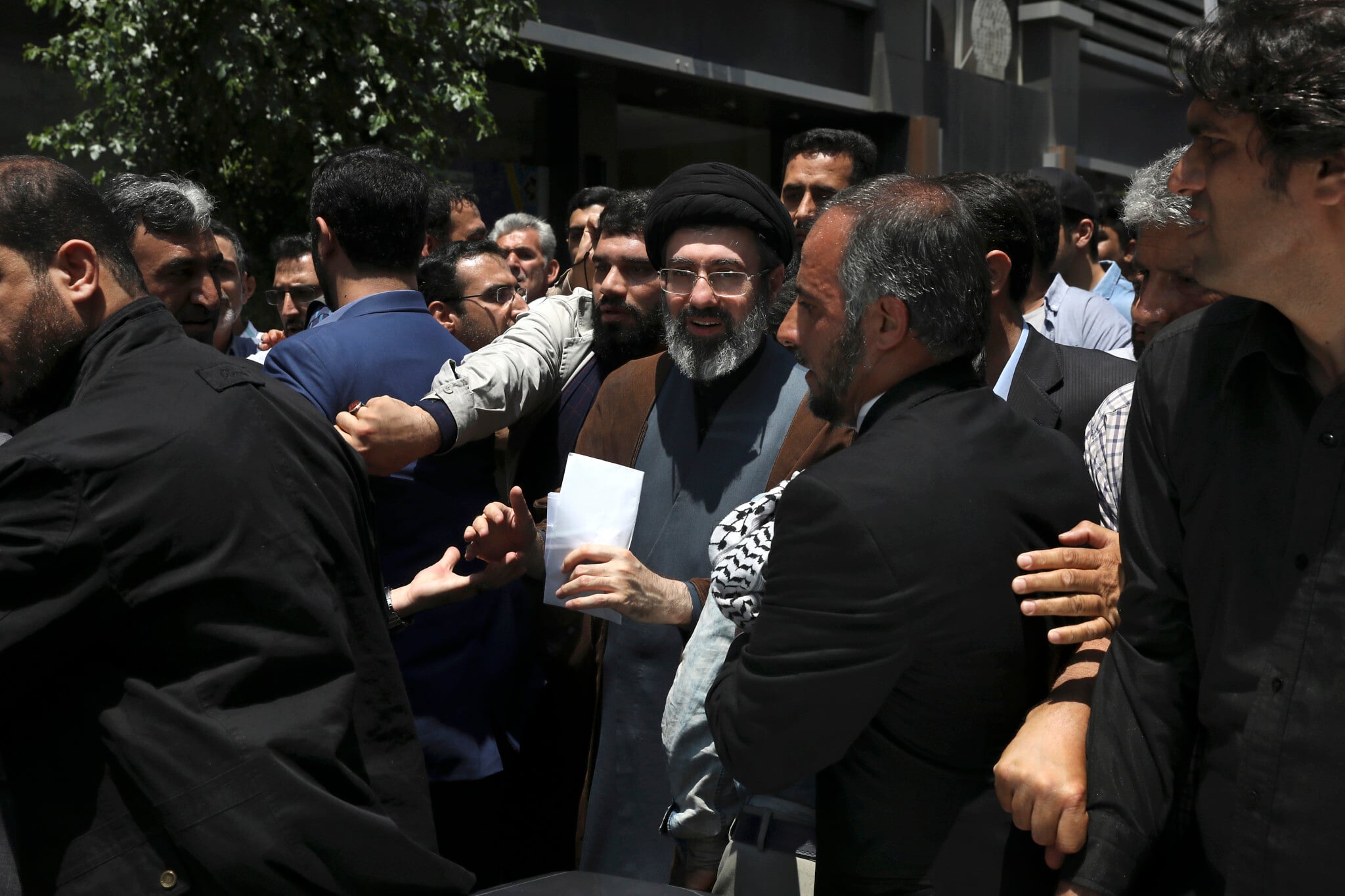
IRAN’S SENIOR CLERICS ‘EXPOSED’ AFTER BUILDING STRIKE IN QOM, SUCCESSION CHOICE LOOMS

Explosions from projectile interceptions by Israel’s Iron Dome missile defence system over Tel Aviv. (JACK GUEZ / AFP via Getty Images)
Israel confirmed Tuesday that Iran had been firing cluster munitions — adding a complicated and deadly challenge to Israel’s stretched air defenses, The Associated Press reported.
The warheads burst open at high altitudes, scattering dozens of smaller bomblets across a wide area. The smaller bombs, which at night can resemble orange fireballs, are difficult to intercept and have proven lethal.
Fox News correspondent Nate Foy also said despite Israel’s strong air defense, half of the missiles are hard to defend against because half of the missiles are cluster munitions.
“The Iranian use of cluster missiles and the idea that they deliberately target civilians and civil facilities must be considered as a use of non-conventional weapons, and the American-Israeli response must be appropriate,” Michael urged.
Banned by more than 120 nations under the 2008 Convention on Cluster Munitions, the weapons are widely condemned for their broad-area, indiscriminate effects that often result in catastrophic civilian harm.
IRAN PROXIES WAGE WAR ON ISRAEL, THREATEN US INTERESTS AS IRAQ SLAMMED FOR NOT DISARMING THEM

Smoke and dust rise after an Israeli strike on Beirut’s southern suburbs, following an escalation between Hezbollah and Israel amid the U.S.-Israeli conflict with Iran, Lebanon. (Mohamed Azakir/Reuters)
Michael spoke as Reuters reported Hezbollah was applying lessons from its last war with Israel as it prepares for a possible full-scale Israeli invasion and protracted conflict.
It said sources claimed the group was returning to its roots in guerrilla warfare in south Lebanon.
“Operating in small units, fighters from the Iran-backed group are avoiding the use of communication devices that could be at risk of Israeli tapping and are rationing the use of key anti-tank rockets as they engage Israeli troops,” said the sources, familiar with Hezbollah military activities.
Michael also said that the “north of the country, toward the Haifa area, is under heavy bombing.”

Hezbollah terrorists are taking part in cross-border raids, part of a large-scale military exercise, in Aaramta, bordering Israel, on May 21, 2023 ahead of the anniversary of Israel’s withdrawal from southern Lebanon in 2000. (Fadel Itani/NurPhoto via Getty Images)
“Israeli citizens have to spend most of the time in the shelter rooms as Hezbollah and Iran deliberately target civilians and civilian facilities,” he said.
“Tel Aviv is still under an emergency routine, with sirens continuing and many people spending a lot of time in the bomb shelter rooms,” he added before highlighting that “Israel is a small country and will not be able to continue containing such asymmetry and this type of attrition war.”
As of Tuesday night local time, the IDF said it had launched a wave of airstrikes against Hezbollah infrastructure in Beirut’s southern suburbs.
This came after the military reiterated its warning to evacuate the area, a Hezbollah stronghold known as the Dahiyeh.
In a post shared on X, the IDF said: “This is what we’re operating against.”
Reuters sources also claimed much of Hezbollah’s fighting on the ground had been focused so far near the town of Khiyam, near the intersection of Lebanon’s border with Israel and Syria.
This is one area where Hezbollah believes any Israeli land invasion could begin. Hezbollah’s elite Radwan fighters, who withdrew from the south following the 2024 ceasefire, had also returned to the area, it said.
TRUMP SAYS IRAN IS ‘RUNNING OUT OF LAUNCHERS’ AS REGIME IS ‘BEING DECIMATED’

A man carries shoes from his destroyed house that was hit by Israeli airstrikes hit several houses in Sir al-Gharbiyeh village south Lebanon, Sunday, March, 8, 2026. (Mohammed Zaatari/AP Photo)
“Israel will no doubt take control over a wide territory in south Lebanon, from the international border to the Litani River, in order to establish a security buffer zone,” Michael said.
“This will prevent Hezbollah from attacking the Israeli villages and towns in the north of the country and will intensify the attacks against Hezbollah all over Lebanon,” Michael added.
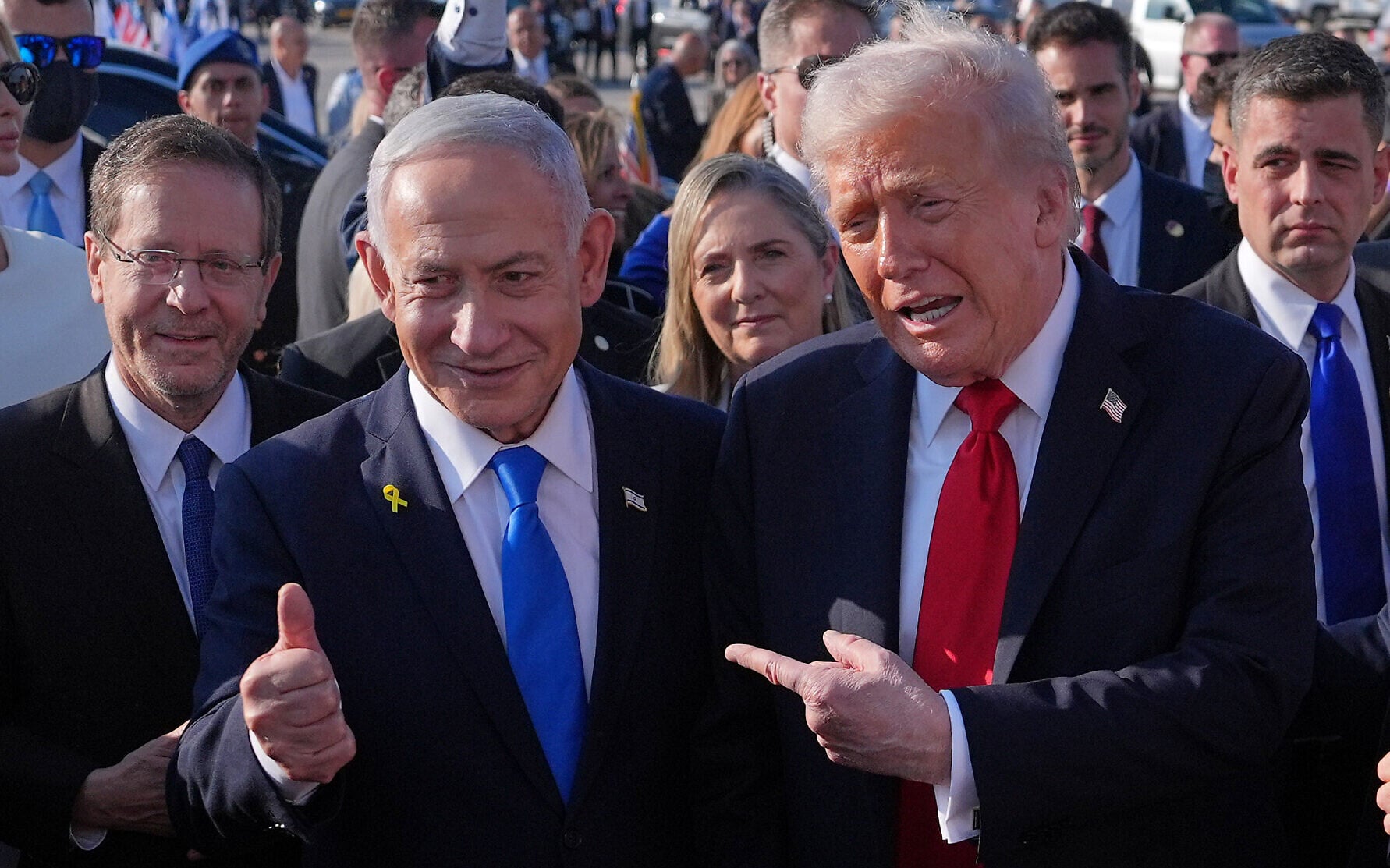
“We hope that President Trump will not stop or use the formula he used with the Houthis, declaring victory and leaving the wounded lion incapable of revenge and/or reconstituting itself.”
Meanwhile, an Israeli military official, speaking anonymously under army briefing rules, said Tuesday that roughly half of the projectiles Iran was launching toward Israel were now cluster bombs, The Associated Press said.