
The message was unmistakable: ‘We chose not to hit your nuclear sites this time, but we could have done worse right here,’ sources told the Post.
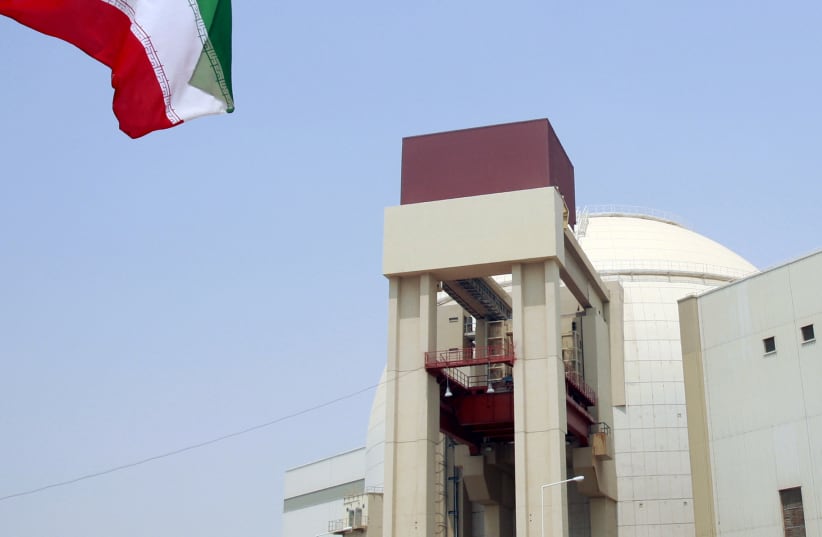
The message was unmistakable, ‘we chose not to hit your nuclear sites this time, but we could have done worse right here,’ sources told the Post.
Israel sends a clear message to Iran
In other words, the attack at Isfahan was designed not only to hurt Iran but also to make it eminently clear how vulnerable to attack its nuclear sites are.
Long-range missiles from aircraft were used to avoid Tehran’s radar detection capabilities.
This could be done again at any time.


At the same time, by not attacking the actual nuclear site at Isfahan or other nuclear sites at Natanz and Fordow, the attacker signaled to Iran that it was not seeking a spiraling and escalating regional war.
A nuanced attack
This was a very nuanced middle-of-the-road attack, designed to threaten optimally for the future but also reduce the likelihood of another Iranian counter-strike following the Islamic Republic’s launching around 350 aerial threats at the Jewish state last weekend.
Whether it will work, both stopping Iran from moving forward with its nuclear program and deterring it from copying its strike on Israel last weekend while also avoiding an escalation into a larger war, will remain to be seen in the coming days and weeks.
