
Via US-led truce mechanism, Jerusalem reportedly threatens to continue stepped-up strikes, saying terror group has smuggled hundreds of rockets and recruited thousands of members
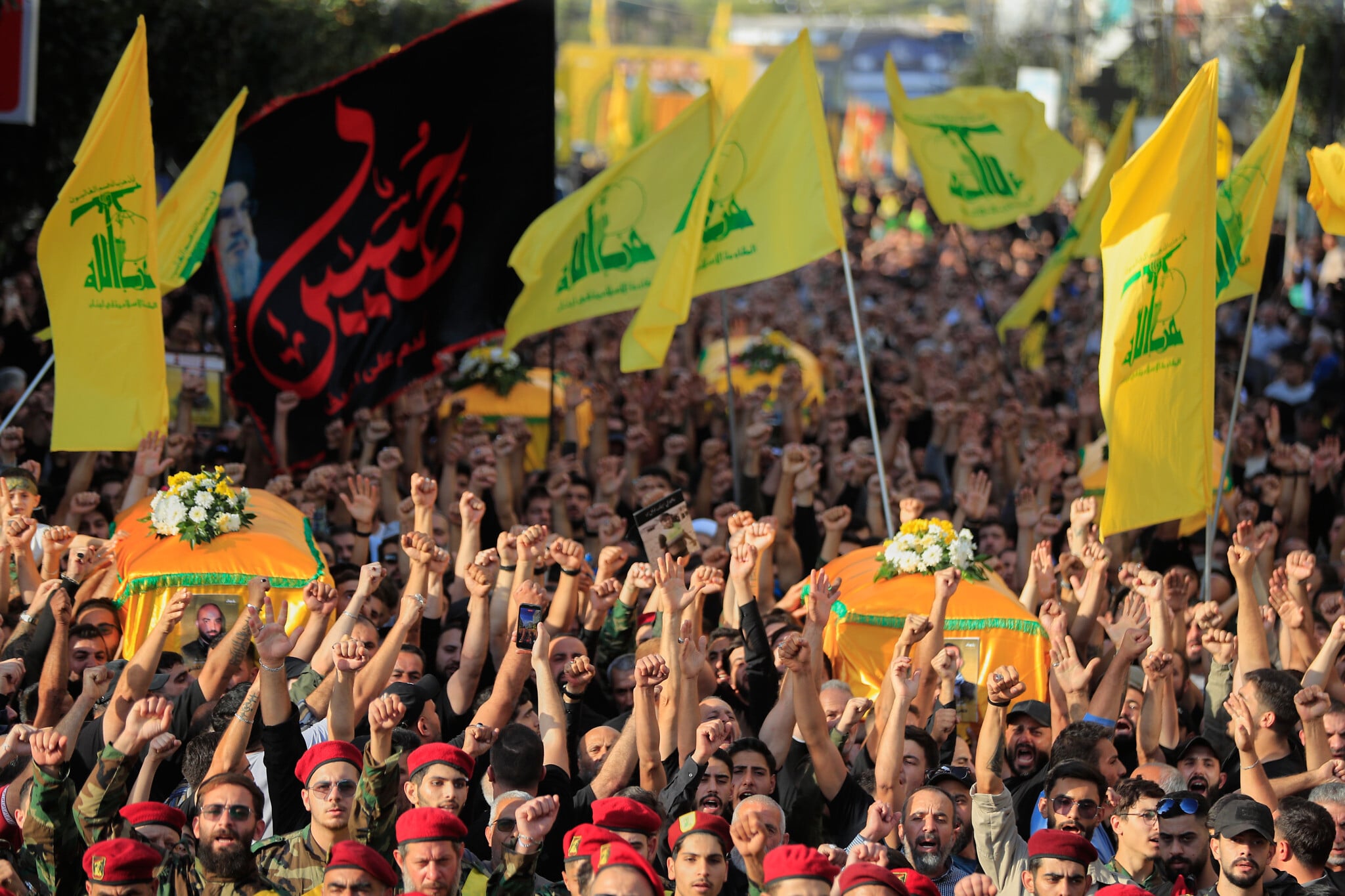
Israel has warned Lebanon’s army that it is not satisfied with the actions taken so far against the Hezbollah terror group, vowing to continue its stepped-up bombing campaign unless the situation changes, a report said Saturday.
In a message relayed recently via the US-led mechanism to enforce the ceasefire between the countries, Jerusalem said Beirut hasn’t sufficiently been working to disarm Hezbollah, listing several steps the Iran-backed terror group has been taking, undisturbed, to rebuild its force, according to the Kan public broadcaster.
The unsourced report said Israel cautioned that Hezbollah is working to replenish its arsenal, in violation of the ceasefire reached last year, which required it to disarm.
The report said that in recent weeks, Hezbollah has smuggled hundreds of rockets from Syria into Lebanon, restored missile launchers damaged in the fighting with Israel, and enlisted thousands of new recruits.
“You aren’t doing enough against Hezbollah, not in pace and not in scale,” the broadcaster quoted the Israeli message to Lebanon as saying. “Without significant action in rural areas and private property, Israel will continue to forcefully attack.”
Since the ceasefire was reached in November 2024, Israel has carried out many strikes on Hezbollah targets it says posed an immediate threat, which the truce terms allow it to act against.
The Israel Defense Forces has recently stepped up these strikes, killing three Hezbollah members in two separate strikes on Saturday, after an intense bombing campaign on Thursday.
The European Union condemned the strikes and asked Israel to respect the ceasefire.
“The EU calls on Israel to cease all actions that violate resolution 1701 and the ceasefire agreement reached a year ago in November 2024,” the EU’s foreign affairs spokesman Anouar El Anouni stated.
“At the same time, we urge all Lebanese actors and especially Hezbollah to refrain from any measures or responses that could further inflame the situation,” he added.
“Focus by all parties must be on preserving the ceasefire and the progress achieved so far.”
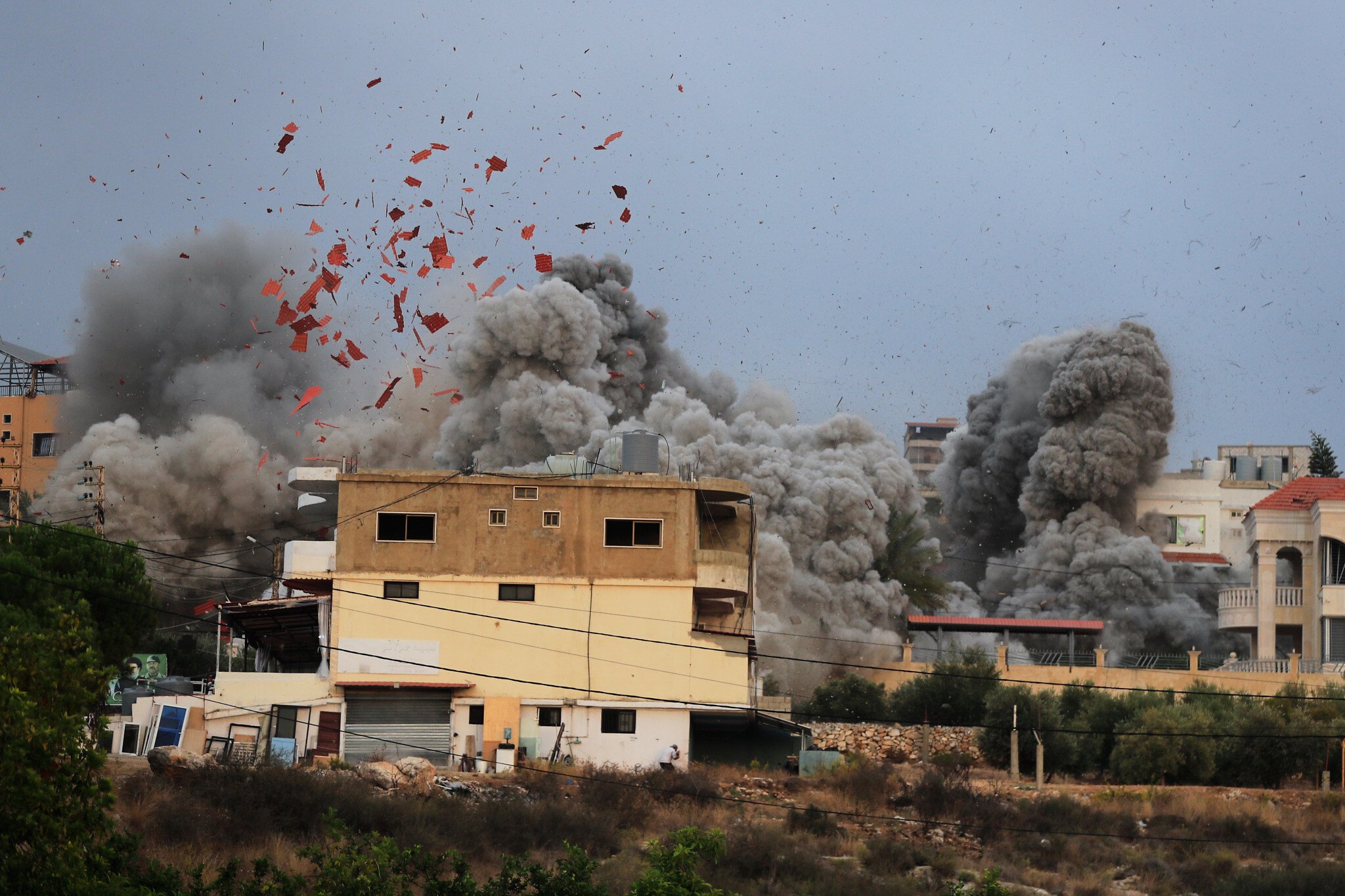
Israel’s war with Hezbollah began on October 8, 2023, when the terror group began firing missiles at the Jewish state a day after the Hamas-led onslaught in the south. Israel launched massive airstrikes and a limited ground incursion in September 2024, killing much of the terror group’s leadership and destroying much of its fortifications along the border. A ceasefire was declared two months later, with Hezbollah left severely weakened.
Since then, the Lebanese army has drawn up a plan to disarm the terror group and has reportedly expended so much ordnance to blow up Hezbollah stockpiles that it has faced shortages of explosives. Hezbollah has vowed not to lay down its arms.
The Lebanese army has accused Israel of seeking to “undermine Lebanon’s stability” with the frequent strikes and to “prevent the completion of the army’s deployment” in line with the ceasefire.
Lebanon and Israel are still technically in a state of war, but all the recent armed conflicts with Israel were fought by Hezbollah, not the Lebanese military.
Hezbollah was the only movement in Lebanon that refused to disarm after the 1975-1990 civil war.
Emanuel Fabian and agencies contributed to this report.