
With framework risking drawn-out nuclear talks and questionable freedom of action, Jerusalem left with little to do but reach clear terms with DC on handling future threats
By Nava Freiberg 27 May 2026, 1:18 pm
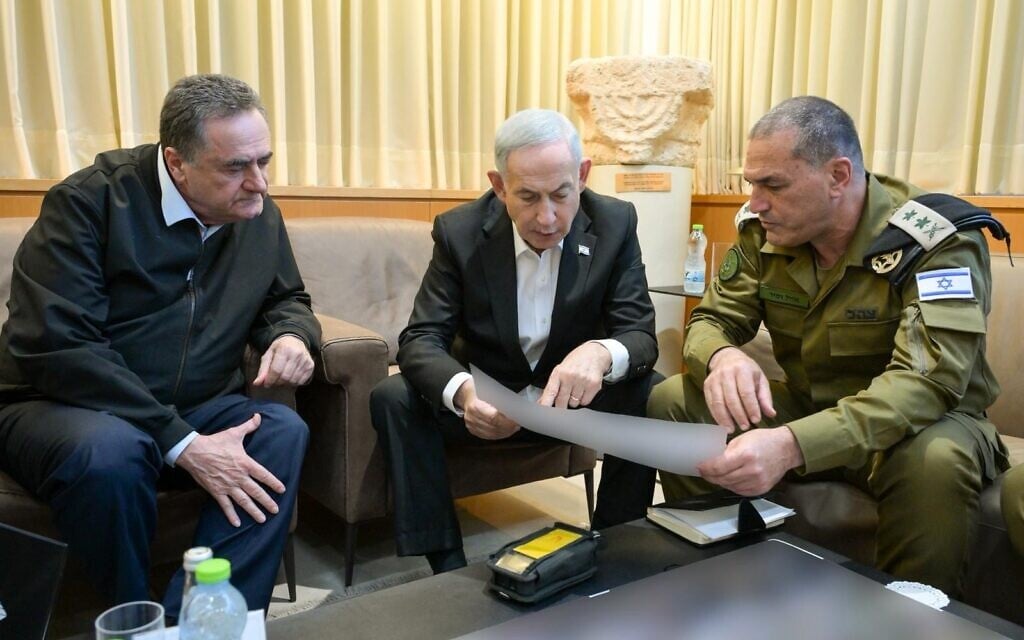
Prime Minister Benjamin Netanyahu (C) meets with Defense Minister Israel Katz (L) and IDF chief of staff Eyal Zamir at the Kiriya in Tel Aviv on May 26, 2026 (Maayan Toaf/GPO)
As Washington appeared closer than ever this weekend to an agreement with Iran — and as reported details of the emerging framework ricocheted through the media — Prime Minister Benjamin Netanyahu tried to reassure an increasingly uneasy public that Israel’s core interests would be protected no matter what happens at the negotiating table.
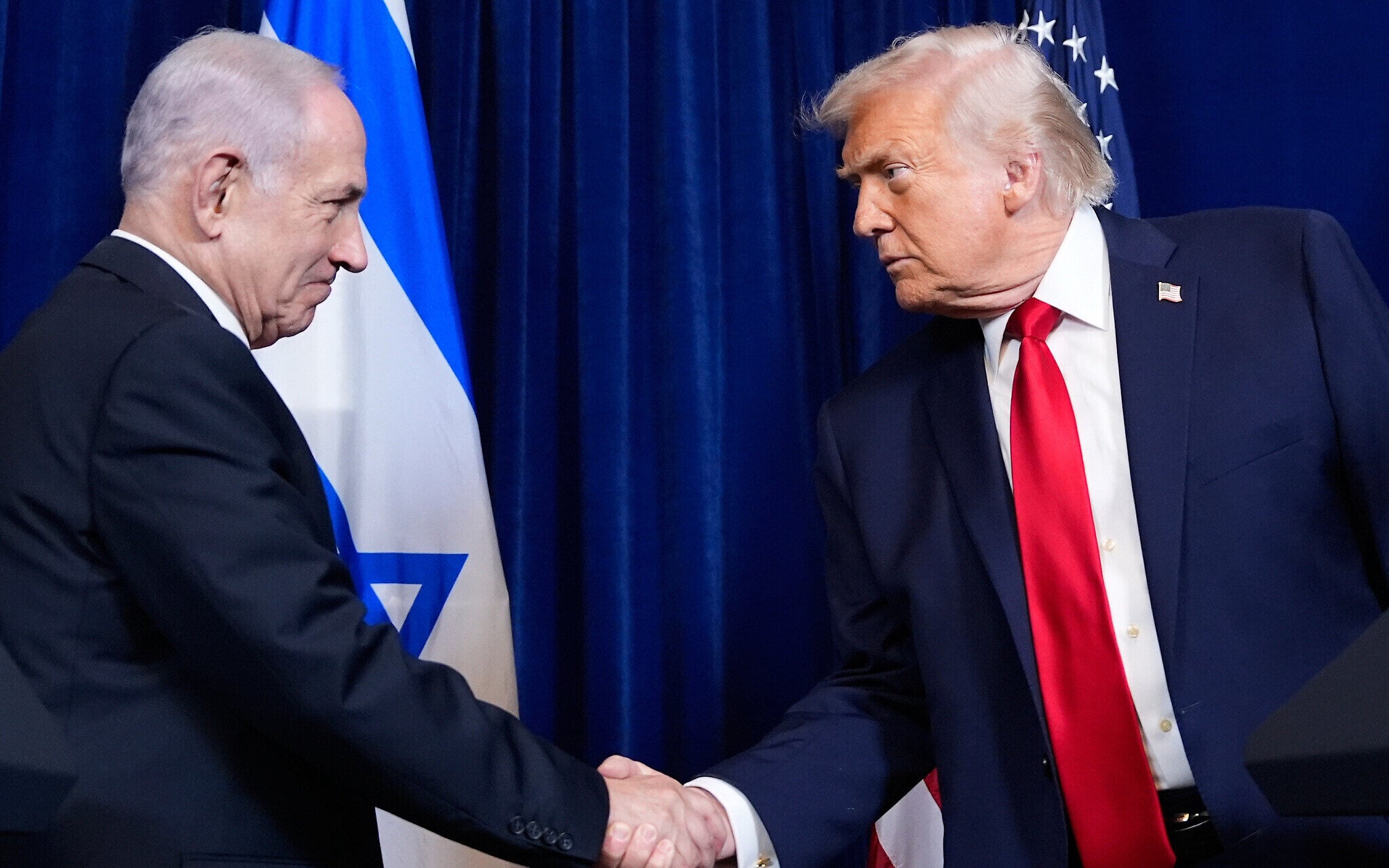
Half a day after Trump announced that an agreement had been “largely negotiated,” Netanyahu stated on X that the president assured him over the phone Saturday night that “any final agreement with Iran must eliminate the nuclear danger,” and that Trump “reaffirmed Israel’s right to defend itself against threats on every front, including Lebanon.”
Regardless of what Trump may have told the premier, however, the apparent contours of the agreement, understood mostly based on anonymous accounts from Washington, Tehran, and Jerusalem, raised Israeli concerns that Trump was preparing to settle for far less than the US-Israeli campaign against Iran originally set out to achieve.
While Trump and Netanyahu initially framed the campaign in sweeping strategic terms — seeking not only to degrade Iran’s nuclear program but also to weaken its missile infrastructure and regional proxy network and perhaps even create the conditions for regime change — the current framework bears no indication of meeting Israel’s concerns on those issues.
The plan is said to include a ceasefire in the ongoing conflict between Israel and Iran-backed Hezbollah in Lebanon, essentially shackling the Israel Defense Forces from dealing with a direct threat to the Israeli homefront initiated at the behest of Iran.
Yet despite the impact such a deal would have on Israel, negotiations until now have reportedly been held with the near-total exclusion of Jerusalem, raising fears that threats Netanyahu has long described as “existential” will not be adequately addressed.

While Israel won’t officially be party to whatever agreement emerges, it will effectively be bound by it. Israel is limited in what it can achieve militarily without the US’s participation and Netanyahu is highly unlikely to break with the Trump White House or be seen torpedoing the president’s deal-making, even on such weighty matters.
It’s unclear what steps Israel is taking beyond calls between Netanyahu and Trump to try to ensure its concerns are taken into account at the negotiating table. Whether Israel has sufficient leverage to pressure Trump is also unknown.
What does seem clear is that Trump is ready to end the fighting and get the Strait of Hormuz open, extending a temporary ceasefire that has now lasted as long as the war itself.
With its planes idled and bombs packed away, the mission for Israel is now securing clear guarantees and operational understandings from Washington — not just verbal commitments in private calls — on core issues from nuclear enrichment to Hezbollah threats.
A narrower endgame
According to multiple reports, confirmed by Israeli officials, the sides are currently discussing a preliminary Memorandum of Understanding that would extend the current ceasefire for another 60 days and reopen the choked Strait of Hormuz, with the fate of Iran’s nuclear program relegated to discussions during that period, and no requirement for Iran to export its stockpile of highly enriched uranium.
Iranian officials have publicly denied agreeing to transfer enriched uranium abroad and stressed that nuclear issues remain outside the current memorandum talks, even as Washington insists those terms would be part of any final, permanent deal.
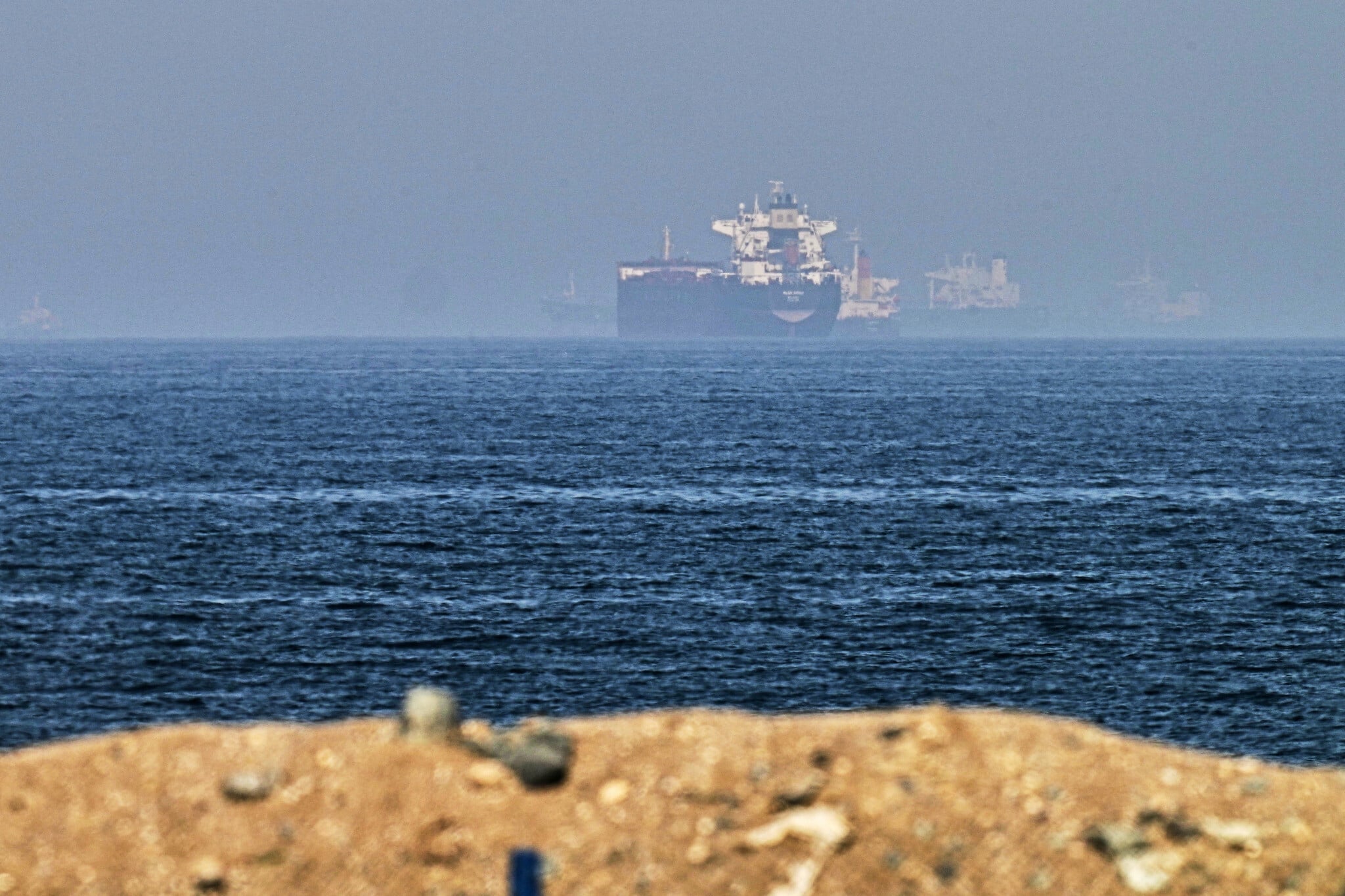
In return for allowing safe transit through Hormuz, the memorandum would reportedly enable Iran to trade oil and unfreeze some $25 billion in Iranian assets overseas, thereby easing what had been a key pressure tactic by Washington to push Iran into a nuclear deal. Even if a final agreement never materializes, the financial relief Iran stands to gain in the preliminary phase alone could assist its rearming itself ahead of a future conflict.
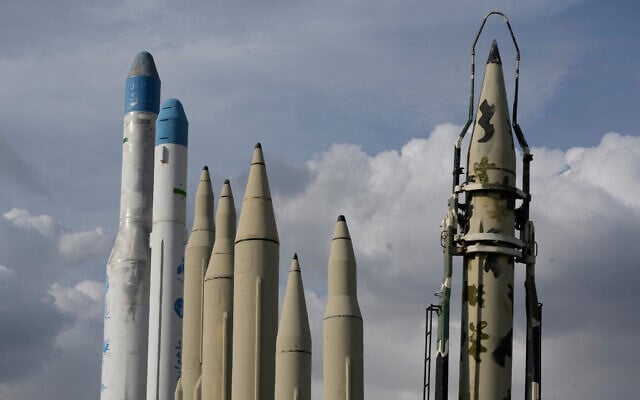
Despite being repeatedly presented by American and Israeli officials as key components of Iran’s military power, Iran’s missile and proxy programs have hardly been mentioned publicly by US, Iranian, or Israeli officials discussing the deal, or in any of its reported details — even amid reports that Iran is restocking its missile program faster than expected.
The nuclear question remains central, though the emerging deal seemingly defers the issue to a later stage of talks that Iran has every incentive to drag out, leaving numerous unresolved questions about the future of Iran’s enriched uranium stockpile, long-term enrichment restrictions and the scope of sanctions relief.
Instead, what is being discussed is essentially a return to the status quo ante: reopening the Strait of Hormuz and stabilizing the global economic crisis — raising concerns that Tehran will simply revert to its pre-war stance of accepting only limited restrictions on enrichment and inspections in exchange for sanctions relief.
The Iranians appear to have “left open the possibility of discussing [the removal of their enriched uranium] — but once that discussion comes, they’ll be free to refuse as before, after much of the pressure system on them has already relaxed,” said Eran Lerman, former deputy director of Israel’s National Security Council and vice president of the Jerusalem Institute for Strategy and Security.
A boost to Iranian deterrence
The risks of the deal for Israel extend beyond material gains for Iran.
While Iran was significantly battered in the war, a major ceasefire extension with immediate financial reprieve — not to mention the long-term deal that could potentially follow — may significantly shift the regional balance of power and Iran’s own perception of its leverage within it.
The direction things appear headed in “enhances Iran’s leverage over its neighbors, particularly in the Gulf… They see that Iran took the United States and Israel’s best punch and survived,” said Dan Shapiro, former US ambassador to Israel and distinguished fellow at The Atlantic Council.
If Iran were to use the 60-day ceasefire to significantly rebuild its missile capabilities, Shapiro continued, Gulf states — who were heavily targeted by Iranian drones and missiles throughout the war — would likely begin shifting their thinking to focus on how to avoid another confrontation with Iran, rather than how to align further with the United States.
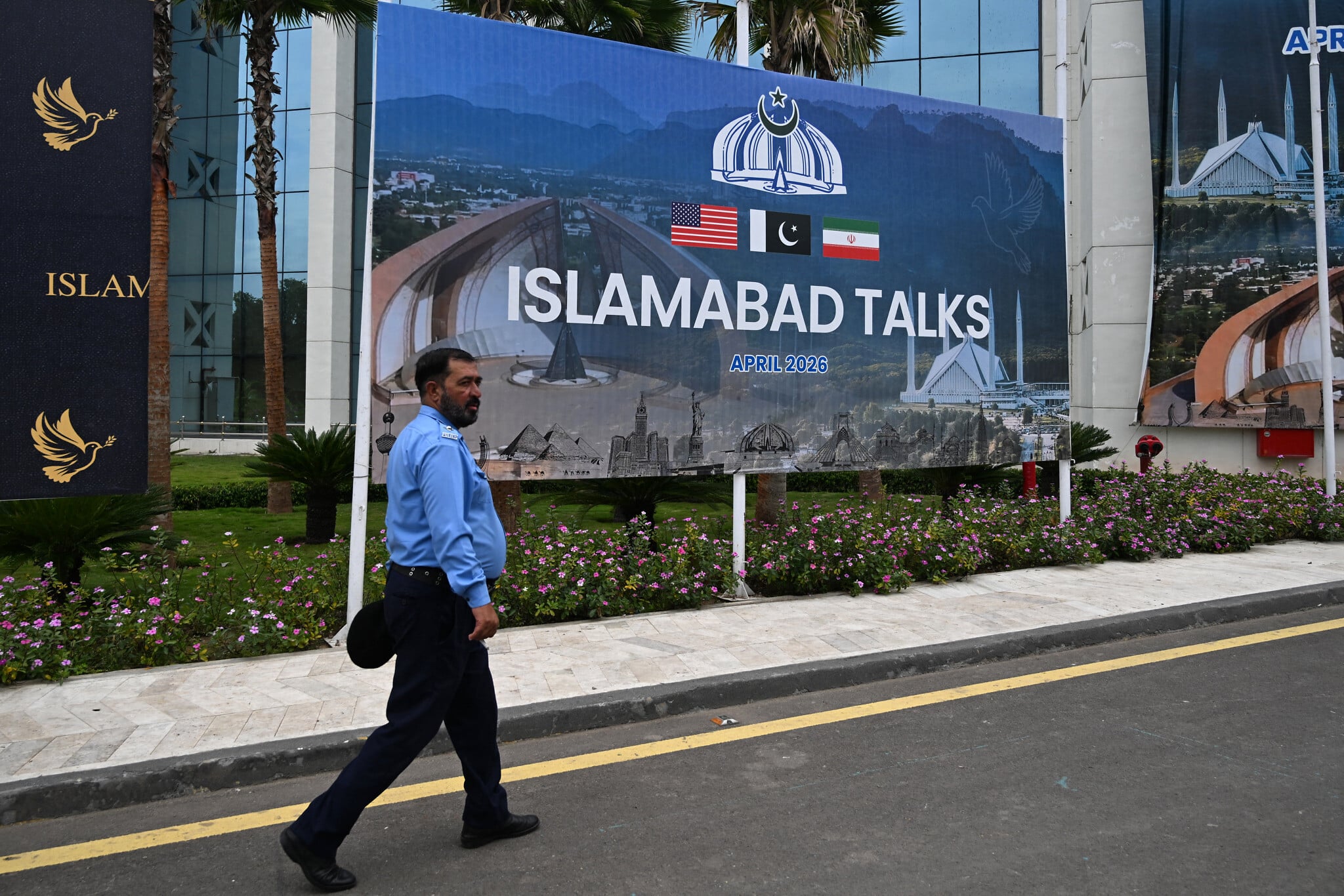
“Iranian deterrence is working, and that is a very, very worrying thing,” Lerman said.
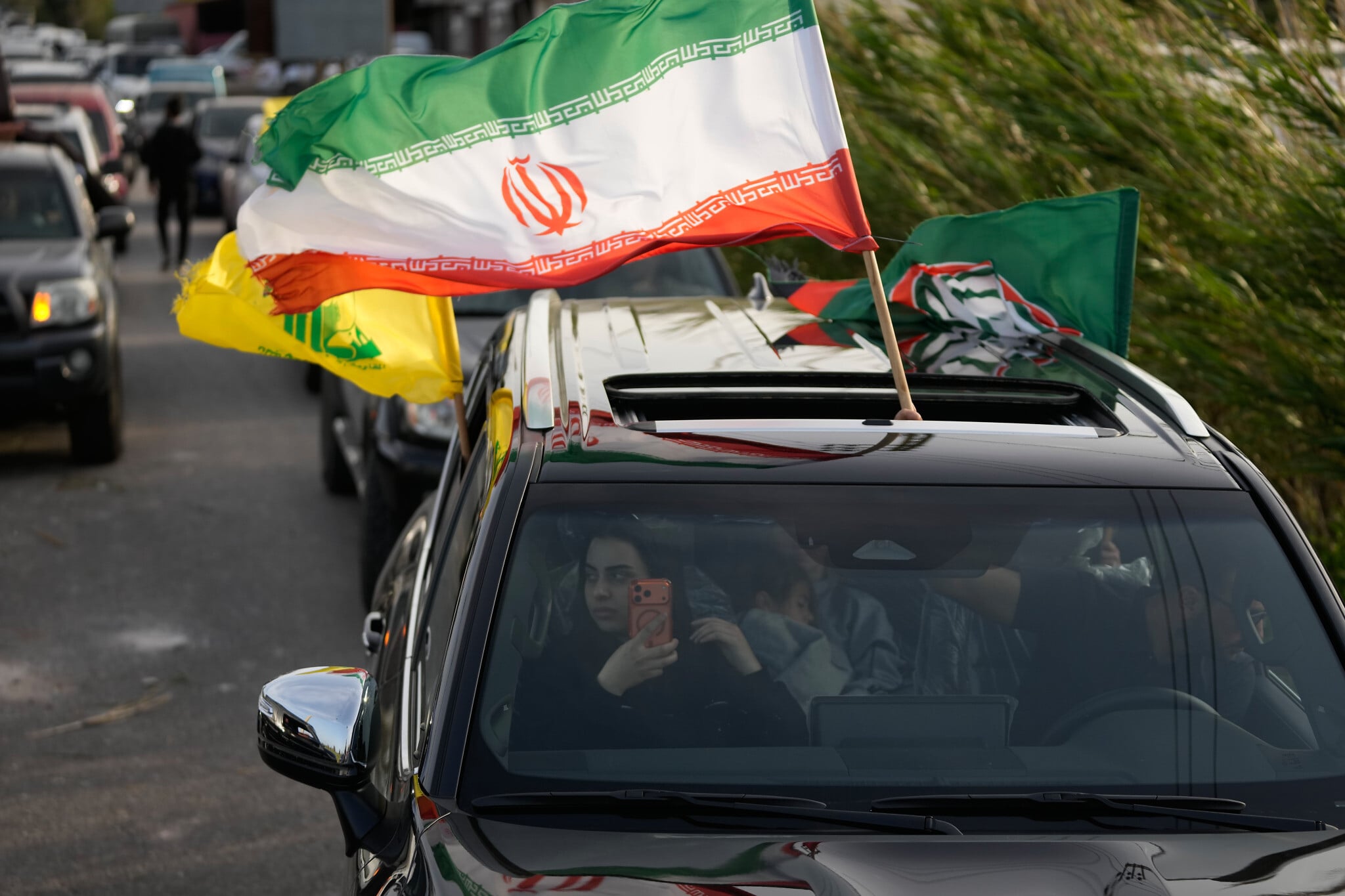
He added that Iran is still able to project power beyond its borders, pointing to its Hezbollah proxy terror group in Lebanon, which has recently stepped up drone attacks on Israeli forces in southern Lebanon and civilian targets inside Israel.
The recent surge signals that Hezbollah “feels quite confident about ignoring both [Israel] and the Americans, and also the Lebanese government, with the sense that the Iranians are still there for them.”
While Trump has repeatedly warned he would return to war if negotiations collapsed, and while the US carried out limited strikes on Iranian boats Monday in what it described as defensive action, those signals ring increasingly hollow after the US backed off aggressive action to reopen Hormuz in the face of renewed Iranian strikes on the United Arab Emirates.
“The Americans did not exploit the military capabilities they could have deployed” on Hormuz, Lerman argued. “Acting systematically against Iran’s capacity to threaten shipping, and perhaps also taking control of some of the Iranian islands… could have changed the military balance. [But] at this stage, I don’t see Trump willing to do that.”
Shapiro, who has been critical of the decision to launch military action against Iran on February 28, maintained that an operation to reopen Hormuz would have caused “an already severe global economic crisis to go into overdrive. So President Trump needed an off-ramp, and this is what he was able to construct.”
Seeking compensation
While Israel has no part in the deal, it will seemingly be largely bound by its terms. Shaping the agreement to whatever extent possible and making sure it is at least granted compensatory benefits have thus become key strategic interests.
Considering that it appears the current draft “addresses none of our strategic concerns,” Jerusalem must make clear to Washington that “essential and even existential issues are at stake here, and we have to act according to those national interests,” said former Israeli ambassador to the US Michael Oren.
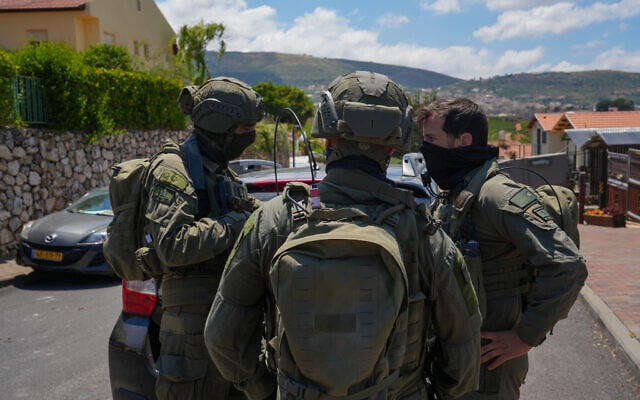
Outside of the deal, it’s reasonable for Israel to use its tight alliance with the US, and the Trump administration specifically, to negotiate plans for how to respond — either jointly or independently — to developments that Jerusalem may feel necessitate action, such as Hezbollah threatening troops or citizens or Iran moving to reconstitute its nuclear program.
“We should be able to discuss things with Donald Trump that we wouldn’t be able to discuss with the previous administration,” said Oren.
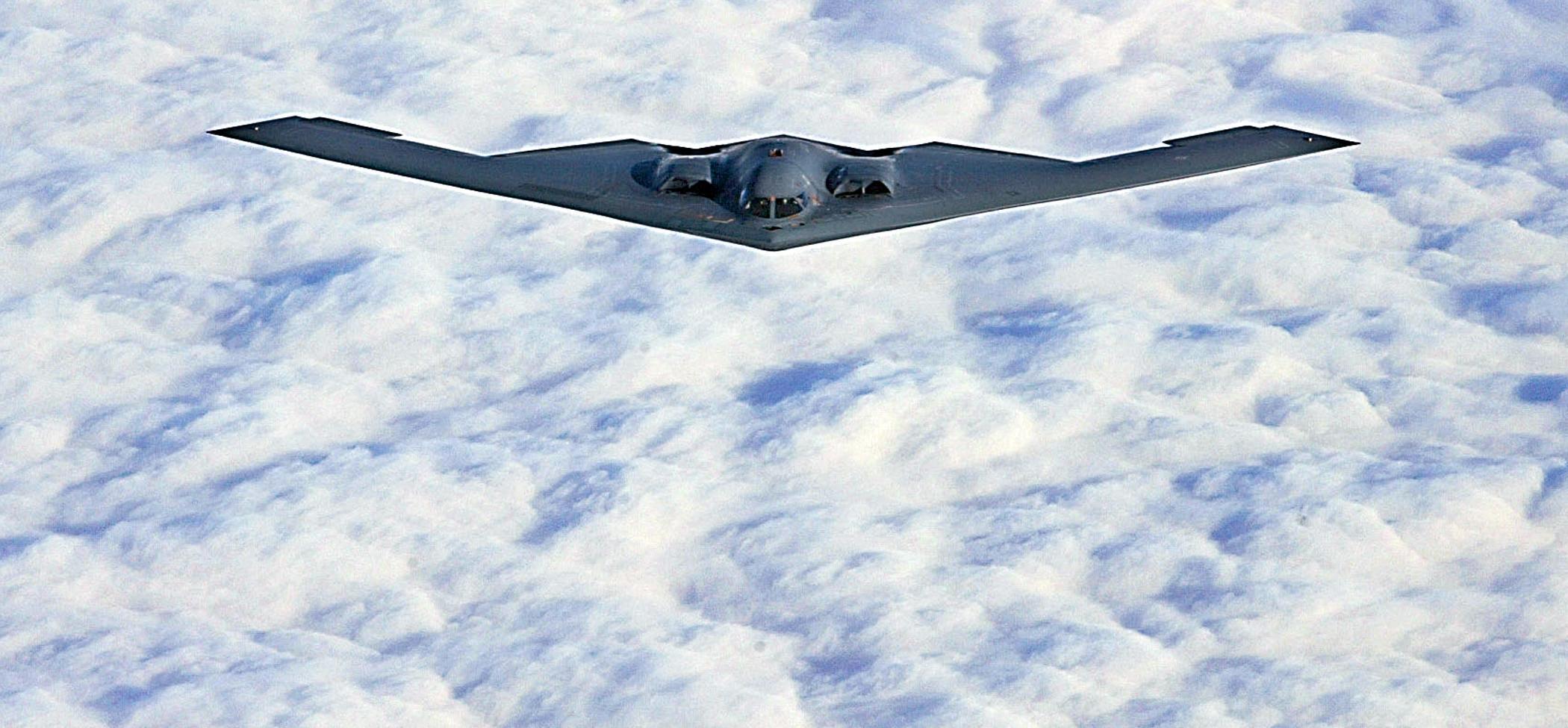
He suggested that the US could also compensate Israel for aspects of the deal it opposes through military cooperation, such as offering the Israeli military access to B-2 bombers.
Trump appeared to have a different form of compensation in mind Monday, demanding that six Muslim-majority and Middle Eastern countries join the Abraham Accords normalization agreements with Israel in exchange for the US negotiating with Iran rather than relaunching military action.
“We’re at a watershed moment,” said Oren.
But whatever diplomatic gains emerge in concert with the deal, guaranteeing that the agreement keeps Israel secure will remain a crucial priority.
Agencies and Times of Israel Staff contributed to this report.