
August 17, 2026
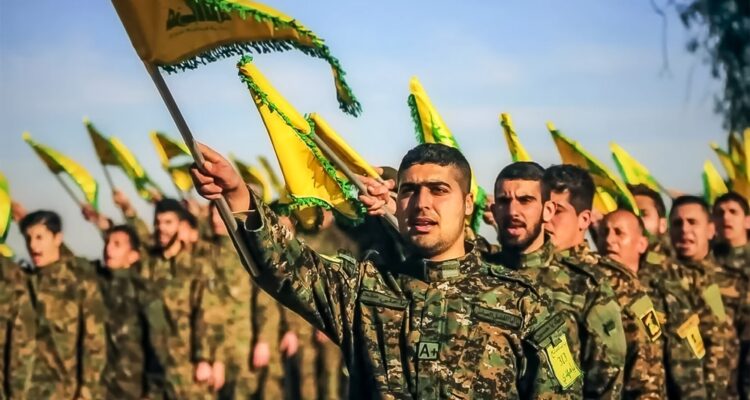
Hezbollah. (Shutterstock)
Hezbollah gearing up for new confrontation with Israel in southern Lebanon aimed at torpedoing peace talks, while waiting for approval from Iran.
By World Israel News Staff
Hezbollah is deliberately stepping up military pressure in southern Lebanon while waiting for approval from Iran to widen the confrontation with Israel, according to a Lebanese political source, raising fears that renewed fighting could derail US-backed negotiations between Jerusalem and Beirut.
The assessment, first reported by Lebanon’s Nidaa al-Watan, said Hezbollah was seeking to undermine the direct negotiations and was awaiting instructions from Tehran before deciding whether to escalate further.
The reported deliberations come as tensions between Iran and the United States have also intensified, tying developments in Lebanon increasingly closely to the wider regional confrontation.
Hezbollah has not publicly announced that it is waiting for Iranian authorization for further action.
However, indications of Tehran’s influence over the current confrontation have emerged elsewhere in Lebanese reporting.
Nidaa al-Watan reported Friday that an unnamed military expert said decisions concerning the strategic Ali al-Taher ridge were now effectively in the hands of Iran’s Islamic Revolutionary Guard Corps rather than Hezbollah’s leadership in Lebanon.
The warnings follow some of the most serious violence in southern Lebanon since a truce took effect in June.
Israeli strikes on Saturday killed at least 11 people and wounded 19, according to Lebanon’s Health Ministry and state media.
Iran rejects Omani proposal to reopen Strait of Hormuz
Seven were killed in Ansar, while four others were killed in Deir al-Zahrani. Israel said the strikes followed Hezbollah attacks on Israeli forces and targeted commanders and military infrastructure belonging to the group.
The IDF said one of those killed in Ansar was Ali Samir al-Haj Hassan, whom it identified as a commander in Hezbollah’s elite Radwan Force.
The military acknowledged that members of Hassan’s family were present at the site and were also killed, while saying they had not been deliberately targeted.
On Sunday, the IDF said another strike had killed Abu Hassan Alaa, described as a senior Hezbollah commander involved in attacks on Israeli troops.
Prime Minister Benjamin Netanyahu’s office accused Hezbollah of violating the ceasefire by attacking Israeli soldiers and seriously wounding three of them.
“The IDF responded by striking the Hezbollah terror headquarters which ordered the attack,” the Prime Minister’s Office said, adding that the military learned afterward that civilians had been inside the compound.
Hezbollah, meanwhile, threatened retaliation, saying the Israeli attacks would be “met with what they deserve.”
The group also stepped up its criticism of Lebanon’s government for conducting direct negotiations with Israel and called on Beirut to use other means to stop Israeli military operations.
The latest flashpoint is the Ali al-Taher ridge, a strategically important area overlooking Nabatieh and routes through southern Lebanon.
Israeli forces have been operating around the area for months, while Hezbollah has repeatedly attempted to attack troops there. Israeli and Lebanese reports have described extensive Hezbollah underground facilities beneath the ridge.
Graham’s sudden death sparks historical assassination comparisons
Asharq Al-Awsat reported Sunday, citing political sources in Israel, that Washington understands Israel’s decision to intensify operations around Ali al-Taher but does not want the fighting to develop into another full-scale war.
According to the report, the US has also pressed Israel to take steps that would help preserve the diplomatic track with Lebanon.
The newspaper said Israeli officials believe a network beneath Ali al-Taher has eight entrances and serves as a major Hezbollah command complex.
Israeli assessments cited in the report claimed a number of Hezbollah operatives remain trapped underground and that some may be members or trainers from Iran’s Revolutionary Guard. Those claims have not been independently confirmed.
The same report said Iran has warned that it could intervene if Israel significantly expands operations at Ali al-Taher, a threat that has contributed to Israeli caution over launching a full ground assault on the underground complex.
Against that backdrop, the Lebanese source cited by Nidaa al-Watan warned that Hezbollah’s current actions could trigger a chain of escalation ending both the ceasefire and the diplomatic process.
The source also accused Netanyahu of seeking a military success in Lebanon ahead of Israel’s October 27 election and using pressure on the battlefield to strengthen Israel’s negotiating position.
Hezbollah has made a similar political accusation publicly. Following Saturday’s strikes, the group accused Netanyahu of trying “to strengthen his domestic political position” through military escalation.
Hunt the archer, not the arrow – opinion
Israel, however, argues that continued military pressure is necessary because Hezbollah remains armed and continues to threaten Israeli troops and communities in the north.
Defense Minister Israel Katz said Thursday that Israel would “not withdraw from the security zone in Lebanon” as long as Hezbollah remained armed and continued to pose a threat.
He said he had ordered the IDF to prepare for an “extended presence” until those conditions were met.
The position has created tension with Washington.
A US State Department official said Israel had committed under the US-brokered framework to a progressive withdrawal from Lebanon tied to verified Hezbollah disarmament, and that a permanent Israeli military presence would be inconsistent with that agreement.
At the same time, Washington has increasingly blamed Hezbollah for the deteriorating situation.
A State Department spokesperson said Sunday that the group “bears sole responsibility for Israel’s presence on Lebanese soil,” according to Lebanese outlet Naharnet.
The June 26 framework links the gradual withdrawal of Israeli forces to the disarmament of Hezbollah and other non-state armed groups and the deployment of the Lebanese army in their place.
Hezbollah was not a party to the agreement and has rejected demands that it disarm before Israel withdraws.