
CENTCOM commander Brad Cooper meets IDF, Mossad chiefs as Israel prepares for possible renewed fighting with Iran; Netanyahu favors a coordinated US-Israeli operation, while divisions persist over the urgency of military action and Hezbollah’s potential involvement
Israel is on its highest level of alert amid the possibility of renewed fighting with Iran, as officials await a decision from U.S. President Donald Trump. According to sources familiar with the matter, Trump is facing intense pressure, with conflicting views among his advisers over the preferred course of action. Adm. Brad Cooper, commander of U.S. Central Command (CENTCOM), was visiting Israel Wednesday in what is regarded as a critical visit ahead of any potential resumption of hostilities. Prime Minister Benjamin Netanyahu, currently serving as caretaker prime minister, also is scheduled to hold a security discussion on Iran on Wednesday.
Senior political and security officials stress that, although Israel has the capability and option to act independently, the preferred course for both Netanyahu and IDF Chief of Staff Lt. Gen. Eyal Zamir is a joint, coordinated operation with the United States. Sources familiar with the discussions say Mossad Director Roman Gofman is strongly advocating renewed military action in response to Iran’s growing capabilities, while others believe there is no immediate urgency.
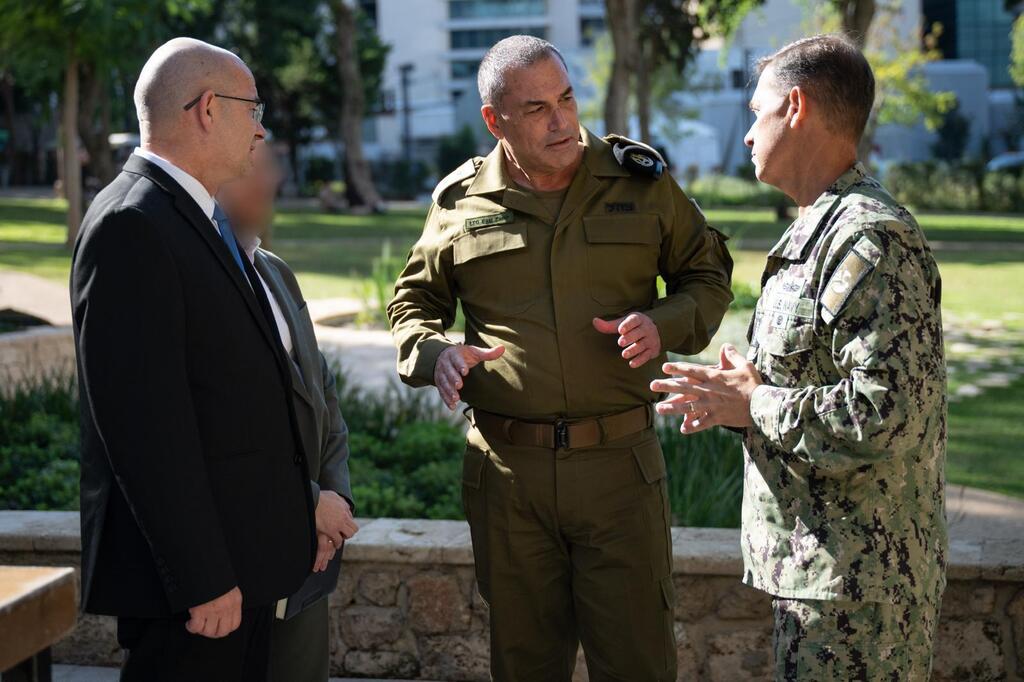
Zamir met Cooper at the Kirya military headquarters in Tel Aviv on Wednesday. The two held a joint strategic assessment, while a separate trilateral meeting was attended by Gofman.
MAKE ynetGlobal MY TRUSTED SOURCE
Last week, Gofman advocated joint U.S.-Israeli strikes against Iran during meetings with American officials, two people briefed on the visit told Reuters.
Gofman met senior Trump administration officials in Washington, including CIA Director John Ratcliffe. According to the sources, he presented Israeli intelligence assessments concerning Iran. From Washington, Gofman traveled to Miami, where he met Steve Witkoff, Trump’s special envoy, who is among those leading U.S. diplomatic efforts with Iran.
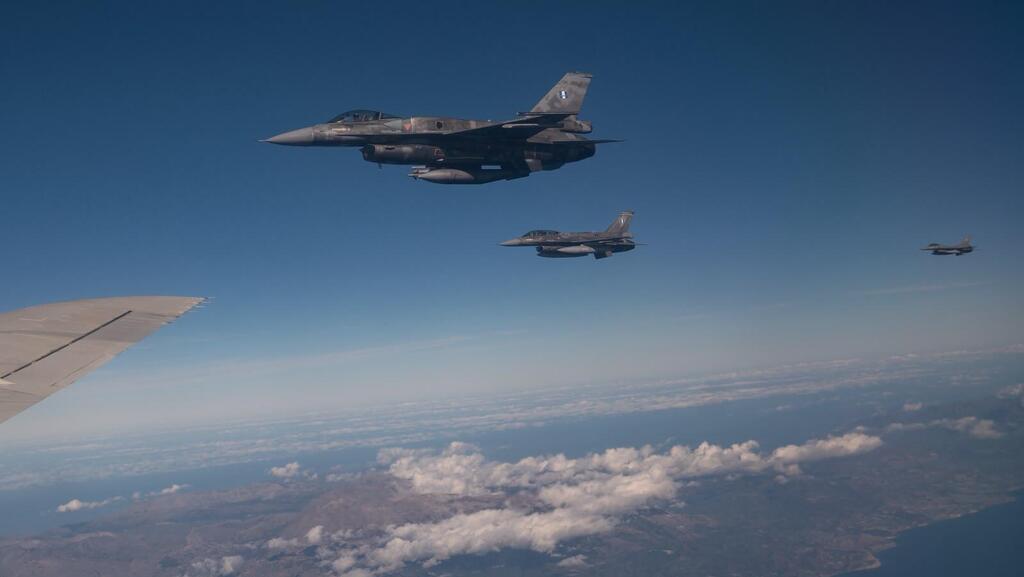
The visit took place after Trump announced, following a meeting with Qatar’s prime minister, that he was holding off on strikes against Iran. At the same time, Gulf leaders spoke with the U.S. president and urged him not to attack Tehran, fearing the Islamic Republic would carry out its threats to strike Gulf Arab countries in retaliation.
For now, the timeline for possible military action against Iran remains undefined and depends entirely on Trump’s decision. Assessments suggest that a decision or operation could come after the president returns to the United States following the summit in China, although there is no certainty that action would follow immediately. Some officials believe there will be no developments before the coming weekend.
While awaiting a political decision, Israeli officials emphasize that the country is at the highest possible level of readiness. Senior defense officials assess that if war breaks out, its character will not differ significantly from previous rounds of fighting.
At the beginning of the confrontation, Iran possessed approximately 3,000 ballistic missiles. Its current stockpile is estimated at 1,500 to 2,000 missiles, a figure that officials say is not expected to significantly alter Israel’s home front preparations.
The Hezbollah question
According to the officials, Israel’s home front and air defense systems have already experienced every type of Iranian missile attack, from large, concentrated barrages designed to increase the likelihood of successful strikes to smaller, sustained barrages intended to allow Iran to maintain its operations over time.
As for the possibility of Israel expanding its military campaign, officials say broadening the target list to include infrastructure remains an option, although no concrete decisions have been made.
Meanwhile, Israeli defense officials remain divided over whether Hezbollah would join the fighting in the event of an escalation. Some believe there is a high likelihood that the terrorist organization would launch attacks against Israel. Others argue that Hezbollah now faces unprecedented domestic opposition in Lebanon, a reality that could force it to act more cautiously and avoid reckless moves.
For those looking for indications that renewed war with Iran may be approaching, Cooper’s visit and his meetings with Zamir are particularly significant. Compared with previous visits, this is regarded as the most important yet in the sensitive, closely coordinated relationship between the IDF and the U.S. military
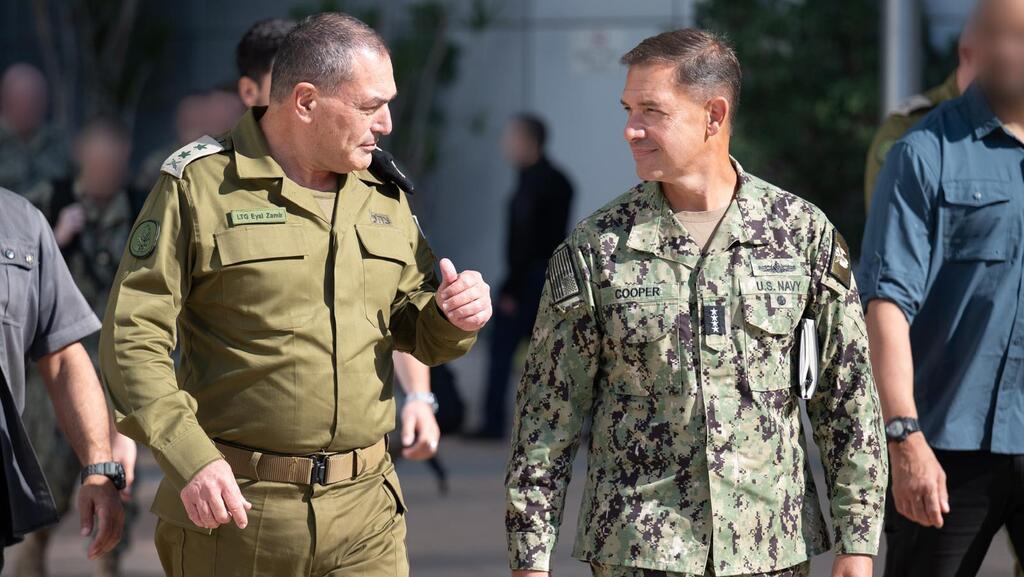
.The planning does not necessarily mean war will resume, but without such coordination, renewing the campaign would not be possible under the preferred joint-operation scenario.
The U.S. military is on maximum alert, with three aircraft carriers in the region, alongside dozens of refueling aircraft, intelligence planes and bombers. No fewer than 53,000 American troops are deployed across the Middle East.
Weapons depots are fully stocked, as are interceptor reserves and missile and drone stockpiles. Military forces are prepared for the possibility of action.
Everything depends on Trump
Ultimately, however, everything depends on Trump. A White House official said the president believes Washington’s economic pressure campaign against Iran is so “devastating” that there is no need for “major combat operations.” Nevertheless, the official stressed that all options remain available to the president to ensure Iran never obtains a nuclear weapon.
According to the two sources who spoke with Reuters, Gofman briefed senior U.S. officials on Israeli intelligence concerning Iran during his meetings in the United States. One source said the intelligence focused on Iran’s nuclear program, a central issue in ongoing negotiations between Washington and Tehran.
The sources said former Israeli minister Ron Dermer also worked to promote joint military strikes during meetings with senior Trump administration officials.
One source said Israel fears the United States could begin reducing its substantial military deployment in the region before the end of the year. Both sources described the efforts by Gofman and Dermer as part of Netanyahu’s broader campaign to persuade Trump to order another strike against Iran.
