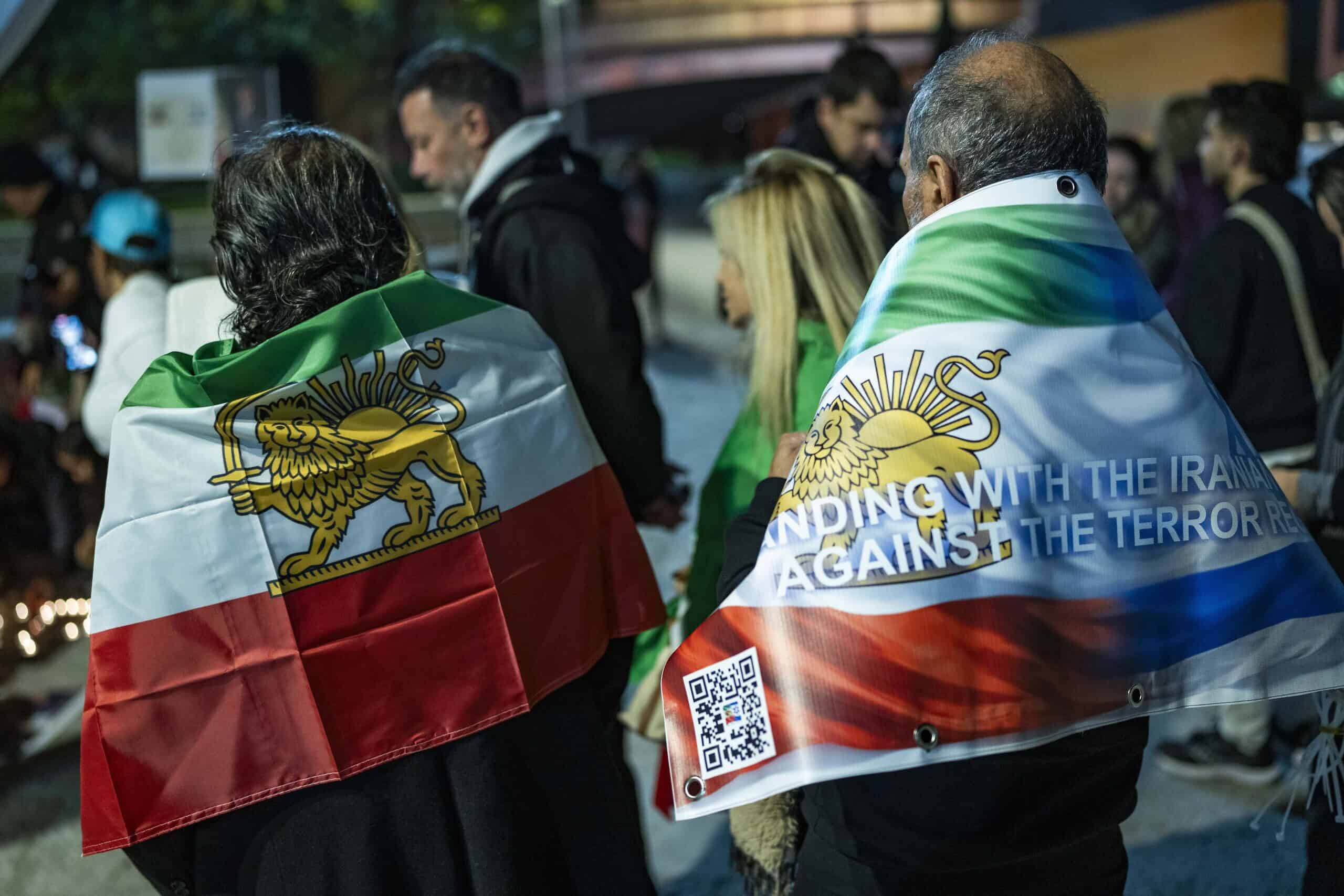
US and Iran say they’ll meet in Oman Friday after reported dispute over Iran’s demand that talks only cover nuclear issue; Rubio: Deal must include curbs on Iran’s missiles, support for terror
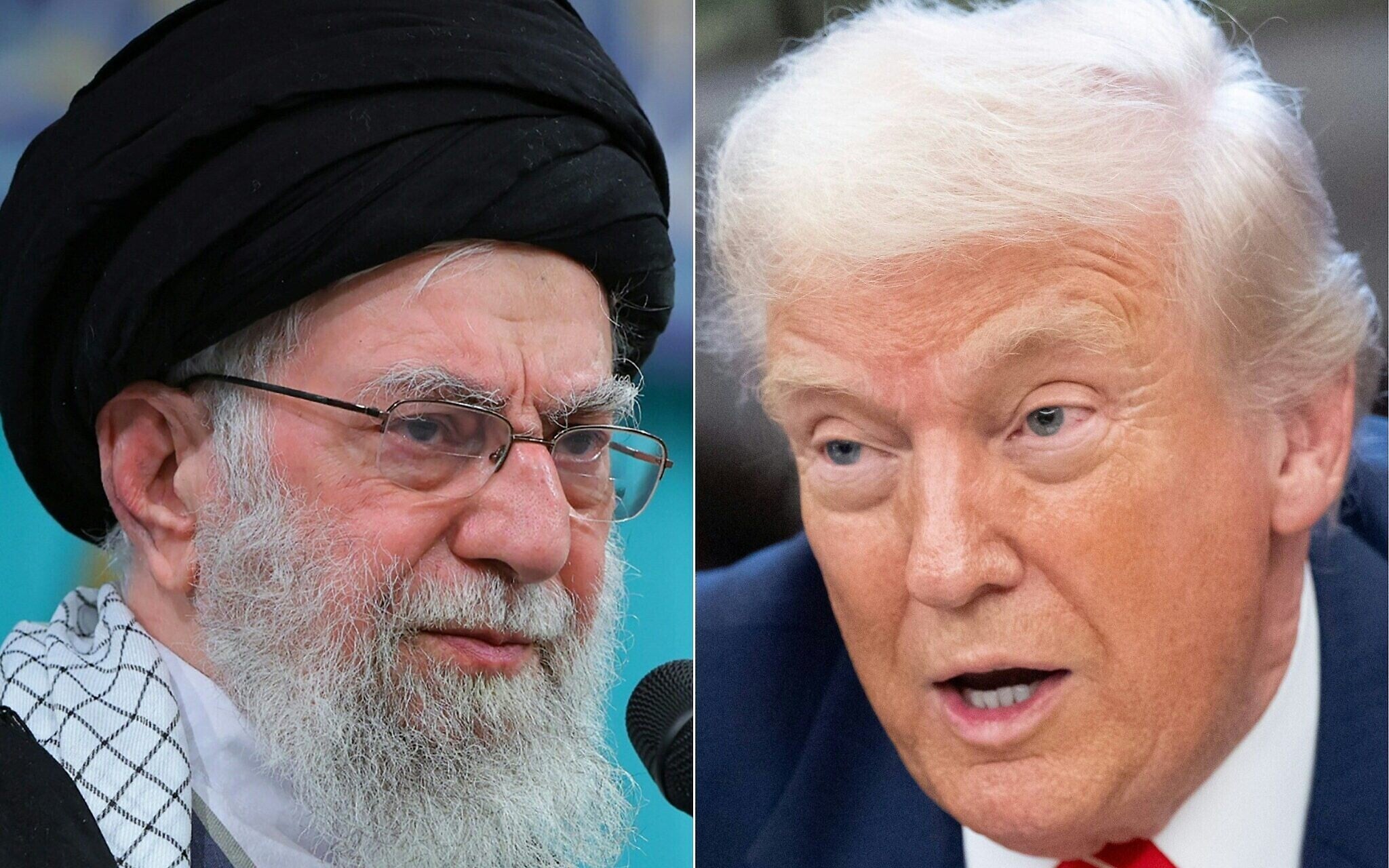
US President Donald Trump on Wednesday said Iran’s Supreme Leader Ali Khamenei “should be very worried” in the wake of reports that suggested that planned nuclear talks set for the end of the week were unravelling.
But the reported concerns over a potential breakdown of negotiations due to Iran’s insistence that the discussions focus on its nuclear program appeared to dissipate later in the day, with the parties confirming that talks initially scheduled to be held in Turkey would be moved to Oman’s capital of Muscat.
Iran has said it will not make concessions on its formidable ballistic missile program — one of the biggest in the Middle East — calling that a red line in negotiations.
Asked by NBC News amid concern the diplomatic efforts were falling apart, if Khamenei should be worried, Trump responded, “He should be very worried.”
“They’re negotiating with us,” Trump added.
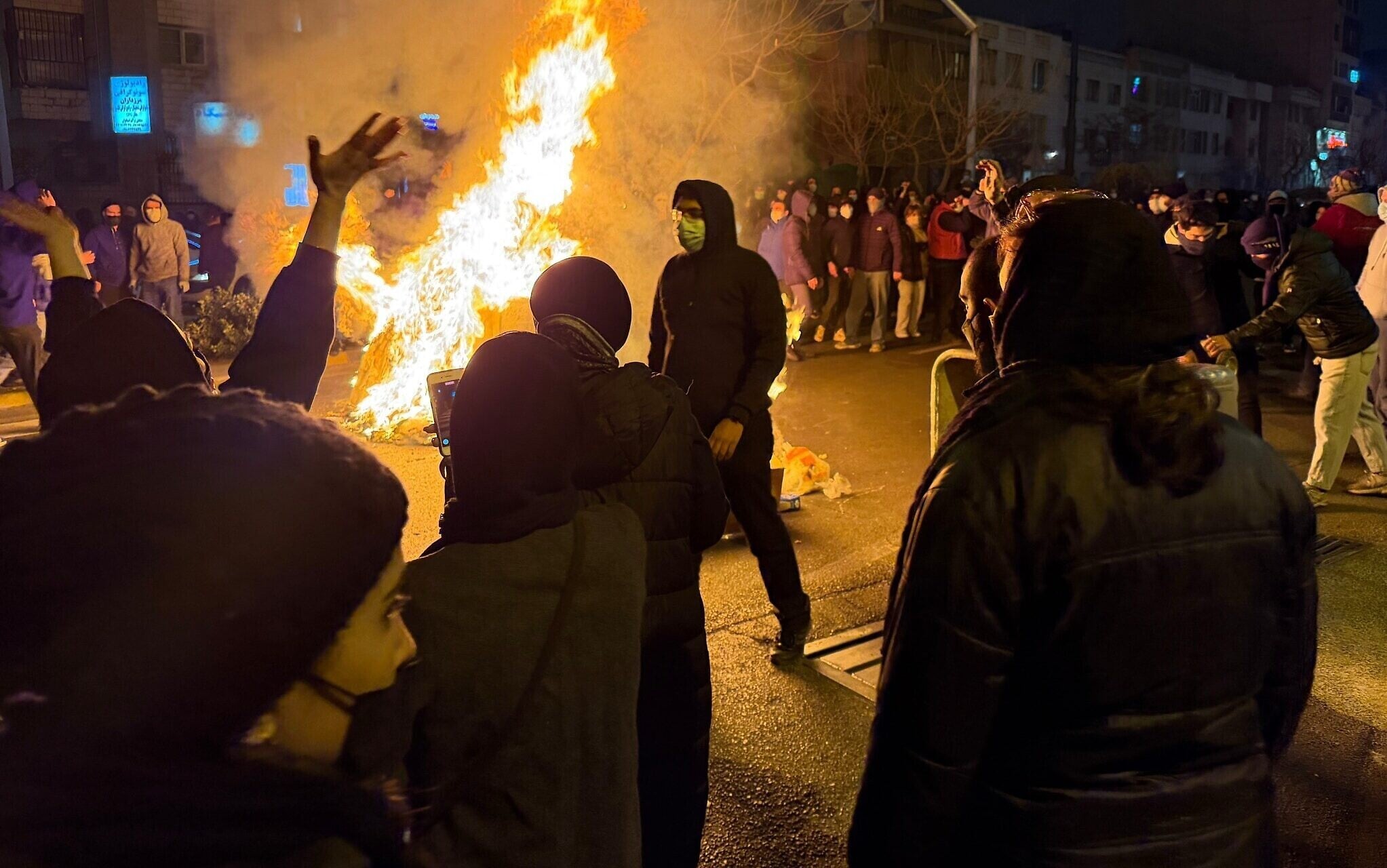
“We do have their back,” Trump said of the protesters. “That country is a mess right now because of us. We went in, [and] we wiped out their nuclear [program],” Trump added in reference to US strikes on several Iranian nuclear sites last year during the 12-day war between Iran and Israel.
In light of again claiming that Iran’s nuclear program was obliterated, the US president was then pressed on what nuclear talks with Iran will address if that is the case.
Trump clarified that Iran has since tried rebuilding its program at other sites, which he said will lead to further US strikes.
Trump has avoided acknowledging that there were some nuclear facilities not targeted in the US strikes and that the location of already-enriched uranium stockpiles is unknown — two points that undercut his claim that the nuclear program was completely destroyed.
Talks set for Oman on Friday morning
The talks were thrown into doubt earlier after Tehran backed out of understandings over the location and format of the negotiations, two senior American officials told the Axios news site.
US officials said Turkey had brokered a framework for talks in Istanbul, including a direct US-Iran track focused on Tehran’s nuclear program and a broader regional track addressing Iran’s missile program, support for terror groups, and human rights abuses following recent protests inside the Islamic Republic.

The officials said the Iranians then attempted to move the talks to Oman and exclude other participating countries, with Washington suspecting they were attempting to avoid any regional issues and focus only on the nuclear file. The Americans rejected this, telling Tehran it was “all or nothing,” and Tehran said, “Okay, then nothing.”
“We didn’t want to be flexible here because if there is a deal, it has to be real. We didn’t want to go back to the old way of doing things,” an official said.
“We want to reach a real deal quickly, or people will look at other options,” one said, in reference to potential US strikes.
“There is a good chance the talks won’t happen now at all this week,” another noted.
Later on Wednesday, however, Iranian Foreign Minister Abbas Araghchi announced the two sides agreed to meet Friday morning in Oman at 10 a.m.
“I’m grateful to our Omani brothers for making all necessary arrangements,” he wrote on X.
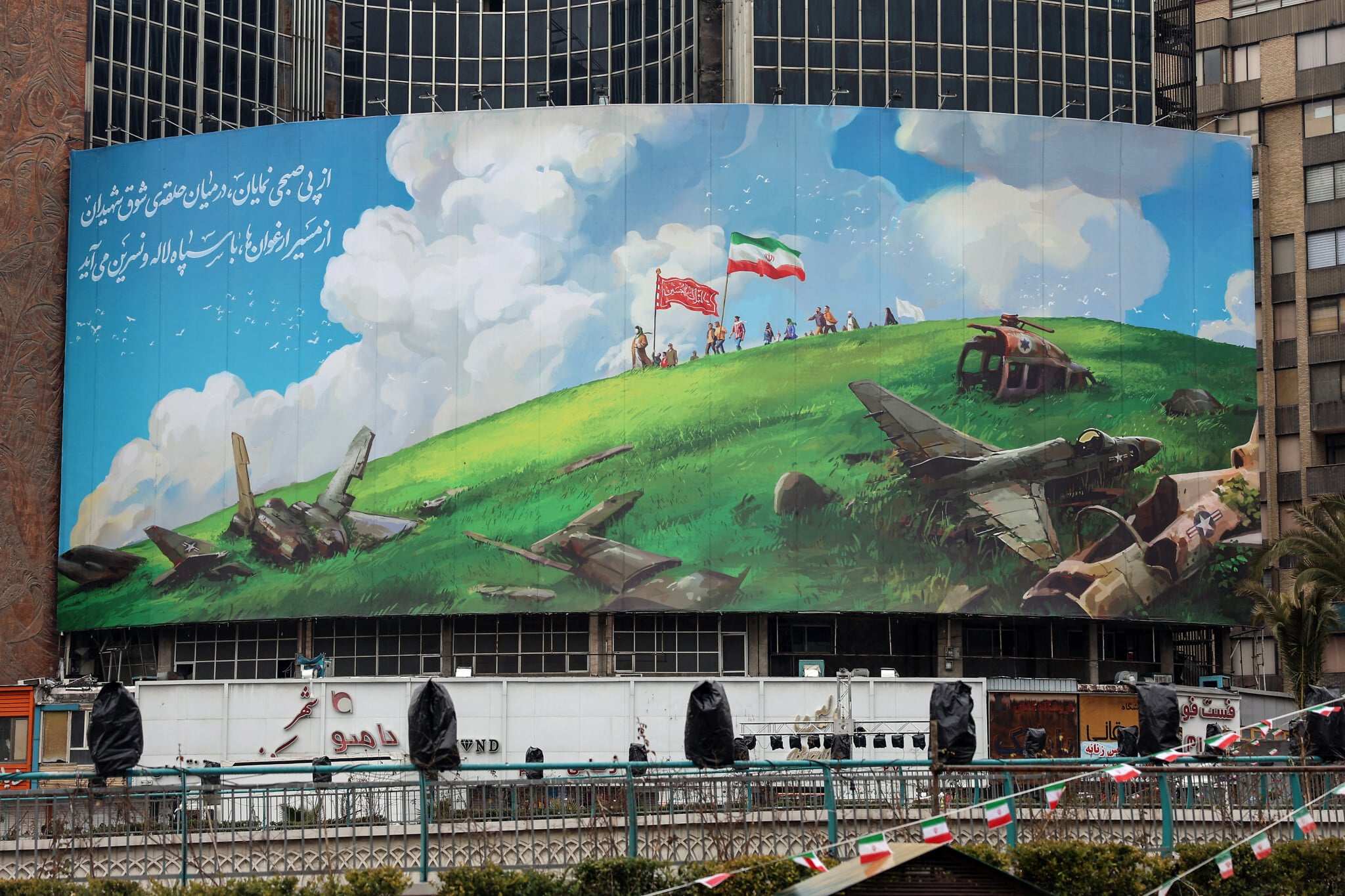
A White House official confirmed to The Times of Israel that nuclear talks with Iran would be held Friday in Muscat.
Axios said at least nine Arab leaders successfully lobbied the White House not to walk away from talks. However, American officials remained highly doubtful that a deal would be reached.
“They asked us to keep the meeting and listen to what the Iranians have to say. We have told the Arabs that we will do the meeting if they insist. But we are very skeptical,” one told the outlet.
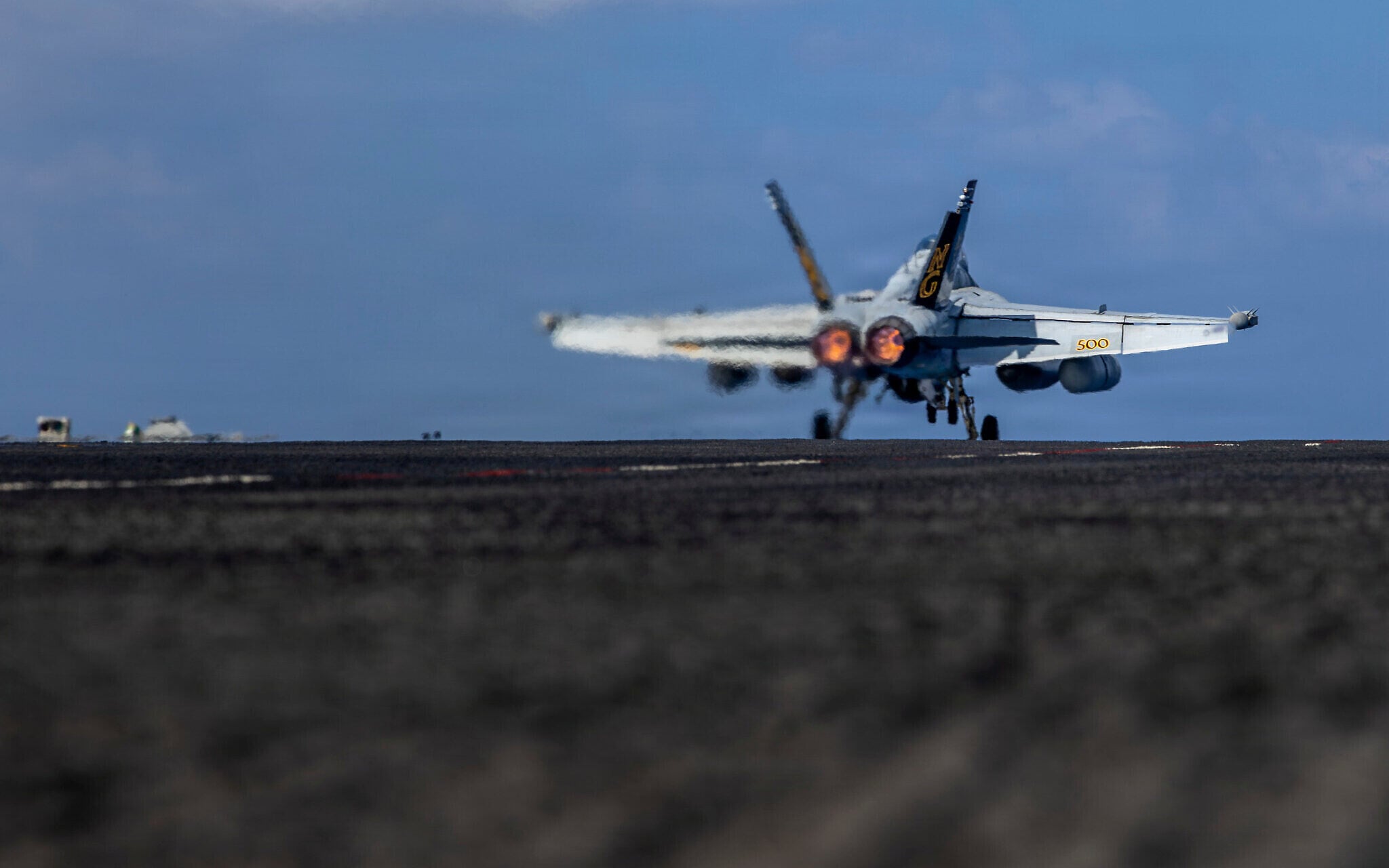
According to Channel 12 news, US envoys Steve Witkoff and Jared Kushner, currently in Abu Dhabi, are expected to travel to Qatar to consult with Prime Minister Mohammed Abdulrahman Al Thani ahead of the talks in Oman.
Witkoff held a high-level meeting in Tel Aviv Tuesday night with Prime Minister Benjamin Netanyahu, Defense Minister Israel Katz, IDF Chief of Staff Eyal Zamir, Mossad Director David Barnea and other senior officials, during which Channel 12 reported that he was presented with Israel’s latest intelligence on Iran’s nuclear and ballistic missile programs, as well as details on Tehran’s deadly crackdown on anti-regime protests.
Israeli officials reportedly warned Witkoff that Iran was stalling and acting in bad faith. Witkoff was said to have responded that the US understands Israel’s red lines and is not pursuing an agreement at all costs.
Rubio: Talks must address missiles, terror support, repression
US Secretary of State Marco Rubio on Wednesday said despite Washington’s readiness to negotiate, a deal must cover Iran’s missile and nuclear programs, its support for terror groups in the region, and its treatment of its population.
“At the end of the day, the United States is prepared to engage, and has always been prepared to engage with Iran,” he said. “For talks to actually lead to something meaningful, they will have to include certain things, and that includes the range of their ballistic missiles,” he said. “That includes their sponsorship of terrorist organizations across the region. That includes the nuclear program. And that includes the treatment of their own people.”
Iran has only shown willingness to discuss its nuclear program, albeit not on the terms demanded by the US — for the Islamic Republic to agree not to enrich uranium on its own territory and export all of its already enriched stockpiles out of the country.
“The fundamental problem Iran faces is that what people are on the streets complaining about, this regime cannot address… because it’s economic,” Rubio said. “One of the reasons why the Iranian regime cannot provide the people of Iran the quality of life that they deserve is because they’re spending all their money and resources… sponsoring terrorism.”
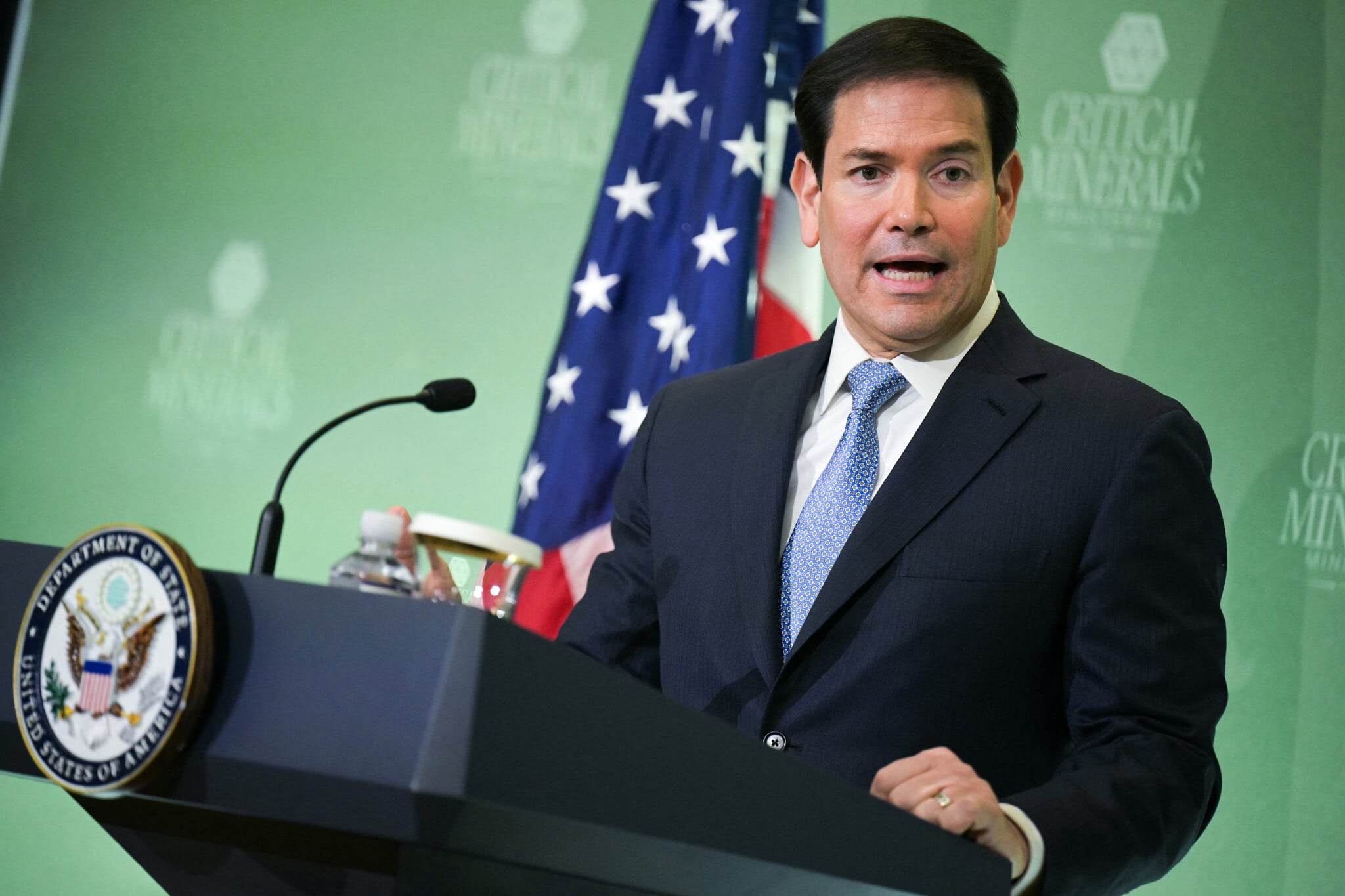
Nonetheless, the US is willing to engage and hold talks with Iran.
“President Trump is willing to talk to and meet with and engage with anyone in the world. We don’t view meetings as a concession [or]… legitimization,” Rubio maintained.
“If the Iranians want to meet, we’re ready. They’ve expressed an interest in meeting and talking. If they change their mind, we’re fine with that too… I’m not sure you can reach a deal with these guys, but we’re going to try to find out,” he added.
Responding to Rubio’s comments, a senior Iranian official told Reuters talks will only be about the nation’s nuclear program, and that its missile program is “off the table.”
The price of oil surged on Wednesday after Axios reported talks were collapsing, a sign that markets see a higher chance of possible American military action.
Brent oil futures jumped 3.0 percent to $69.35 a barrel, while US benchmark West Texas Intermediate also climbed 3.0 percent to $65.12 a barrel.
Also Wednesday, Hebrew media reported that ministers were summoned to security cabinet meeting at 4 p.m. Thursday.
The relatively short notice given to ministers was unusual and reports said they were not told the subject of the upcoming meeting.
Iran held five rounds of mediated talks with the US in Oman in May 2025.
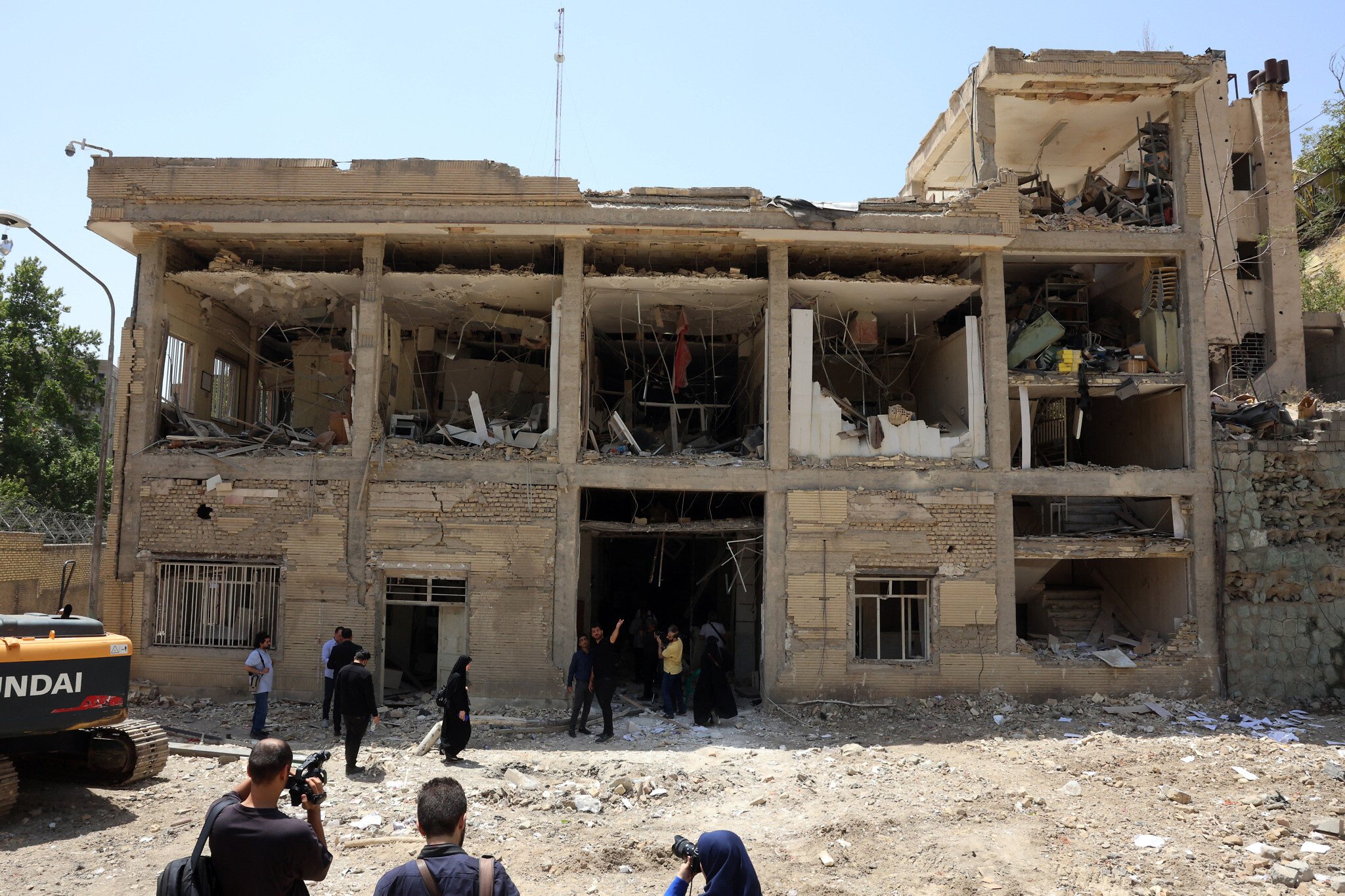
Last June, the United States struck Iranian nuclear targets, joining in at the tail end of a 12-day Israeli bombing campaign. Israel said it launched strikes against the existential threat it faced from Iran’s nuclear program. Though Iran, which vows to destroy Israel, insists the program is peaceful, it has enriched uranium to levels that have no civilian use and that are a short technical step from weapons-grade.
More recently, the US Navy built up forces in the region following Iran’s violent crackdown against anti-government demonstrations last month, the deadliest since Iran’s 1979 revolution. Trump, who stopped short of carrying out threats to intervene, has since demanded nuclear concessions from Iran.
Iran’s leadership is increasingly worried a US strike could break its grip on power by driving an already enraged public back onto the streets, according to six current and former Iranian officials.
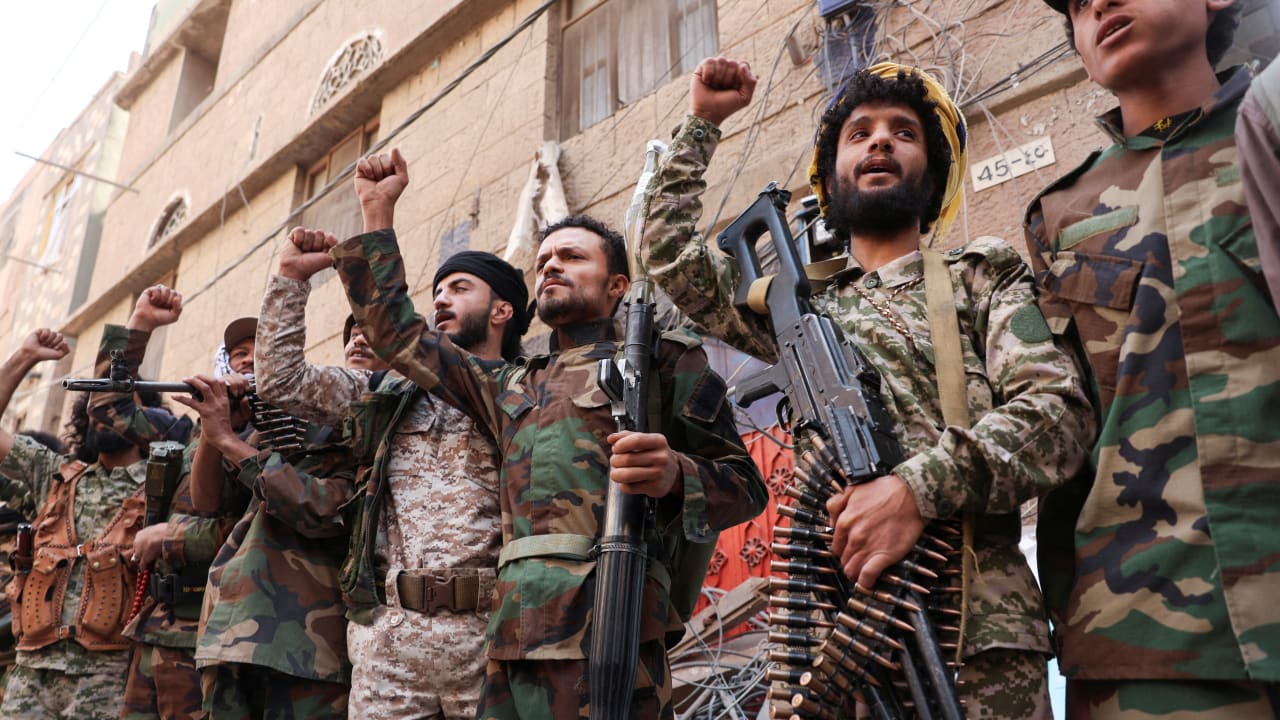
 Protesters, predominantly Houthi supporters, rally to celebrate the ceasefire between Israel and Hamas in Gaza on the day it went into effect, in Sanaa, Yemen, October 10, 2025. (credit: REUTERS/KHALED ABDULLAH)
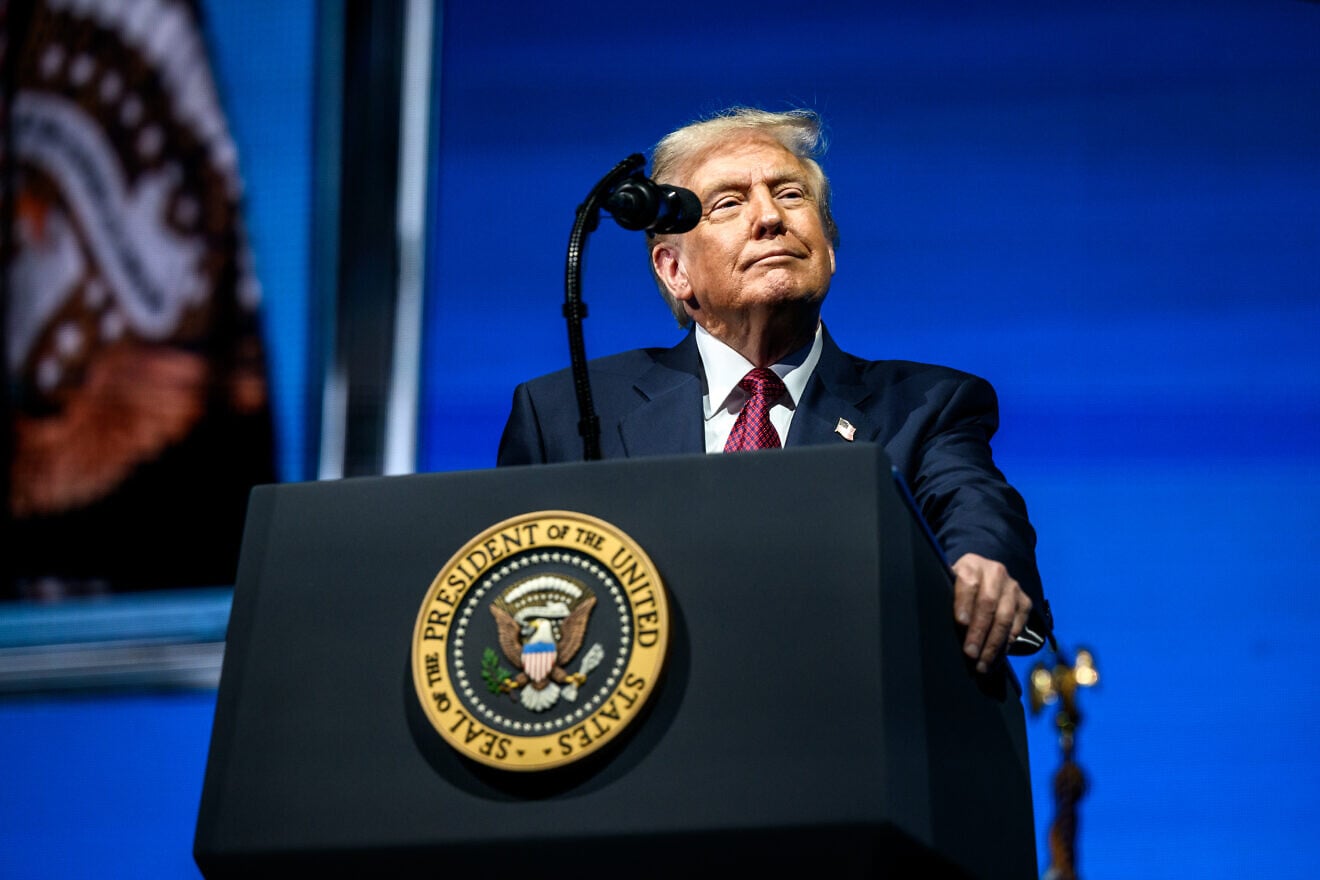 U.S. President Donald Trump delivers remarks at the America Business Forum Miami at the Kaseya Center in Miami, Fla., Nov. 5, 2025. Credit: Molly Riley/White House.