Prime Minister Benjamin Netanyahu leads a cabinet meeting in Jerusalem on January 4, 2026. (Maayan Toaf/GPO)
Prime Minister Benjamin Netanyahu is holding a security consultation in Jerusalem with top advisers and defense officials on a “classified topic,” the office of one of the attendees tells The Times of Israel.
According to Channel 12, the discussion is focusing on Iran and the possibility of a US strike.
Israeli officials do not believe that a limited strike will bring down the regime, and that US President Donald Trump shares their assessment, according to the outlet. Therefore, they assess that Trump will focus a potential attack on physical assets, especially the nuclear and missile programs.
Even in the case of a limited strike, the channel reports, Israel believes that there will be a significant Iranian attack on Israel, to which Jerusalem will respond in force.
Israel also has identified massive pressure from Saudi Arabia, Turkey, Qatar and Oman on the White House to allow them to mediate between Washington and Tehran to find a diplomatic solution, says Channel 12.
A directive from Trump on a potential strike on Iran is expected in the coming days, once all of the US military assets heading to the region are in place, a senior US official tells Channel 12.
Disarmament seen as unlikely without years-long military campaign, security official says, adding that terror group’s civil servants and police force could take year to replace
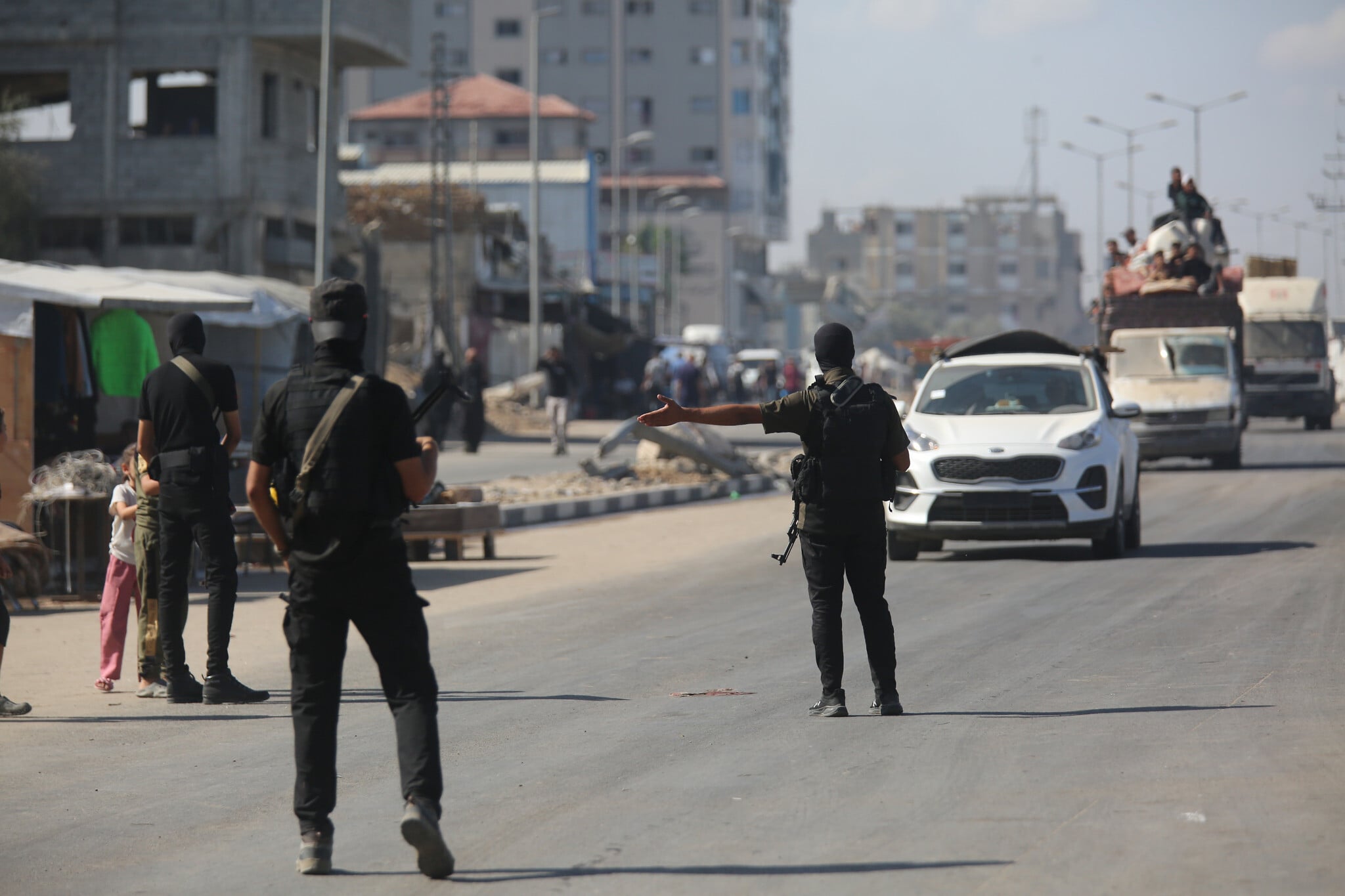
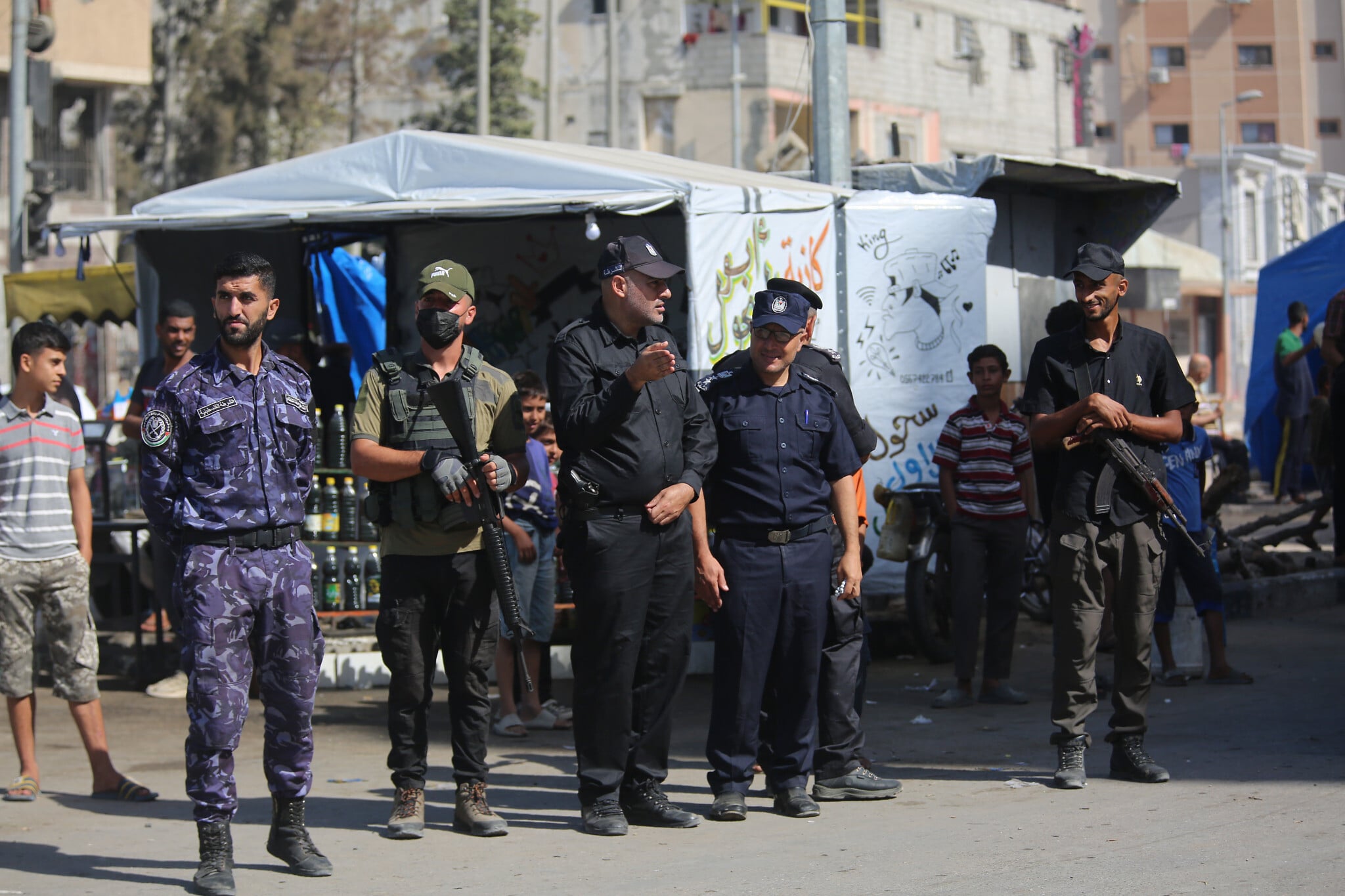
Hamas police forces deploy in Gaza City on October 11, 2025. (Ali Hassan/Flash90)
Israel’s defense establishment believes that Hamas will soon relinquish authority over the Gaza Strip to a newly formed committee of Palestinian technocrats; however, at least in the short term, the terror group would remain de facto in control of the territory, an Israeli security official said Thursday.
Hamas currently retains control of just under half of Gaza following an October ceasefire deal brokered by US President Donald Trump. The agreement, laid out in Trump’s 20-point plan to end the war, ties further Israeli troop withdrawals to the disarmament of Hamas and the demilitarization of Gaza.
While Jerusalem sees Hamas as unlikely to voluntarily disarm, the security official admitted that doing so by force could be expected to take years to achieve, though the goal is attainable.
The ceasefire, now in its second phase, calls for the day-to-day governance of Gaza to be handed to the newly formed National Committee for the Administration of Gaza, or NCAG, a Palestinian technocratic body that is meant to exclude Hamas.
The 12-member technocrat committee is headed by former Palestinian Authority deputy minister Ali Shaath. Several other bodies will oversee Gaza under the umbrella of the Board of Peace, a group of world leaders inaugurated by Trump last week.
Get The Times of Israel’s Daily Editionby email and never miss our top stories
“Protocols are prepared, files are complete, and committees are in place to oversee the handover, ensuring a complete transfer of governance in the Gaza Strip across all sectors to the technocratic committee,” Hamas spokesman Hazem Qassem told AFP on Wednesday.
According to the security official, Israel believes that even if Hamas officially announces that it has handed over control of Gaza to the technocratic government, it would still have tens of thousands of armed members in its military wing and internal security forces across the Strip, as well as civil servants in key roles.
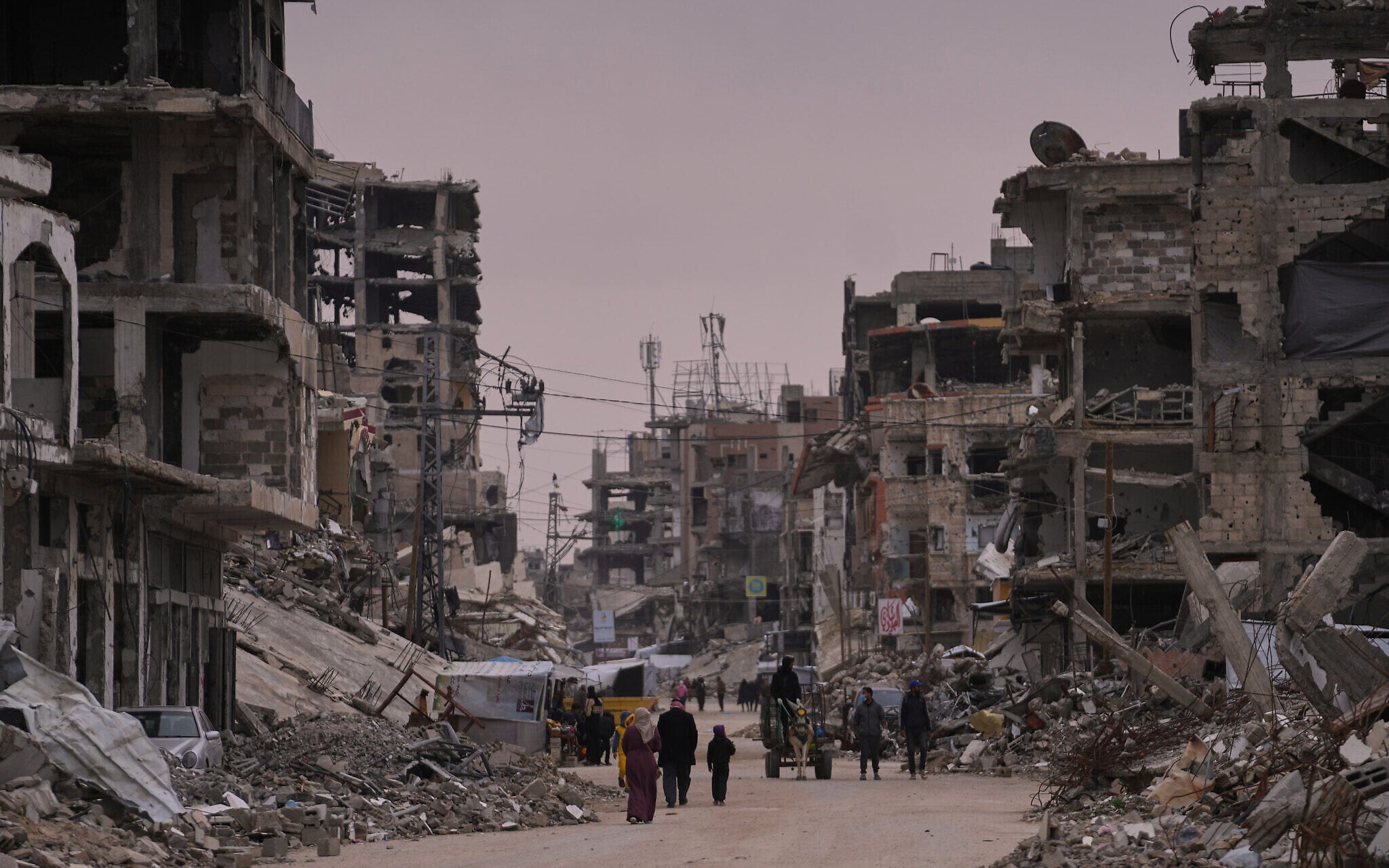
Palestinians walk along a street surrounded by buildings destroyed during Israeli air and ground operations in Khan Younis, southern Gaza Strip, January 22, 2026. (AP Photo/Abdel Kareem Hana)
This week, Reuters reported that the Hamas government urged its more than 40,000 civil servants and security personnel to cooperate with the technocratic body, and assured them it was working to incorporate them into the new government. That would include the roughly 10,000-strong Hamas-run armed police force.
Israel does not distinguish between the military wing of Hamas, its police and internal security forces, or political bureau, considering all as part of the same terror infrastructure. It is unlikely to agree to any inclusion of Hamas in the technocratic government or in any body tasked with policing the Strip’s approximately 2 million residents.
But the Israeli security official conceded that it would likely take a long time — possibly over a year — for the technocrat government to replace Hamas members serving in key roles, such as directors of hospitals and mayors, let alone replacing the entire police force with individuals unaffiliated with Hamas.
Still, some police officers and civil servants currently serving under the Hamas government may be able to transition into the new technocrat government, the security official said, if Israel can verify that they are not “overt” members of the terror group, rather just employed by it.
“There is a simple truth regarding what has happened in Gaza… basically all the people in Gaza — hundreds of thousands of them — either worked for the PA or worked for Hamas. So go find someone — a water engineer, for example — who didn’t work for either body. You won’t find one,” Prime Minister Benjamin Netanyahu said in a press conference on Tuesday.
“We still intend to express our opinion and conduct vetting to [rule out] members of the [Hamas] military wing or other people from all kinds of [terror] groups, who won’t be allowed,” he said.
Netanyahu’s comments would be a welcome development to Arab diplomats who have told The Times of Israel that the premier’s office has been pushing back against the hiring of PA civil servants in what has hamstrung efforts to build around the NCAG.
Hamas police forces deploy in Gaza City on October 11, 2025. (Ali Hassan/Flash90)
In the short term, nothing would change on the ground in Gaza with the handover of authority from Hamas to the technocratic government, the security official said, stressing that the terror group would remain in power — and continue to try and get stronger — both militarily and on the domestic front.
A related sticking point for Israel is the issue of Hamas disarmament, as stipulated in Trump’s plan. Two Hamas officials told Reuters this week that neither Washington nor the mediators had presented the terror group with any detailed or concrete disarmament proposal yet.
The Trump administration wants to see heavy weapons — such as rockets and missiles — decommissioned immediately, with “personal arms” being registered to the technocratic body’s police force. Israel is expected to demand that only handguns be allowed to be used by Gaza’s new police, with assault rifles and any other heavy weapons handed over.
The Israeli security official said it was more likely that the IDF would have to act militarily against Hamas to disarm it, as they believe the terrorist organization will not do so of its own accord. Disarming Hamas with military force is achievable, but would likely take many years, the official said.
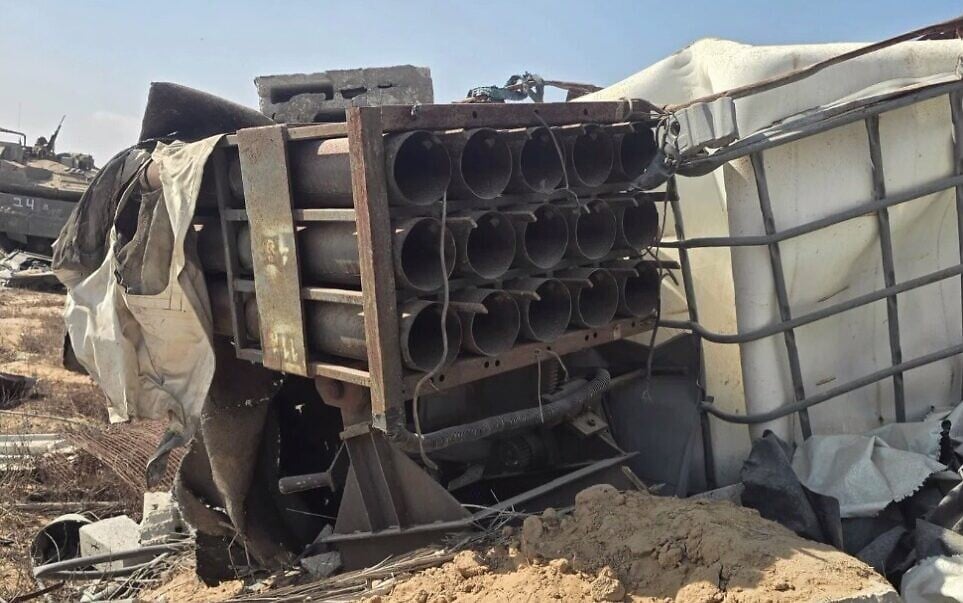
A rocket launcher found by troops in southern Gaza’s Rafah, in a handout photo issued on November 1, 2025. (Israel Defense Forces)
The official also suggested that should Hamas not hand over authority to the technocrats committee and disarm, Israel could resort to the “Hezbollah model,” referring to near-daily strikes on attempts by the Lebanese terror group to rebuild in Lebanon following a November 2024 ceasefire.
And without Hamas disarming, Israel is not expected to withdraw troops from the Strip or approve any rebuilding efforts in the war-torn territory, including plans for a housing compound on the ruins of Rafah, an area controlled by the IDF.
The “New Rafah” residential area includes an Israeli checkpoint to screen those entering, and the official said it could serve as a litmus test for future neighborhoods in what is referred to as “New Gaza,” or the part of Gaza currently under IDF control.
Reopening Rafah
With the recovery of the final hostage held in Gaza, Master Sgt. Ran Gvili, Israel was set to allow the Rafah Crossing between the Strip and Egypt to reopen for pedestrian traffic in both directions in the coming days.
While Israel will not have a physical presence in the crossing itself, anyone moving from Egypt into Gaza will go through IDF-controlled territory. Israel will also maintain oversight by a remote surveillance system at the crossing and be in charge of granting advanced approval to travelers coming in and out of the Gaza Strip.
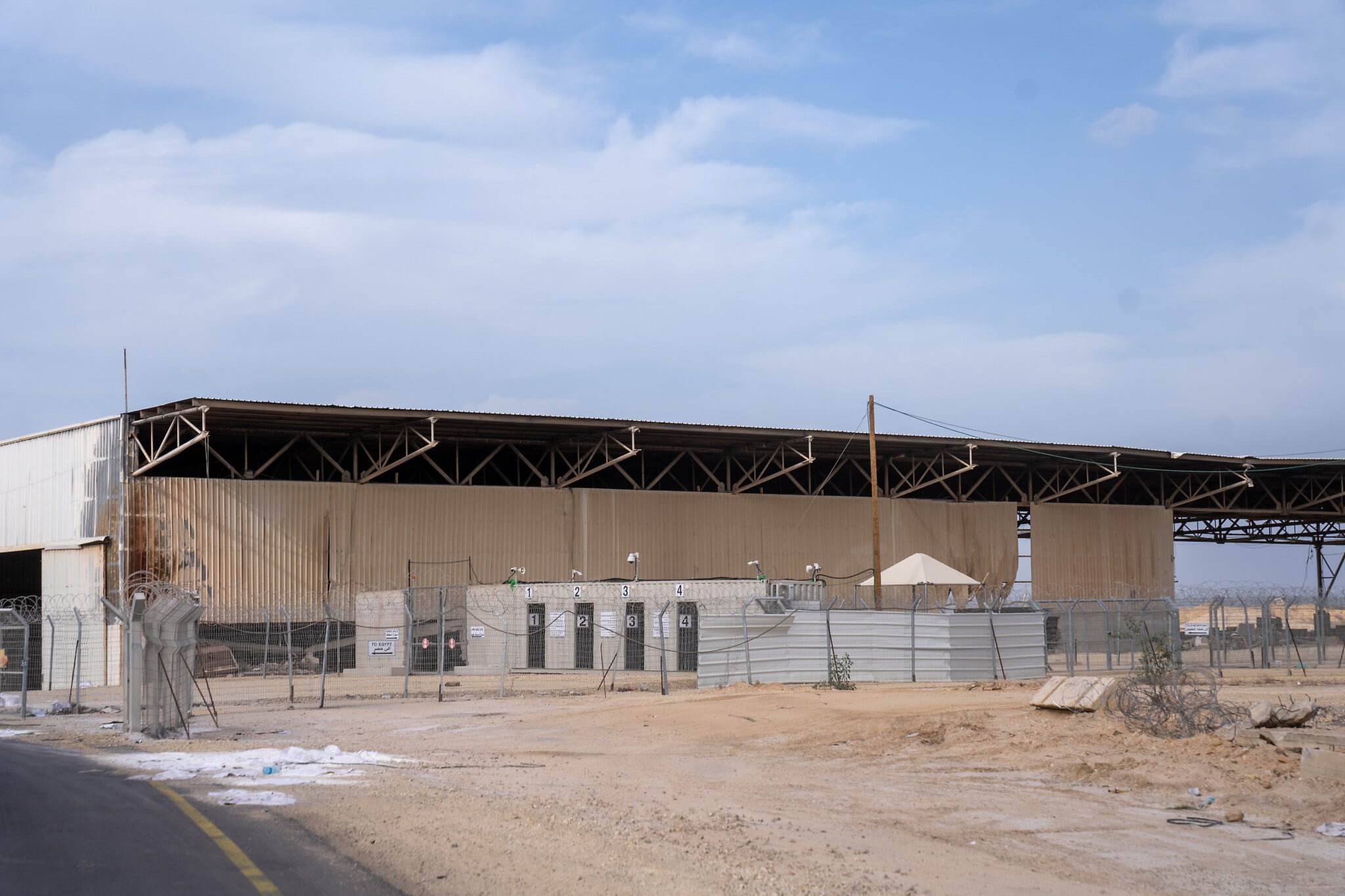
The upgraded Gazan side of the Rafah Crossing with Egypt, pictured on December 8, 2025. (Emanuel Fabian/Times of Israel)
All Gazan Palestinians seeking to enter or leave the Strip will be required to have Egyptian approval, and Egypt was to send the names to Israel’s Shin Bet domestic security service for clearance. Israeli officials said each name would be looked at individually, and if any top terror commanders seek to leave Gaza, they would be denied.
A team of Palestinian Authority representatives and monitors from the European Union stationed at the Rafah Crossing will be tasked with conducting security screenings at the crossing for those leaving the Strip.
Israel will only supervise the exit of Gazans to Egypt remotely. From a control room, Israeli officers, using facial recognition software, will verify that those leaving the Strip are on the list of approved names, and open up a gate at the crossing to allow them through.
The entry into Gaza from Egypt will, however, include an Israeli security screening, as those Palestinians will arrive at an IDF checkpoint after crossing through the Rafah Crossing. Only afterward will they be permitted to continue toward the Hamas-controlled areas of Gaza.
According to data from Israel’s Coordinator of Government Activities in the Territories, some 42,000 Gazans left the Strip during the war, the vast majority of them patients seeking medical treatment abroad or dual citizens.
It is unclear how many Gazans would seek to return to the Strip, and some Israeli officials even estimate that Gaza will see net negative migration in the coming years.
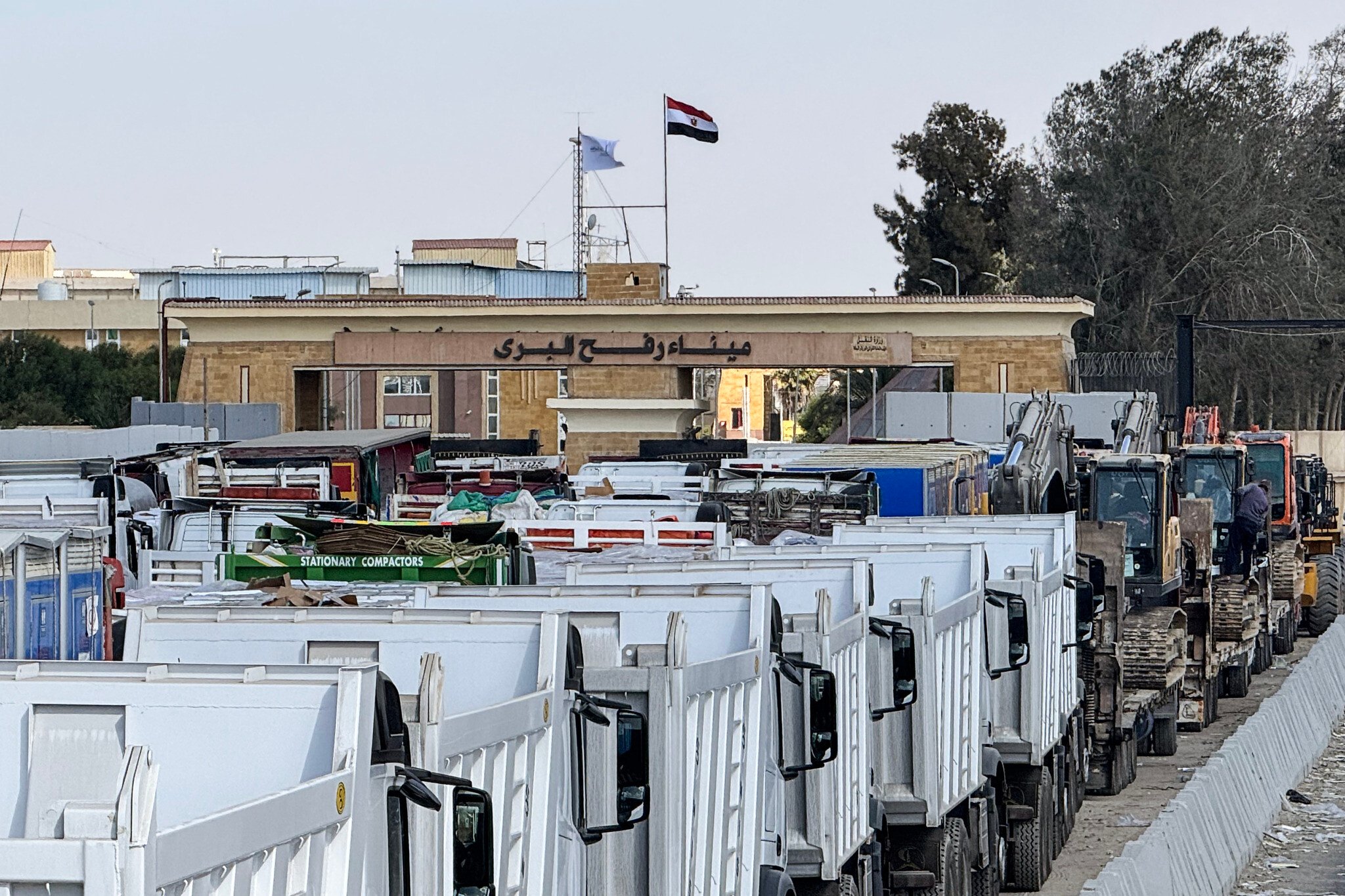
Egyptian trucks and heavy machinery line up on the Egyptian side of the Rafah border crossing with the Gaza Strip on October 26, 2025. (AFP)
According to Netanyahu, 50 Gazans and their families will be permitted to enter via the crossing per day, while there will be no restrictions on the number allowed to leave.
There are no plans to allow the crossing to be used for goods, and Israel has demanded that all trucks go through its checkpoints with the Strip to screen them for prohibited goods, especially weapons.
In the years before the war, Hamas used the Rafah Crossing to bring in numerous weapons and other supplies into the Strip for its military wing, without any Israeli oversight, according to the IDF and security officials.
The Israeli defense establishment is backing an idea for a tri-border crossing between Israel, Egypt, and Gaza, where the current Kerem Shalom Crossing is located.
Under the current ceasefire deal, 600 trucks on average of aid and goods enter the Strip every day, though Israeli security officials have said that this is well beyond the needs of Gazan residents, and that Hamas takes advantage of the oversupply to rebuild the terror group.
Israeli officials said that there is no real way to prevent Hamas from using the aid trucks for its own benefit, though more limited numbers of trucks — in line with what they say are the Strip’s actual needs — would be easier for Israel to monitor.
Attempts to smuggle contraband into Gaza using aid trucks are also expected to rise, security officials said, noting that Israel had so far mainly foiled attempts to bring in cigarettes and other tobacco products, as well as some agricultural products that are prohibited.
There has been no known attempt to smuggle weapons into Gaza using the aid trucks, according to Israeli security officials.
As tensions soar, top adviser to Khamenei vows ‘unprecedented’ response, including against ‘all who support the aggressor,’ while foreign minister warns of ‘fingers on the trigger’
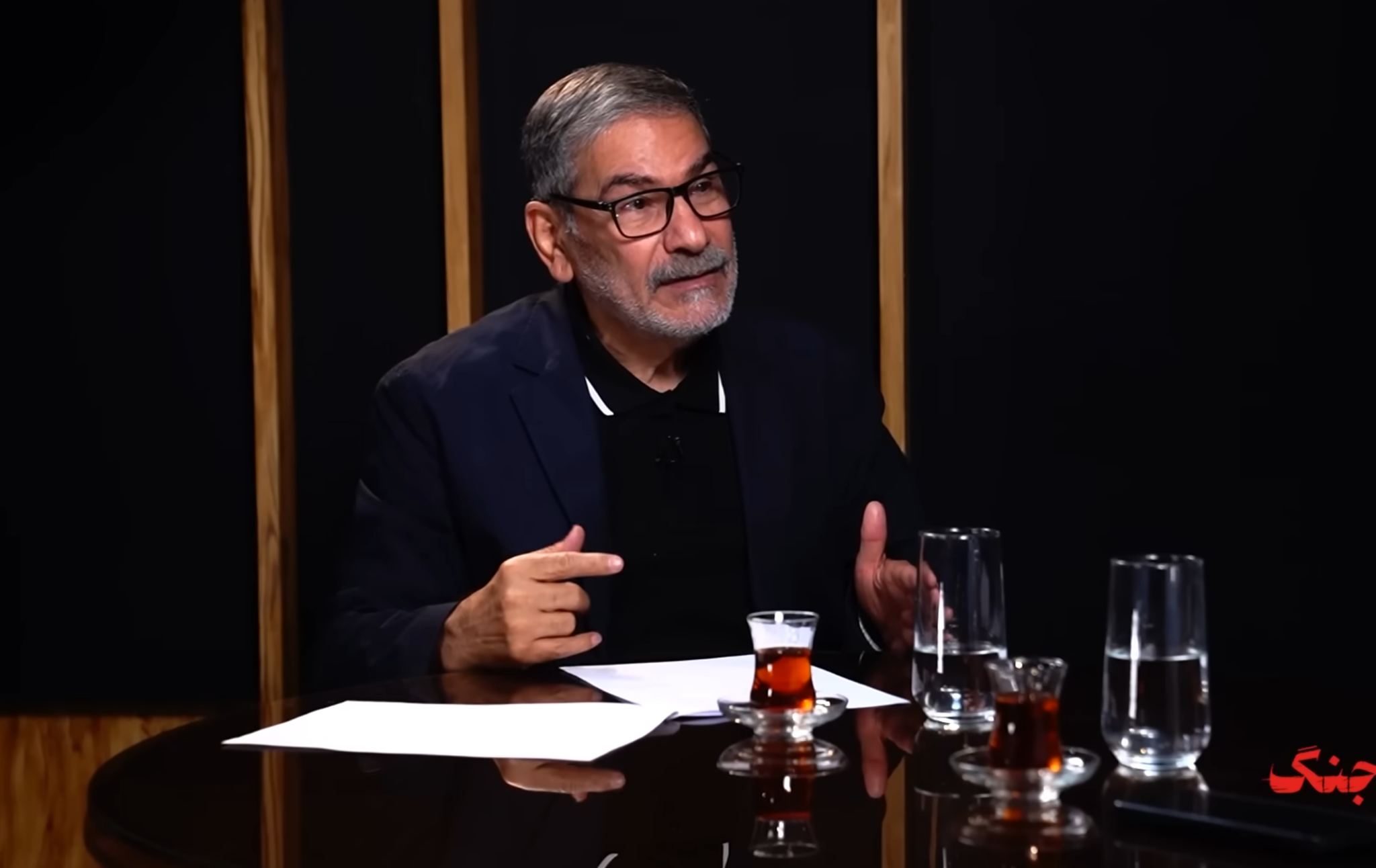
Secretary of Iran’s Supreme National Security Council Ali Shamkhani in an interview, October 2025 (YouTube screenshot)
Iranian officials issued stark warnings Wednesday against any US strike on the country, with a top adviser to Iran’s supreme leader threatening that Tehran would attack Israel in any such event with an “unprecedented” retaliation, including “at the heart of Tel Aviv.”
In posts to X both in Persian and in Hebrew, Ali Shamkhani, secretary of Iran’s Supreme National Security Council, said: “A limited [US] strike is an illusion. Any military action by America, of any kind and at any level, will be considered the start of a war, and the response will be immediate, comprehensive, and unprecedented, directed at the aggressor, at the heart of Tel Aviv, and at all who support the aggressor.”
Meanwhile, Foreign Minister Abbas Araghchi also warned that Iran’s forces would respond forcefully to any US military operation, but did not rule out a new deal on Tehran’s nuclear program.
“Our brave Armed Forces are prepared — with their fingers on the trigger — to immediately and powerfully respond to ANY aggression against our beloved land, air, and sea,” he said on X.
“At the same time, Iran has always welcomed a mutually beneficial, fair and equitable NUCLEAR DEAL — on equal footing, and free from coercion, threats, and intimidation — which ensures Iran’s rights to PEACEFUL nuclear technology, and guarantees NO NUCLEAR WEAPONS.”
And reacting to a Trump post on US forces’ preparations for a possible strike, Tehran’s mission to the United Nations said on the platform: “Iran stands ready for dialogue based on mutual respect and interests—BUT IF PUSHED, IT WILL DEFEND ITSELF AND RESPOND LIKE NEVER BEFORE!”
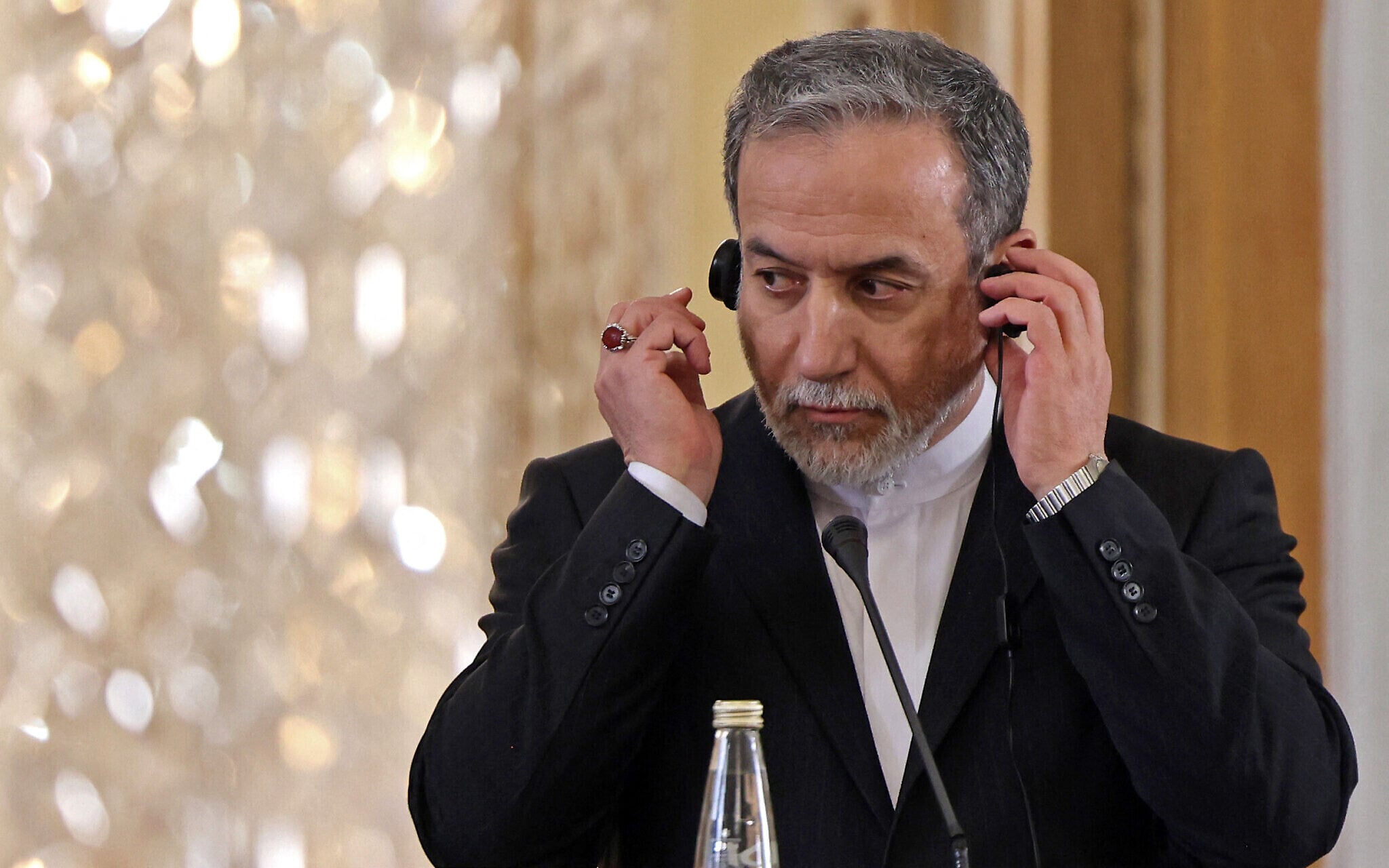
Iranian Foreign Minister Abbas Araghchi attends a joint press conference with his Iraqi counterpart Fuad Hussein, in Tehran, Iran, on January 18, 2026. (ATTA KENARE / AFP)
In his latest post on Truth Social, Trump did not mention this month’s deadly crackdown on anti-government protests, but said Iran needed to negotiate a deal over its nuclear program, which the West believes is aimed at making an atomic bomb.
Trump has not ruled out an attack after the violent repression of protests that began in late December and peaked on January 8 and 9. Estimates on the death toll range from some 6,000 to over 30,000.
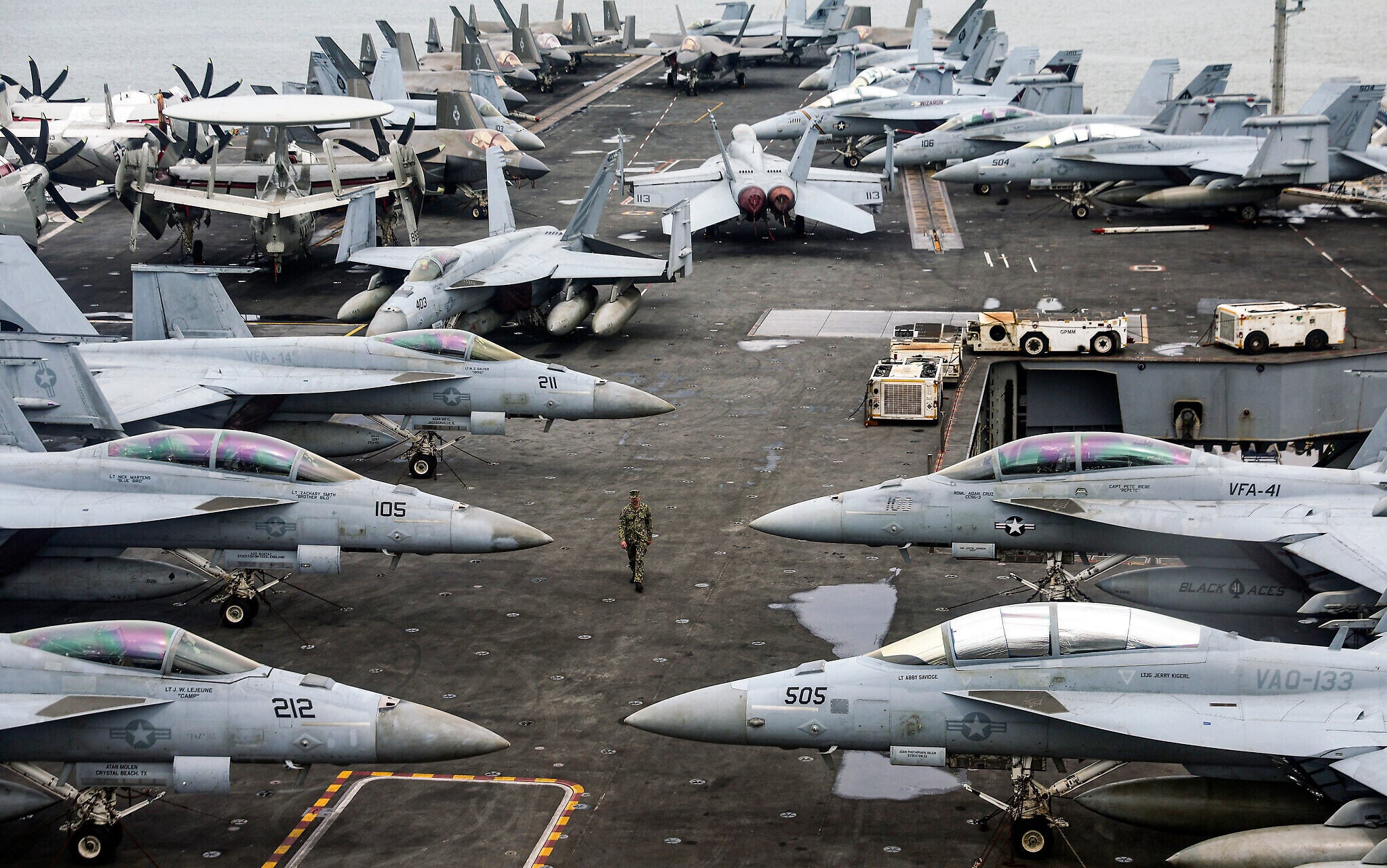
A US naval strike group that Trump described as an “armada” led by aircraft carrier the USS Abraham Lincoln is now lurking in Middle East waters.
“Hopefully Iran will quickly ‘Come to the Table’ and negotiate a fair and equitable deal — NO NUCLEAR WEAPONS — one that is good for all parties. Time is running out, it is truly of the essence!” said Trump. “The next attack will be far worse! Don’t make that happen again,” he added.
In June last year, the US carried out strikes on Iranian nuclear sites during Israel’s 12-day war against the Islamic Republic.
Since Iran launched its crackdown on protests earlier this month, accompanied by a blanket internet blackout, Trump has given mixed signals on intervention, which some opponents of Tehran’s clerical leadership see as the only way to bring about change.
Trump’s top diplomat Marco Rubio said Wednesday that the Iranian leadership was at its weakest ever point. He told the Senate Foreign Relations Committee that Tehran was threatened by its inability to address the fact “that their economy is in collapse,” calling it the root of the protests.
A US Navy officer walks past fighter jets sitting on the flight deck of the Nimitz-class aircraft carrier USS Abraham Lincoln, during a media tour in Port Klang, on the outskirts of Kuala Lumpur, on November 26, 2024. (Fazry Ismail/Pool/AFP)
Meanwhile, Germany’s leader Friedrich Merz predicted the Islamic Republic’s “days are numbered.” He suggested it could be a “matter of weeks” until the Iranian government was no longer in charge of the country.
“A regime that can only hold onto power through sheer violence and terror against its own population: its days are numbered,” he said at a press conference.
‘Severe damage’
Analysts say US options include strikes on military facilities or targeted hits against the leadership under Ayatollah Ali Khamenei, in a full-scale bid to bring down the system that has ruled Iran since the 1979 Islamic Revolution that ousted the shah.
Before Trump’s comments were published, Araghchi said “conducting diplomacy through military threat cannot be effective or useful.”
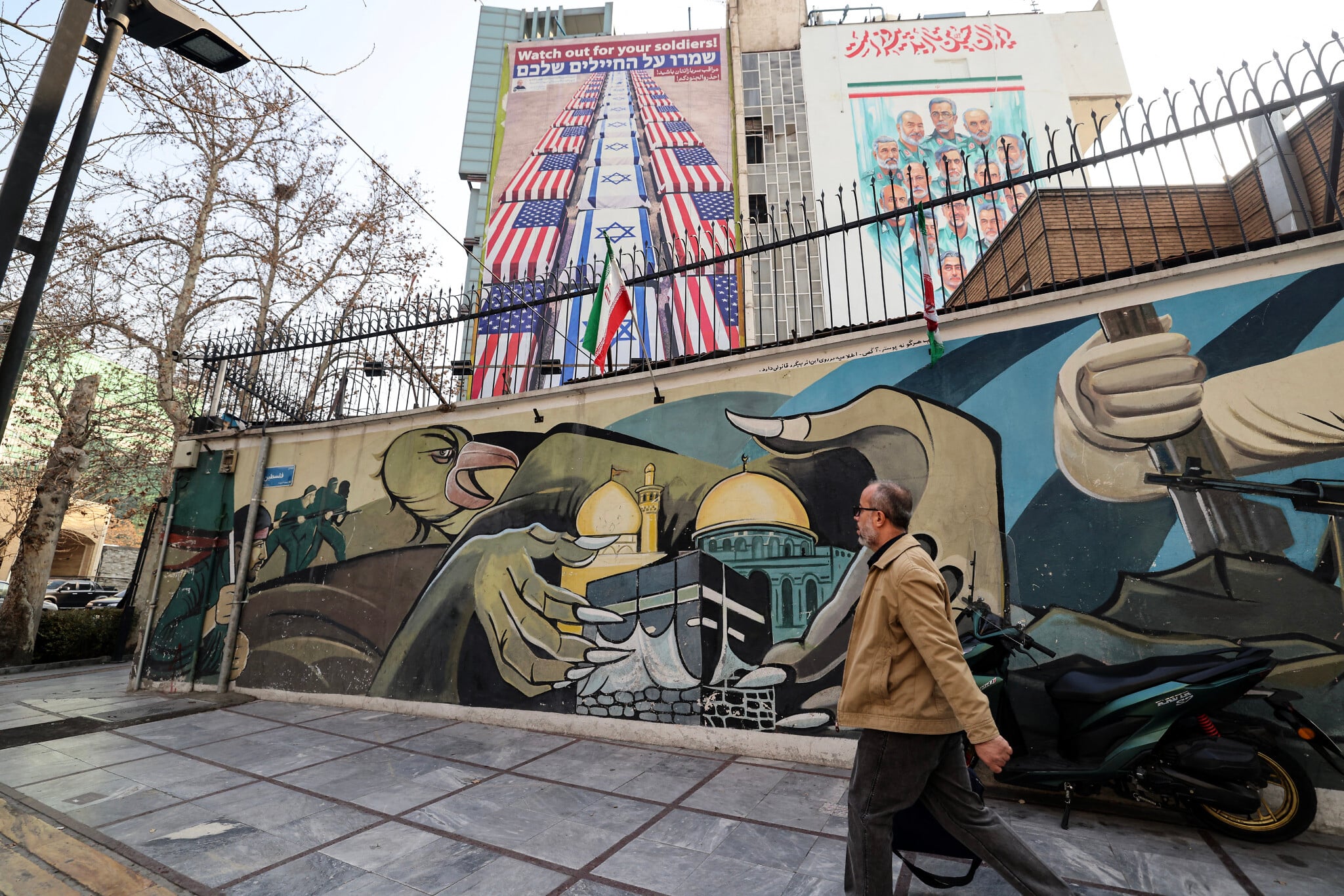
An Iranian man walks past an anti-US and anti-Israel banner hanging on a building in Palestine Square in Tehran on January 27, 2026. (ATTA KENARE / AFP)
In televised comments, Araghchi said he had “no contact” with US Middle East envoy Steve Witkoff in recent days and that Tehran had “not sought negotiations.”
Iranian armed forces chief of staff Habibollah Sayyari warned the US against any “miscalculation,” saying that “they too would suffer damage.”
Following a call on Tuesday between Iranian President Masoud Pezeshkian and de facto Saudi leader Crown Prince Mohammed bin Salman, Iran reached out to other US allies in the region.
The Secretary of Iran’s Supreme National Security Council Ali Larijani spoke with Qatari Prime Minister Sheikh Mohammed bin Abdulrahman Al Thani, who is also the foreign minister, both sides said.
Sheikh Mohammed emphasized Qatar’s support for “all efforts aimed at reducing escalation and achieving peaceful solutions,” the Qatari foreign ministry said.
Egyptian Foreign Minister Badr Abdelatty, meanwhile, held separate calls with both Araghchi and Witkoff, and stressed the need to “work towards de-escalation,” the Egyptian foreign ministry said.
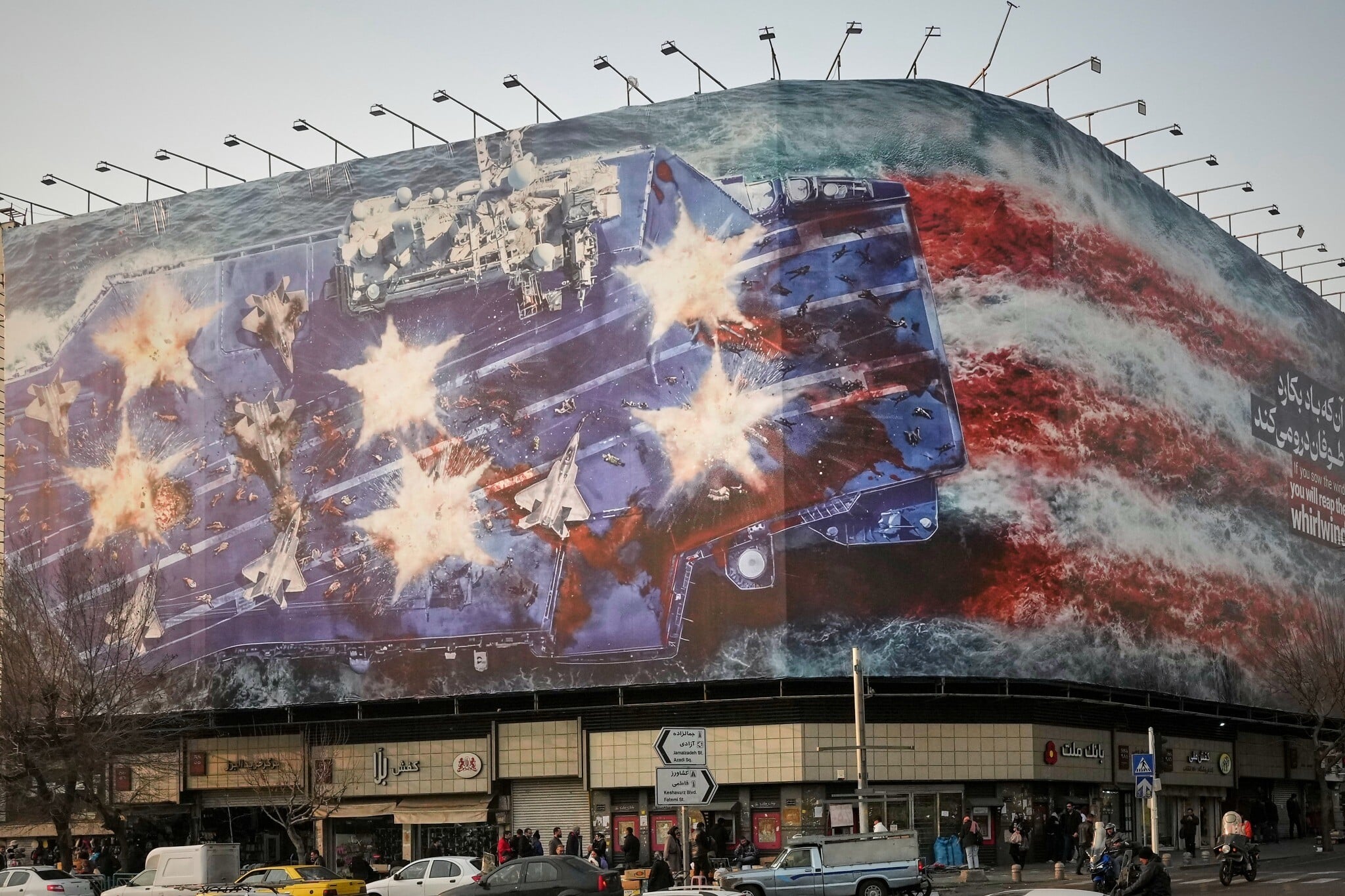
A billboard depicting a damaged US aircraft carrier with disabled fighter jets on its deck and a sign reading in Farsi and English, “If you sow the wind, you’ll reap the whirlwind,” at Enghelab Square in Tehran, Iran, January 25, 2026. (AP Photo/Vahid Salemi)
Turkey’s Foreign Minister Hakan Fidan told Al-Jazeera television: “It’s wrong to attack Iran. It’s wrong to start the war again.” He urged Washington to reopen talks on the nuclear standoff.
The New York Times, citing American and European officials, said that Western officials were demanding that Iran end all uranium enrichment, limitations on ballistic missile production and Tehran halting all backing for proxy groups in the Middle East, including Hezbollah, Hamas and Yemen’s Houthis.
‘New dimensions of crackdown’
In an updated toll, the US-based Human Rights Activists News Agency (HRANA) said it had confirmed that 6,221 people had been killed, including 5,856 protesters, 100 minors, 214 members of the security forces and 49 bystanders.
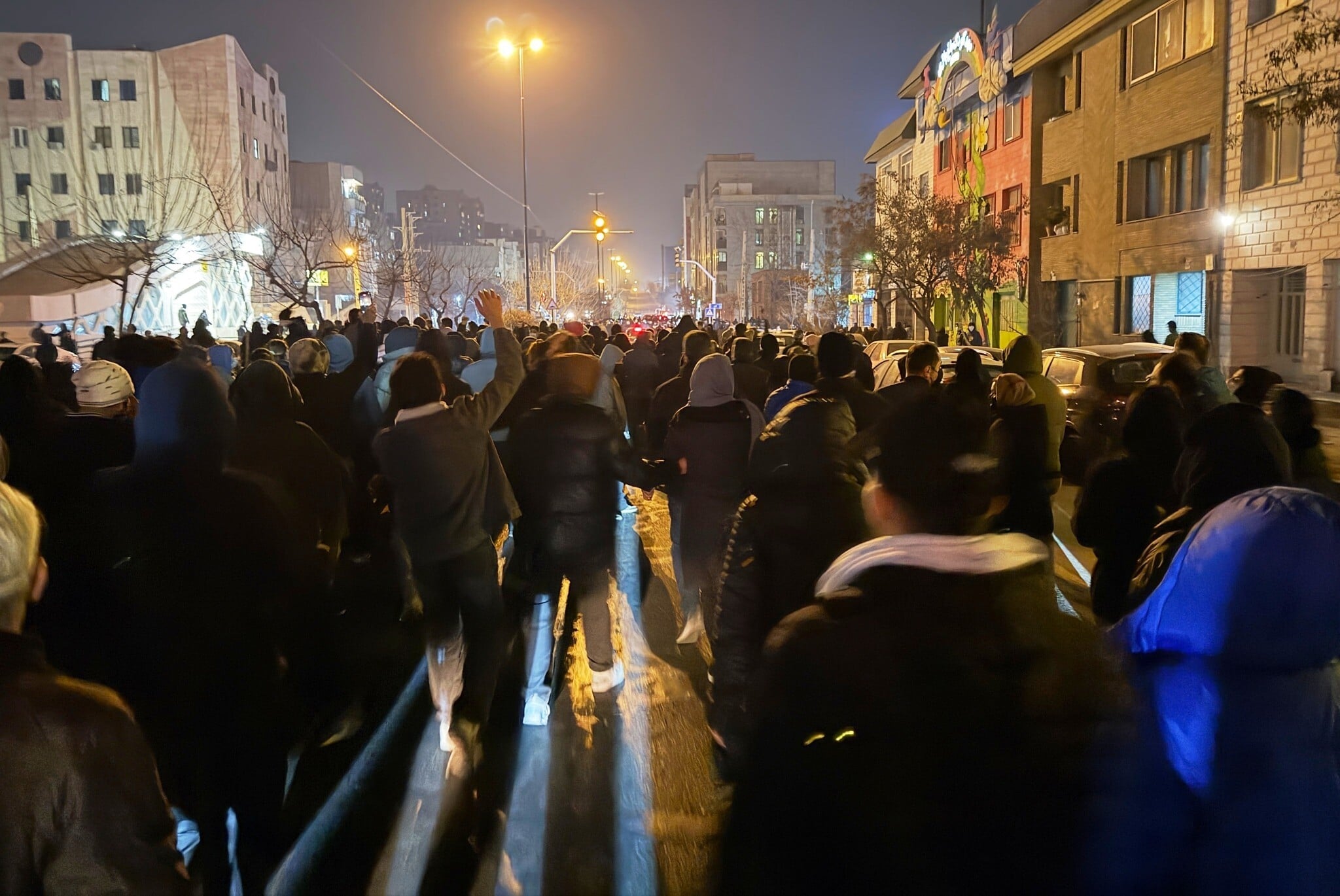
In this photo obtained by The Associated Press, Iranians attend an anti-government protest in Tehran, Iran, January 8, 2026. (UGC via AP)
But the group added it was still investigating another 17,091 possible fatalities. At least 42,324 people have been arrested, it said.
Time Magazine and opposition-aligned website Iran International have reported that over 30,000 may have been killed.
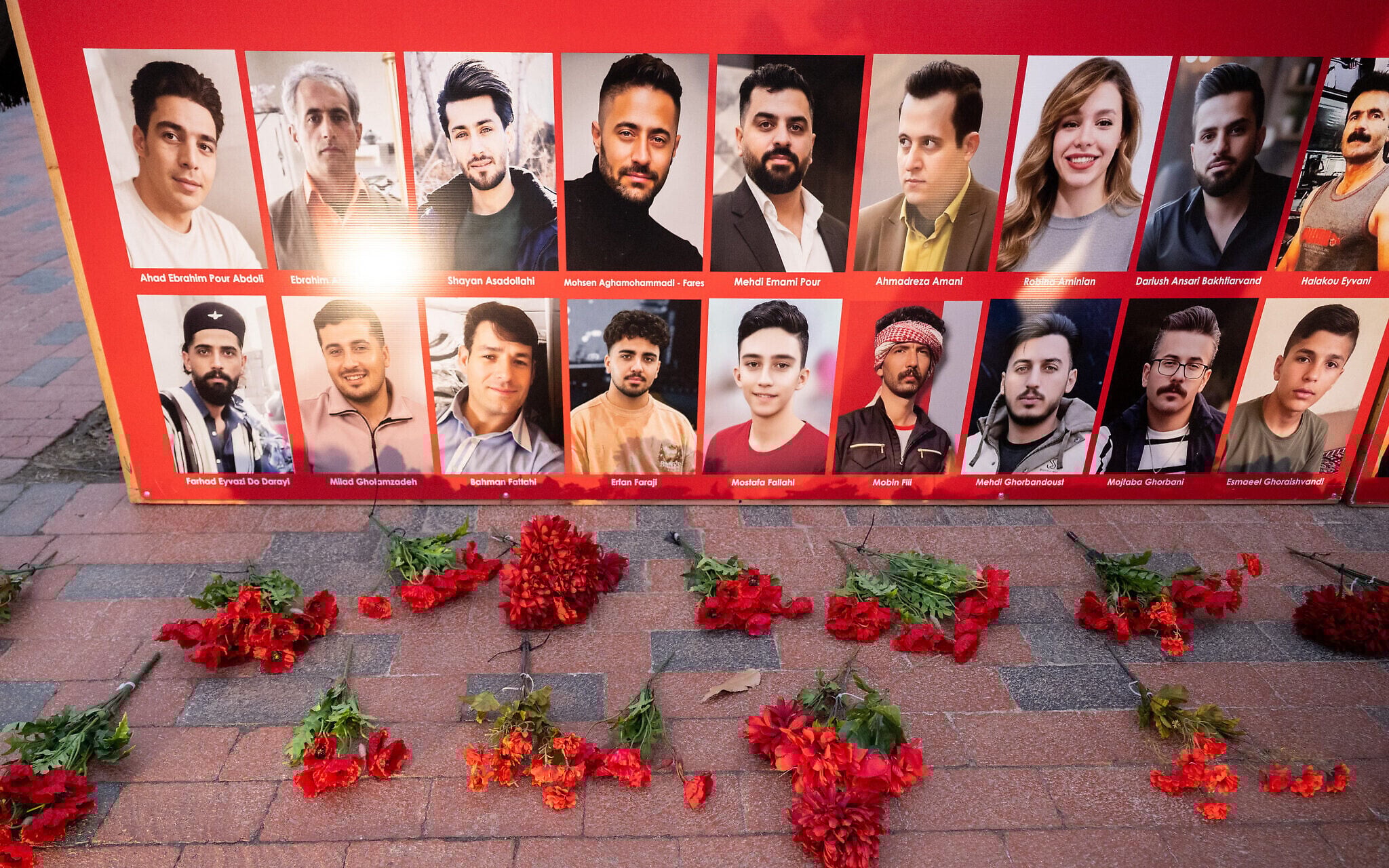
Flowers are placed next to a display with photos of Iranian people killed during the recent protests in Iran, during a rally and vigil in their honor by Iranian Americans, outside the White House in Washington, January 16, 2026. (Saul Loeb/AFP)
HRANA warned that security forces were searching hospitals for wounded protesters, saying this highlighted “new dimensions of the continued security crackdown.”
HRANA said a trial in Malard outside Tehran on Tuesday of a man accused of the death of a police officer was the first such hearing linked to the protests.
It was a “starting point for a broad series of trials” that would be “aimed at imposing severe penalties on protesters,” HRANA said.
Meanwhile, Iran on Wednesday executed a man arrested last year on charges of spying for Israel’s Mossad spy agency, the judiciary said.