
As tensions soar, top adviser to Khamenei vows ‘unprecedented’ response, including against ‘all who support the aggressor,’ while foreign minister warns of ‘fingers on the trigger’
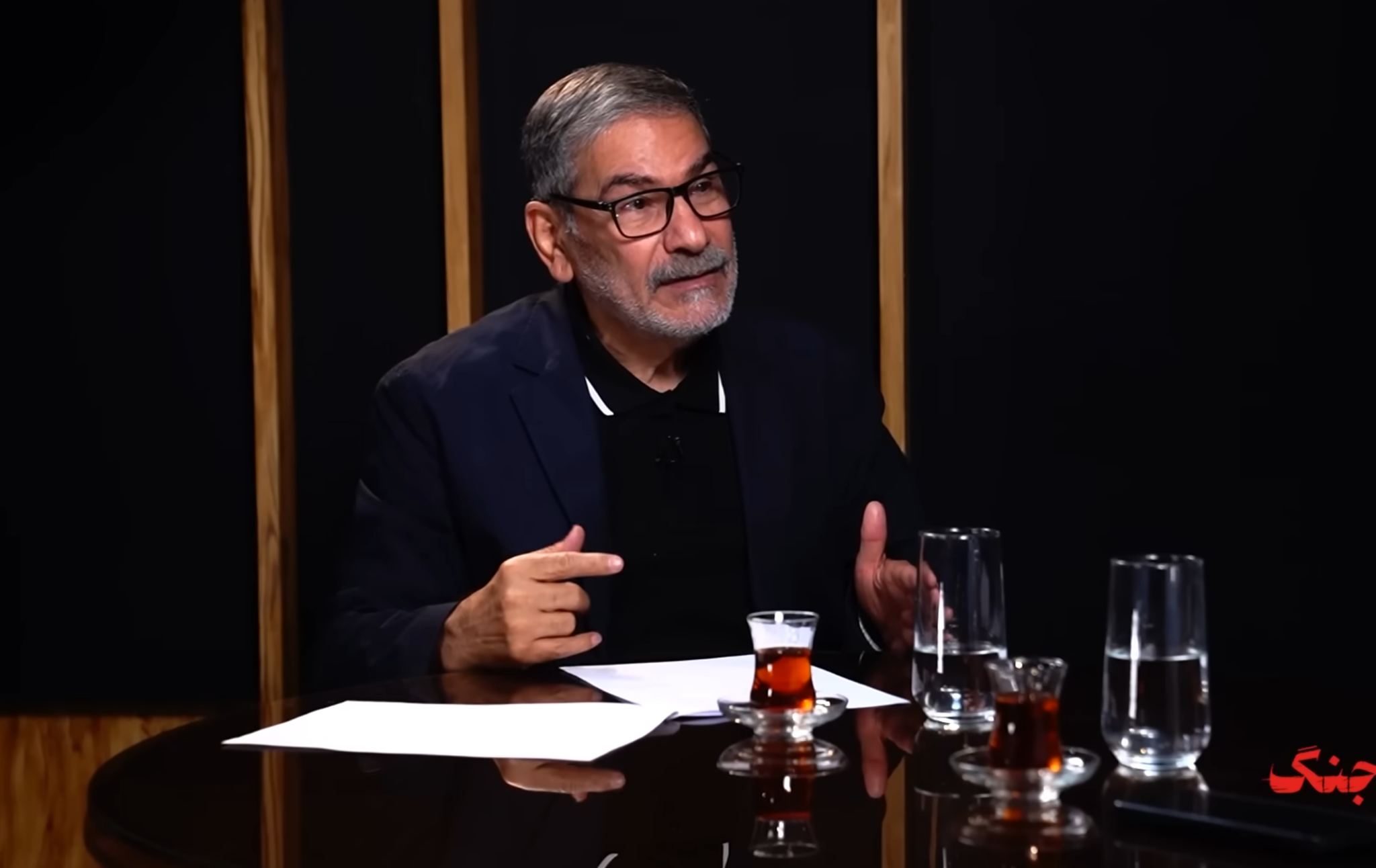
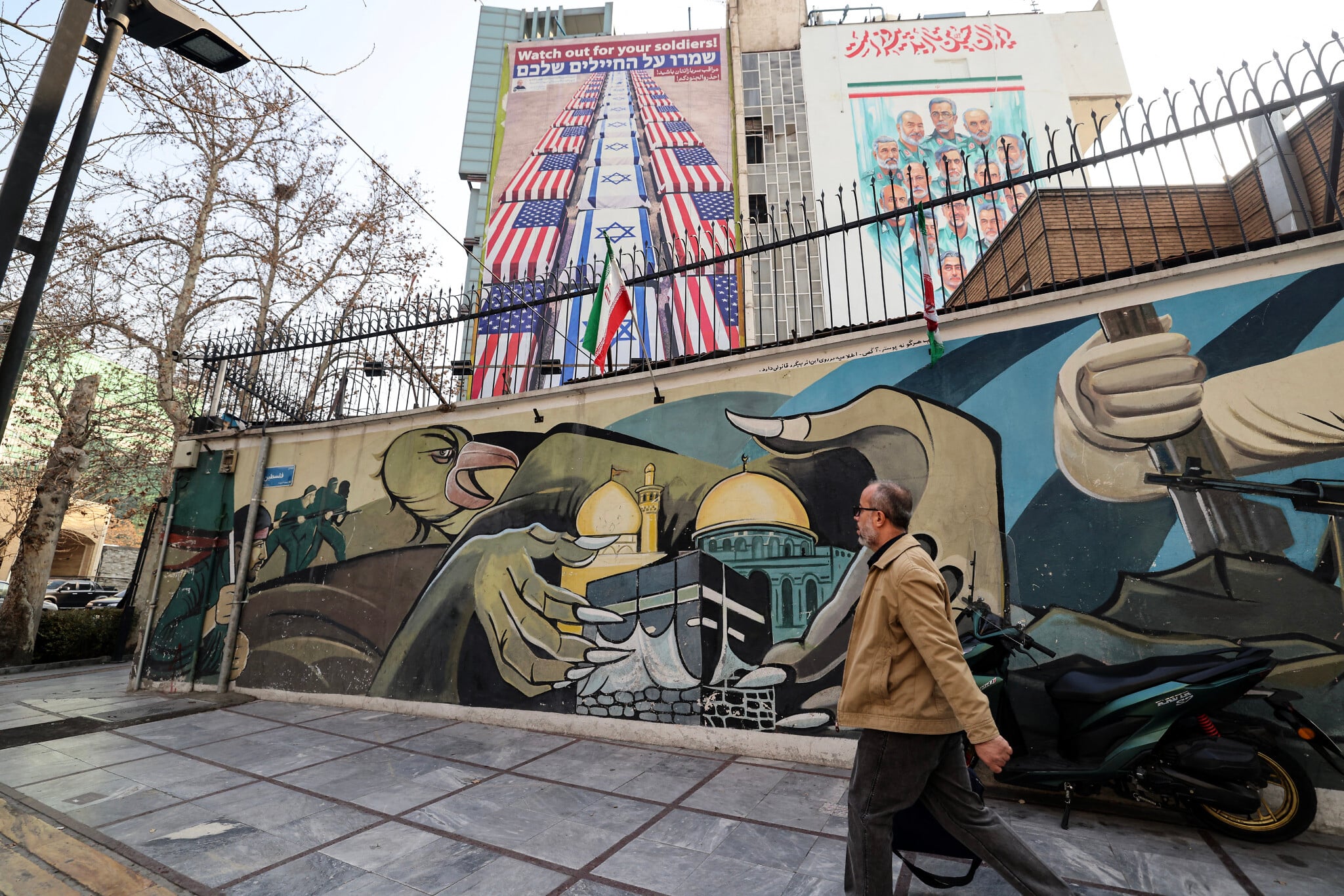
Iranian officials issued stark warnings Wednesday against any US strike on the country, with a top adviser to Iran’s supreme leader threatening that Tehran would attack Israel in any such event with an “unprecedented” retaliation, including “at the heart of Tel Aviv.”
In posts to X both in Persian and in Hebrew, Ali Shamkhani, secretary of Iran’s Supreme National Security Council, said: “A limited [US] strike is an illusion. Any military action by America, of any kind and at any level, will be considered the start of a war, and the response will be immediate, comprehensive, and unprecedented, directed at the aggressor, at the heart of Tel Aviv, and at all who support the aggressor.”
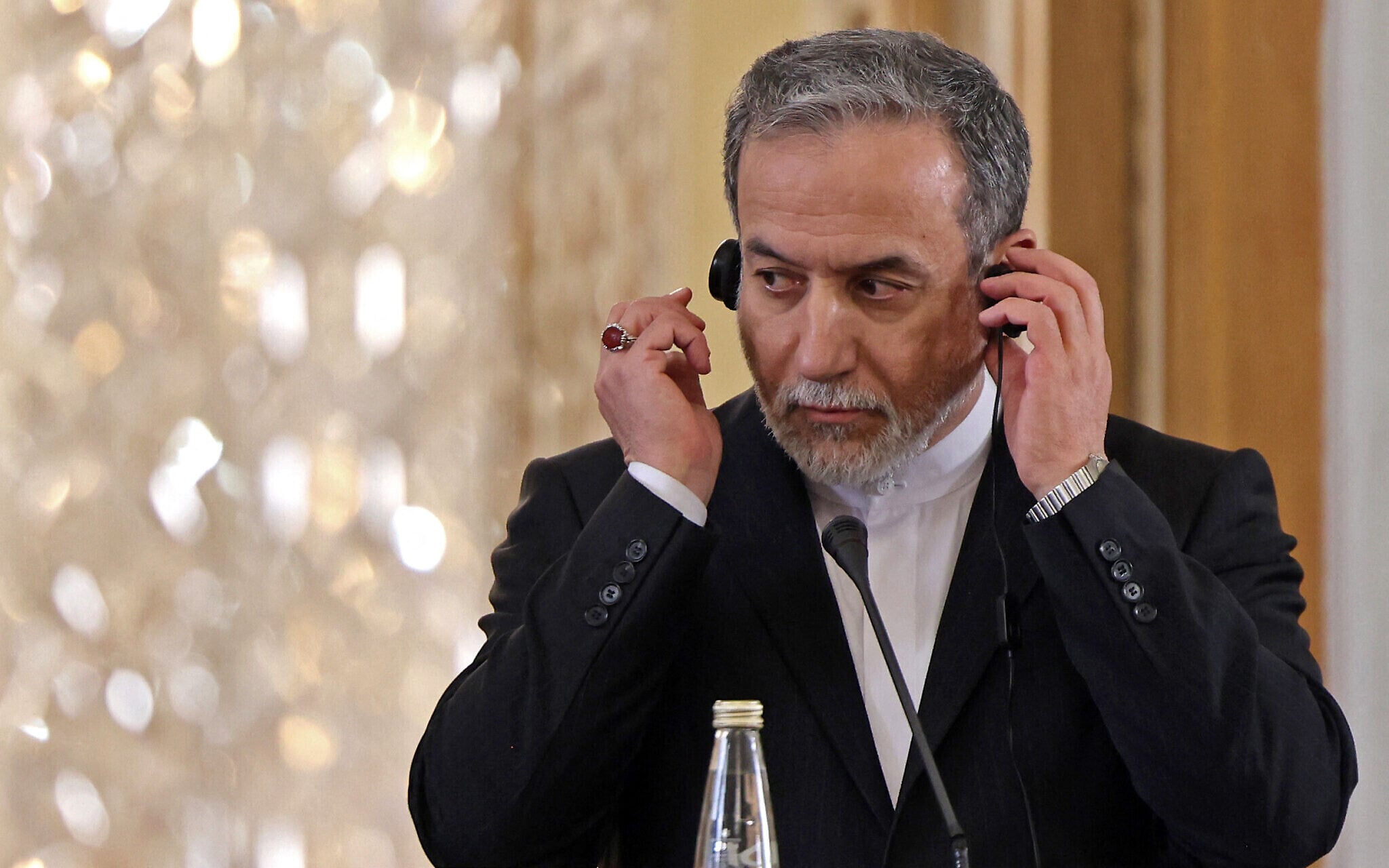
Meanwhile, Foreign Minister Abbas Araghchi also warned that Iran’s forces would respond forcefully to any US military operation, but did not rule out a new deal on Tehran’s nuclear program.
“Our brave Armed Forces are prepared — with their fingers on the trigger — to immediately and powerfully respond to ANY aggression against our beloved land, air, and sea,” he said on X.
“At the same time, Iran has always welcomed a mutually beneficial, fair and equitable NUCLEAR DEAL — on equal footing, and free from coercion, threats, and intimidation — which ensures Iran’s rights to PEACEFUL nuclear technology, and guarantees NO NUCLEAR WEAPONS.”
In his latest post on Truth Social, Trump did not mention this month’s deadly crackdown on anti-government protests, but said Iran needed to negotiate a deal over its nuclear program, which the West believes is aimed at making an atomic bomb.
Trump has not ruled out an attack after the violent repression of protests that began in late December and peaked on January 8 and 9. Estimates on the death toll range from some 6,000 to over 30,000.
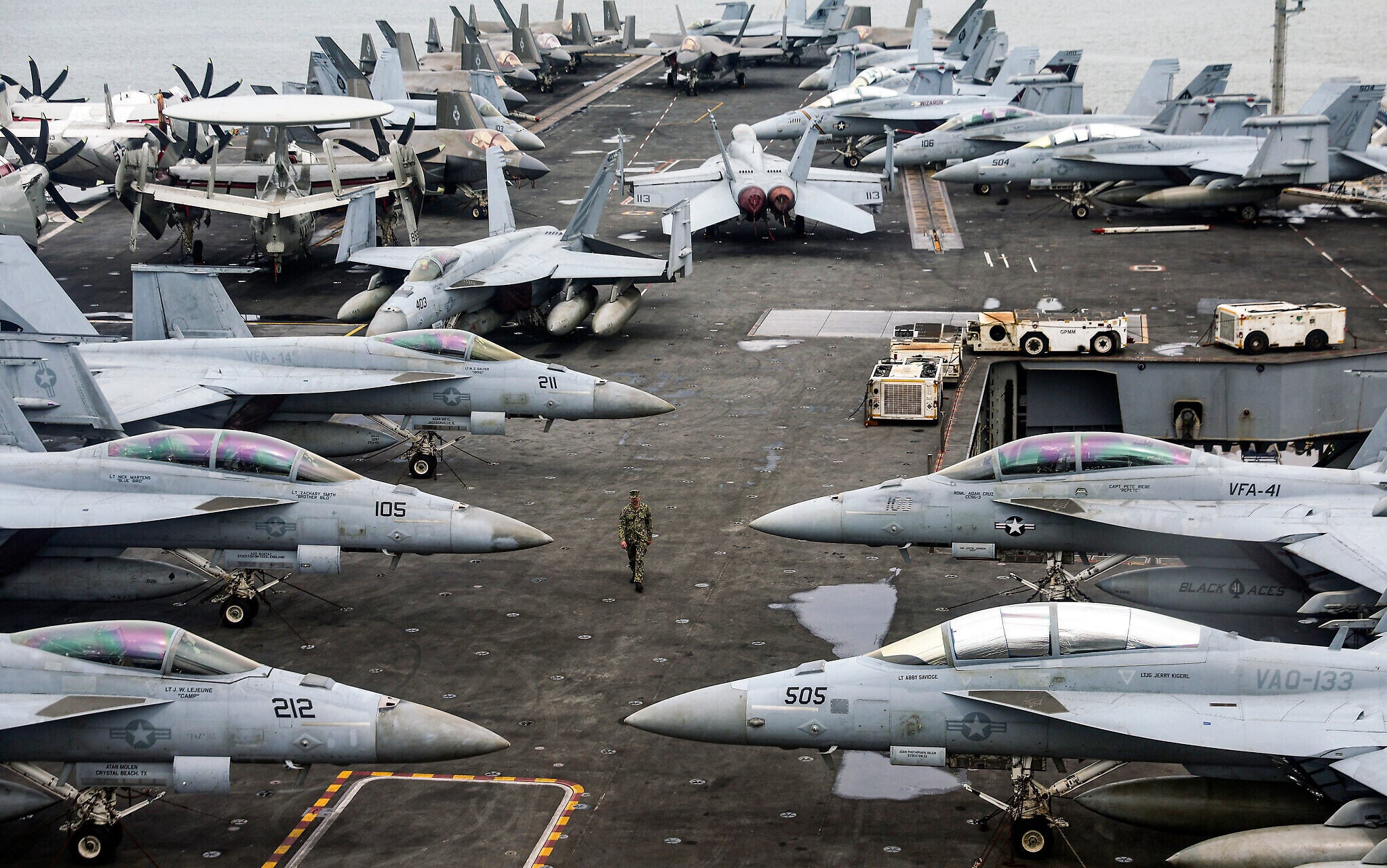
A US naval strike group that Trump described as an “armada” led by aircraft carrier the USS Abraham Lincoln is now lurking in Middle East waters.
“Hopefully Iran will quickly ‘Come to the Table’ and negotiate a fair and equitable deal — NO NUCLEAR WEAPONS — one that is good for all parties. Time is running out, it is truly of the essence!” said Trump. “The next attack will be far worse! Don’t make that happen again,” he added.
In June last year, the US carried out strikes on Iranian nuclear sites during Israel’s 12-day war against the Islamic Republic.
Since Iran launched its crackdown on protests earlier this month, accompanied by a blanket internet blackout, Trump has given mixed signals on intervention, which some opponents of Tehran’s clerical leadership see as the only way to bring about change.
Trump’s top diplomat Marco Rubio said Wednesday that the Iranian leadership was at its weakest ever point. He told the Senate Foreign Relations Committee that Tehran was threatened by its inability to address the fact “that their economy is in collapse,” calling it the root of the protests.
Meanwhile, Germany’s leader Friedrich Merz predicted the Islamic Republic’s “days are numbered.” He suggested it could be a “matter of weeks” until the Iranian government was no longer in charge of the country.
“A regime that can only hold onto power through sheer violence and terror against its own population: its days are numbered,” he said at a press conference.
‘Severe damage’
Analysts say US options include strikes on military facilities or targeted hits against the leadership under Ayatollah Ali Khamenei, in a full-scale bid to bring down the system that has ruled Iran since the 1979 Islamic Revolution that ousted the shah.
Before Trump’s comments were published, Araghchi said “conducting diplomacy through military threat cannot be effective or useful.”
In televised comments, Araghchi said he had “no contact” with US Middle East envoy Steve Witkoff in recent days and that Tehran had “not sought negotiations.”
Iranian armed forces chief of staff Habibollah Sayyari warned the US against any “miscalculation,” saying that “they too would suffer damage.”
Following a call on Tuesday between Iranian President Masoud Pezeshkian and de facto Saudi leader Crown Prince Mohammed bin Salman, Iran reached out to other US allies in the region.
The Secretary of Iran’s Supreme National Security Council Ali Larijani spoke with Qatari Prime Minister Sheikh Mohammed bin Abdulrahman Al Thani, who is also the foreign minister, both sides said.
Sheikh Mohammed emphasized Qatar’s support for “all efforts aimed at reducing escalation and achieving peaceful solutions,” the Qatari foreign ministry said.
Egyptian Foreign Minister Badr Abdelatty, meanwhile, held separate calls with both Araghchi and Witkoff, and stressed the need to “work towards de-escalation,” the Egyptian foreign ministry said.
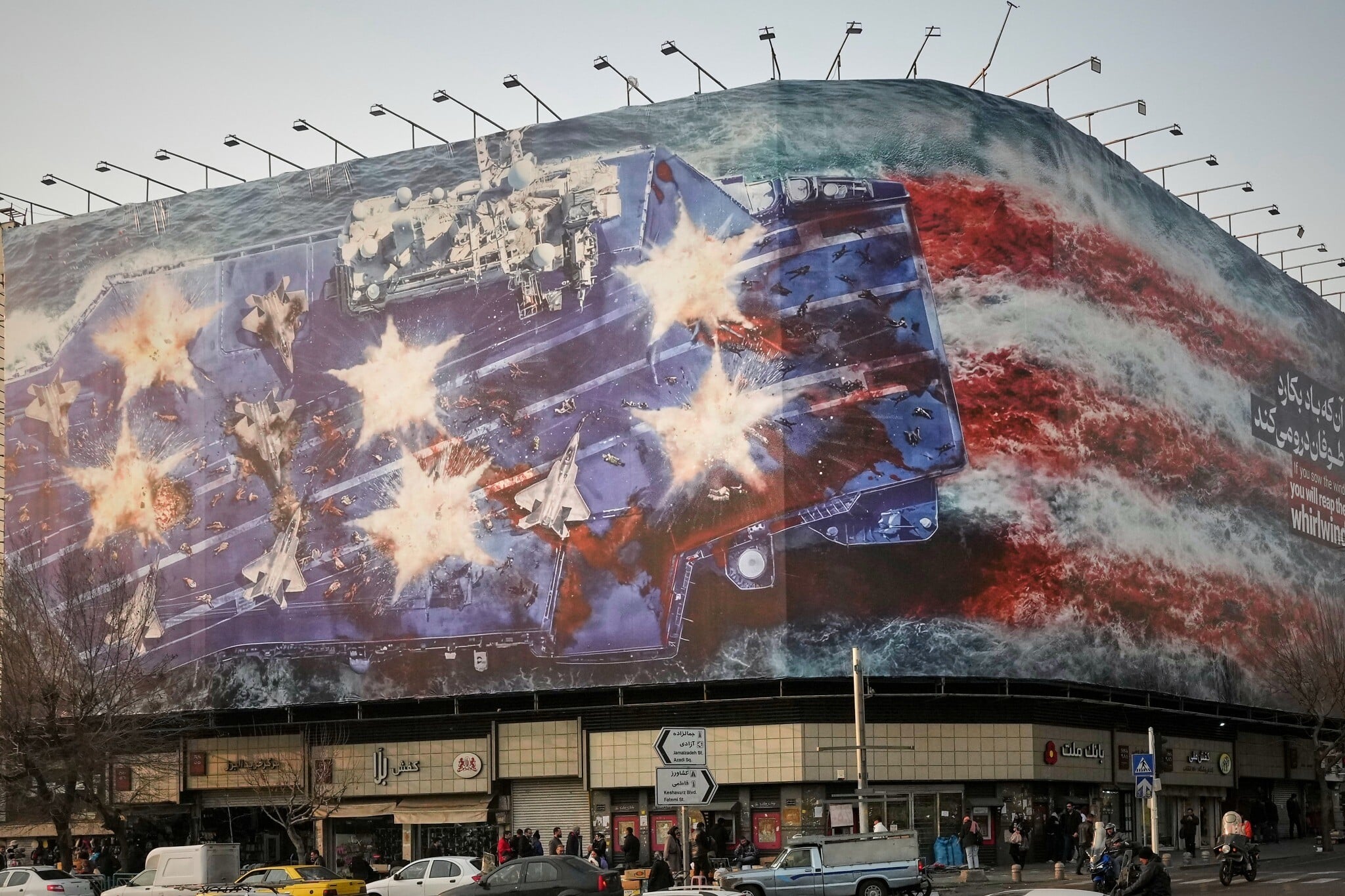
Turkey’s Foreign Minister Hakan Fidan told Al-Jazeera television: “It’s wrong to attack Iran. It’s wrong to start the war again.” He urged Washington to reopen talks on the nuclear standoff.
The New York Times, citing American and European officials, said that Western officials were demanding that Iran end all uranium enrichment, limitations on ballistic missile production and Tehran halting all backing for proxy groups in the Middle East, including Hezbollah, Hamas and Yemen’s Houthis.
‘New dimensions of crackdown’
In an updated toll, the US-based Human Rights Activists News Agency (HRANA) said it had confirmed that 6,221 people had been killed, including 5,856 protesters, 100 minors, 214 members of the security forces and 49 bystanders.

But the group added it was still investigating another 17,091 possible fatalities. At least 42,324 people have been arrested, it said.
Time Magazine and opposition-aligned website Iran International have reported that over 30,000 may have been killed.
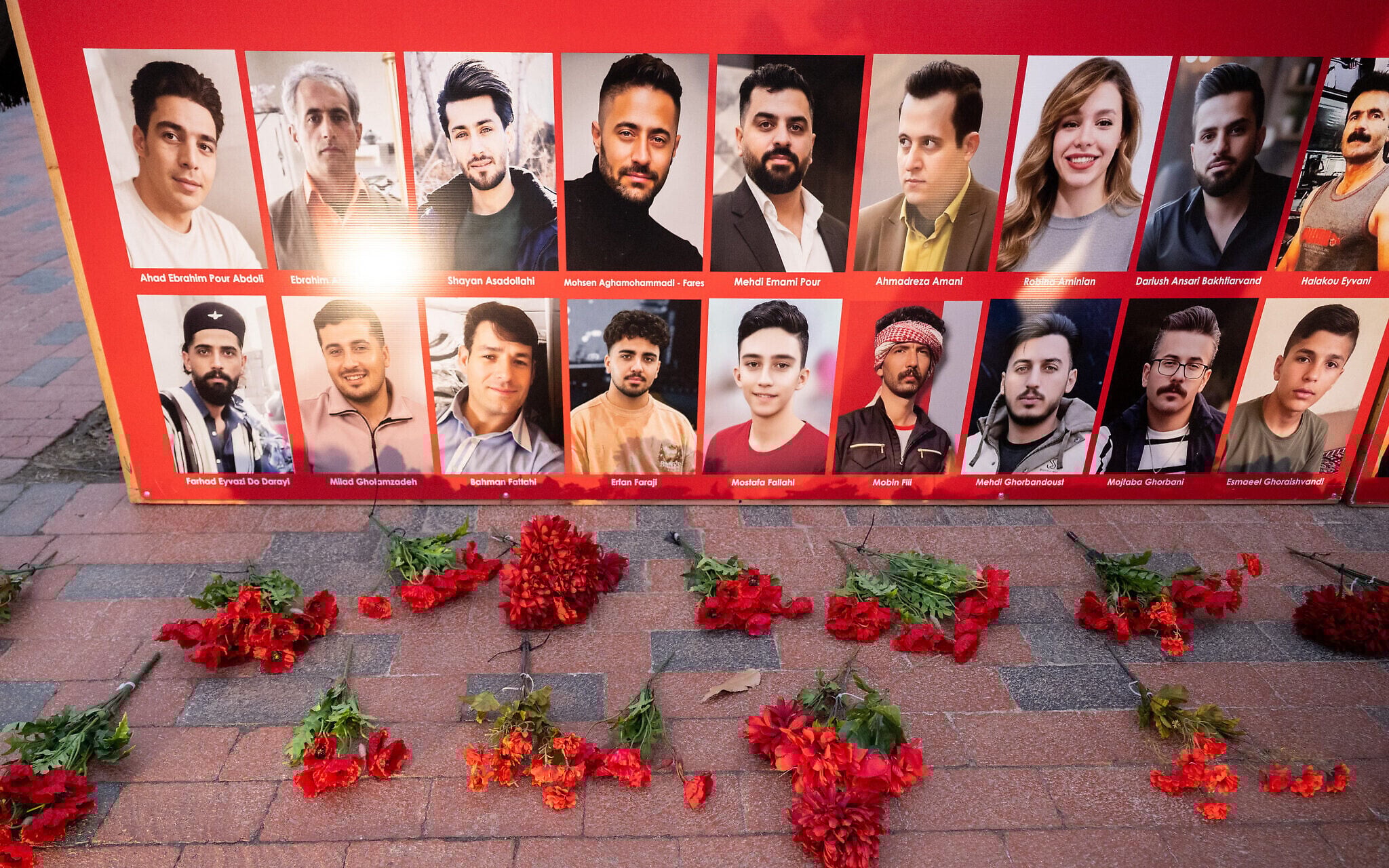
HRANA warned that security forces were searching hospitals for wounded protesters, saying this highlighted “new dimensions of the continued security crackdown.”
HRANA said a trial in Malard outside Tehran on Tuesday of a man accused of the death of a police officer was the first such hearing linked to the protests.
It was a “starting point for a broad series of trials” that would be “aimed at imposing severe penalties on protesters,” HRANA said.
Meanwhile, Iran on Wednesday executed a man arrested last year on charges of spying for Israel’s Mossad spy agency, the judiciary said.
 U.S. Ambassador to Israel Mike Huckabee speaks with Alex Traiman, CEO of the Jewish News Syndicate during the International Conference on Combating Antisemitism in Jerusalem, Jan. 27, 2026. Photo by Matt Kaminsky/JNS.
(Jan. 28, 2026 / JNS)
U.S. Ambassador to Israel Mike Huckabee said Tuesday that “many plates of poison” are coming from Iran, and that it is best to “burn the kitchen down” than simply “changing the menu,” amid the possibility of a looming US military strike on the Iranian regime.
His comments come as the United States is increasing its military presence in the region amid threats to attack Iran in the wake of the violent repression of anti-government protests there.
“Many plates of poison—Hamas, Islamic Jihad, Hezbollah, the Houthis—are being served all out of the same kitchen, Tehran,” Huckabee said in conversation with JNS CEO Alex Traiman at the International Conference on Combating Antisemitism in Jerusalem. “You can change the menu; better to burn the kitchen down and not let them serve those plates anymore.”
He said that Christians need to understand that they will be the next target of the Islamists.
“You have been the appetizer; we are the entrée,” he said.
Trump as the ‘ultimate pragmatist’
Huckabee said that he sees U.S. President Donald Trump as the “ultimate pragmatist,” who is “always thinking ‘will it work?’ ‘Will it make things better?’”
“He has been the most effective president in my lifetime and the most consequential when it comes to foreign policy,” he said.
Antisemitism on the left
The staunchly pro-Israel Baptist minister-turned ambassador said that the root of Jew hatred was spiritual at its core.
“If you don’t believe there is a God, or that you are your own God, or that the environment is your God, then your first target is naturally Jews,” said Huckabee. “When people hate God, they’re naturally going to hate the people who, throughout history, from the time on Mount Moriah right here in Jerusalem, represented those whom God first spoke to in a very personal and real way.”
“The root of Jew hatred is not political, not economic, but spiritual,” he said.
Antisemitism on the right
Huckabee, who has not shied away from denouncing antisemites on his own side of the political spectrum, such as conservative commentator Tucker Carlson, said that antisemitism on the right has “grown very rapidly because it is profitable.”
“It doesn’t make sense that a man in his 50s, whom I’ve known for years with a completely different worldview and base, suddenly flipped,” Huckabee said of Carlson. “What happened? I don’t know. Is it more profitable for him to do what he’s doing now than what he was doing when he was at Fox News? He wouldn’t be doing it if it wasn’t.”
Unique focus on antisemitism
No single president, either Democrat or Republican, has focused on antisemitism the way Trump has, said Huckabee, citing both Trump’s Jewish daughter and grandchildren and unflinching support for the State of Israel from his first term in office until today.
“Deep down, Trump believes if you bless Israel, you will be blessed; if you curse Israel, you will be cursed,” said Huckabee.
U.S. Ambassador to Israel Mike Huckabee speaks with Alex Traiman, CEO of the Jewish News Syndicate during the International Conference on Combating Antisemitism in Jerusalem, Jan. 27, 2026. Photo by Matt Kaminsky/JNS.
(Jan. 28, 2026 / JNS)
U.S. Ambassador to Israel Mike Huckabee said Tuesday that “many plates of poison” are coming from Iran, and that it is best to “burn the kitchen down” than simply “changing the menu,” amid the possibility of a looming US military strike on the Iranian regime.
His comments come as the United States is increasing its military presence in the region amid threats to attack Iran in the wake of the violent repression of anti-government protests there.
“Many plates of poison—Hamas, Islamic Jihad, Hezbollah, the Houthis—are being served all out of the same kitchen, Tehran,” Huckabee said in conversation with JNS CEO Alex Traiman at the International Conference on Combating Antisemitism in Jerusalem. “You can change the menu; better to burn the kitchen down and not let them serve those plates anymore.”
He said that Christians need to understand that they will be the next target of the Islamists.
“You have been the appetizer; we are the entrée,” he said.
Trump as the ‘ultimate pragmatist’
Huckabee said that he sees U.S. President Donald Trump as the “ultimate pragmatist,” who is “always thinking ‘will it work?’ ‘Will it make things better?’”
“He has been the most effective president in my lifetime and the most consequential when it comes to foreign policy,” he said.
Antisemitism on the left
The staunchly pro-Israel Baptist minister-turned ambassador said that the root of Jew hatred was spiritual at its core.
“If you don’t believe there is a God, or that you are your own God, or that the environment is your God, then your first target is naturally Jews,” said Huckabee. “When people hate God, they’re naturally going to hate the people who, throughout history, from the time on Mount Moriah right here in Jerusalem, represented those whom God first spoke to in a very personal and real way.”
“The root of Jew hatred is not political, not economic, but spiritual,” he said.
Antisemitism on the right
Huckabee, who has not shied away from denouncing antisemites on his own side of the political spectrum, such as conservative commentator Tucker Carlson, said that antisemitism on the right has “grown very rapidly because it is profitable.”
“It doesn’t make sense that a man in his 50s, whom I’ve known for years with a completely different worldview and base, suddenly flipped,” Huckabee said of Carlson. “What happened? I don’t know. Is it more profitable for him to do what he’s doing now than what he was doing when he was at Fox News? He wouldn’t be doing it if it wasn’t.”
Unique focus on antisemitism
No single president, either Democrat or Republican, has focused on antisemitism the way Trump has, said Huckabee, citing both Trump’s Jewish daughter and grandchildren and unflinching support for the State of Israel from his first term in office until today.
“Deep down, Trump believes if you bless Israel, you will be blessed; if you curse Israel, you will be cursed,” said Huckabee.
 U.S. President Donald Trump gestures to the crowd after delivering remarks at the House GOP Member Retreat in Washington, D.C., Jan. 6, 2026. Photo by Daniel Torok/White House.
(Jan. 28, 2026 / JNS)
U.S. President Donald Trump warned Iran in a Truth Social post on Wednesday that “a massive armada” is making its way to the region and advised it to negotiate a settlement on its nuclear program as time was running out.
“A massive Armada is heading to Iran. It is moving quickly, with great power, enthusiasm, and purpose. It is a larger fleet, headed by the great Aircraft Carrier Abraham Lincoln, than that sent to Venezuela. Like with Venezuela, it is ready, willing, and able to rapidly fulfill its mission, with speed and violence, if necessary,” Trump posted.
“Hopefully Iran will quickly ‘Come to the Table’ and negotiate a fair and equitable deal—NO NUCLEAR WEAPONS—one that is good for all parties. Time is running out, it is truly of the essence,” he added.
Trump further warned Iran that if it didn’t make a deal, the next attack would be far worse than the previous “Operation Midnight Hammer,” in which the United States dropped 12 GBU-57 Massive Ordnance Penetrator (MOP) bombs, also known as bunker busters, on the Fordow nuclear facility, on June 22, 2025. A submarine also fired 30 Tomahawk missiles at the Natanz and Isfahan nuclear sites.
Iran’s mission to the United Nations, responding on its official X account, warned that U.S. wars in Afghanistan and Iran “squandered over $7 trillion and lost more than 7,000 American lives.” It said it was ready for dialogue based “on mutual respect and interests” but would defend itself “like never before” if attacked.
Complicating U.S. efforts, Saudi Arabia said on Tuesday that it will not allow American forces to use its airspace or territory to launch an attack on Iran, echoing a similar stance by the United Arab Emirates on Monday.
Saudi Crown Prince Mohammed bin Salman conveyed his position in a call directly to Iranian President Masoud Pezeshkian, The Wall Street Journal reported.
On Monday, the U.S. military’s Central Command said the USS Abraham Lincoln and its
U.S. President Donald Trump gestures to the crowd after delivering remarks at the House GOP Member Retreat in Washington, D.C., Jan. 6, 2026. Photo by Daniel Torok/White House.
(Jan. 28, 2026 / JNS)
U.S. President Donald Trump warned Iran in a Truth Social post on Wednesday that “a massive armada” is making its way to the region and advised it to negotiate a settlement on its nuclear program as time was running out.
“A massive Armada is heading to Iran. It is moving quickly, with great power, enthusiasm, and purpose. It is a larger fleet, headed by the great Aircraft Carrier Abraham Lincoln, than that sent to Venezuela. Like with Venezuela, it is ready, willing, and able to rapidly fulfill its mission, with speed and violence, if necessary,” Trump posted.
“Hopefully Iran will quickly ‘Come to the Table’ and negotiate a fair and equitable deal—NO NUCLEAR WEAPONS—one that is good for all parties. Time is running out, it is truly of the essence,” he added.
Trump further warned Iran that if it didn’t make a deal, the next attack would be far worse than the previous “Operation Midnight Hammer,” in which the United States dropped 12 GBU-57 Massive Ordnance Penetrator (MOP) bombs, also known as bunker busters, on the Fordow nuclear facility, on June 22, 2025. A submarine also fired 30 Tomahawk missiles at the Natanz and Isfahan nuclear sites.
Iran’s mission to the United Nations, responding on its official X account, warned that U.S. wars in Afghanistan and Iran “squandered over $7 trillion and lost more than 7,000 American lives.” It said it was ready for dialogue based “on mutual respect and interests” but would defend itself “like never before” if attacked.
Complicating U.S. efforts, Saudi Arabia said on Tuesday that it will not allow American forces to use its airspace or territory to launch an attack on Iran, echoing a similar stance by the United Arab Emirates on Monday.
Saudi Crown Prince Mohammed bin Salman conveyed his position in a call directly to Iranian President Masoud Pezeshkian, The Wall Street Journal reported.
On Monday, the U.S. military’s Central Command said the USS Abraham Lincoln and its