Clashes between Palestinians and the Israeli police broke out on Thursday when Israel opened the Temple Mount to Jewish visitors again on Israel’s Independence Day.
The site – considered the holiest place in Judaism, as it is the location of the two biblical temples – had been closed to Jewish visitors for nearly two weeks when riots repeatedly broke out following afternoon Ramadan prayers at the al-Aqsa Mosque. When the prayers concluded, several hundred Arabs clashed with Israel’s police by throwing rocks and waving Palestinian and Hamas flags. In addition, Arab crowds shouted slogans in favor of Hamas and called for jihad (holy war). Last year, the Temple Mount was closed to Jewish visitors for a week.
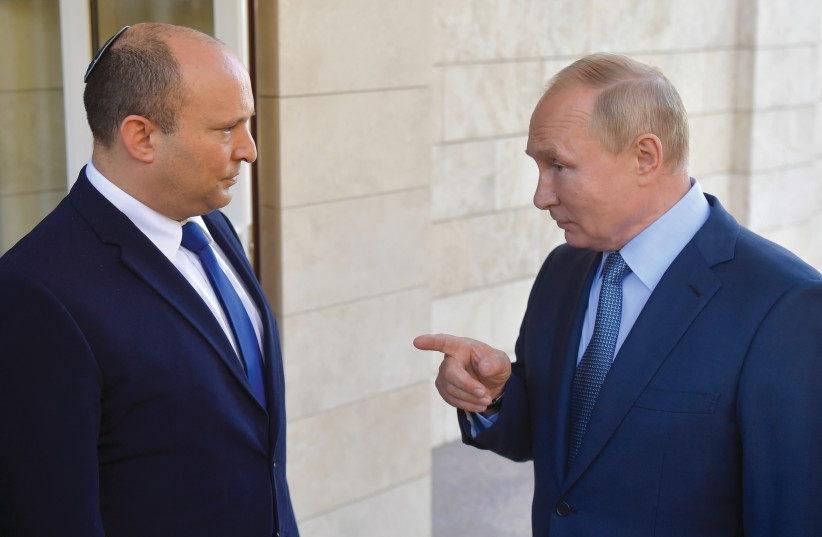
This year, Israeli Prime Minister Naftali Bennett made a decision to ban Jews from entering the Temple Mount for an unprecedented 16 days, a move that angered activists and led to protests, which included some 1,000 right-wing Israelis marching through Jerusalem.
On Thursday, Palestinians were cursing and shouting “God is great” and “with spirit, with blood, we’ll redeem al-Aqsa!” as Jewish groups of visitors passed by. Shortly after that, dozens of Arab protesters began to throw rocks and other objects at police officers. One officer was slightly injured, as police sought to protect the Jewish visitors.
Jewish groups were rushed through quickly and not permitted to stop where Jewish visitors are usually allowed to give short sermons and occasionally engage in silent prayer, according to the Jerusalem Post.
Former Knesset Member for the Likud party, Yehudah Glick, was one of the visitors on the Temple Mount Thursday together with Knesset Member for the Yamina party, Yomtob Kalfon. Glick is director of HALIBA, a group dedicated to “reaching complete and comprehensive freedom and civil rights for Jews on the Temple Mount.
A number of other Jewish groups visited the Temple Mount Thursday, reported the Jerusalem Post, explaining that the groups “repeatedly refused to listen to police instructions and sang prayers and the Israeli national anthem, ‘HaTikva’ (The Hope),” despite repeated requests by officers that they stop.
“Some activists also succeeded in waving Israeli flags at the site before being quickly removed by police… The Jewish visitors largely ignored the riots and shouting, singing Hebrew songs despite repeated requests by police to be quiet,” according to the Post.
Israel allows Muslims to visit and pray on the Temple Mount, whereas Jews are allowed to visit, but must refrain from praying or performing religious rituals. The policy is commonly referred to as “the status quo” and the Israel Police stressed that this policy has not changed. Police also warned that terrorist organizations, such as Hamas and others, could use the occasion to spread incitement and “fake news” about the situation on the Temple Mount and in Jerusalem to foment riots. Police stressed that, “these are false publications that have no grip on reality and are published to deceive the public, escalate and incite.”
“Anyone who disturbs the order, [or] incites violence, riots and acts of violence of any kind will be treated harshly and with zero tolerance,” the police said.
As early as Tuesday – shortly after Israel announced the Temple Mount would reopen to Jews on Independence Day – Hamas called on Palestinians to riot and harass Jewish visitors on the Temple Mount. Hamas spokesperson Abdel Latif Al-Qanou warned that if Jews were allowed back to the Temple Mount, it would constitute a “detonator for a new confrontation” with Israel.
Over the last two days, Hamas declared that by opening the Temple Mount to Jewish visitors, Israel was “playing with fire and dragging the region into an escalation for which the occupation bears full responsibility.”
The organization further claimed that Jewish visitors to the site constituted a “dangerous escalation and direct provocation,” that would cause a “comprehensive explosion, for which the occupation government bears full responsibility.”
Yahya Sinwar, Hamas leader in the Gaza Strip, described Jewish visitors to the Temple Mount as amounting to an “attack” by Israel against the al-Aqsa Mosque.
“Our people and our nation must prepare for a big battle if the occupation does not stop attacking al-Aqsa Mosque,” Sinwar said in a speech on Saturday.
“Harming al-Aqsa and Jerusalem means a regional war, and we will not hesitate to take any decision with our sanctities.”
Last night 3 Israelis were killed in a terror attack in the ultra-Orthodox city Elad.
A spokesman for Hamas in the Palestinian territory, Abdullatif al-Kanoua, called the attack a “heroic act that provides a severe blow to the occupation and its security system, in response to the crimes of occupation and the infiltration of settlers to the al-Aqsa Mosque.”
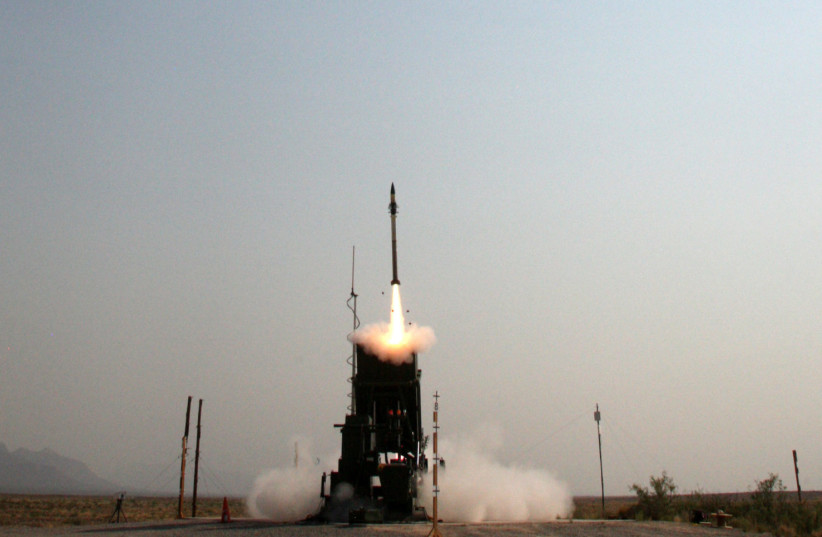
Hamas has also said that it will fire 1,111 rockets in the next confrontation with Israel, while Sinwar made it clear that the end of the Ramadan was not the end of the current confrontations with Israel. He told other Palestinian groups in Gaza that they should be on alert, “because the battle did not end with the end of Ramadan, but will really begin with its end.”
Last May, Hamas provoked a war with Israel during which the terrorist organization fired more than 4,300 rockets into population centers in Israel, killing 12 civilians and injuring dozens more.