
Jordan interested in warmer ties with Israel

Israeli officials believe that Jordan is ready to warm up ties with Israel following Gantz-King Abdullah II meeting.

Elad Benari, Canada 


Gantz meets Jordan's King Abdullah

Gantz meets Jordan’s King AbdullahPalace of Jordanian King

Israeli officials believe that Jordan is ready to warm up ties with Israel, which have been cold for the past decade, Channel 13 News reported on Friday.

According to the report, following Defense Minister Benny Gantz’s meeting with Jordan’s King Abdullah II this week, Amman intends to hold more open meetings with Israeli ministers and officials. The kingdom is interested in joining the regional network of ties that Israel is building on the basis of the Abraham Accords.

Gantz visited Amman on Wednesday for a meeting hosted King Abdullah II.

In his discussion with the King, Minister Gantz highlighted the strategic importance of strong and enduring relations between Israel and Jordan, which contribute to the security and prosperity of both nations.

The dialogue focused on security and policy topics. Minister Gantz thanked His Majesty for his leadership and for the Kingdom’s critical role in maintaining regional peace and stability. He also welcomed the expansion of relations between Jordan and the current Israeli government, and expressed his commitment to further developing security, economic and civilian exchanges.

In September, Channel 12 News reported that Foreign Minister Yair Lapid had met with King Abdullah II of Jordan at his palace in Amman the previous month.

The report said that the two discussed the tensions in Jerusalem around the Temple Mount and the need to strengthen relations between the two countries. The Foreign Ministry declined to comment.

In July, it was reported that Prime Minister Naftali Bennett held a clandestine meeting with Jordan’s King Abdullah II, marking the first meeting between an Israeli premier and the Jordanian king in more than five years.

The meeting was defined as very good. The two agreed on the opening of a “new page” that would restore the murky relations between the countries.


Iran seeking to prosecute 127 for death of top general

Iran says it has sent letters to 9 countries asking for measures against 127 culprits in elimination of Qassem Soleimani.

Elad Benari 


Rally in memorial of Qassem Soleimani in Tehran

Rally in memorial of Qassem Soleimani in TehranReuters

Iran announced on Wednesday that it seeks to prosecute 127 suspects for involvement and cooperation in the January 2020 elimination of senior commander Qassem Soleimani, the Fars news agency reported.

Iranian Judiciary Spokesman Zabihollah Khodayian said the country has sent 11 letters of request to 9 countries asking for measures against the 127 culprits.

He also said Iran and Iraq have signed a memorandum of understanding in this regard, adding that the two neighbors have formed working groups which will soon hold their third joint meeting.

No details were provided on the identity of the suspects which Iran seeks to prosecute.

Iran in 2020 issued an arrest warrant against then-US President Donald Trump and asked for Interpol’s aid in detaining him in the killing of Soleimani. Interpol swiftly rejected the request, saying its guidelines for notices forbids it from “any intervention or activities of a political” nature.

Iraq has similarly issued a warrant for Trump’s arrest as part of a Baghdad court’s investigation into the killing of top Iraqi paramilitary commander Abu Mahdi al-Muhandis, who died in the same US drone strike that killed Soleimani.

Fars noted on Wednesday that, in addition to Trump, Iran’s chief civilian prosecutor has indicted the head of US Central Command General Kenneth McKenzie Jr., former US Secretary of State Mike Pompeo and former US Secretary of Defense Mark Esper, over Soleimani’s elimination.

The file remains open to the further addition of individuals that Tehran determines to have played a role in the killing, the Iranian news agency said.

Speaking on the second anniversary of Soleimani’s death earlier this week, Iranian President Ebrahim Raisi threatened to exact revenge against Trump.

Raisi said on Monday that Iran would seek retribution unless the former US President, along with former Pompeo, agreed to a trial in a “fair court” in which they and other American officials would be sentenced for ordering the killing of the Iranian general.

In a speech that was broadcast on Iranian television, the Iranian leader called Trump the “main criminal and killer” for his role in taking out Soleimani, and said Trump must face “qisas,” the Muslim term for retribution or an “eye for an eye.”


IDF intercepts Hezbollah drone on Lebanese border

IDF forces shoot down Hezbollah drone after it crossed into Israeli territory. The incident is being investigated.

Elad Benari 


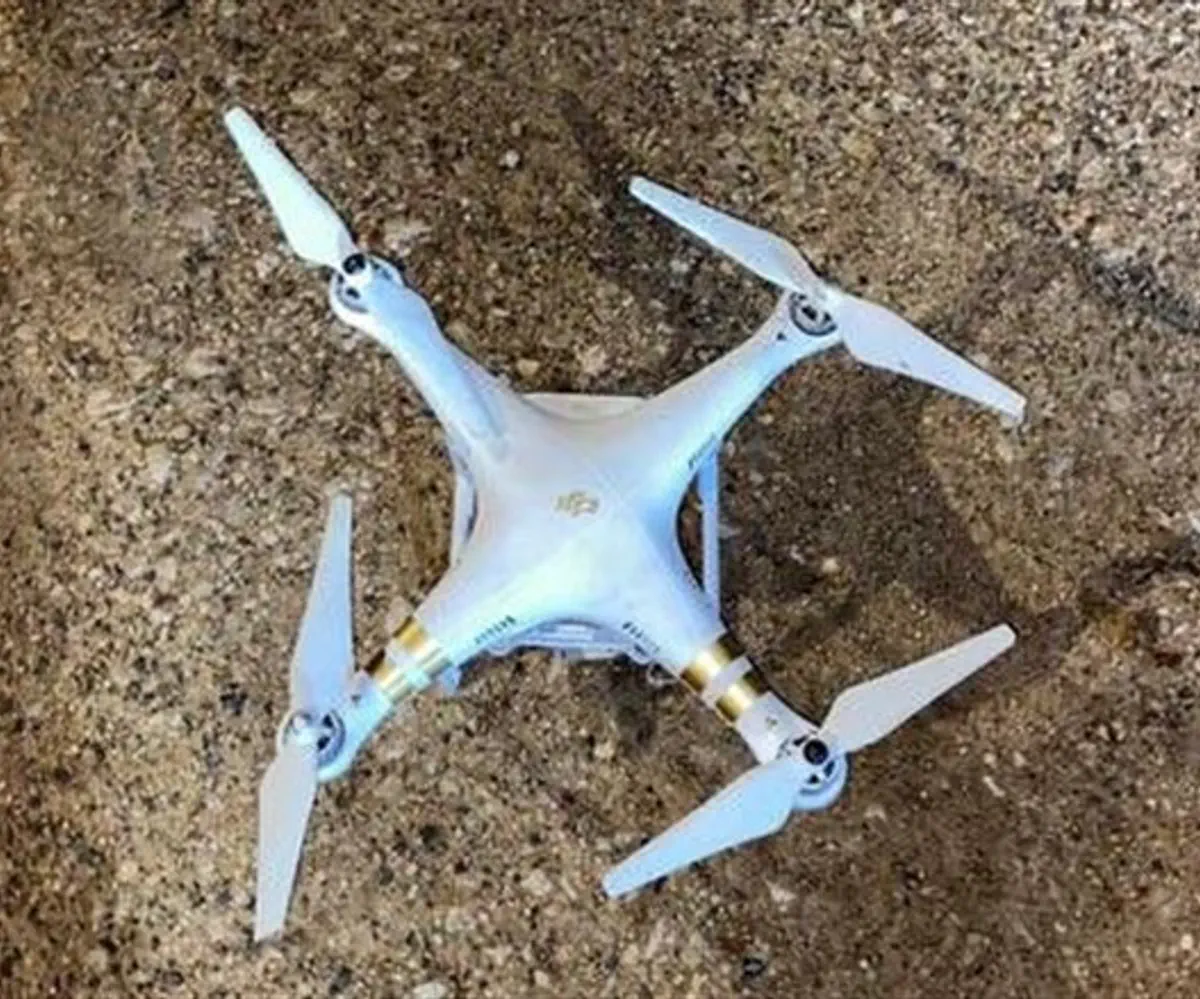
The drone which was shot down

The drone which was shot downIDF Spokesperson’s Unit

IDF forces on Tuesday identified a drone belonging to the Hezbollah terrorist organization, which crossed into Israel from Lebanese territory, and shot it down.

“We downed a Hezbollah drone that crossed from Lebanon into Israel today. The drone was monitored by our soldiers throughout the incident,” the IDF Spokesperson’s Unit said.

“The IDF will continue to operate against any attempt by terrorists to violate Israeli sovereignty.”

A similar incident took place a few months ago, a few days after an exchange of fire between the IDF and Hezbollah.

This development led Hezbollah’s Secretary General, Hassan Nasrallah, to threaten Israel that he would attack “deep in the Galilee” with rockets, as he put it.