Israeli defense officials say Hamas is rebuilding and coordinating with Hezbollah and Iran to challenge the ceasefire across multiple fronts.

An Iranian cleric visits the Islamic Revolutionary Guard Corps (IRGC) Aerospace Force Museum in Tehran, Iran, November 12, 2025
(photo credit: MAJID ASGARIPOUR/WANA (WEST ASIA NEWS AGENCY) VIA REUTERS)
Hamas is closely coordinating with Hezbollah and Iran to revive and rebuild the “axis of resistance,” while the IDF expanded strikes in Gaza and southern Lebanon, Israeli defense officials said on Thursday.

Their assessments followed an IDF operation that killed the Zeitoun Battalion commander in Gaza and a series of airstrikes in Lebanon, raising questions over potential rocket fire from Gaza and Israel’s next steps on the northern front.

According to the officials, US pressure is, for now, restraining a sharper Israeli response to Hezbollah’s ceasefire violations.

The group is reportedly searching for operational opportunities to launch a surprise, limited attack against IDF units inside Palestinian territory, in violation of the deal, the sources said.

Smoke rises after Israeli strikes following Israeli military's evacuation orders, in Chehour, southern Lebanon November 19, 2025.  (credit: REUTERS/ALI HANKIR)
Smoke rises after Israeli strikes following Israeli military’s evacuation orders, in Chehour, southern Lebanon November 19, 2025. (credit: REUTERS/ALI HANKIR)

Israeli officials say that Iran is rebuilding  ‘Axis of Resistance’

The sources added that Southern Command chief Maj.-Gen. Yaniv Asor, backed by division commanders, favors more aggressive action against Hamas’s military activity.

In parallel, Hamas and Hezbollah in Lebanon, with Iranian funding and encouragement, are working to restore terror infrastructure, smuggle and move weapons into southern Lebanon and the Bekaa Valley, recruit new operatives, and intensify training for a future round against Israel.

Military sources say Hezbollah is acting in clear violation of the ceasefire understandings and is moving in the opposite direction of demilitarizing southern Lebanon and disarming.

Recent IDF strikes have targeted Hezbollah infrastructure and operatives involved in rebuilding capabilities, according to the military.

The sources added that the Northern Command commander would like to respond in a far more aggressive manner to Hezbollah’s violations. Still, at this stage, the United States is tying Israel’s hands behind its back.

Advertisement
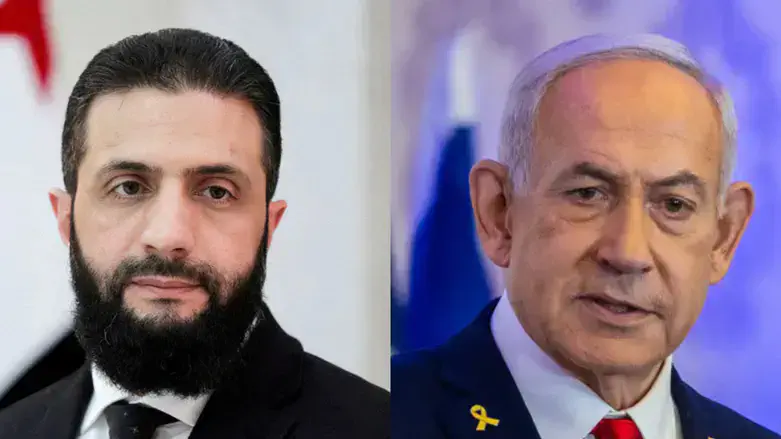
Prime Minister Benjamin Netanyahu’s visit to Syria, accompanied by the defense minister, the foreign minister, and the Shin Bet (Israel Security Agency) director, was intended to send a message to the US and to Syrian President Ahmad al-Sharaa that Israel will not give up the security buffer on the Syrian Golan Heights.

This comes amid Sharaa’s statements about normalizing relations with Israel in exchange for an IDF withdrawal from the Syrian Golan.

Security officials are not impressed by the rapprochement between the White House and Damascus, mediated by Turkey, and argue that Sharaa’s jihadist past cannot be erased so quickly, even if the US has lifted the bounty on his head.

They said that he does not necessarily control his own country.

Jerusalem Post Staff contributed to this report.

and coordinating with Hezbollah and Iran to challenge the ceasefire across multiple fronts.


Israeli defense officials say Hamas is rebuilding and coordinating with Hezbollah and Iran to challenge the ceasefire across multiple fronts.

Israeli soldiers stand on a tank near the border with the Gaza Strip on November 18, 2025 in southern Israel.
(photo credit: Amir Levy/Getty Images)
Israeli defense officials assess that Hamas is closely coordinating with Hezbollah and Iran to revive and rebuild the so-called “axis of resistance,” while the IDF expands strikes in Gaza and southern Lebanon, officials said on Thursday.
The assessments follow an IDF operation that killed the Zeitoun Battalion commander in Gaza and a series of recent airstrikes in Lebanon, raising questions over potential rocket fire from Gaza and Israel’s next steps on the northern front.

According to the officials, US pressure is, for now, restraining a sharper Israeli response to Hezbollah’s ceasefire violations.

The group is reportedly searching for operational opportunities to launch a surprise, limited attack against IDF units inside Palestinian territory, in violation of the deal, the sources said.

Smoke rises after Israeli strikes following Israeli military's evacuation orders, in Chehour, southern Lebanon November 19, 2025.  (credit: REUTERS/ALI HANKIR)
Smoke rises after Israeli strikes following Israeli military’s evacuation orders, in Chehour, southern Lebanon November 19, 2025. (credit: REUTERS/ALI HANKIR)

The sources added that Southern Command chief Maj. Gen. Yaniv Asor, backed by division commanders, favors more aggressive action against Hamas’s military activity in the Strip.

Advertisement

Northern front: Quiet on the surface, pressure building

In parallel, Hamas and Hezbollah in Lebanon, with Iranian funding and encouragement, are working to restore terror infrastructure, smuggle and move weapons into southern Lebanon and the Bekaa, recruit new operatives, and intensify training for a future round against Israel.

Military sources say Hezbollah is acting in clear violation of the ceasefire understandings and is moving in the opposite direction of demilitarizing southern Lebanon and disarming. Recent IDF strikes have targeted Hezbollah infrastructure and operatives involved in rebuilding capabilities, according to the military.

The military sources add that the Northern Command commander would like to respond in a far more aggressive manner to Hezbollah’s violations. Still, at this stage, the United States is tying Israel’s hands behind its back.

Prime Minister Benjamin Netanyahu’s visit to Syria, accompanied by the defense minister, the foreign minister, and the Shin Bet director, was intended to send a message to the United States and to Syrian President Ahmad al-Sharaa that Israel will not give up the security belt on the Syrian Golan Heights.

This comes amid the Syrian president’s recent statements about normalizing relations with Israel in exchange for an IDF withdrawal from the Syrian Golan.

Security officials are not impressed by the rapprochement between the White House and Damascus, mediated by Turkey, and argue that al-Sharaa’s jihadist past cannot be erased so quickly, even if the United States has lifted the bounty on his head. They add that he does not necessarily control his own country.

Jerusalem Post Staff contributed to this report.


Iranian scientists secretly met Russian military experts to advance nuclear weapons research, the Financial Times reports.

Nuclear Iran

Nuclear IraniStock

Iranian regime-linked scientists made a secret visit to Russia late last year, reportedly to advance nuclear weapons research, the Financial Times revealed Wednesday, citing documents and sources familiar with the matter.

The visit, which took place November 7-11, 2024, was organized by a front group for Iran’s Organization of Defensive Innovation and Research (SPND), the military body Western officials believe is behind Iran’s nuclear weapons efforts.

According to the report, the delegation met with Russian military experts and representatives of Laser Systems, a sanctioned company that develops laser technologies for civilian and military use. It was the second such visit in 2024.

In February 2025, Andrei Savin, a former technical director at Laser Systems and now a professor at Russia’s Baltic State Technical University, traveled to Tehran, according to the Financial Times report. There, he met with SPND-linked officials and representatives of DamavandTec, another front company for SPND. The U.S. sanctioned DamavandTec and its CEO, Ali Kalvand, in October, accusing them of attempting to acquire components “applicable to the development of nuclear explosive devices.”

Nicole Grajewski of the Carnegie Endowment told the Financial Times the meetings are “strong evidence that Russia was assisting Iran in its nuclear weapons-related research,” and said the activities appeared to be approved “at a high level on the Russian and Iranian sides.”

One of the scientists, Soroush Mohtashami, is an expert in neutron generators – components used to trigger nuclear detonations. In a letter to Russian scientist Oleg Maslennikov, Kalvand wrote that the trip aimed “to discuss and agree on technical and production aspects of electronic device development” and “to consider general potential paths for expanding scientific co-operation.”