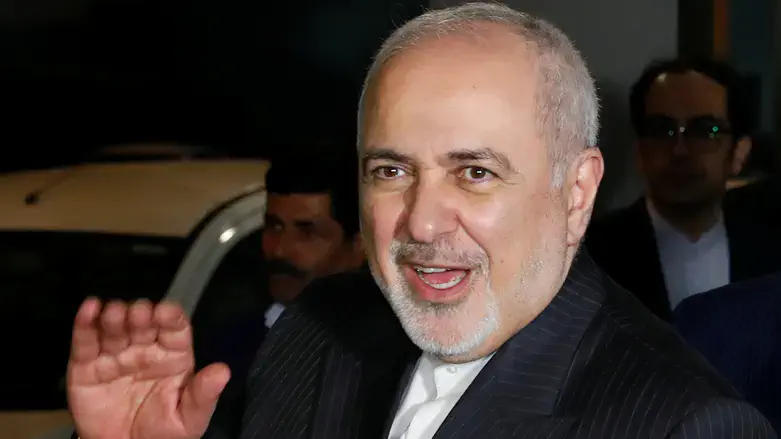
PM’s fifth US meeting with president this year to reportedly take place in Florida; his US trip may extend over week; US’s UN envoy Waltz discusses need for ‘stability’ in West Bank with Jordan’s king
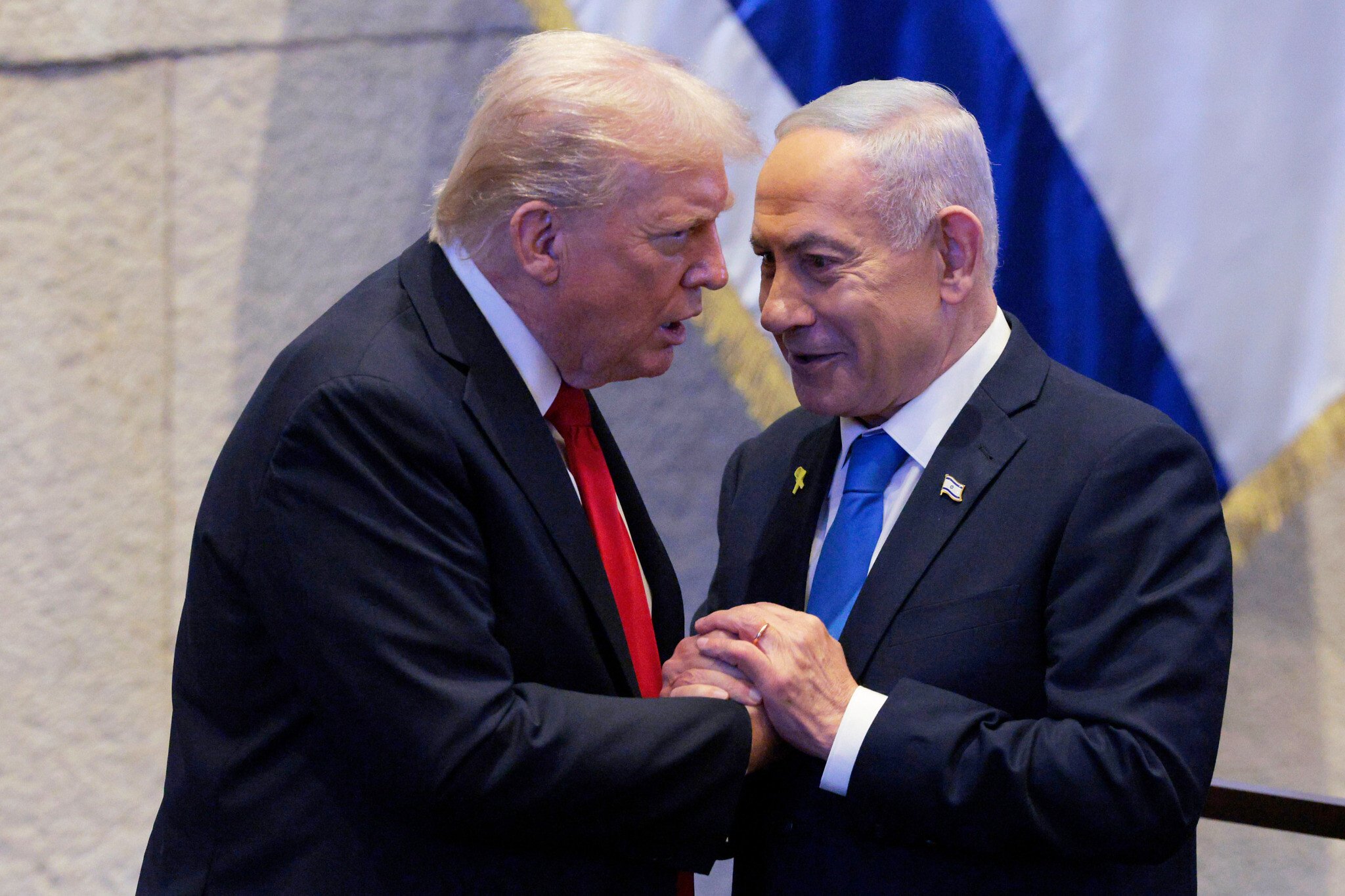
Prime Minister Benjamin Netanyahu will meet US President Donald Trump in the United States on December 29 to discuss plans for Gaza’s future, the Prime Minister’s Office announced on Monday.
“The Prime Minister will meet with President Trump on Monday, December 29 they will discuss the future steps and phases and the international stabilization force of the ceasefire plan,” government spokesperson Shosh Bedrosian said in an online briefing to reporters.
The trip will mark Netanyahu’s fifth to the US to meet the president since Trump took office earlier this year, and the first since the Trump administration brokered a ceasefire and hostage release that effectively ended two years of fighting in the Gaza Strip. Israel hosted Trump, who addressed the Knesset, on October 13.
The Prime Minister’s Office did not confirm how long Netanyahu would be in the US or where the two would meet.
According to Hebrew media reports, Netanyahu is seeking to visit the US from December 28 to January 4, a period when many public servants will be off for the holidays.
The reports indicated that the meeting would likely take place at Trump’s Mar-a-Lago resort in south Florida, which is also near where Netanyahu’s son lives.
Trump invited Netanyahu for a meeting earlier this month, with most speculating that the two would discuss advancing the American leader’s peace plan in Gaza, as well as security deals being discussed with Syria and Lebanon and other regional issues.
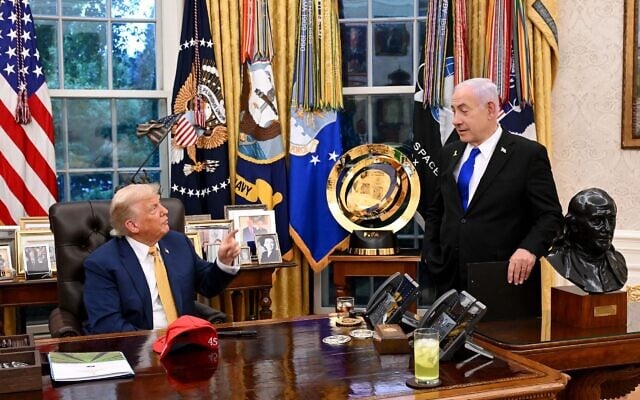
The two last met in Israel during a lightning visit by Trump to celebrate the ceasefire deal on October 13.
Interlocutors are now looking to move to the second phase of the administration’s 20-point plan to end the war, which outlines governing arrangements for the enclave.
The plan envisions Hamas disarming, a Palestinian technocratic body managing Gaza’s affairs, and a multinational force deploying there as the IDF withdraws. Israel has demanded Hamas’s disarmament as a condition for moving forward with the plan.
On Sunday, Netanyahu voiced skepticism about the notion that a multinational force meant to patrol Gaza could successfully disarm Hamas, though he vowed disarmament would occur while touting Israel’s strength.

Also likely on the agenda for Netanyahu’s visit is the issue of the negotiations for a new security arrangement with Syria, which have almost completely stalled as Israel has reportedly changed its demands in exchange for withdrawing its troops from territories in southern Syria that it has occupied since last December.
Initially, Israel said it had seized the land due to fears the area would fall into the wrong hands, and said it would hold them until a new security deal was agreed upon, though reports last month suggested Jerusalem’s terms have since changed to demanding full diplomatic relations, which Damascus has said is not currently in the cards.

Trump last week warned Israel against destabilizing Syria and its new leadership, days after IDF soldiers battled gunmen in the country’s south, and said he is “very satisfied” with the country’s performance under new leader Ahmed al-Sharaa.
Trump last month separately hosted Sharaa and later the Syrian leader’s patron, Saudi Crown Prince Mohammed Bin Salman. He promised to sell Riyadh advanced F-35 fighter jets, despite the Saudis continuing to hold off on normalizing ties with Israel. There are concerns that the sale could erode Israel’s qualitative military edge in the region, which Trump is congressionally obligated to uphold.
Waltz hails reopened crossing
The announcement of the trip came as US Ambassador to the UN Mike Waltz visited Israel for talks related to the Gaza plan.
During a Monday meeting with Netanyahu, Waltz thanked Israel for reopening a crossing linking Jordan and the West Bank which was shut to aid earlier this year following a deadly attack by a Jordanian driving a truck carrying humanitarian assistance to Gaza.
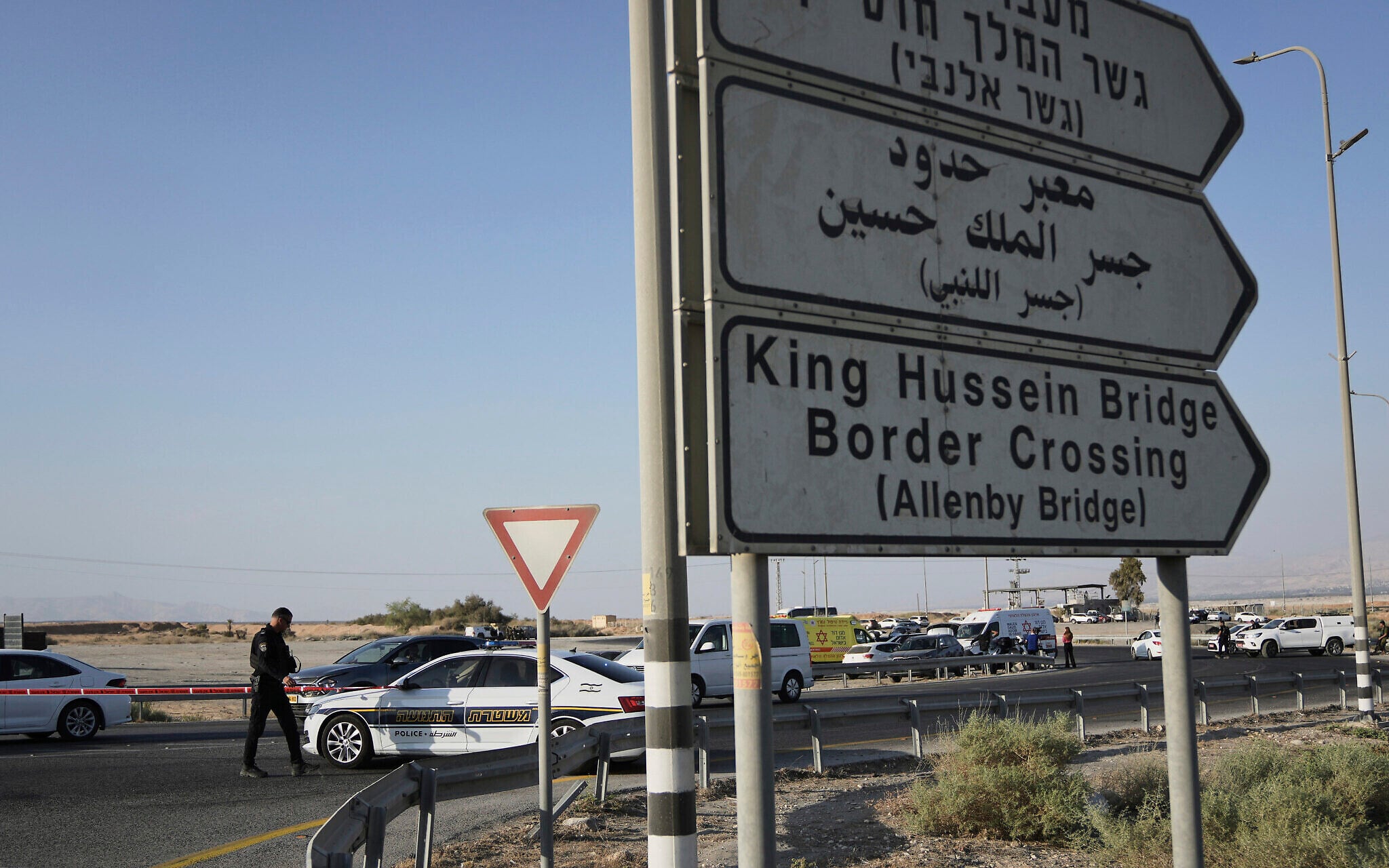
“Waltz welcomed Israel’s cooperation on expanding border crossings, including the Allenby-King Hussein Bridge crossing, for the delivery of humanitarian aid to Gaza and emphasized the importance of continued collaboration to address regional stability,” read a US readout.
Waltz, who was formerly Trump’s national security adviser, used the crossing Monday morning after spending Sunday in Jordan, where he discussed “the need for stability in the West Bank” during a meeting with King Abdullah, according to an American readout.
The comment appeared to be a reference to Israeli settler violence against Palestinians, which the Trump administration has gradually and gingerly begun weighing in on after months of worsening attacks and almost complete impunity.
Waltz, whose wife is Jordanian, “thanked the king for all of Jordan’s efforts to bring humanitarian relief to Palestinians,” the US readout on Sunday’s meeting said.
Jacob Magid contributed to this report.