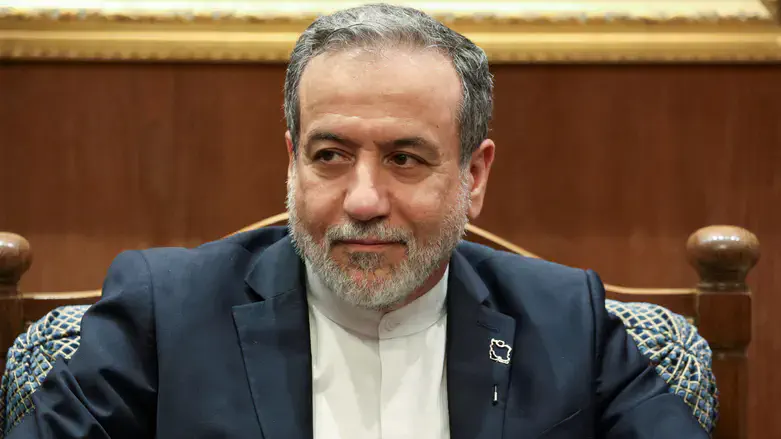
Turkey and Iran have agreed to begin construction of a joint railway line to serve as a strategic trade corridor, Iran International reported, quoting Iranian Foreign Minister Abbas Araghchi.
According to the report, construction will last three to four years, and the 200-kilometer line will run towards Turkey’s Aralik region.
The project is expected to cost approximately $1.6 billion.
Earlier this month, Minister for Diaspora Affairs and Combating Antisemitism Amichai Chikli warned that Turkey now poses “the most serious threat to the State of Israel today,” and that Turkey is “building al-Julani’s Syria as a forward base from which to attack Israel.”
In his interview on Kan Reshet Bet‘s “This Morning” program, Chikli accused Turkish President Recep Tayyip Erdoğan and Foreign Minister Hakan Fidan of pursuing “a very aggressive and offensive foreign policy,” adding that “they are now building bases in northern Syria.”
According to Chikli, Turkey is “arming al-Julani’s army – the jihad army – and those soldiers are already saying where they are aiming their arrows: toward Jerusalem and elsewhere.” He warned, “Israel must understand that the danger will come from the north – from Turkey and al-Julani’s Syria.”
He added, “We must do everything possible in foreign relations to isolate Turkey. We should strengthen our ties with Cyprus and Greece – we even saw a joint naval exercise this week.”
Sources close to Israeli President Isaac Herzog have reported that Israeli Prime Minister Benjamin Netanyahu’s request for pardon is being seriously considered, along with the option to grant pardon in exchange for advancing elections, Channel 13 News reported.
However, sources close to Netanyahu clarified that “this is all or nothing – either an unconditional pardon, or the Prime Minister will continue his trial until acquittal.”
On Sunday, Netanyahu submitted a request for a presidential pardon, delivered via his attorney, Amit Hadad. The request comes roughly six years after the indictments were filed against him and does not include any admission of guilt or acceptance of responsibility.
In his request, Netanyahu wrote: “In recent years, tensions and disputes have increased between parts of the people and between the various state authorities. I am aware that the proceedings in my case have become a focus of fierce debates and bear broad public and ethical responsibility, out of an understanding of the implications of all the events as a result, and despite my personal interest in conducting the trial and proving my innocence until I am fully acquitted, I believe that the public interest dictates otherwise.”
“Out of a public responsibility as Prime Minister to try to bring about reconciliation between the parts of the people, I have no doubt that the end of the trial will help to reduce the intensity of the flames in the debate that has arisen around it,” Netanyahu added.
The Office of the President stated that Herzog “is aware that this is an extraordinary request which carries with it significant implications. After receiving all of the relevant opinions, the President will responsibly and sincerely consider the request.”
The request has been forwarded to the Pardons Department at the Justice Ministry to formulate an opinion, which will then be reviewed by various officials, including the legal adviser to the President’s Office and the relevant minister. Due to a conflict of interest, Minister Amichai Eliyahu is expected to handle the matter instead of Justice Minister Yariv Levin, who is from Netanyahu’s Likud party.
Qassem says terror group will determine timing of response, Tabatabai was meeting with four aides ‘to prepare for future actions’ when he was killed in Beirut airstrike
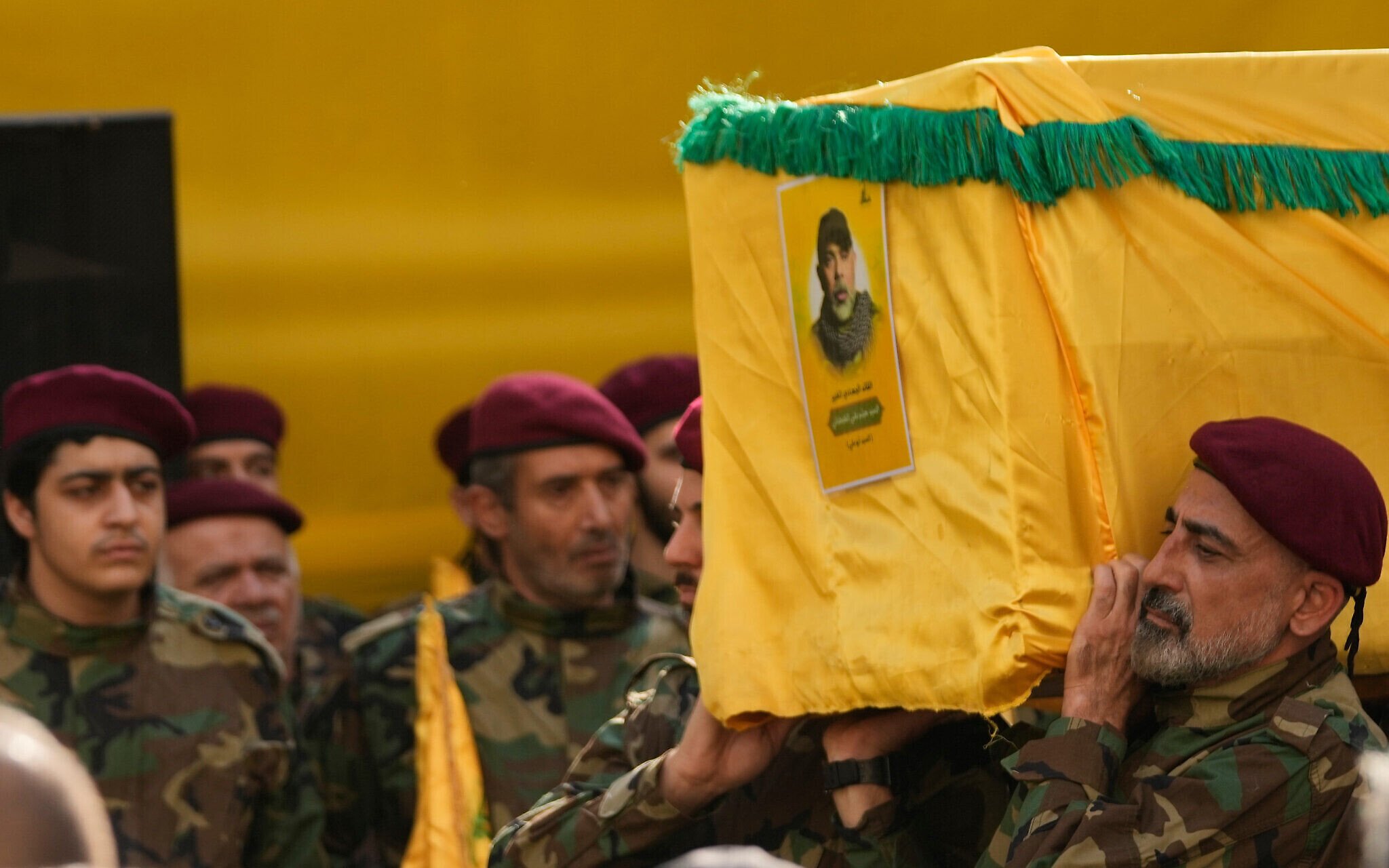
Hezbollah members carry the coffin of the terror group’s military chief of staff, Haytham Tabatabai, during his funeral procession in a southern suburb of Beirut, Lebanon, November 24, 2025. (AP Photo/Hussein Malla)
Hezbollah’s leader on Friday said the terror group had the right to respond to Israel’s killing of its top military chief in a strike on Beirut’s southern suburbs.
In a televised speech, Naim Qassem called the Sunday killing of Haytham Ali Tabatabai “a blatant aggression and a heinous crime,” adding that his terror group had “the right to respond, and we will determine the timing for that.”
“Do you expect a war later? It’s possible sometime. Yes, this possibility is there, and the possibility of no war is also there,” Qassem said, in his first public comments addressing the killing.
Tabatabai was in a meeting with four of his aides “to prepare for future actions” when he was killed, Qassem said.
Qassem also said he hoped Pope Leo’s upcoming visit to Lebanon on Sunday “will play a role in bringing about peace and ending the [Israeli] aggression.”
Qassem insisted that the Iran-backed group has respected the November 2024 ceasefire that sought to end over a year of hostilities that started when Hezbollah attacked Israel on October 8, 2023, and called for an end to Israeli strikes.
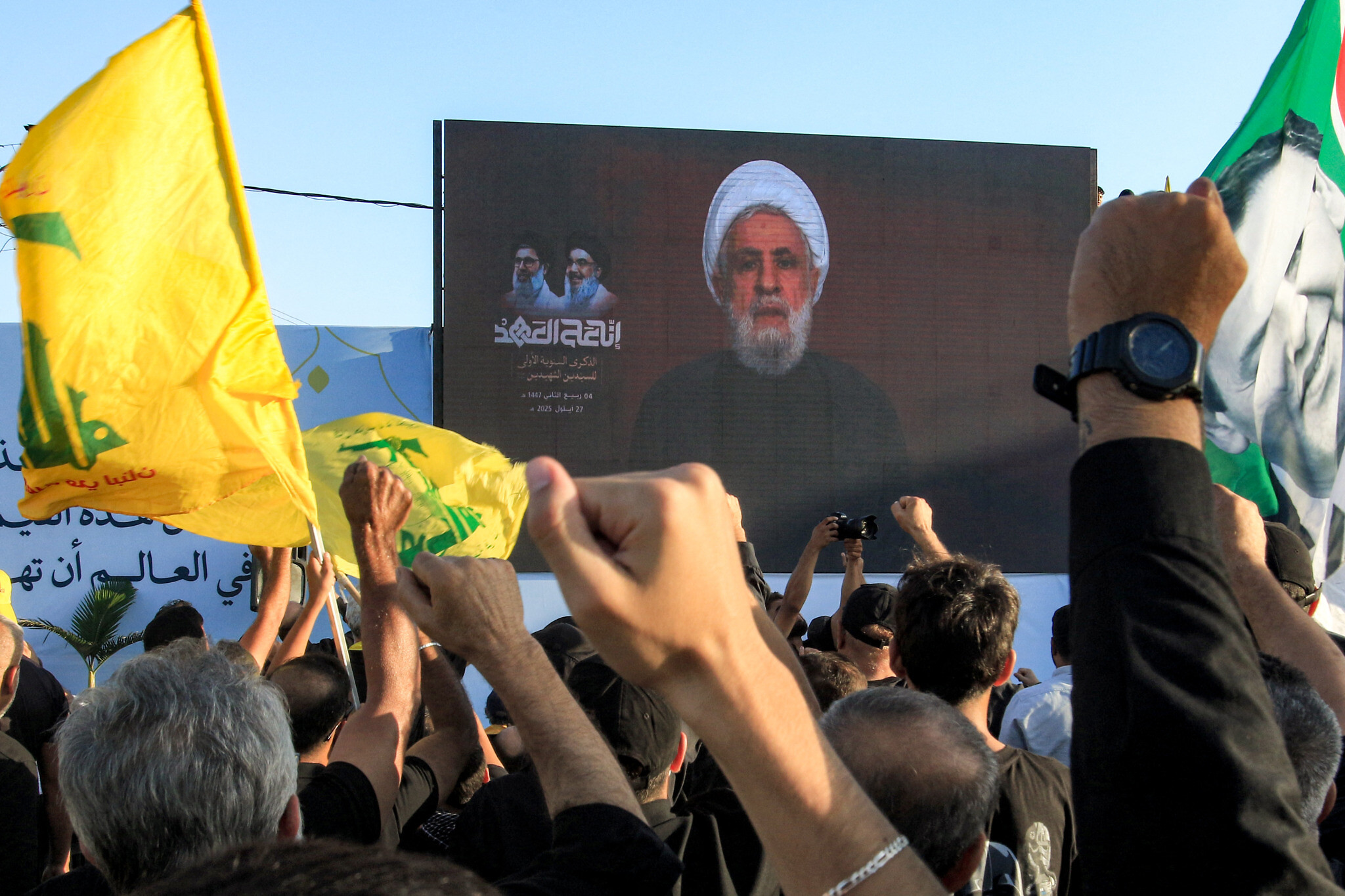
Naim Qassem, leader of the Lebanese terror group Hezbollah, addresses mourners through a screen in a televised address during a ceremony marking the first anniversary of Israel’s assassination of Hassan Nasrallah and other group leaders, in the town of Deir Qanoun al-Nahr near Tyre in southern Lebanon on September 27, 2025 (Mahmoud ZAYYAT / AFP)
Israel has said it is responding to violations of the truce. The ceasefire agreement allows Israel to strike immediate threats, though longer-term issues must be directed to an international committee. The truce also ordered Israel to withdraw its troops from southern Lebanon entirely, though the IDF has forces at five strategic locations.
Tabatabai was the most senior Hezbollah commander to be killed by Israel since the truce, and was said to be a key part of the terror group’s efforts to rebuild following the devastating losses it suffered in the war.
The Israeli army said Tabatabai was a “veteran and central operative in the terror organization,” after joining its ranks in the 1980s and holding several senior roles, including the commander of the elite Radwan Force and head of Hezbollah’s operations in Syria.
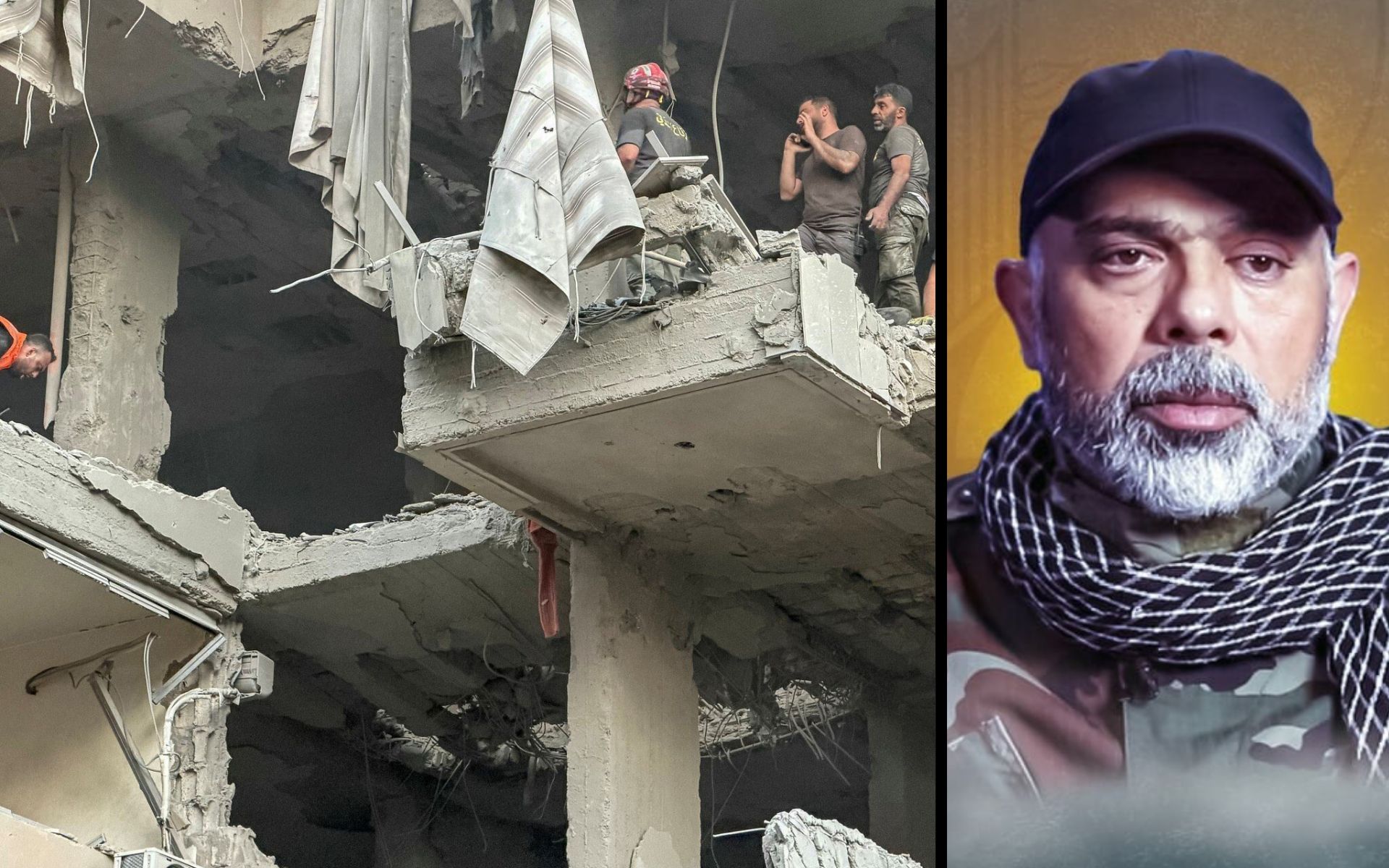
Left: Rescuers search for survivors at the site of an airstrike that killed Hezbollah’s military chief in a residential building in Beirut’s southern Haret Hreik neighborhood on November 23, 2025. (Ibrahim Amro/AFP); Right: Hezbollah military chief Haytham Ali Tabatabai, in a poster issued by the terror group after his death. (Hezbollah Media Office)
During the war, the IDF said, Tabatabai was appointed to head Hezbollah’s operations division, responsible for “consolidating the organization’s situational picture and force buildup.”
In late 2024, after most of Hezbollah’s leadership was killed, he “effectively served as the official responsible for managing the fighting against Israel,” the IDF said.
After the end of the intensive fighting between Israel and Hezbollah in November 2024, he was officially appointed as the military chief of staff in the terror group. “In this role, he led the organization’s reconstruction,” the military said.
According to the US Department of State, he also commanded Hezbollah’s special forces in Syria and Yemen.
Israel has been escalating its strikes on Hezbollah in recent weeks, accusing the terror group of violating the year-old ceasefire and increasingly attempting to rebuild its capabilities, and expressing frustration at lagging Lebanese efforts to disarm the group.