
Days after deadly Israeli operation in southern Syria, US president says he hopes the neighbors can ‘have a long, prosperous relationship’; PM set for year’s fifth White House visit shortly
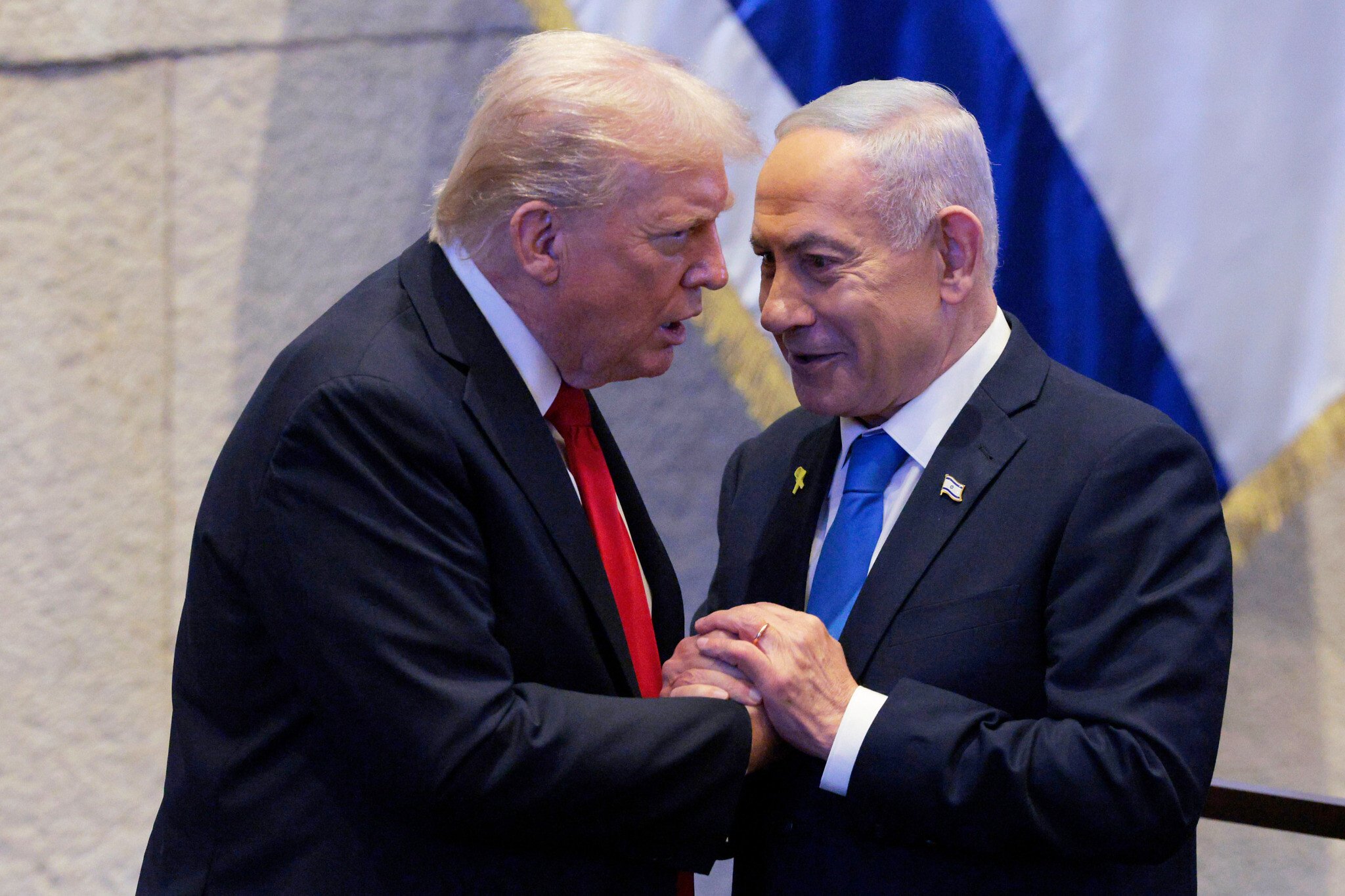
US President Donald Trump warned Israel via social media on Monday against destabilizing Syria and its new leadership, shortly before holding a phone conversation with Prime Minister Benjamin Netanyahu.
“It is very important that Israel maintain a strong and true dialogue with Syria, and that nothing takes place that will interfere with Syria’s evolution into a prosperous State,” Trump wrote on his Truth Social platform, days after a deadly operation by Israeli forces in the south of the country.
Trump said he was “very satisfied” with Syria’s current performance under former Islamist rebel President Ahmed al-Sharaa, who made a historic visit to the White House in November.
The US president said Sharaa “is working diligently to make sure good things happen, and that both Syria and Israel will have a long and prosperous relationship together.” He added that the United States was “doing everything within our power to make sure the Government of Syria continues to do what was intended” to rebuild the war-torn country.
Good relations between Syria and Israel would add to his efforts for a wider Middle East peace following the fragile Gaza ceasefire in October, said Trump.
According to the Israeli readout, the two leaders discussed “the importance of and commitment to dismantling Hamas’s military capabilities and demilitarizing the Gaza Strip, and discussed the expansion of the peace accords.”
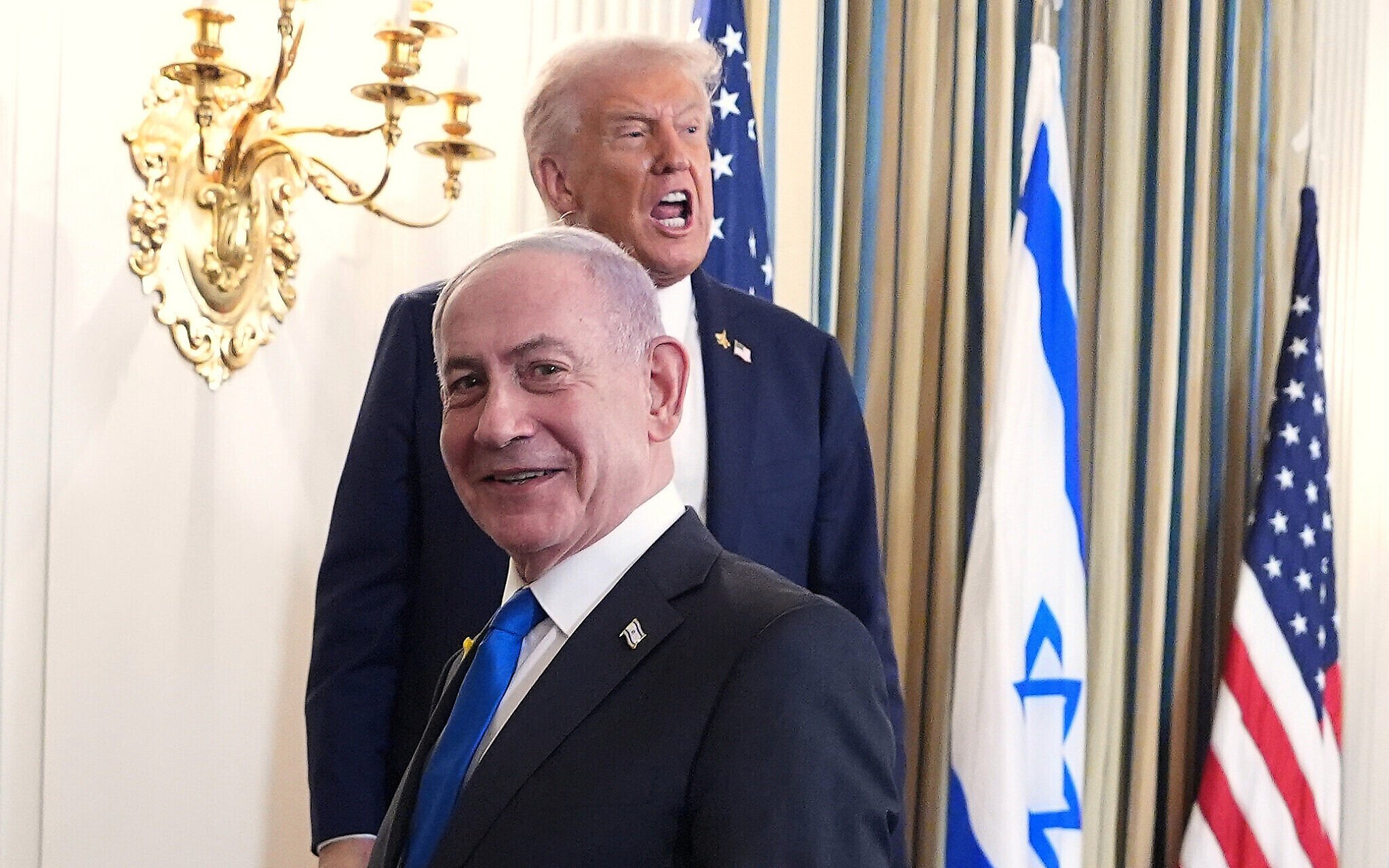
Trump also invited Netanyahu to visit the White House “in the near future,” the premier’s office said.
According to Channel 12 news, Netanyahu is likely to make the trip by the end of this month. The visit would be his fifth since Trump returned to the White House in January.
The call came a day after Netanyahu formally requested a pardon from President Isaac Herzog in his corruption trial, without acknowledging guilt — a pardon Trump has personally backed, including in a public exhortation to Herzog in the Knesset in October and a subsequent letter.
There was no direct mention of Syria in the Israeli readout of the phone call, and there was no immediate readout from Washington.
The Syrian issue is expected to be a prime topic of discussion during Netanyahu’s visit, Channel 12 reported. Trump has been pushing for a security pact between Israel and Syria since Sharaa’s Islamist coalition overthrew longtime ruler Bashar al-Assad a year ago.
But tensions have risen over hundreds of strikes by Israel on Syria. In the deadliest so far, Israeli forces reportedly killed 13 people on Friday in an operation in southern Syria, saying they targeted an Islamist group.
Six Israeli soldiers were wounded in the gun battle. Israel said it set out to arrest two members of the al-Jama’a al-Islamiyya (Islamic Group) terror organization, saying that intelligence information collected in recent weeks indicated that they were planning attacks on Israel.
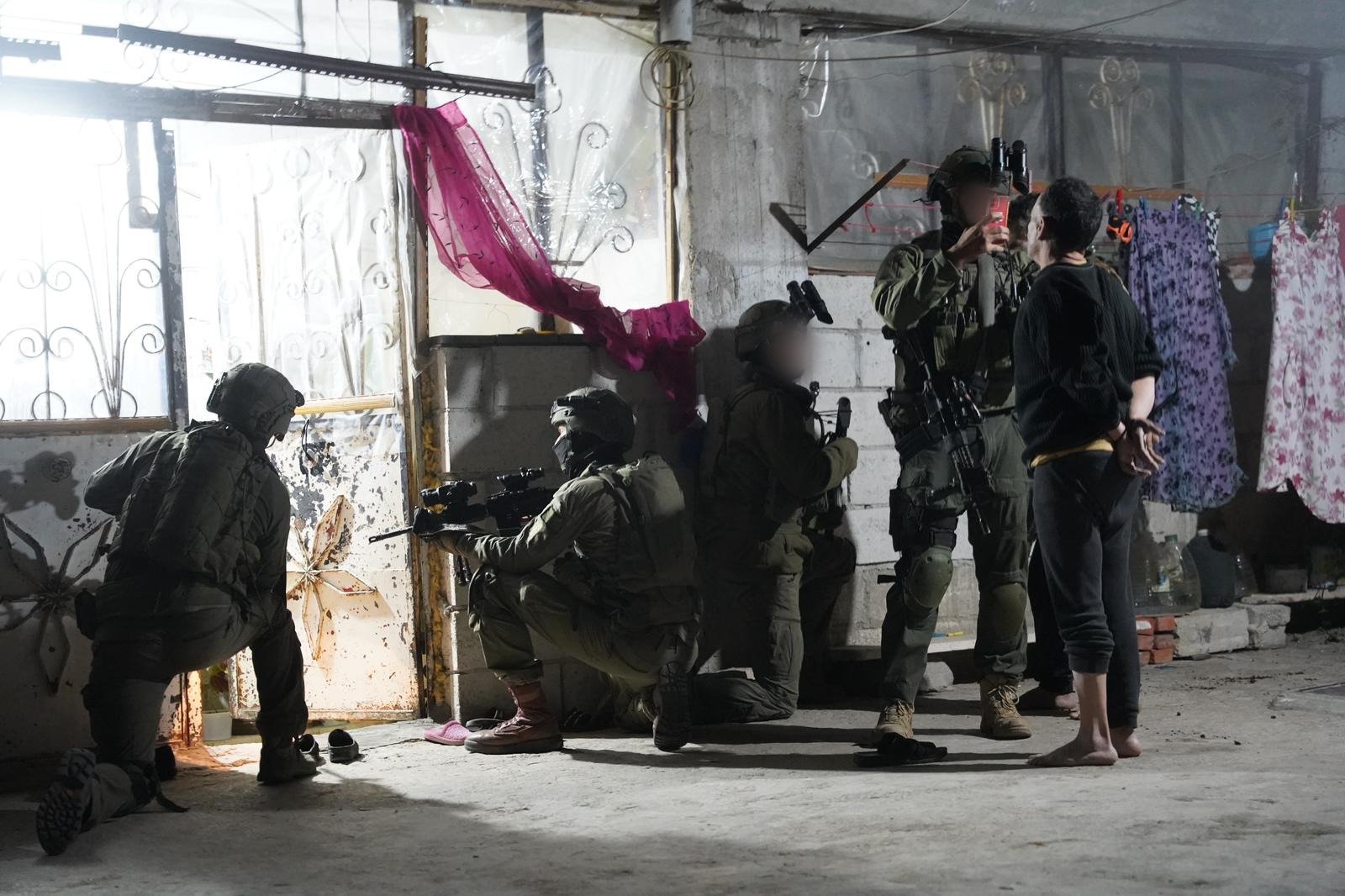
Syria condemned the operation as a “war crime,” saying that it denounced “the criminal aggression” of the IDF and that such acts aim to “ignite the region” in conflict.
The IDF has been deployed to nine posts inside southern Syria for nearly a year, since the fall of the Assad regime in December 2024. They are mostly within a UN-patrolled buffer zone on the border between the countries. Two posts are on the Syrian side of Mount Hermon.
Troops have been operating in areas up to around 15 kilometers (nine miles) inside Syria, aiming to capture weapons that Israel says could pose a threat to the country if they fall into the hands of “hostile forces.”
Channel 12 news reported Monday that US officials repeatedly expressed frustrations to their Israeli counterparts over the weekend about the escalation in Syria in the wake of Friday’s incident.
A senior US official told the TV network that Syria “doesn’t want problems with Israel. This isn’t Lebanon,” drawing a distinction between Israel’s recent strikes in the two countries, but that “Bibi is seeing ghosts everywhere.”
“We are trying to tell Bibi he has to stop this, because if it continues, he will self-destruct, miss a huge diplomatic opportunity and turn the new Syrian government into an enemy,” the official reportedly added.
Meanwhile, US envoy Tom Barrack visited Syria on Monday and met with Sharaa in Damascus.
According to the official Syrian news agency SANA, the meeting “addressed recent developments in the region and issues of mutual interest.”
Barrack, the US ambassador to Turkey, also serves as its special envoy on Syria and has been particularly involved as well in tamping down tensions between Israel and Lebanon.
A day earlier, Barrack visited Iraq and reportedly warned Baghdad that Israel is likely to strike Iraqi militias if they attempt to militarily back Hezbollah in any fighting with Israel.