US manages to rally international community around 20-point proposal, but still faces uphill battle convincing countries to contribute troops to ensure Strip demilitarized
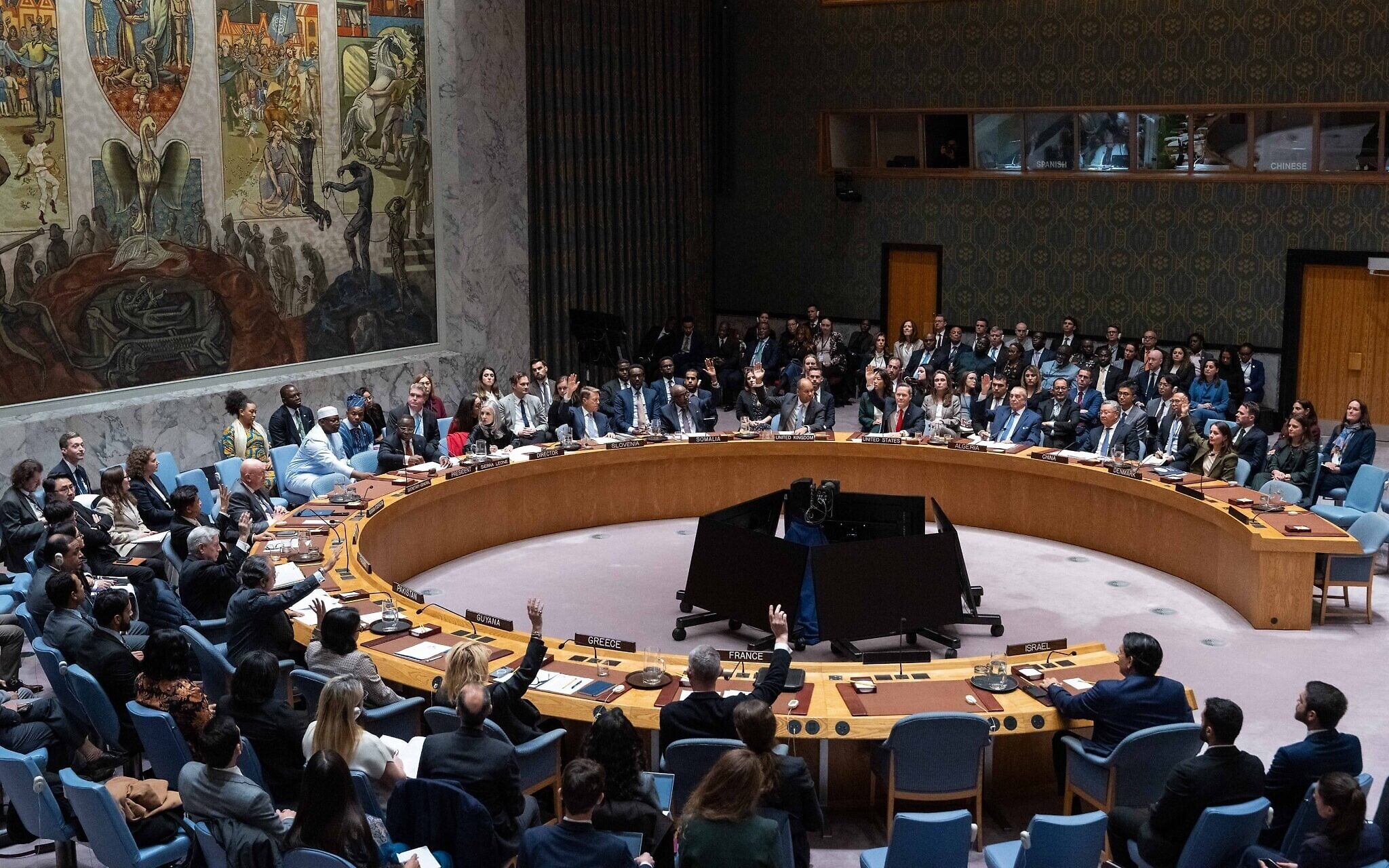
The UN Security Council voted on Monday to adopt a US-sponsored resolution authorizing the establishment of an International Stabilization Force (ISF) that will help secure the Gaza Strip, in line with US President Donald Trump’s 20-point plan for ending the war in the coastal enclave.
The resolution provides a much-needed tailwind for Washington’s effort to maintain the Gaza ceasefire that was inked on October 9.
The truce has come under strain, with Israel pledging to resume fighting if steps aren’t taken to disarm Hamas, which remains in de facto control of nearly half of the Strip following a partial Israeli withdrawal when the ceasefire came into place.
While the US claims that Hamas leaders pledged to disarm before the deal was signed and has worked in recent weeks to negotiate the decommissioning of its weapons with limited success, Trump’s 20-point plan also indicates that the ISF will take part in the demilitarization of Gaza.
However, Washington recognized that countries interested in contributing troops to the foreign force needed an international mandate backed by the UN in order to move forward.
Accordingly, it spent the last several weeks crafting a resolution to that effect, and holding talks with Security Council members as well as key Arab and Muslim allies that were also consulted in the formation of the original 20-point plan.
While the US faced some pushback last week when Russia tried to advance an alternative resolution, those efforts were quickly quashed and it became clear over the weekend that the Trump administration’s effort would succeed, a Western diplomat at the UN told The Times of Israel.
Still, the diplomat credited the US for galvanizing key Arab and Muslim stakeholders behind the resolution, while neutralizing potential spoilers in Russia and China, which both agreed to abstain. All other countries voted in favor.
But the Western diplomat argued that the US may well face a steeper uphill battle convincing countries to actually contribute to the ISF, given that much of the Arab world has privately pushed back on the idea of sending troops to a war zone where they’ll be expected to enter combat in order to disarm Hamas. The terror group has repeatedly and publicly insisted that it will not give up its weapons.
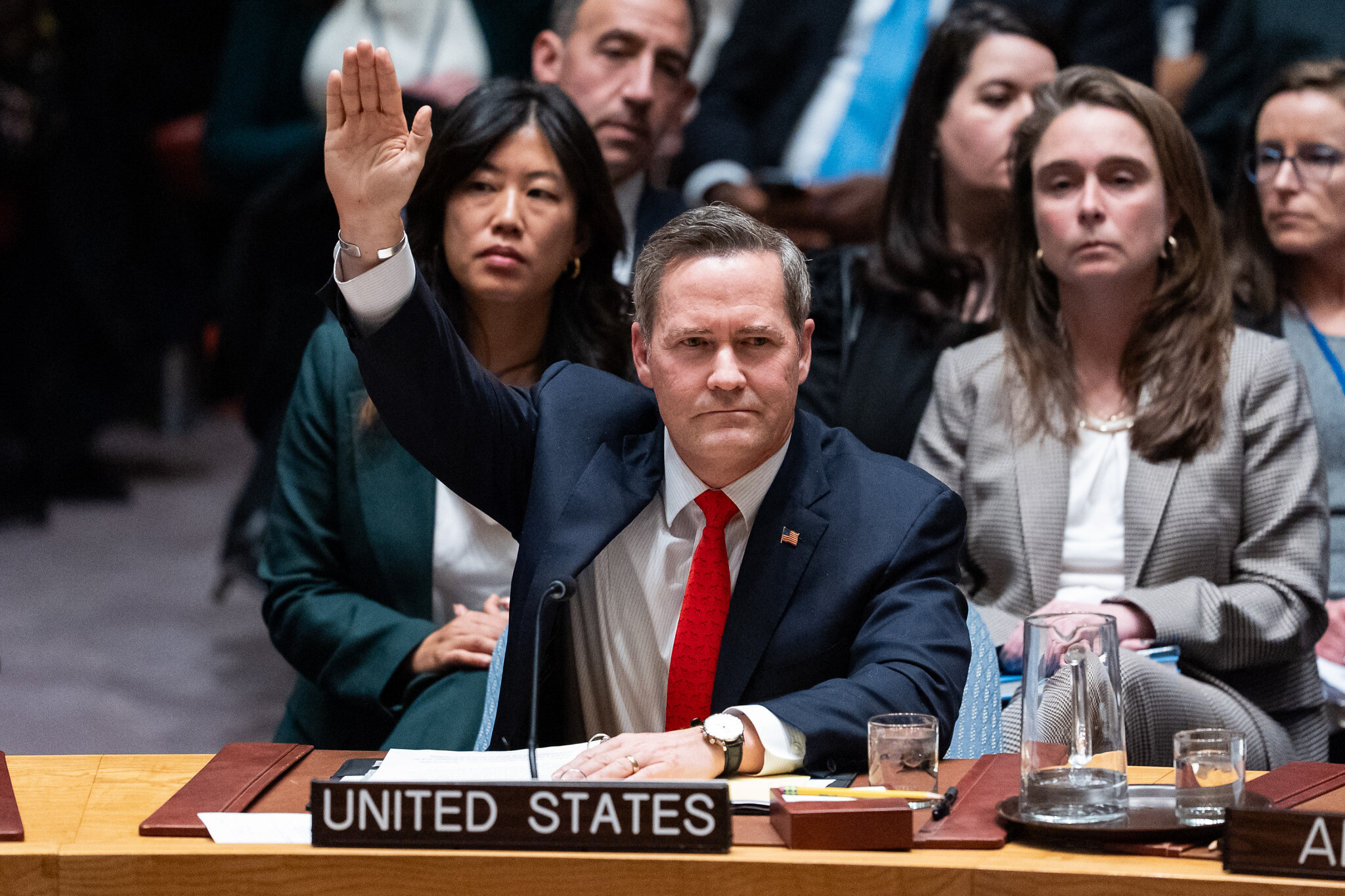
Notably, US Ambassador to the UN Mike Waltz told the Security Council before Monday’s vote that the resolution authorizes “a strong coalition of peacekeepers — many from Muslim-majority nations like Indonesia, Azerbaijan, and others — to deploy under a unified command.”
His decision to publicly name those two countries may have been an indication that they are still on board with contributing troops to the initiative, despite the difficult conditions that their troops will likely encounter in Gaza.
The resolution states that the ISF will help secure Gaza’s borders, protect civilians, secure humanitarian aid, train Palestinian police and — most critically to Israel — “ensure the process of demilitarizing” the Strip.
The resolution also “welcomes the establishment of the Board of Peace,” which will be chaired by Trump and tasked with overseeing the redevelopment of Gaza and the establishment of a technocratic Palestinian government that will be tasked with administering daily services in the Strip.
Neither the Board of Peace nor the Palestinian technocratic government have been staffed yet, but the 20-point plan states that the board will include former UK prime minister Tony Blair, and the US has been considering various names for both panels over the past several months, according to Arab diplomats.
The resolution authorizes the Board of Peace and the ISF to operate in Gaza until the end of 2027, and a US official told The Times of Israel that Washington is aiming for the foreign force to deploy at the beginning of 2026.
In rallying support for the initiative, the US organized a joint statement on Friday that said Trump’s plan offered a pathway to a future Palestinian state. The language raised some eyebrows, as it goes further than the actual text of the 20-point plan, which only said that it “may” provide for such a result.
The tightening of the language, likely needed to get additional countries on board, infuriated Prime Minister Benjamin Netanyahu’s right-wing coalition partners, who issued a flood of statements pledging not to allow Palestinian statehood, leading the premier to do the same on Sunday, even though the joint statement wasn’t binding.
Netanyahu did verbally accept the 20-point plan when it was unveiled by Trump during the premier’s visit to the White House in September. But the actual ceasefire agreement signed by Israel and Hamas was a separate document that only focused on the truce, Israel’s initial withdrawal, the hostage-prisoner swap terms and humanitarian aid provisions.
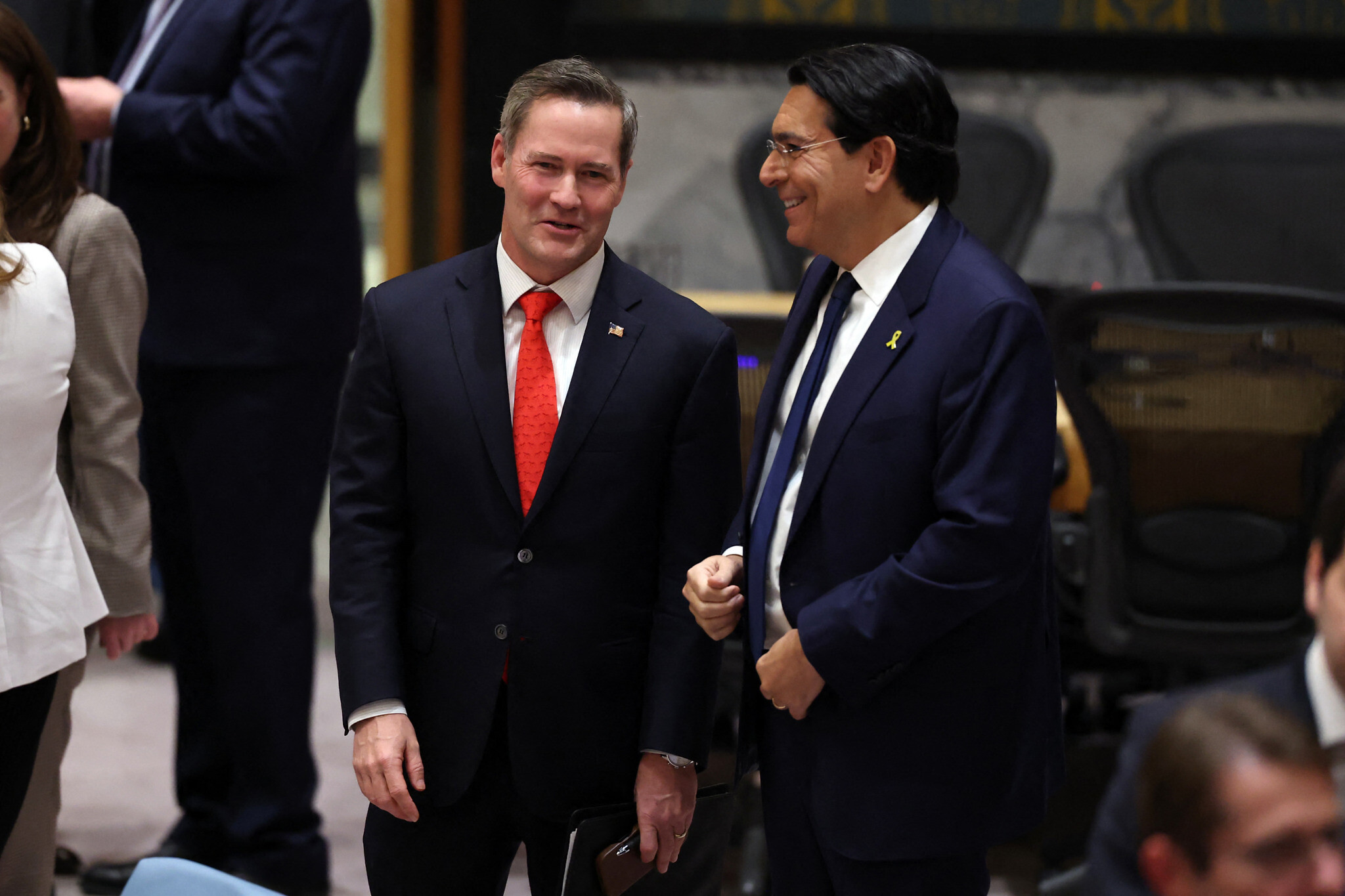
The entire 20-point plan was included as an annex in the Security Council resolution passed Monday.
Point 19 states, “While Gaza re-development advances and when the Palestinian Authority reform program is faithfully carried out, the conditions may finally be in place for a credible pathway to Palestinian self-determination and statehood, which we recognize as the aspiration of the Palestinian people.”
The final point reads, “The United States will establish a dialogue between Israel and the Palestinians to agree on a political horizon for peaceful and prosperous co-existence.”
It was apparently those two points that led Israel to avoid welcoming the resolution pushed tirelessly by its closest ally.
“The demilitarization of Hamas is a basic condition of the peace agreement. There will be no future in Gaza as long as Hamas possesses weapons,” Israel’s Ambassador to the UN Danny Danon said in a statement following the vote.
The PA welcomed the resolution’s passing, stressing that it’s willing to work with the international community to implement it “in a way that ends the suffering of our Palestinian people in the Gaza Strip, the West Bank, and East Jerusalem, and advances the political path leading to peace, security, and stability between Palestinians and Israelis, based on the two-state solution.”
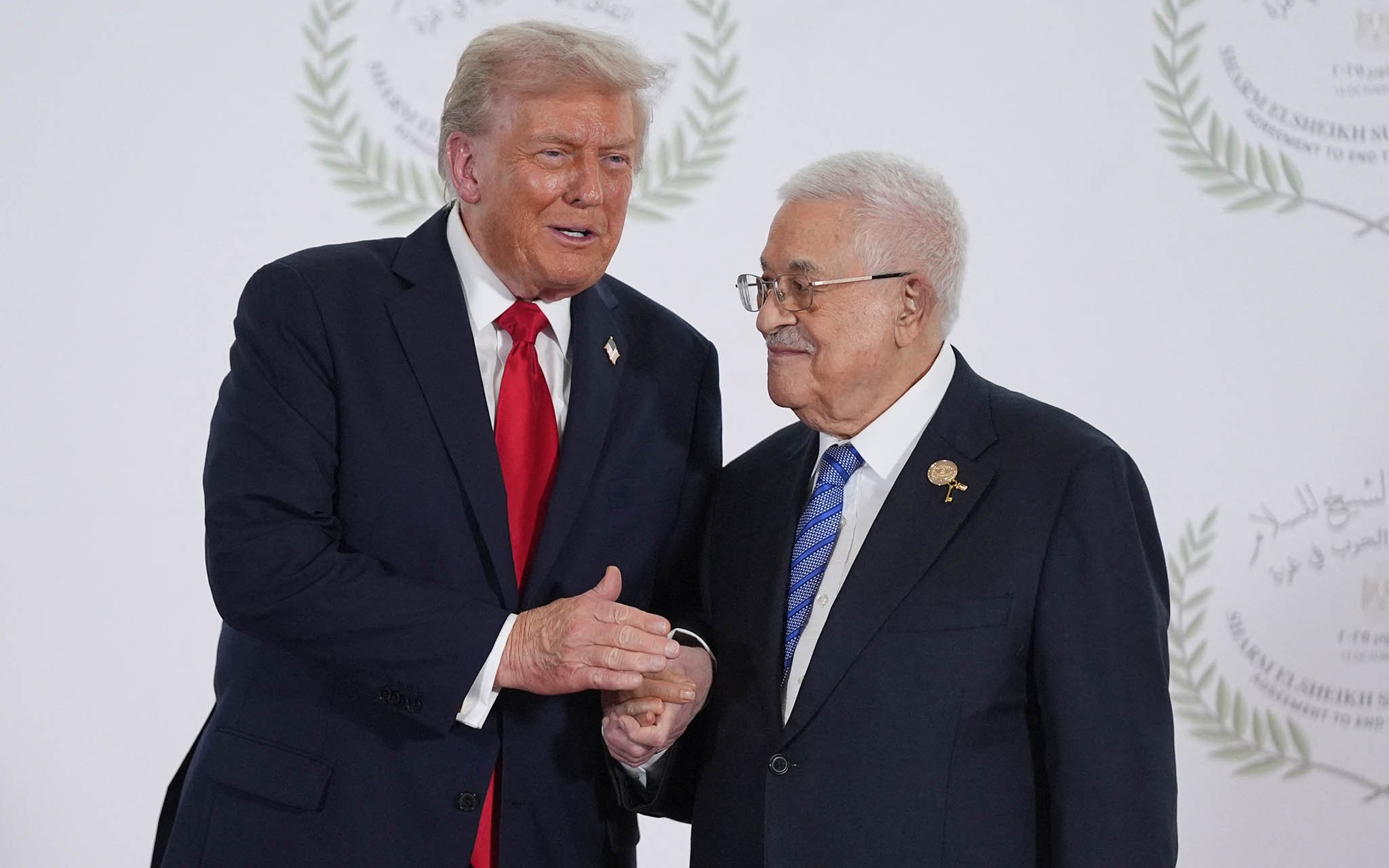
Ramallah also thanked those who back “Palestinian efforts toward ending the occupation and achieving freedom and independence, based on their commitment to advancing a just and comprehensive solution to the Palestinian question — one that brings peace, stability, and security to the region and the world at large.”
Hamas, however, blasted the resolution, asserting that “it fails to meet Palestinians’ rights and demands and seeks to impose an international trusteeship on the enclave that Palestinians and resistance factions oppose.”
“Assigning the international force with tasks and roles inside the Gaza Strip, including disarming the resistance, strips it of its neutrality, and turns it into a party to the conflict in favor of the occupation [Israel],” the terror group added, while claiming that “resisting occupation by all means is a legitimate right.”
Shortly after the resolution passed, Trump published a post on Truth Social “congratulating the world,” and saying that the Board of Peace that he will chair will include “the most powerful and respected leaders throughout the world.”
He claimed the resolution’s adoption “will lead to further peace all over the world,” in a statement that notably made no mention of Israel, Hamas, the PA or even the Gaza Strip.