Ahead of Trump-Netanyahu meet, Iran says conflict will spread ‘geographically’ if US renews strikes after 2 days of quiet; reports progress on talks with Oman on Strait o
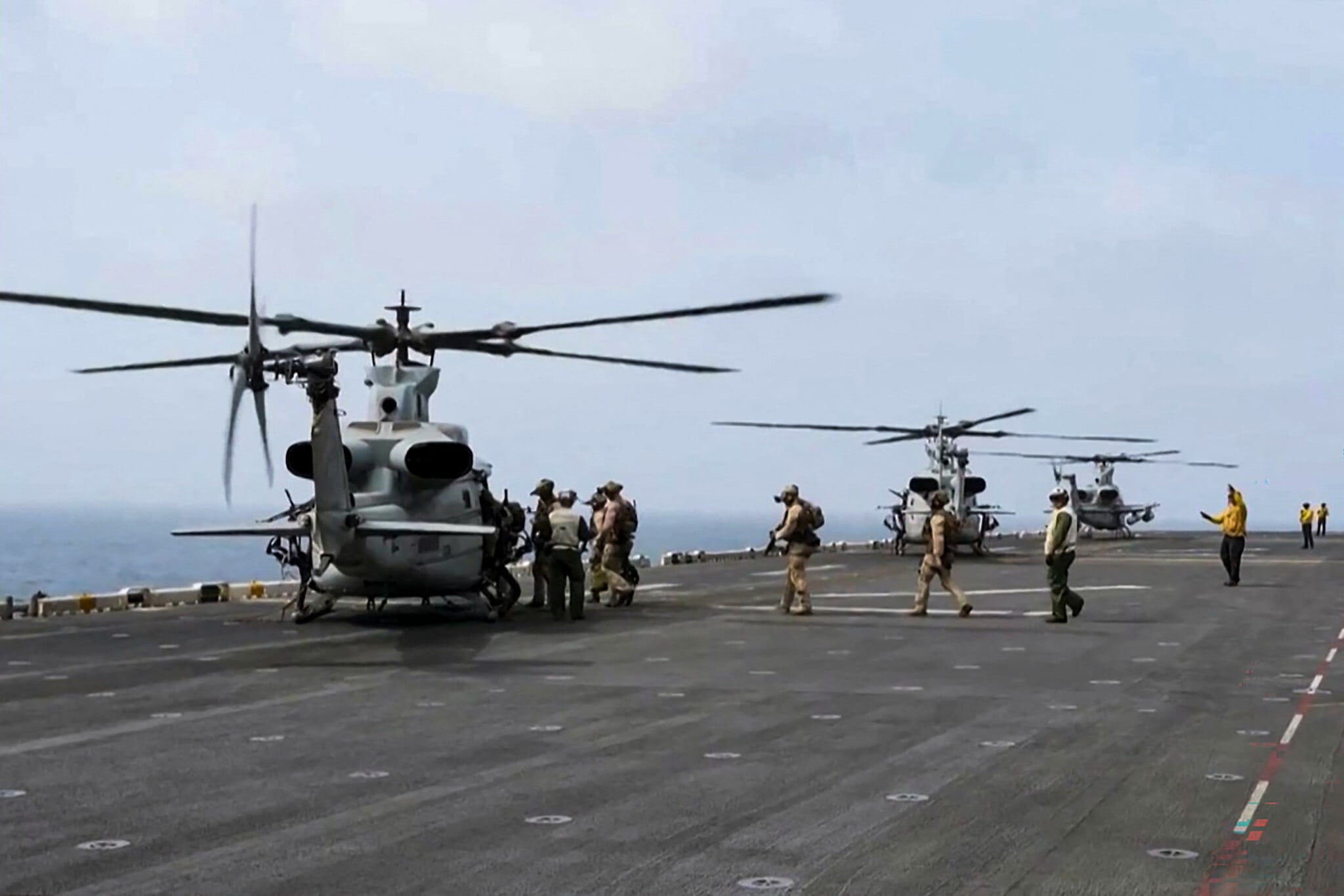
TEHRAN, Iran — Iran’s army warned on Sunday that the Middle East war would widen if the United States chose to press ahead with attacks on the Islamic Republic, ahead of the visit of Prime Minister Benjamin Netanyahu to Washington.
The stark caution came after the second night in succession without US strikes on Iran, following nearly two weeks of nightly attacks and responses by Tehran that targeted US allies across the Middle East, but not Israel, which stayed out of the fighting.
Iran said on Sunday it has halted retaliatory attacks in the region after the United States stopped its strikes on the country for the past two nights.
“Since… our strategy has essentially been retaliatory, we have also halted our retaliatory operations,” said army spokesman Mohammad Akraminia, confirming there have been no US strikes over the past 48 hours.
Earlier, he told state television that he believed Israel was trying to prod the US into resuming attacks.
He said the war had already expanded to the Bab el-Mandeb Strait at the entrance of the Red Sea, referencing the recent military flare-up between Yemen’s Iran-backed Houthi rebels and Saudi Arabia.
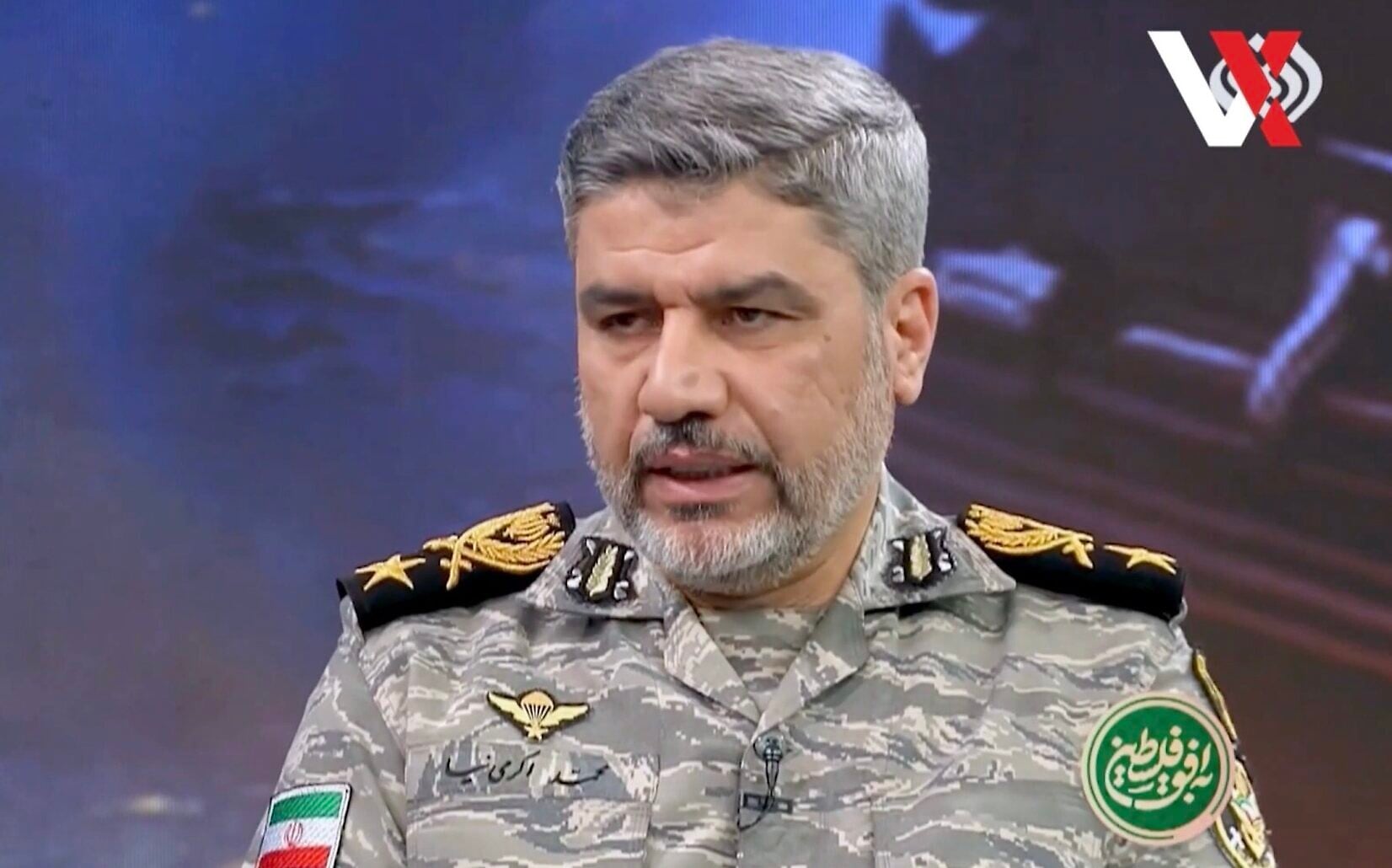
“The scope of our operations now encompasses the entire region, from US bases in Jordan to the countries along the Persian Gulf,” he said.
Akraminia said the situation in the Middle East for the United States is “difficult and unsettled,” predicting that Washington was now looking “for a new strategy.”
“We are prepared for each of the options and scenarios that appear likely,” he added.
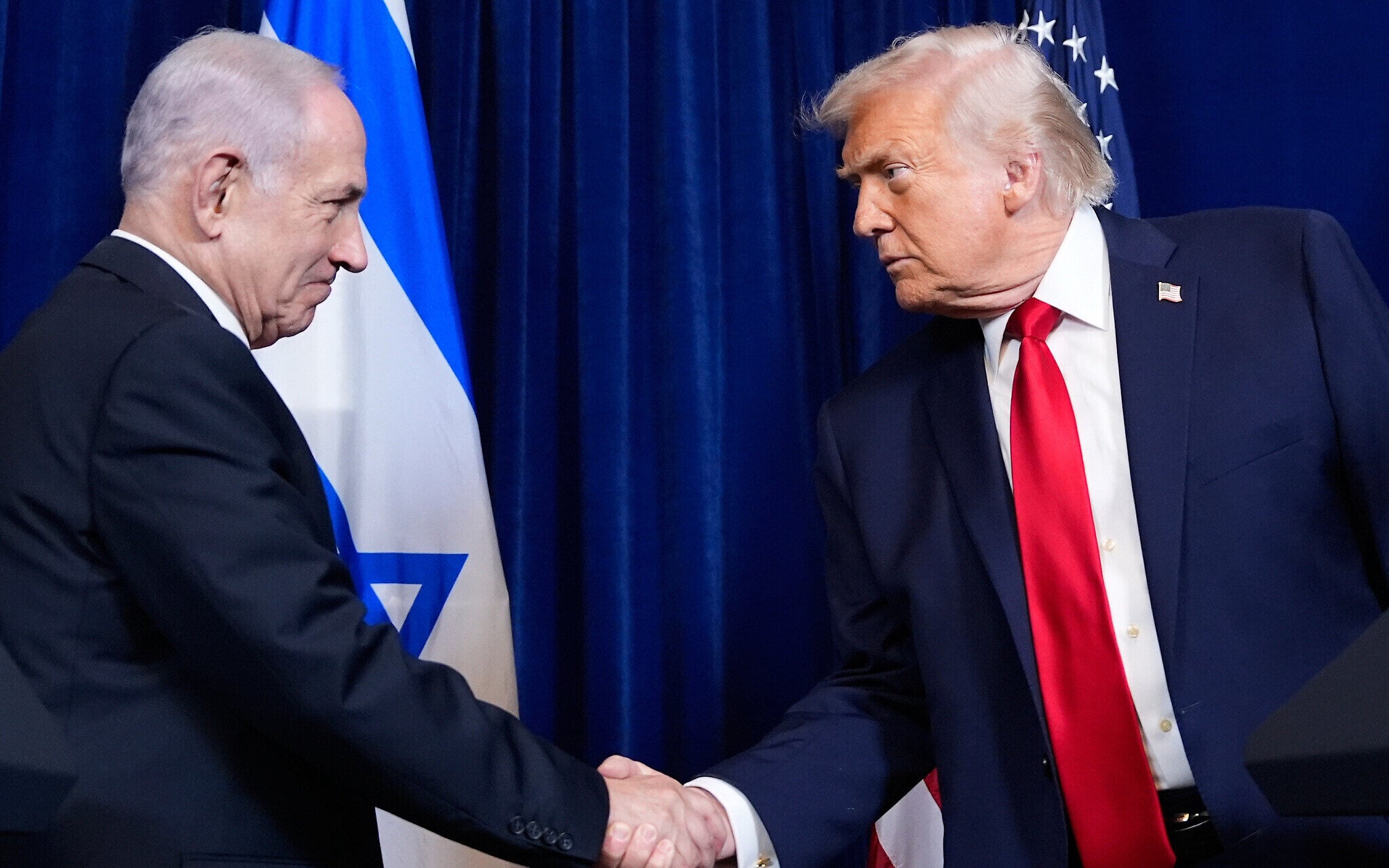
On Friday, Israel said Netanyahu will meet US President Donald Trump at the White House on Tuesday.
Previous private presentations by Netanyahu to Trump on Iran’s nuclear activities and alleged violations of its commitments reportedly played a significant role in the US decision to strike Iran.
Channel 12 reported Saturday that Netanyahu and his team plan to present Trump with fresh intelligence on Iran’s efforts to rebuild its military and nuclear program during their meeting, including what Israeli officials believe are accelerated efforts under new Supreme Leader Mojtaba Khamenei to advance toward a nuclear weapon.
The report, citing Israeli sources, did not elaborate on the alleged moves or the intelligence Israel intends to present, though recent reports have detailed some.
Iran, which has already retaliated against US bases in Kuwait, Bahrain, and Jordan, has said that it is ready to also attack Israel if the US escalates its air campaign.
Iran says progress in Oman talks on Strait of Hormuz management
Also Sunday, Iran said it had made progress in talks with Oman on management of the Strait of Hormuz, the strategic waterway crucial for oil and gas trade that both countries border and that has become a center of contention in the US-Iran war.
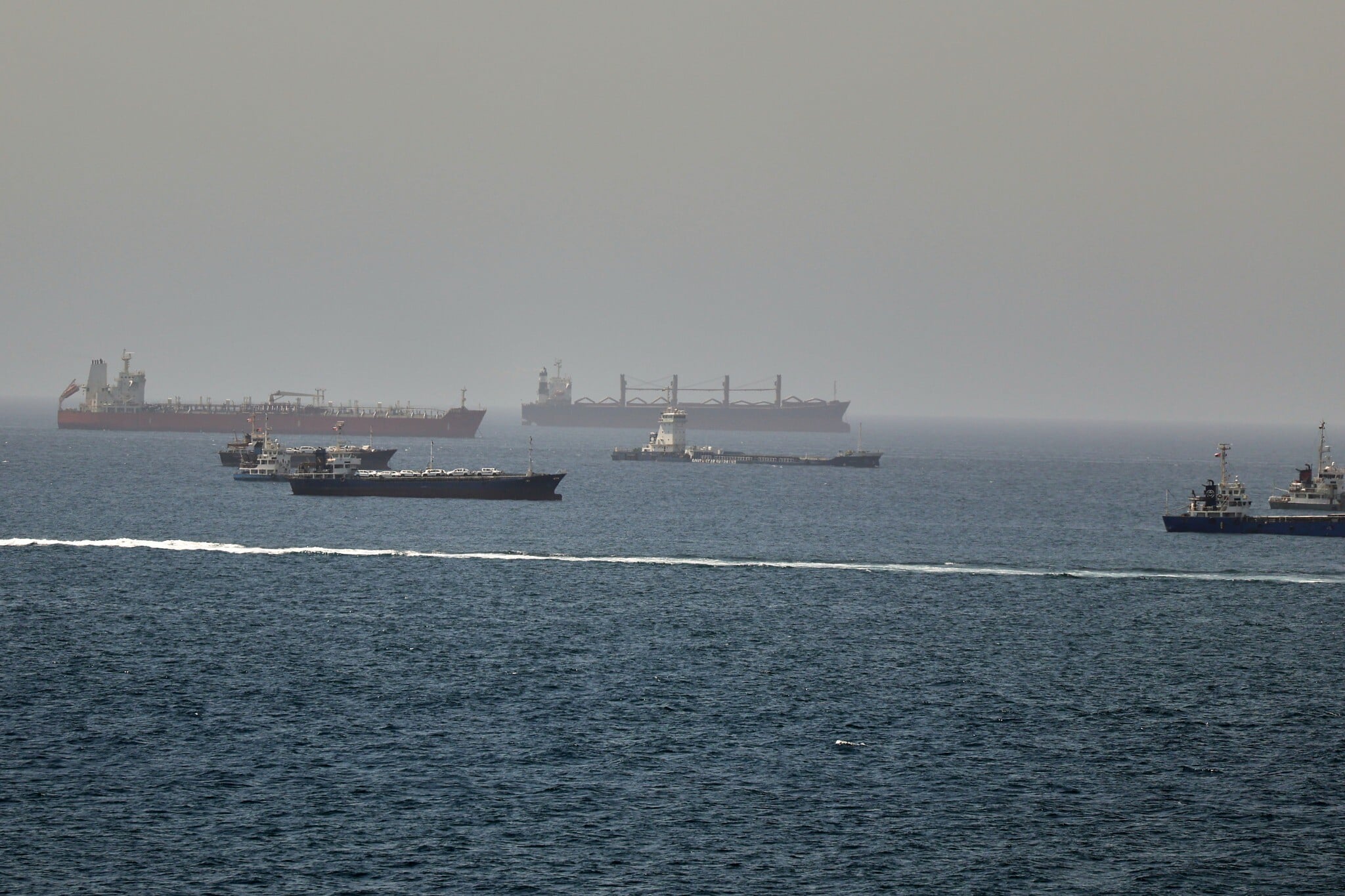
The latest talks came after the US had resumed its attacks on Iran in an effort to end Tehran’s control of the strait, following a June memorandum of understanding aimed at ending the war that had briefly eased tensions.
Foreign ministry spokesman Esmaeil Baghaei said several rounds of negotiations were held in the Iranian capital Tehran on Friday and Saturday between Iranian and Omani deputy foreign ministers.
The discussions focused on “common principles and operational mechanisms” for ensuring the safe passage of shipping through the strait while respecting the sovereign rights of the two states, Baghaei said.
He described the talks as “useful” and said progress had been made, adding that “technical and political consultations between the two sides were continuing.”
In June, Oman and Iran said they would discuss imposing service fees, a move Washington opposes.
But Muscat also said ships could transit Hormuz via its waters, angering Tehran, which responded with a pattern of escalation by attacking ships moving through the strait. The US responded by blockading Iranian ports that are all accessed via the waterway.
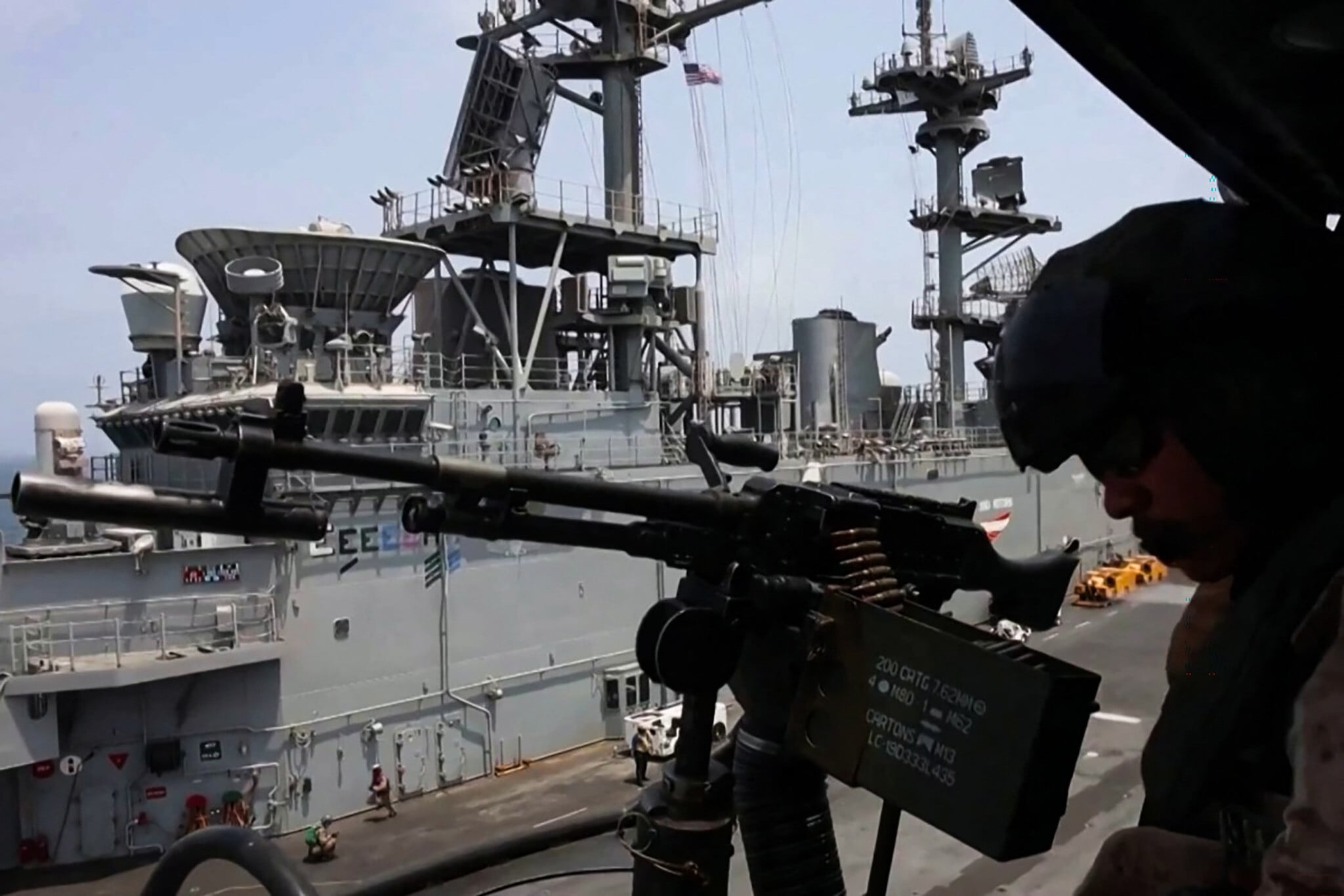
According to Axios, the Pentagon presented Trump with a plan for a 14th consecutive night of strikes, but he declined to authorize it in favor of renewed talks.
The report said Trump made the order to hold fire after an Omani delegation arrived in Tehran “for talks on a new arrangement to reopen the Strait of Hormuz.”
Responding to a separate question, Baghaei said there had been “no change” in the status of shipping traffic through the Strait of Hormuz.
On Sunday, Iran’s armed forces stopped six vessels attempting to transit the Hormuz strait after warnings over the past 24 hours, according to state television.
Despite the pause in US attacks, Israeli leaders still estimate that Trump would soon be compelled to step up military action, Hebrew media reports said Saturday.
Multiple outlets, including Axios and the Kan public broadcaster, cited sources as saying that the US was still intending a major expansion of the fighting, but that Trump was now favoring allowing more time for negotiations.
Trump has threatened in recent days to widen the range of targets to include Iran’s energy plants and bridges, send ground forces to seize its central oil hub on Kharg Island, and bomb a deep-underground nuclear site known as Pickaxe Mountain.
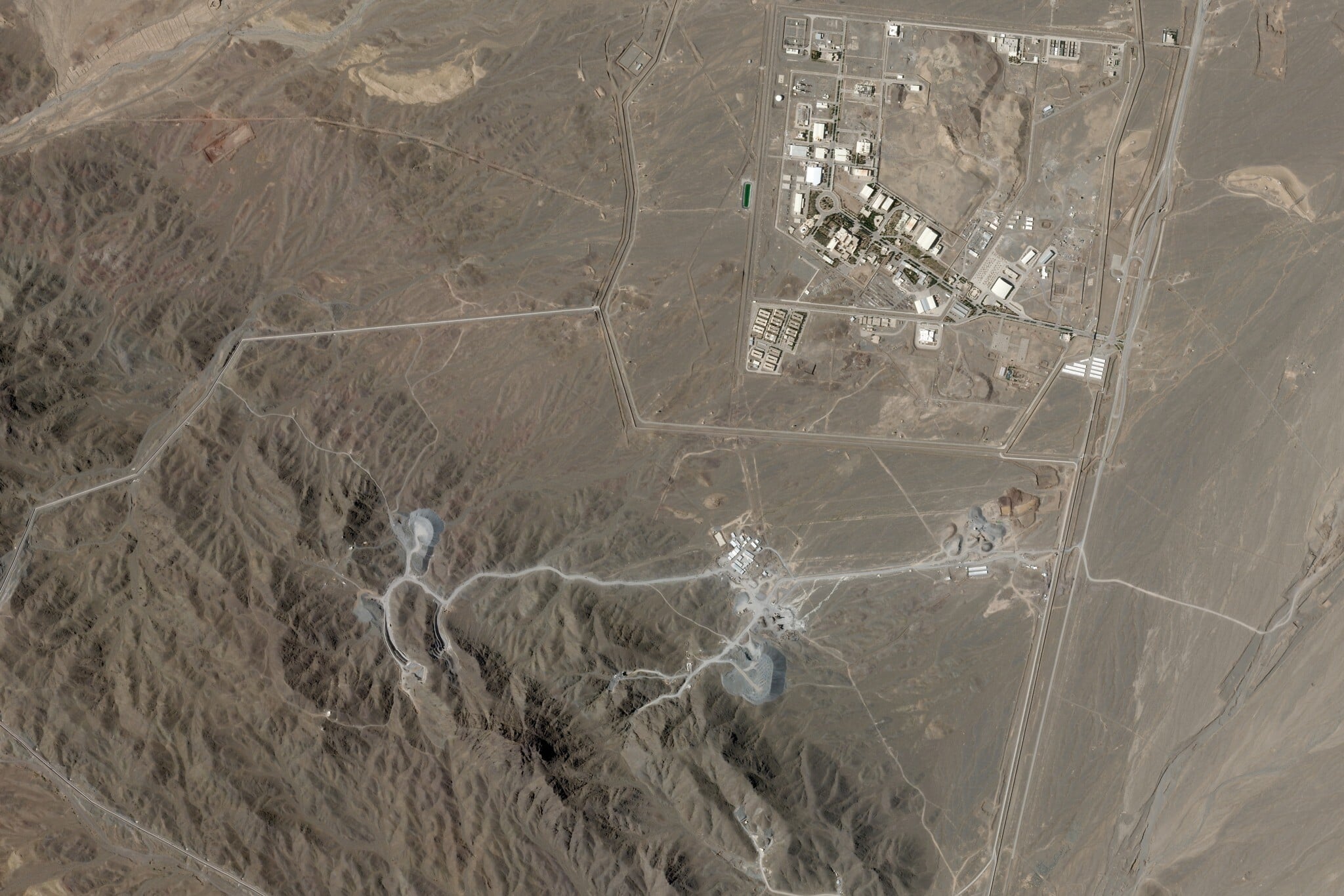
On Friday, however, Trump said he had not yet made a decision on new major strikes.
Trump has decided, for now, to back away from plans to ramp up attacks on Iran, the New York Times said on Saturday, citing two people briefed on the discussion.
The president and his advisers, the newspaper said, have concerns about expanding the conflict, depleting defense stockpiles, alienating Middle East Gulf allies and affecting energy supplies and the global economy.
Vice President JD Vance and Gen. Dan Caine, the chairman of the Joint Chiefs of Staff, both raised concerns about the US munitions stockpile with Trump during a White House meeting on Friday, a US official told CNN.
Operations are “on a hold,” a Department of Defense source told the broadcaster on Saturday.