
Jerusalem is maintaining maximum readiness and has identified three scenarios that could draw Israel into the campaign against Iran. Officials are also concerned that civilian flights could be canceled as US refueling aircraft crowd regional airspace, while security arrangements for senior officials are being reassessed amid assassination threats.

US President Donald Trump and Prime Minister Benjamin Netanyahu against the backdrop of Iran. Photo: AP, AFP, EPA
Amid the escalating confrontation between Iran and the United States, Israeli officials say Jerusalem and Washington are maintaining close coordination and direct contact.
“The Israel Defense Forces are on very high alert for every scenario. There will be no surprises,” the officials said.
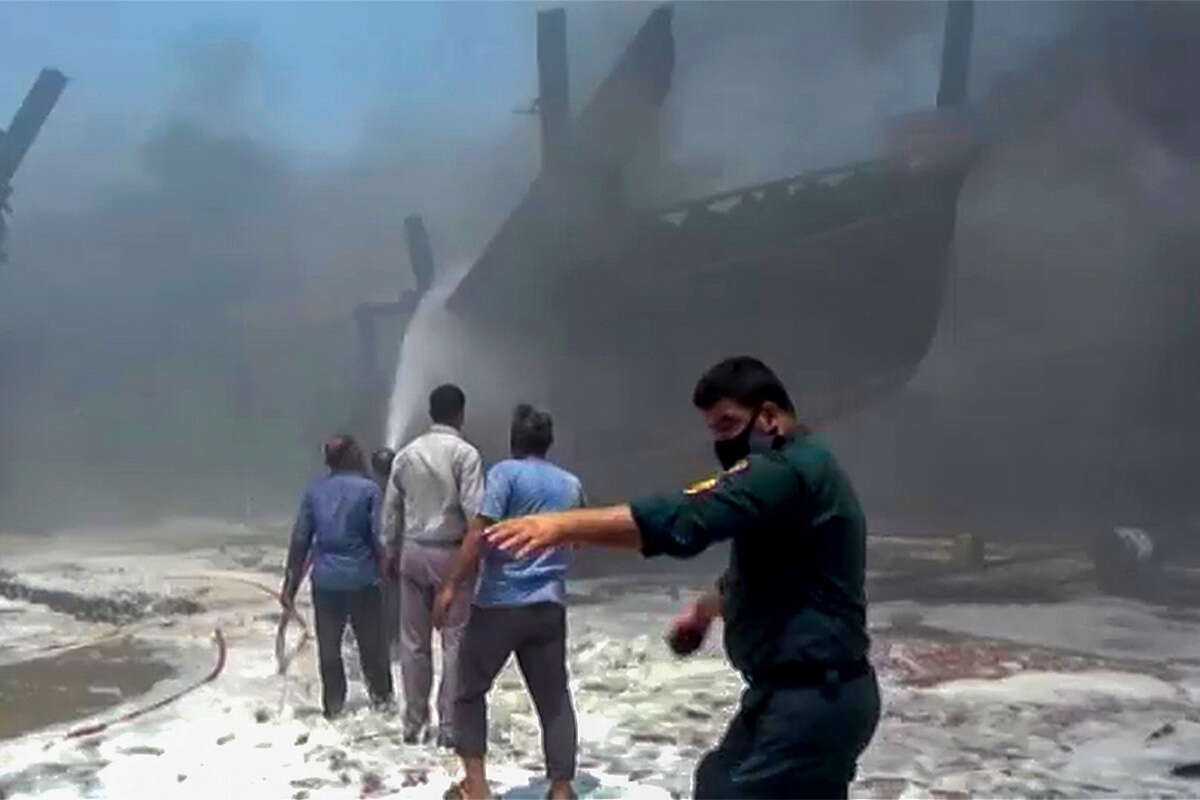
Israeli assessments indicate that as US strikes in Iran expand, and Iranian retaliation intensifies accordingly, the likelihood is growing that Israel will find itself drawn into the renewed campaign.
Three scenarios
According to the officials, Israel could find itself in the line of fire under three possible scenarios:
- A direct Iranian attack on Israel.
- Signs that Iran is preparing to attack Israel.
- A formal US request for the IDF to join the campaign.
None of the three scenarios has materialized so far, and Israel is continuing to strengthen its preparations while remaining outside the fighting.
Senior officials in Jerusalem said continuous contact with Washington was taking place at every level and at all times, reflecting the “majority” of interests shared by the two countries.
However, when the countries’ interests do not fully align, discussions are held in which Prime Minister Benjamin Netanyahu insists on Israel’s security requirements. One example, the officials said, was the continuation of IDF operations in Lebanon despite demands from the White House.
Now, however, with fighting in Iran resuming and appearing to be heading toward further escalation, Jerusalem has not yet received a signal from Washington to enter the campaign. As of publication, Iran also appears uninterested in deliberately drawing Israel into the conflict.
Disruption at Ben-Gurion Airport?
A further area of close coordination involves aviation. Israel and the United States are conducting daily assessments based on the operational needs of the US military following the renewed outbreak of fighting with Iran.
For now, under instructions issued by Transportation Minister Miri Regev, the large number of US aerial refueling aircraft that have returned to the region have been directed to Israeli Air Force bases around the country.
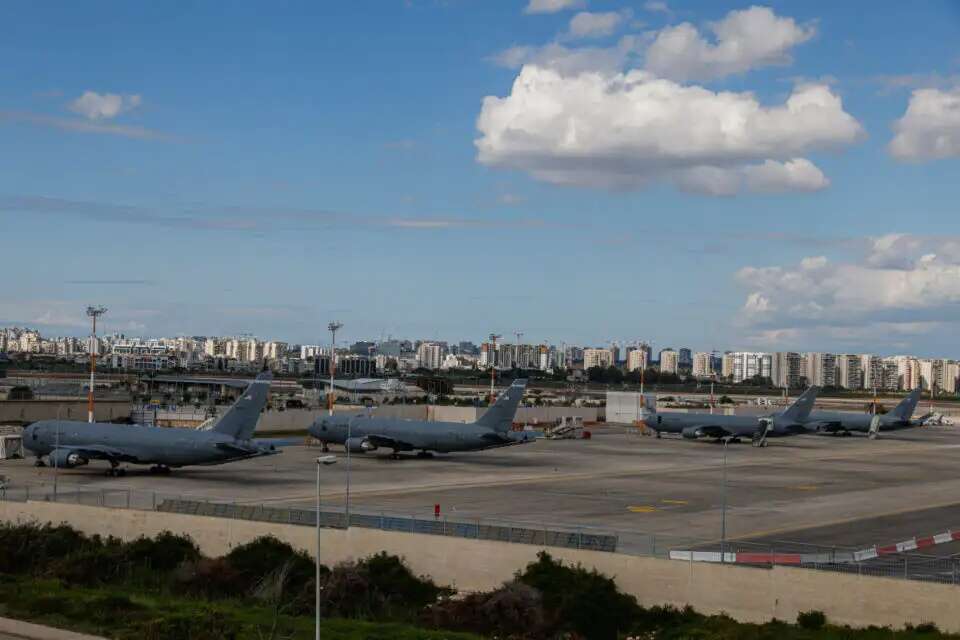
However, officials familiar with the matter said there was a tangible risk that numerous commercial flights could be canceled if the offensive expanded and the US military needed to increase its aircraft presence at Ben-Gurion International Airport.
Netanyahu’s planned trip to the United States next week to attend the funeral of Republican Sen. Lindsey Graham is also at risk of cancellation because of the regional security tensions.
Netanyahu hinted at that possibility during a meeting Sunday with Likud mayors, saying that if the security situation escalated, the party would not hold primaries ahead of the elections. Instead, a selection committee would be established to determine the makeup of the Likud candidate list.
The drone threat
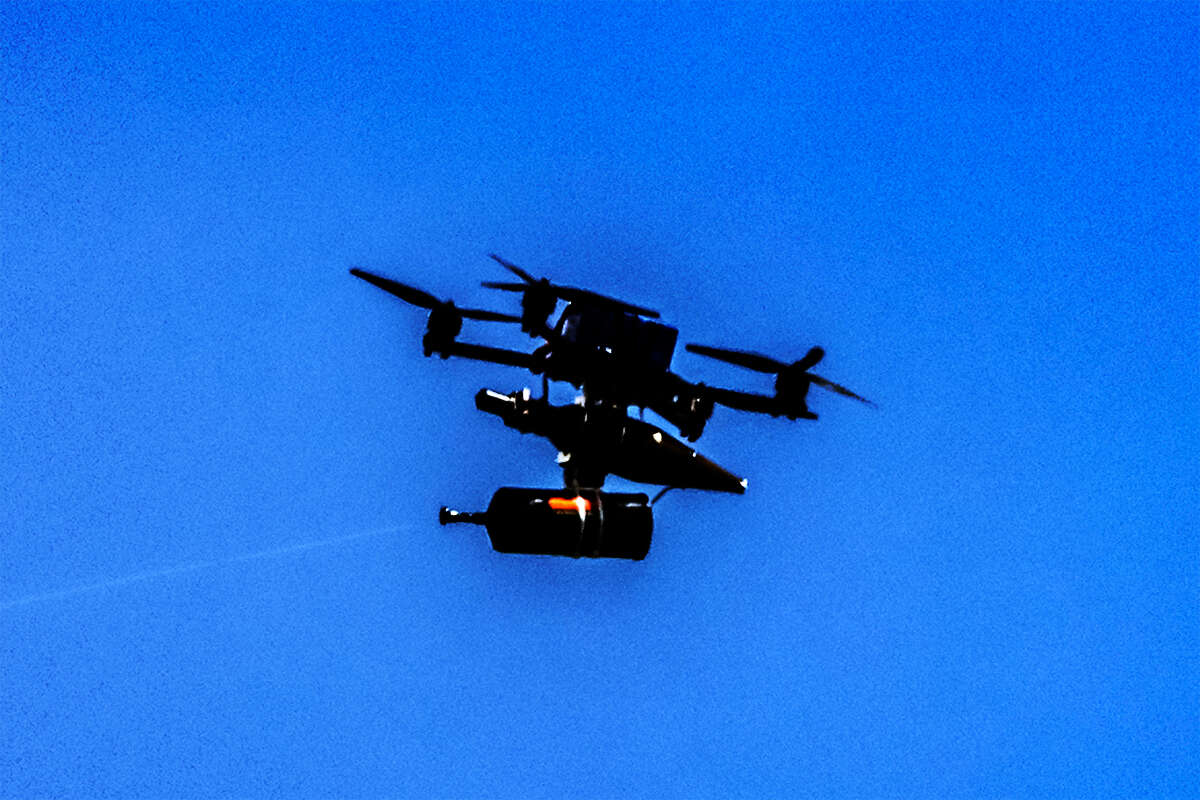
Another Iranian threat troubling Israel’s defense establishment is the possible use of drones launched from inside the country.
As reported over the weekend, Israel is considering a complete suspension of civilian drone flights and making the operation of a drone without authorization a criminal offense.
Although the use of drones against Israeli forces in Lebanon appears to have been largely curtailed, the primary concern is that all elements of the Iranian axis possess similar capabilities in areas very close to Israel’s borders.
Dr. Yossi Mansharof, an Iran and Shiite militias researcher at the Misgav Institute for National Security and a lecturer in the University of Haifa’s Middle East Politics master’s program at the School of Political Sciences, told Hayom that “the level of the threat from Iran is extremely high.”
He warned that the regime’s capabilities should not be underestimated, as the Houthis’ capabilities initially were. “Their technological capabilities improve as the years pass. They are not standing still, and that has to be taken into account,” Mansharof said.
“If this device, the ‘fiber drone,’ is in Hezbollah’s possession, it is probably held by the entire axis, particularly along the Jordanian border. The defense establishment therefore needs to maintain heightened vigilance.
“Given the nature of the threats, I would expect the Israeli Air Force to shorten its response time, unlike what we saw on Oct. 7.”
‘Revenge through assassination’
Mansharof identified an additional threat from Tehran that is troubling Israel: threats against senior Israeli officials, alongside threats to the life of US President Donald Trump.
“The focus at Khamenei’s funeral was on assassinating Trump,” he said. “There is a consensus throughout the regime that revenge must be carried out through an assassination, and most are calling for Trump to be killed.
“At the same time,” he continued, “the regime’s reformists warned in their newspaper that the calls for revenge would rebound against Iran, because Trump would feel threatened and choose to attack Iran. The reformists tried to dissuade the regime from seeking revenge, but they are highly marginalized within the centers of decision-making.”
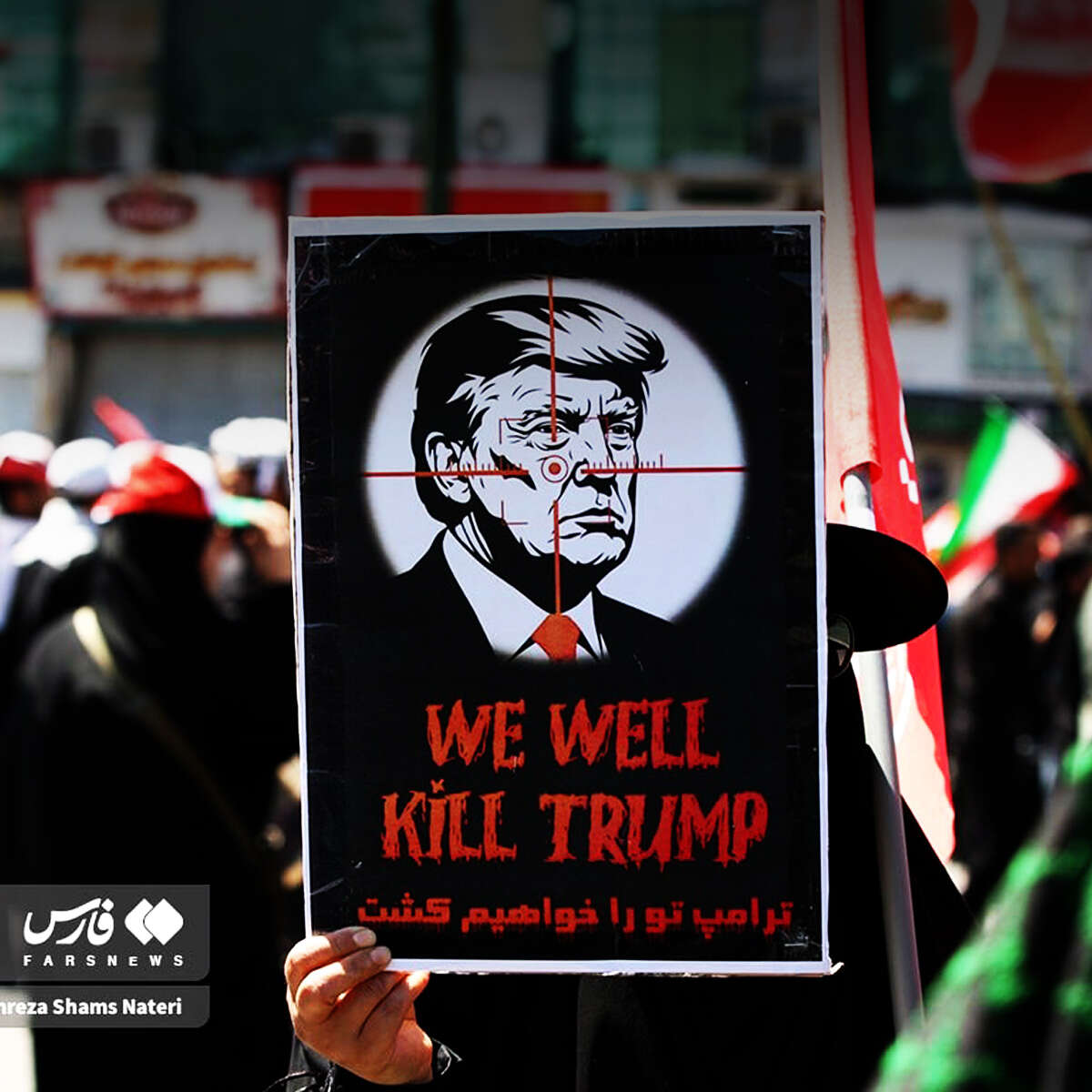
Regarding threats against Israel’s leadership, Mansharof said, “The main focus is Trump, followed at a slightly lower, though still significant, level of intensity by Prime Minister Benjamin Netanyahu.”
He referred to posters displayed in Tehran’s main squares, designed to resemble the front pages of newspapers affiliated with the regime and featuring assassination lists.
‘Who is next?’
One of the posters mentioned Graham’s death alongside the question, “Who is next?”
According to Mansharof, one of the actors driving the threats is Mojtaba Khamenei, the designated supreme leader, who “wants to prove that he is no less radical than his father.” The working assumption is that they are waiting for an operational opportunity to take revenge,” Mansharof said. “When that opportunity arises, they will lead the retaliation.”
Israeli officials confirmed that there was concern Iran could target senior Israeli figures, foremost among them Netanyahu. “The entire system for protecting public officials is being reassessed because of the threats against senior figures in Israel,” the officials said.
“Netanyahu is not the only person in Iran’s sights. Other senior military officials and government ministers are also being targeted.” They described it as “an enormous number of people who are under threat.”
Finally, should Israel enter the renewed campaign against Iran in the coming days, Mansharof said its central objective should be to help create the conditions for the regime’s downfall.
“Israel must be prepared to advance the conditions for bringing down the regime by inflicting massive damage on its instruments of repression, so that an Iranian citizen can open the window and not see Basij forces waiting outside,” he said. “As long as that does not happen, it is difficult to envision far-reaching changes in Iran that would make the regime’s overthrow possible.”