American forces strike Iran for 3rd night in a row as Trump weighs hitting Pickaxe nuclear site; Iran targets Bahrain and Jordan, claims attack on UAE tankers that killed crewman
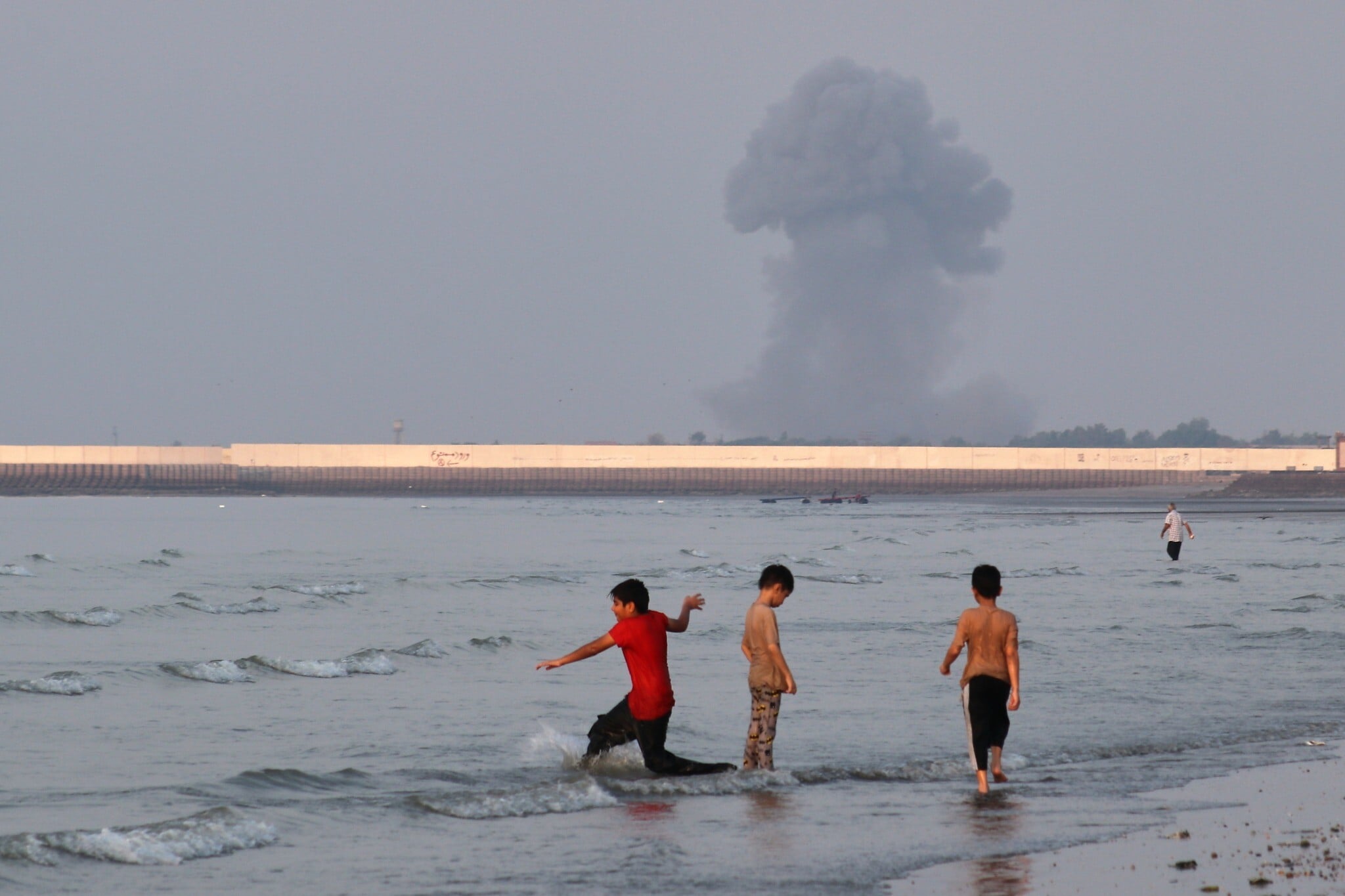
The US launched strikes on Iran early Tuesday morning, hours after President Donald Trump said Washington was “reinstating” a blockade on Iran in the Strait of Hormuz. Trump separately suggested the United States will charge other ships for safe passage, upending hundreds of years of American policy supporting freedom of navigation across the globe.
Iran responded with attacks targeting Bahrain, Jordan and two tankers associated with the United Arab Emirates traveling through the strait, killing one mariner and wounding eight. The Emirates threatened to retaliate against Iran, potentially drawing the nation that is home to Abu Dhabi and Dubai back into fighting with Tehran.
The attacks come as Iran and the US vie for control of the strait through which a fifth of all traded crude oil and natural gas once passed in peacetime. The price of benchmark Brent crude oil rose to a one-month high of over $84 in trading early Tuesday, still well below the nearly $120 reached at the height of the war but threatening to make costs everywhere higher.
It also further shredded a ceasefire in place from an interim agreement between Iran and the US to end the war. The accord is now almost halfway through the 60-day period in which they were supposed to negotiate a final accord, which also was meant to address Iran’s disputed nuclear program and other issues.
Attacks resume across the Mideast
A US air base in Jordan was targeted by Iranian ballistic missiles on Tuesday, Iran’s Islamic Revolutionary Guard Corps said, while calling on Jordanians to dismantle American bases in the kingdom.
“You know very well that not only do we not have any enmity with your country, but we also love you, the noble people, who understand the pain and oppression of the Palestinian people more than any other nation,” the IRGC said in a statement carried by Fars News.
Jordan’s armed forces said on Tuesday they intercepted and shot down four missiles that entered Jordanian airspace from Iranian territory, according to state news agency.
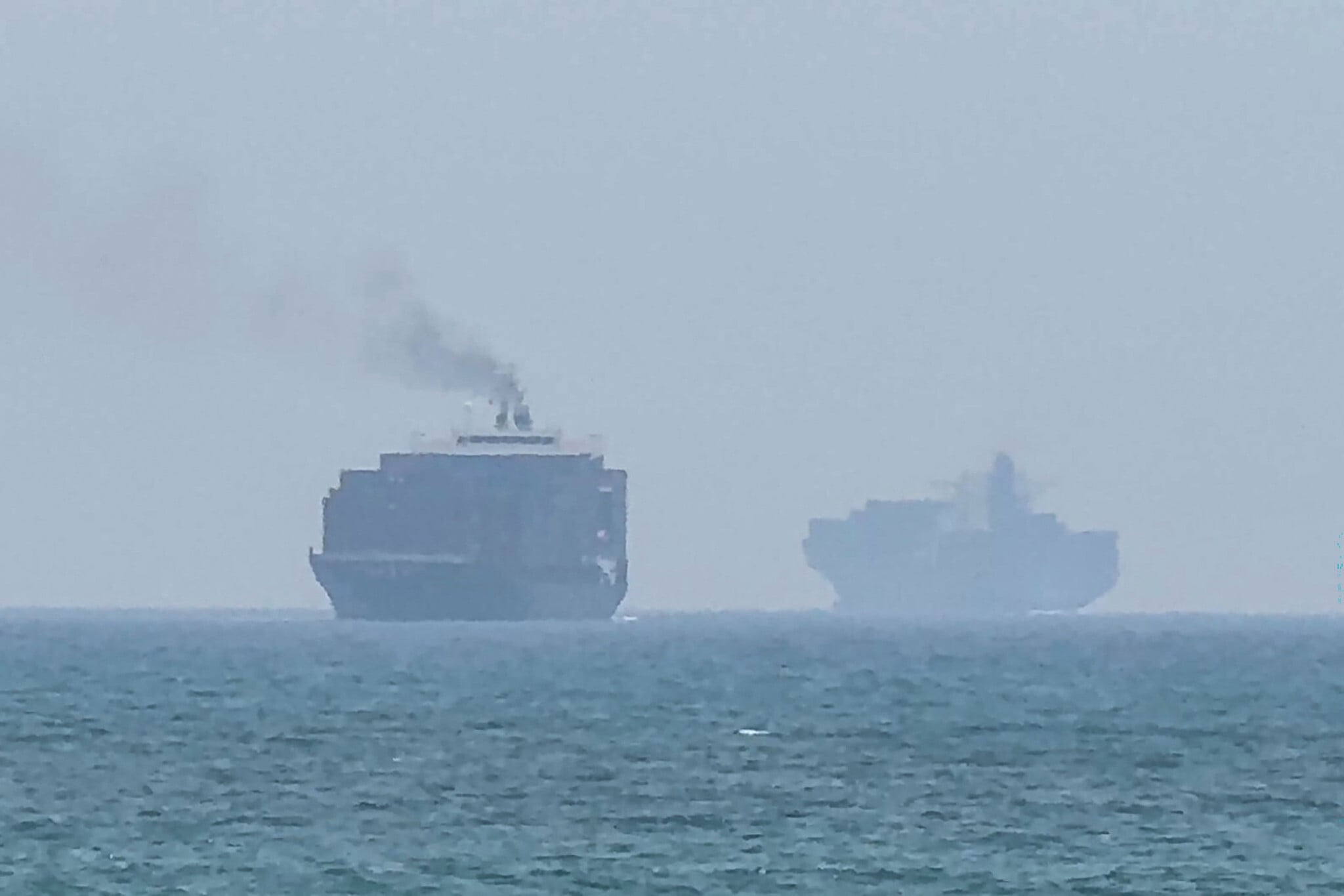
The United Arab Emirates’ Defense Ministry said early Tuesday that Iran attacked two tankers in the Strait of Hormuz, killing one mariner and wounding eight.
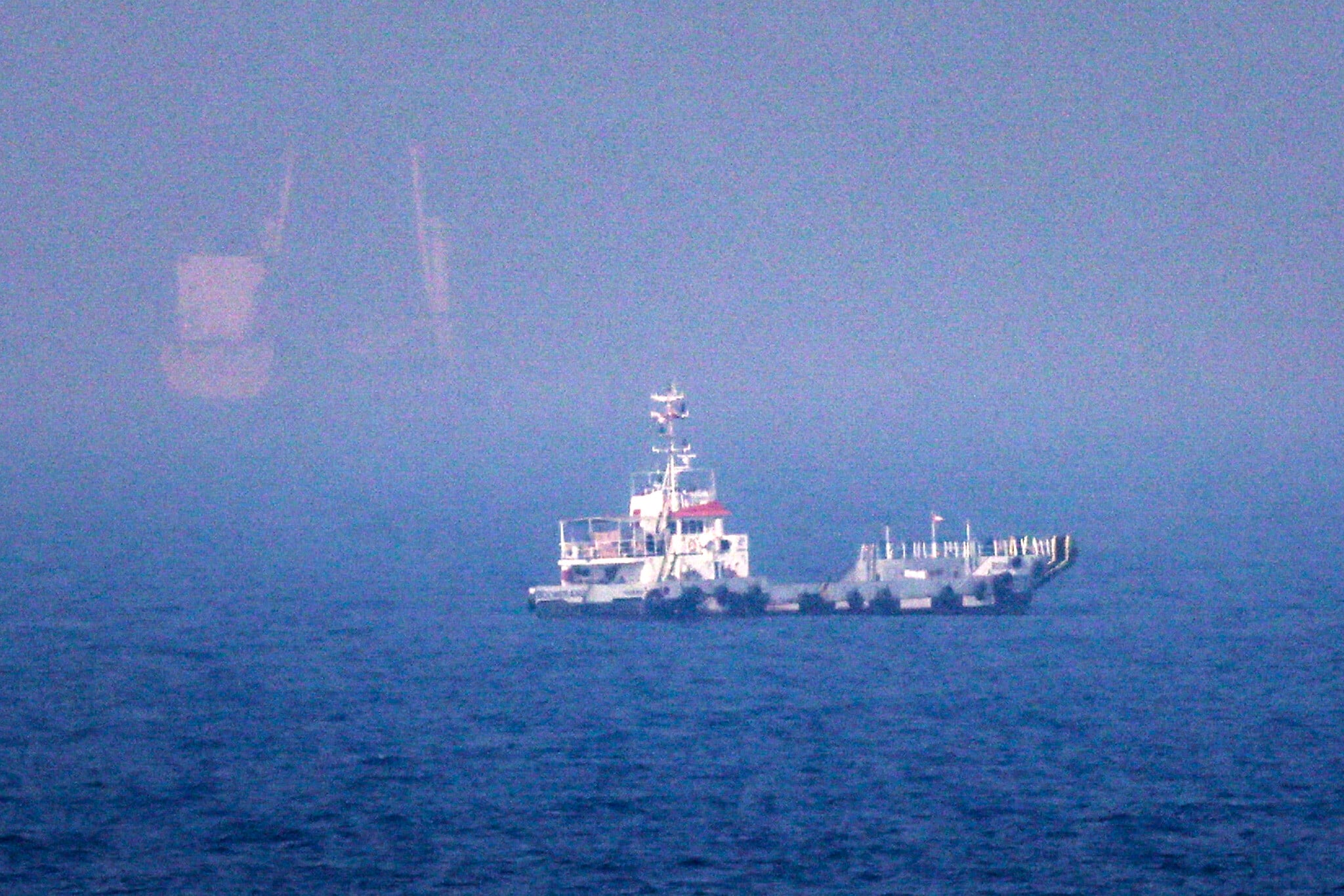
The Emirati Defense Ministry said Iran launched two cruise missiles at the tankers Mombasa and Al Bahiyah. The attacks set both tankers ablaze, though the fires were extinguished.
Iran’s paramilitary Revolutionary Guard claimed the attack on the tankers, saying the vessels “ignored repeated warnings.”
“They chose to pass through a minefield and were subsequently targeted and disabled,” the Guard said.
The Emirati Defense Ministry said the attack on the tankers killed one Indian national and wounded six Indians and two Ukrainians.
“The UAE reserves its full right to respond to this escalation and to take all necessary measures to protect its territory, its citizens and residents,” the Defense Ministry added.
The Emirates used similar language before launching attacks against Iran during the war. Fighter jets could be heard overheard Tuesday morning in Dubai.
Bahrain also came under renewed attack on Tuesday morning as Iran retaliated over the latest round of US airstrikes. Bahrain sounded its missile alert sirens three times, urging the public to seek shelter. Explosions were heard in the Bahraini capital Manama. There was no word on any damage or casualties from the attack.
Overnight, US forces completed their latest wave of strikes on Iran, which the US Central Command began earlier in the day at Trump’s direction.
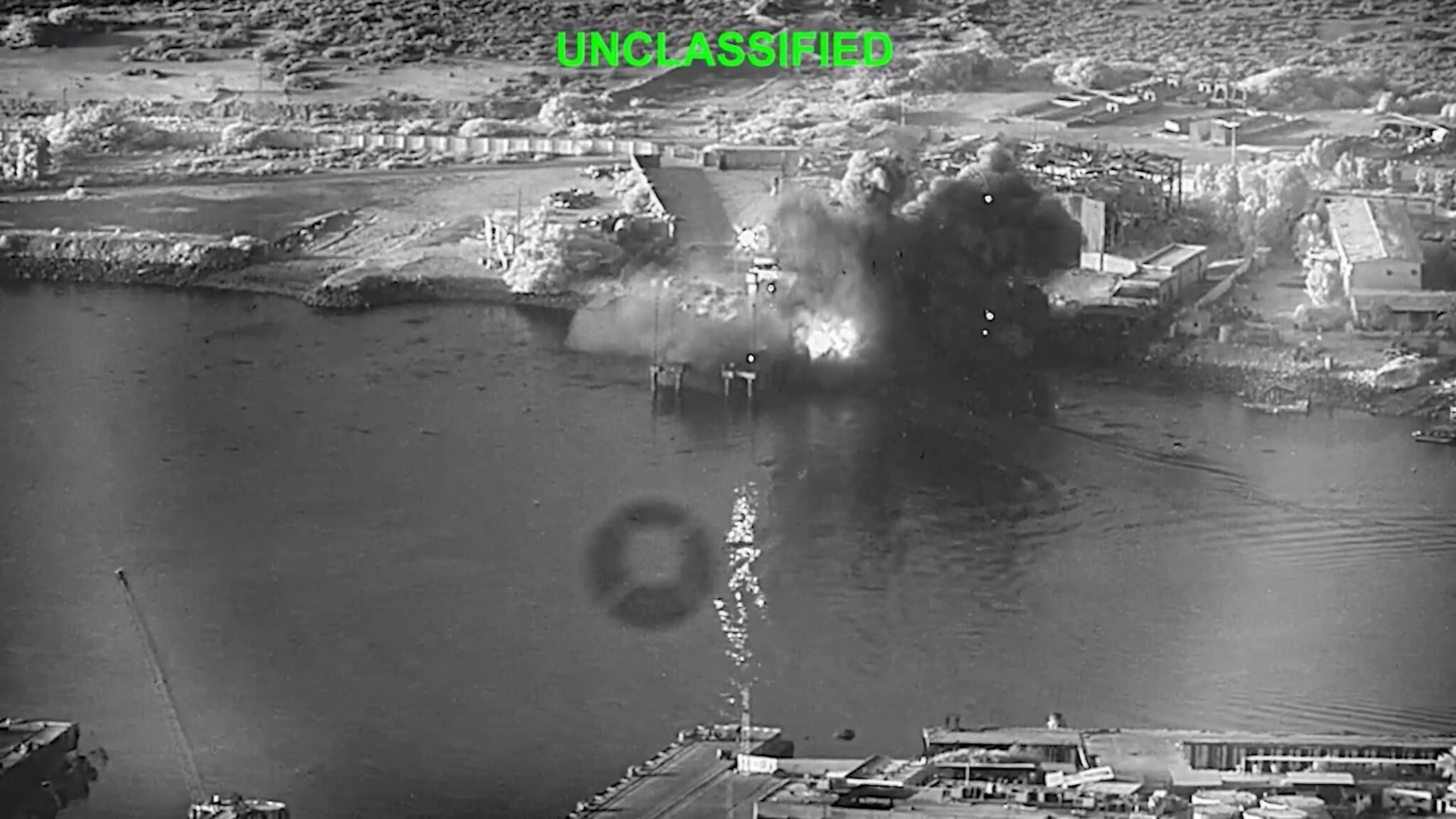
The five hours of US strikes were the third consecutive night of attacks against Iran as Trump reinstated a blockade of Iranian shipping and proposed charging a 20% fee to guard the Strait of Hormuz.
Iranian media reported strikes on a number of the cities and said four people had been wounded and rescue operations were underway.
But on Tuesday, oil minister Mohsen Paknejad insisted Iran’s oil exports were continuing as usual.
‘They didn’t honor the test’
Trump earlier told the “Hugh Hewitt Show” on Monday that Iran would be hit “very hard tonight, and we’re going to hit them hard tomorrow. And there’s not a damn thing they can do about it.”
The latest hostilities come after Iran said at the weekend it was closing the Strait of Hormuz, casting further doubt on an interim deal to halt the war and driving oil prices higher.
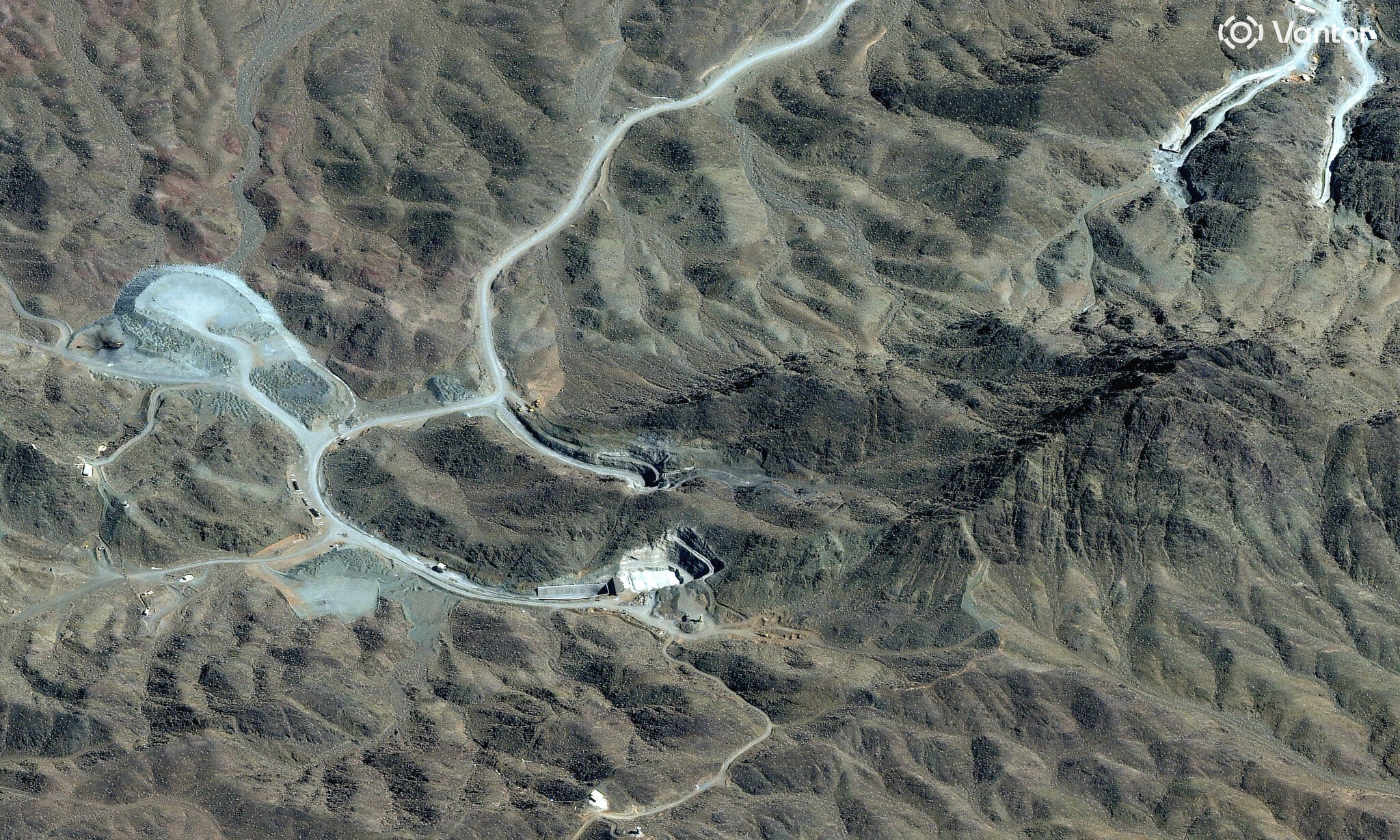
Trump said Monday he would probably soon order a strike on the Pickaxe Mountain nuclear site.
Asked about Pickaxe, which was not among the three nuclear facilities targeted by the US last year, Trump said the US was closely surveilling it.
“Pickaxe is a possible target for a nice big fat shot right near the front door,” he said. “We see no activity there. They’re not doing well with their nuclear situation… We’ll probably give Pickaxe a shot relatively soon.”
Satellite images released earlier this month showed recent construction and vehicle activity at Pickaxe, which is tunneled into a mountain near the main Natanz nuclear facility. The exact purpose of the site is not known, and inspectors from the International Atomic Energy Agency have never been granted access.
According to the Institute for Science and International Security, there has been persistent activity at Pickaxe since April, when a ceasefire was declared in the US-Israeli war with Iran. The think tank argued that any work carried out at the site violates the memorandum of understanding signed by Washington and Tehran.
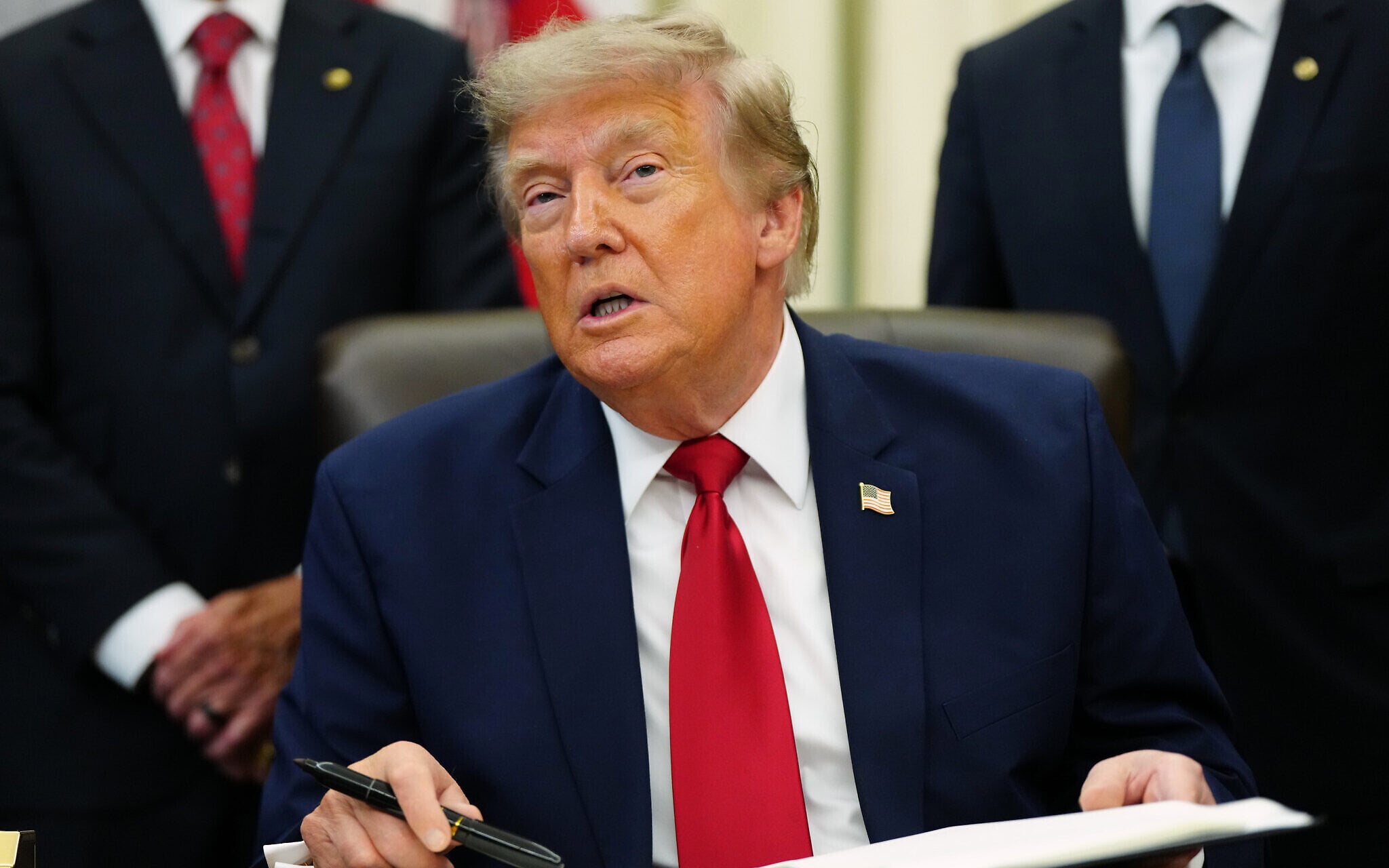
In the interview Monday, Trump downplayed the importance of that MOU, saying it was just a “test” that did not mean very much because the US was dealing with dishonorable “sleazebags” who did not adhere to its terms. Trump said he questioned why the US was entering into a deal to create a ceasefire with Iran rather than moving toward a full deal first, after declaring last week the ceasefire was “over.”
“They didn’t honor the test,” he said.
Tehran lodged a similar accusation at the US, while claiming the MOU acknowledged its control over the Strait of Hormuz, legitimizing its demand that ships crossing through the channel follow its rules.
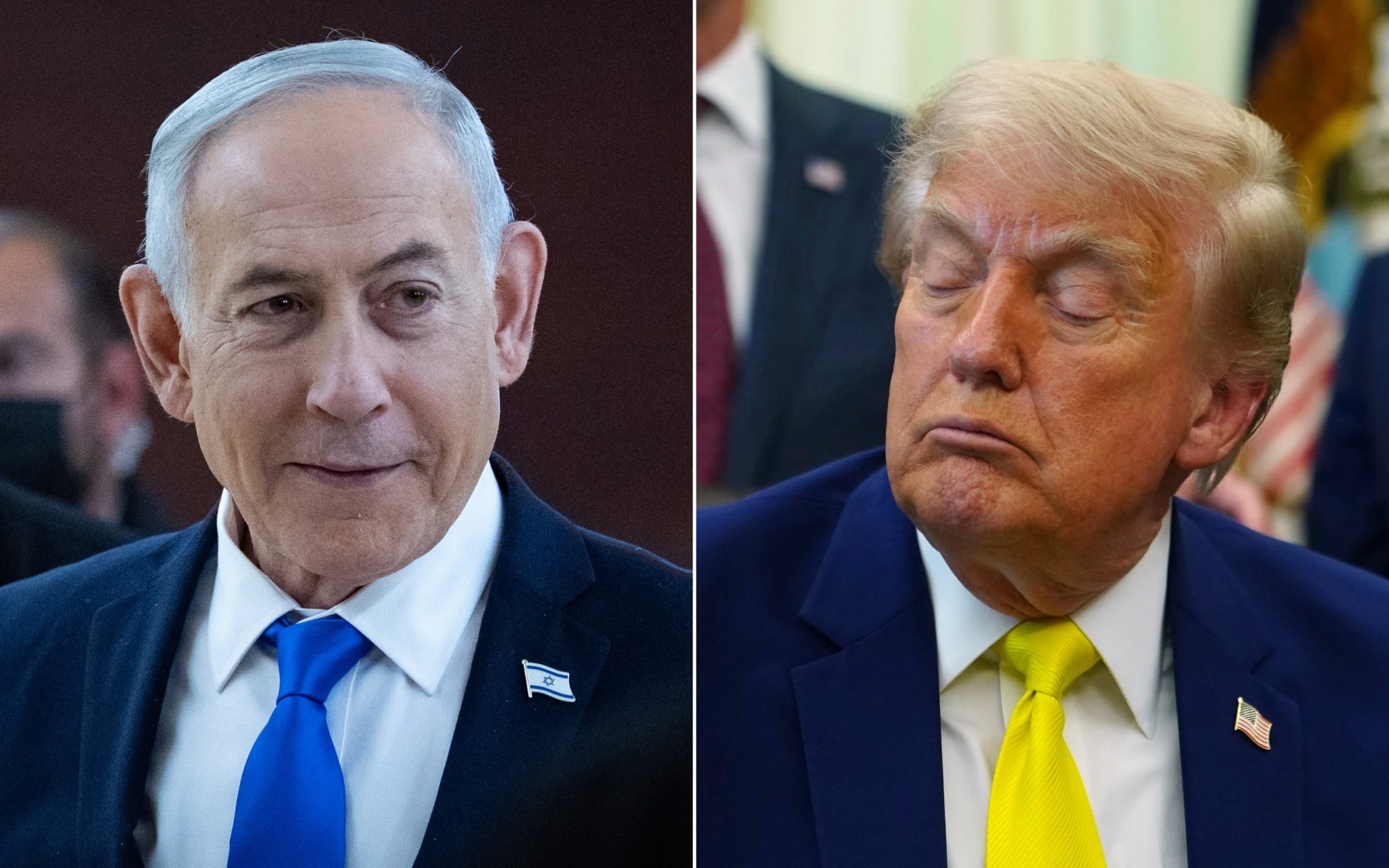
Asked to respond to claims by Israeli journalists that he has thrown Prime Minister Benjamin Netanyahu under the bus through the MOU, the terms of which have sparked profound concern in Israel, Trump insisted that was not the case, claiming that he gets along with the Israeli premier very well.
“Sometimes I disagree with him, and I let it be known, and I’ve been right,” Trump said, before reiterating that Netanyahu has done a good job as a “wartime prime minister” and that Israel would not exist today if the two of them were not in power.
With Israeli elections approaching, Trump was also asked whether someone in Israel could do a better job than Netanyahu. The US president said he did not know most of the alternatives, but that he had a good relationship with Netanyahu.
Pressed on whether he should greenlight resumed Israeli conflicts Hamas and Hezbollah, Trump claimed the US has made a “lot of progress” toward getting Hamas to disarm and again touted the terror group for helping recover the bodies of slain Israeli hostages.
‘Reimbursed for protection’
Speaking later Monday at the White House, Trump said he wanted the US to be reimbursed by Gulf countries in the region for working to secure the Strait of Hormuz amid the ongoing Iranian attacks there, as he provided new details on his administration doing an about-face and suggesting it will charge tolls for ships going through the key waterway, after previously suggesting that it wouldn’t.
“I want to be reimbursed because we’re protecting a very rich portion of the world. We’re spending money, so… we are going to be reimbursed for protection,” Trump told reporters in the Oval Office, singling out Saudi Arabia, the UAE, Qatar, Bahrain and Kuwait as countries that the US has protected.
Many of those Gulf countries have privately faulted the US for launching a war against Iran without coordinating with them and without a plan for what it would do when Iran closed the Strait of Hormuz. Those countries have since found themselves bearing the brunt of Iran’s retaliatory strikes.
Trump spoke about the US “protecting allies… including Israel, including Saudi Arabia, including Qatar, including UAE. We’re protecting all of them, and we’ve done a very effective job.”
Asked if he thought that it would be possible to reach a settlement with Iran, Trump responded, “I never reached that conclusion. But we’re hitting them very heavy tonight.”
“They’re going to fight for a while… and we’ll see what happens,” he said.
The US military said its latest strikes were aimed at “imposing a heavy cost on Iranian forces and degrading their ability to attack innocent civilians and commercial shipping in the Strait of Hormuz.”
“During the five-hour mission, US forces successfully struck military targets across Iran including Bushehr, Chah Bahar, Jask, Konarak, Abu Musa, and Bandar Abbas to further degrade Iran’s ability to attack commercial shipping,” US Central Command later said in a statement. “CENTCOM forces employed precision munitions against Iranian coastal defense systems, missile and drone sites, and maritime capabilities.”
Times of Israel staff contributed to this report.