US and Iran to hold nuclear talks amid clashing red lines

Figuring out the path to a deal is not rocket science: Zero nuclear weapons = we DO have a deal. Zero enrichment = we do NOT have a deal. Time to decide.” Araghchi posted on his personal X/Twitter.

 Donald Trump seen with a model of an Iranian missile (illustrative) (photo credit: MAJID ASGARIPOUR/WANA (WEST ASIA NEWS AGENCY) VIA REUTERS, REUTERS/Nathan Howard)
Donald Trump seen with a model of an Iranian missile (illustrative)
(photo credit: MAJID ASGARIPOUR/WANA (WEST ASIA NEWS AGENCY) VIA REUTERS, REUTERS/Nathan Howard)
Iranian and US negotiators will resume talks on Friday in Rome to resolve a decades-long dispute over Tehran’s nuclear ambitions, despite Iran’s supreme leader warning that clinching a new deal might be insurmountable amid clashing red lines.

The stakes are high for both sides. President Donald Trump wants to curtail Tehran’s potential to produce a nuclear weapon that could trigger a regional nuclear arms race. Iran, for its part, wants to be rid of devastating sanctions on its oil-based economy.

Iranian Foreign Minister Abbas Araghchi and Trump’s Middle East envoy Steve Witkoff will hold a fifth round of talks, through Omani mediators, despite both Washington and Tehran taking a tough stance in public over Iran’s uranium enrichment.

Although Iran insists the talks are indirect, US officials have said the discussions — including the latest round on May 11 in Oman — have been both “direct and indirect.”

Tehran and Washington have both said they prefer diplomacy to settle the standoff, but they remain deeply divided on several red lines that negotiators will have to circumvent to reach a new nuclear deal and avert future military action.

 US President Donald Trump seen over an illustrative image of American-Iranian ties (illustrative) (credit: Carl Court/Pool via REUTERS, SHUTTERSTOCK)Enlrage image
US President Donald Trump seen over an illustrative image of American-Iranian ties (illustrative) (credit: Carl Court/Pool via REUTERS, SHUTTERSTOCK)

US Secretary of State Marco Rubio said on Tuesday that Washington is working to reach an agreement that would allow Iran to have a civil nuclear energy program but not enrich uranium, while admitting that achieving such a deal “will not be easy.”

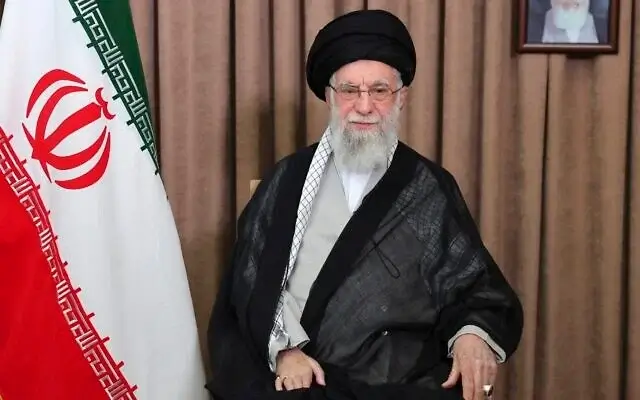
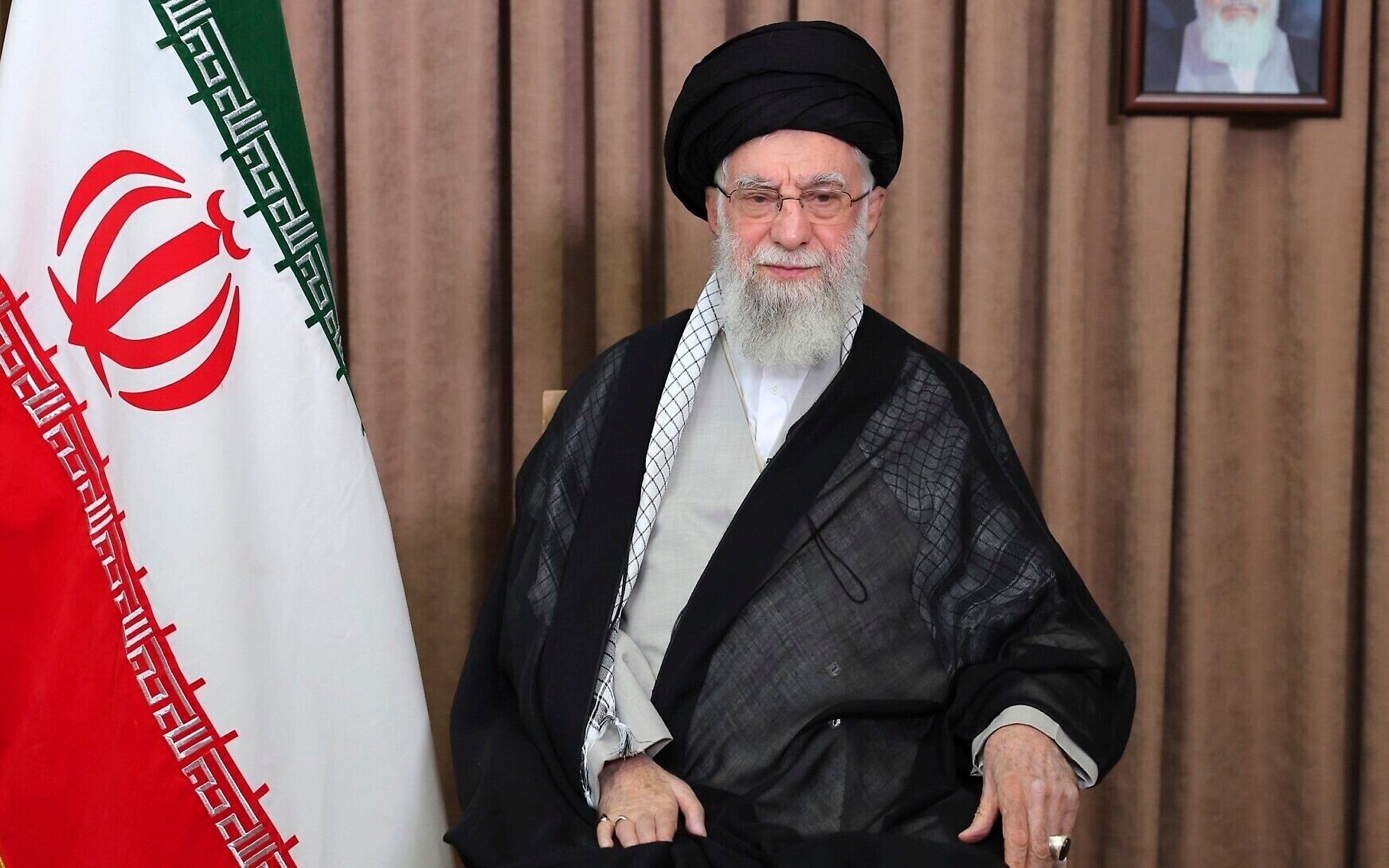
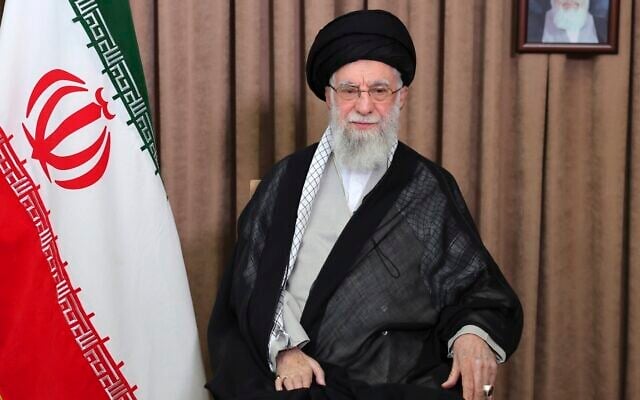
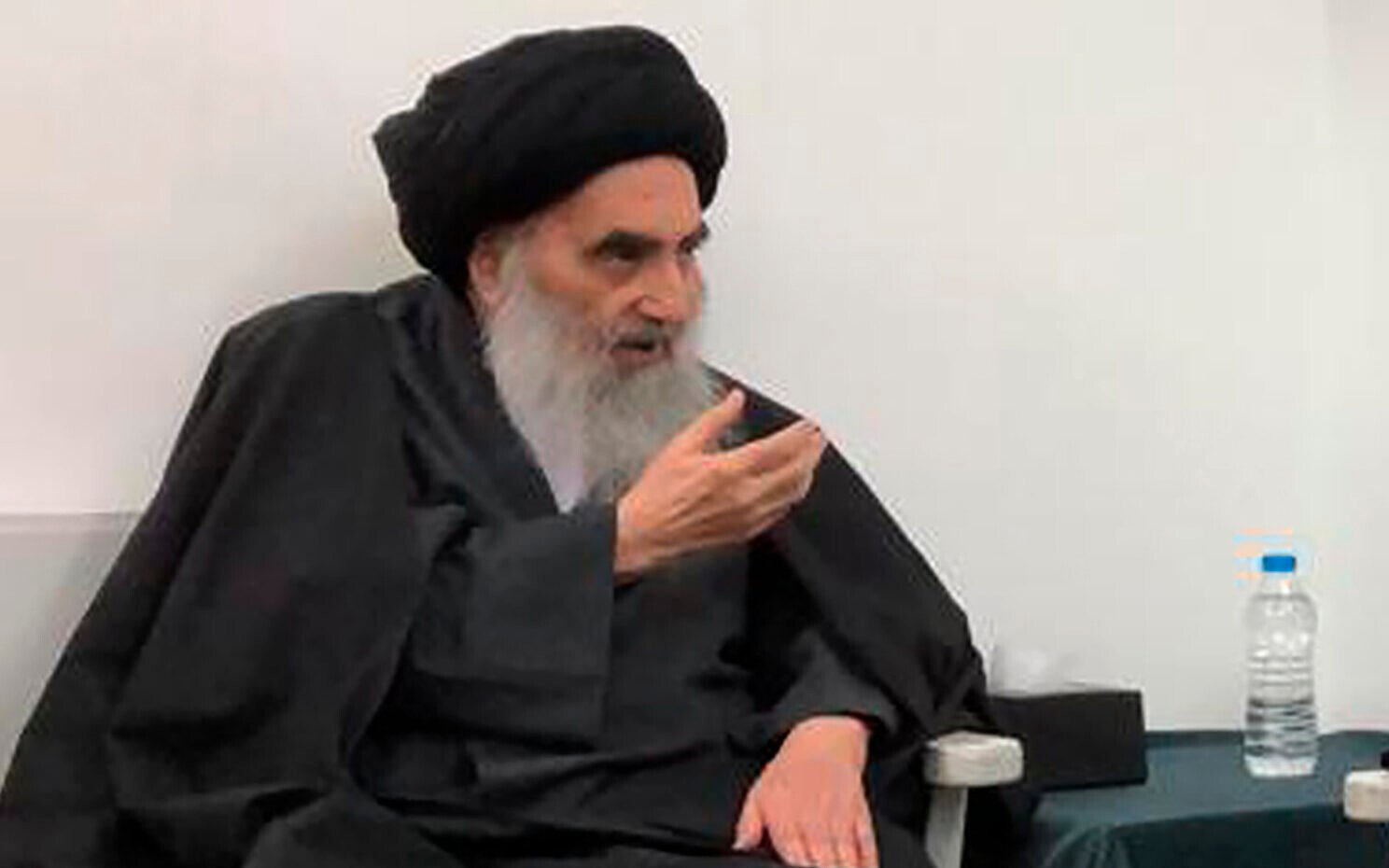
Supreme Leader Ayatollah Ali Khamenei, who has the last say on state matters, rejected Washington’s demands that Tehran stop enriching uranium as “excessive and outrageous,” warning that the talks are unlikely to yield results.

Among remaining stumbling blocks is Tehran’s refusal to ship all of its highly enriched uranium stockpile abroad or engage in discussions over its ballistic missile program.

Iran says it is ready to accept some limits on its uranium enrichment but needs watertight guarantees Washington would not renege on a future nuclear accord.

“Figuring out the path to a deal is not rocket science: Zero nuclear weapons = we DO have a deal. Zero enrichment = we do NOT have a deal. Time to decide…” Araghchi posted on his personal X/Twitter before traveling to Rome.


Trump, who has restored a “maximum pressure” campaign on Tehran since February, ditched a 2015 nuclear pact between Iran and six world powers in 2018 during his first term and reimposed sweeping US sanctions that have devastated Iran’s economy.

Iran responded by escalating enrichment far beyond the 2015 pact’s limits.

The cost of failure of the talks could be high. While Tehran says its nuclear work is for peaceful purposes, Iran’s arch-foe Israel has said it would never allow Iran’s clerical establishment to obtain nuclear weapons.

Araghchi warned on Thursday that Washington will bear legal responsibility in the event of an Israeli attack on Iranian nuclear facilities, following a CNN report that Israel might be preparing strikes on Iran.

While rising US-Iran tensions over Tehran’s uranium enrichment jeopardize nuclear talks, three Iranian sources said on Tuesday that the clerical leadership lacks a clear fallback plan if efforts to overcome the standoff collapse.

Jerusalem Post Staff contributed to this report.


The proposal wouldn’t remove Hamas from the Gaza Strip entirely, but rather remain as a solely political identiy.

 Saudi Crown Prince Mohammed bin Salman meets with French President Emmanuel Macron in Riyadh, Saudi Arabia. December 3, 2024.  (photo credit: SAUDI PRESS AGENCY/HANDOUT VIA REUTERS)
Saudi Crown Prince Mohammed bin Salman meets with French President Emmanuel Macron in Riyadh, Saudi Arabia. December 3, 2024.
(photo credit: SAUDI PRESS AGENCY/HANDOUT VIA REUTERS)
France and Saudi Arabia are working on a proposal to disarm Hamas terrorists, paving the way for its demobilization, Bloomberg reported on Thursday, citing “people familiar with the discussions.”

Saudi officials have reportedly been in contact with Hamas leadership as part of the efforts, the sources stated, adding that it is unclear if France has also been in direct contact, especially as the European Union recognizes Hamas as a terror organization.

According to the sources, allowing Hamas to “retain a degree of political power would make it more likely to accept disarming,” and the objective of the talks is to transform Hamas into a “purely political entity that can still play some role in future Palestinian governance.”

Reports have also indicated that there have been growing strains between Israeli Prime Minister Benjamin Netanyahu and French President Emmanuel Macron over France’s attempts to get more countries to recognize a Palestinian state.

The United Nations conference in New York, where this recognition is likely to occur, is being co-chaired by France and Saudi Arabia.

French President Emmanuel Macron meets with Saudi Crown Prince Mohammed bin Salman in Riyadh, Saudi Arabia. December 3, 2024.  (credit: SAUDI PRESS AGENCY/HANDOUT VIA REUTERS)Enlrage image
French President Emmanuel Macron meets with Saudi Crown Prince Mohammed bin Salman in Riyadh, Saudi Arabia. December 3, 2024. (credit: SAUDI PRESS AGENCY/HANDOUT VIA REUTERS)

On Tuesday, French Foreign Minister Jean-Noel Barrot said that Israel’s easing of humanitarian aid access to Gaza is “totally insufficient… Immediate and massive aid is needed.”

Leaders of Britain, France, and Canada stated on Monday that they oppose Israel’s ongoing military presence in Gaza and the expansion of settlements in the West Bank and that they may take action.

Hamas welcomed the statement, “rejecting the policy of siege and starvation pursued by the occupation government against our people in the Gaza Strip, and the Zionist plans aimed at genocide and displacement.”

Did Hamas attack Israel to prevent normalization with Riyadh?

On Sunday, The Wall Street Journal cited Hamas meeting records found by the IDF, reporting that Hamas’s October 7 massacre was aimed at torpedoing the normalization efforts between Israel and Saudi Arabia.

Earlier in May, Macron had said that Benjamin Netanyahu’s policy in Gaza, where half a million people are allegedly facing starvation, was shameful and that Europeans should consider increasing sanctions.


An IRGC spokesman said that Israel was “miscalculating as they are unaware of the powerful popular and military support the Islamic Republic can muster in war conditions.”

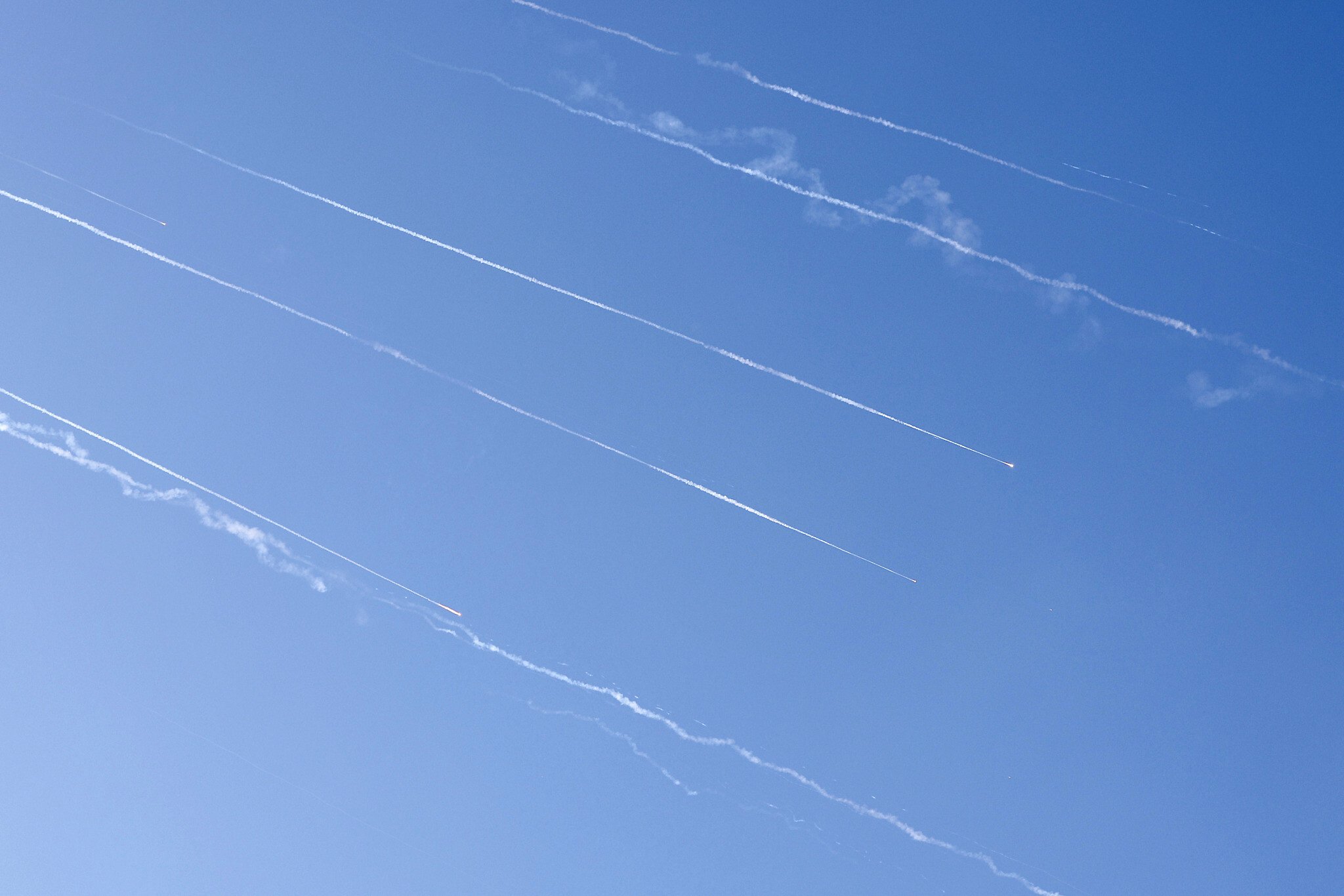
 A missile is launched during a joint exercise called the 'Great Prophet 17', in the southwest of Iran, December 24, 2021. Picture taken December 24, 2021. (photo credit: SAEED SAJJADI/FARS NEWS/WANA (WEST ASIA NEWS AGENCY)VIA REUTERS)
A missile is launched during a joint exercise called the ‘Great Prophet 17’, in the southwest of Iran, December 24, 2021. Picture taken December 24, 2021.
(photo credit: SAEED SAJJADI/FARS NEWS/WANA (WEST ASIA NEWS AGENCY)VIA REUTERS)
Israel will receive a “devastating and decisive response” if it attacks Iran, Tehran’s Revolutionary Guards said on Thursday, days after CNN reported US intelligence suggesting Israel was making preparations to strike Iranian nuclear facilities.

“They are trying to frighten us with war but are miscalculating as they are unaware of the powerful popular and military support the Islamic Republic can muster in war conditions,” Guards spokesperson Alimohammad Naini said, according to state media.

Tehran and Washington will hold a fifth round of nuclear talks on Friday in Rome amid strong disagreement over uranium enrichment in Iran, which the US says is a possible pathway to developing nuclear bombs. Iran denies any such intent.

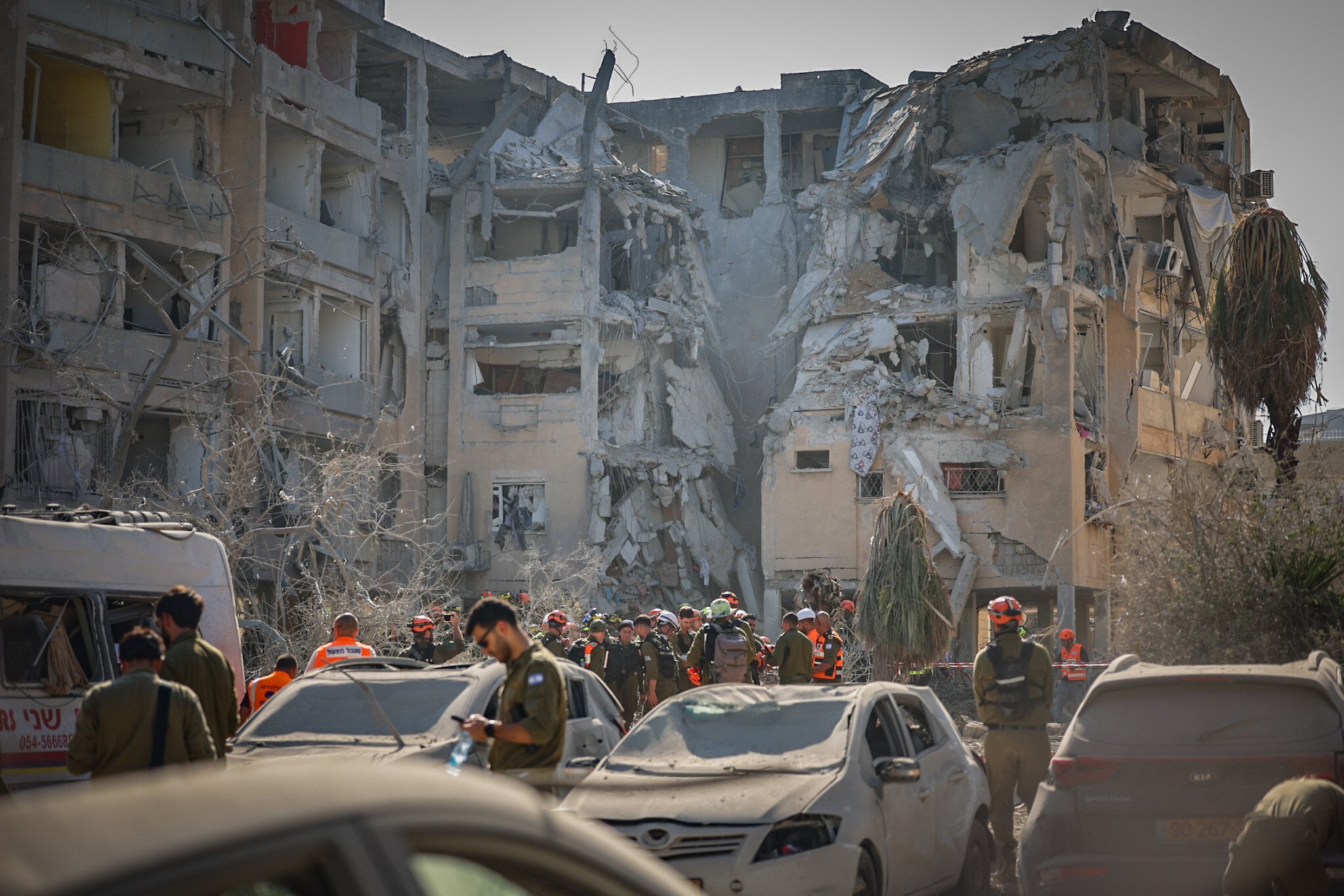
 People stand around apparent remains of a ballistic missile lying in the desert, following an attack by Iran on Israel, near the southern city of Arad, Israel October 2, 2024. (credit: AMIR COHEN/REUTERS)Enlrage image
People stand around apparent remains of a ballistic missile lying in the desert, following an attack by Iran on Israel, near the southern city of Arad, Israel October 2, 2024. (credit: AMIR COHEN/REUTERS)

Unclear whether or not Israel will attack 

It was not clear whether Israeli leaders had made a final decision on military action, and there was disagreement within the US government about whether the Israelis would ultimately decide to attack, CNN added, citing intelligence officials.

A collapse of US-Iran negotiations or a new nuclear deal that does not alleviate Israeli concerns about Iran developing nuclear weapons could motivate Israeli strikes against its regional arch-rival, diplomats say.

Later on Thursday, Araqchi said in a televised interview that if the United States aims to end uranium enrichment then there will be no nuclear deal.

“They have said [U.S. officials]… that they do not believe in enrichment in Iran… and it has to stop completely, if this is their goal there will be no deal,” Araqchi said in the interview carried by state TV.

The Iranian foreign minister said the idea of a uranium enrichment consortium with the participation of other nations is not bad, but will not replace enrichment on Iranian soil.

On Tuesday, Iranian Supreme Leader Ayatollah Ali Khamenei said US demands that Tehran stop enriching uranium are “excessive and outrageous,” state media reported, voicing doubts over whether talks on a new nuclear deal will succeed.

Tehran maintains its nuclear energy program is exclusively for civilian purposes.

Iran has the capability to build a nuclear weapon, but does not have the will to do so, Araqchi said.

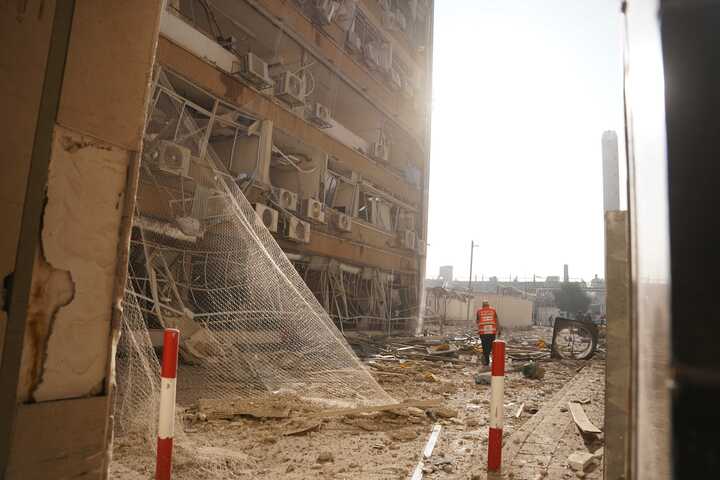
Iran and Israel engaged in direct exchanges of fire last year, in April and October, raising the risk of regional conflict.