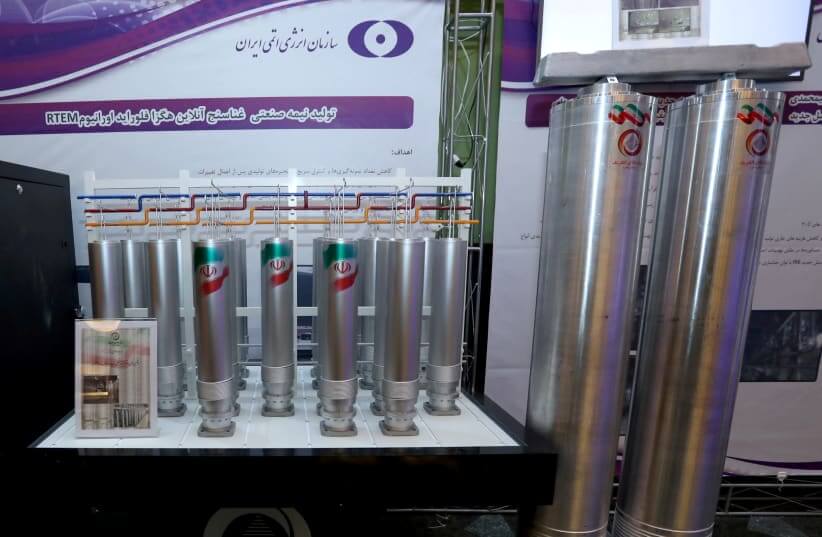
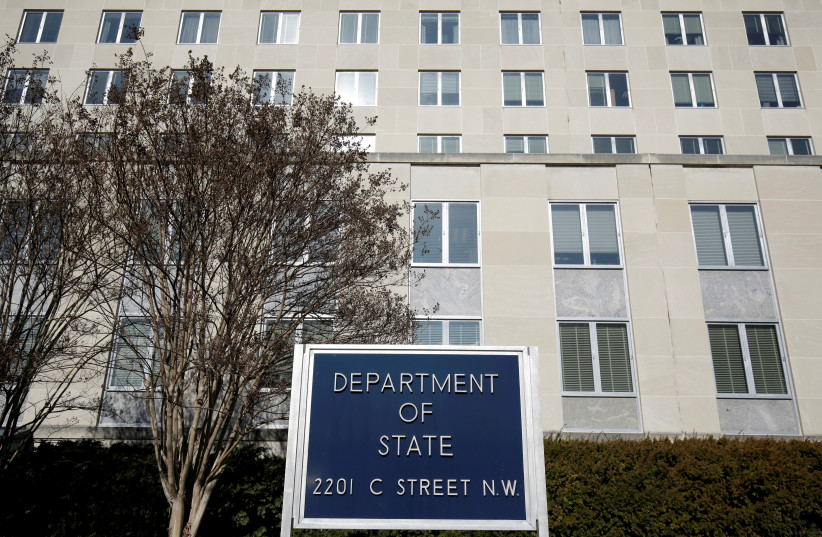
The State Department noted that these actions are part of the US’s campaign to cut down on Iran’s ballistic missile program.
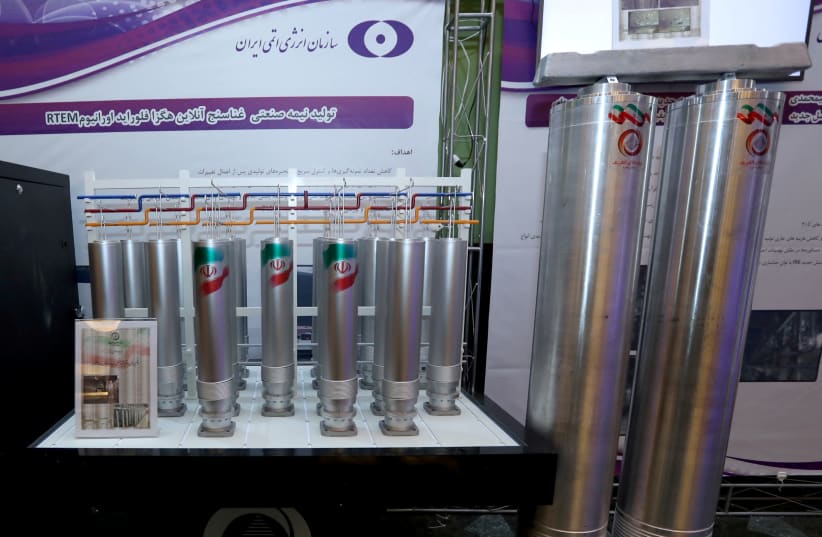
The US issued these sanctions based on the entities’ and individuals’ roles in acquiring propellant ingredients for ballistic missiles. These ingredients include sodium perchlorate and dioctyl sebacate, the former of which is needed for the production of ammonium perchlorate, an inorganic compound controlled by the Missile Technology Control Regime (MTCR).
The MTCR is an informal political understanding whose goal is to limit missile production.
The two ingredients were being delivered from China to Iran, the Department added, and Treasury Secretary Scott Bessent said that the shipments holding them “violate the global agreements intended to prevent the proliferation of these technologies.”

Who and what exactly are being sanctioned by the State Department?
The entities being sanctioned include one Iran-based company and five that are based in China, the Treasury Department said.
The Iran-based company is Saman Tejarat Barman Trading Company (STB), which provided the sodium perchlorate for the IRGC.
The five China-based companies include Shenzhen Amor, which helps coordinate the shipments; PRC-based Yanling Chuanxing Chemical Plant, which shipped products used to make sodium perchlorate and ammonium perchlorate for Shenzhen Amor; China Chlorate Tech (CCT), which transferred funds to Yanling Chuanxing Chemical Plant; Dongying Weiaien Chemical, which is one of the STB’s main suppliers of dioctyl sebacate; and Yanling Lingfeng Chlorate, which received funding from the CCT and has personnel working with both it and the Yanling Chuanxing Chemical Plant.
Individuals being sanctioned include multiple STB personnel holding key positions in the company, including associate Mohammad Asgari, Managing Director Abed Zargar, Board Chairman Hamed Zargar, Board Vice Chairman Zahra Zargar, Board of Directors member Forough Modarres, and Chief Inspector Pour Kazemi.
The State Department noted that these actions are part of the US’s campaign to cut down on Iran’s ballistic missile program in accordance with the presidential memorandum that President Donald Trump signed in early February. The individuals and entities mentioned will have any property or interests in the United States blocked, and will be reported to the Office of Foreign Assets Control.
Trump’s directive on Iran orders the US Treasury secretary to impose “maximum economic pressure” on the Islamic Republic, including sanctions and enforcement mechanisms on those violating existing sanctions. This also includes bringing Iranian exports of oil to zero to stop Tehran from obtaining a nuclear weapon.
China, which delivered the ballistic missile propellant ingredients to Iran, also buys the most oil from the Middle Eastern country, and does not recognize the US sanctions.
Trump signed the memorandum shortly after meeting with Israeli Prime Minister Benjamin Netanyahu.
The most recent US sanctions against Iran were issued on Tuesday of last week, and targeted Iranian liquefied petroleum gas magnate Seyed Asadoollah Emamjomeh and his corporate network, responsible for shipping hundreds of millions of dollars’ worth of Iranian LPG and crude oil to foreign markets, according to the Treasury Department.
Three weeks ago, US sanctions targeted five entities and one person based in Iran for their support of the Islamic Republic’s nuclear program. Those sanctions were announced only days after Trump announced direct nuclear talks with Tehran.
The beginning of this month also saw sanctions on individuals in the United Arab Emirates and China, who were accused of being part of an Iranian weapons procurement network.
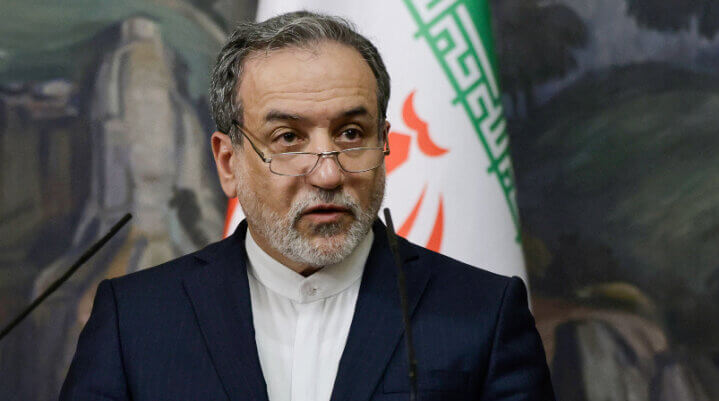
Iran’s Foreign Minister Abbas Araqchi says that the US sanctions “send a negative message” during nuclear negotiations.