Saudi Arabia seeks to elevate its global influence by mediating key conflicts, including US-Iran nuclear talks and Russia-Ukraine peace efforts, amid shifting alliances and a new world order.

Saudi Arabia could play a key role in a potential mediation between the US and Iran, CNN reported on February 16. The report is interesting because Riyadh is also positioned to play a role in Russia-Ukraine talks. This would increase the profile of Saudi Arabia after years of struggle to maintain its role in the region and globally.
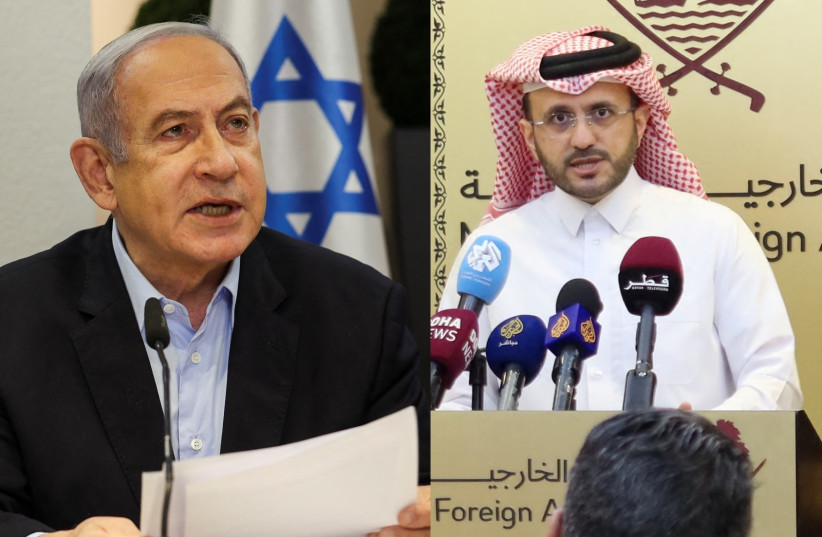
Other countries, such as Qatar, have sought to supplant Riyadh’s key role in global affairs by positioning themselves as brokers. For instance, Qatar helped pave the way for the Taliban’s return to power and received “major non-NATO ally” status from the US, even as Doha hosted Hamas. Riyadh, by contrast, expelled extremists and sought closer ties with the West but was given the cold shoulder.
During the first Trump administration, Riyadh hosted an Arab Islamic summit of various countries, and US President Donald Trump gave a speech in Saudi Arabia in May 2017. The next month, Saudi Arabia, Bahrain, Egypt, and the UAE broke relations with Qatar, an event known as the Qatar diplomatic crisis.
This lasted for most of Trump’s first term. It coincided with several trends in the region. Doha and Ankara became closer allies, and Doha became closer to Iran. Tehran increased its role in Yemen, backing the Houthis and laying the groundwork for unifying various fronts against Israel. The May 2021 war between Israel and Hamas became a dry run for the October 2023 Hamas attack on Israel.
Now, things are different. China helped broker Iran-Saudi reconciliation in early 2023. Russia invaded Ukraine in 2022. A new world order is emerging as countries challenge the US. BRICS and the SCO, two economic blocks linked to Russia and China, are expanding. They are expanding in the region, and countries such as Iran and Saudi Arabia are positioning themselves for the new world order.

Riyadh is a historic leader in the Islamic world. It has sometimes faced new challenges from Turkey in this respect. Saudi Arabia would like to play a larger role in mediation, and working on the Russia-Ukraine file and the Iran-US file could help. Riyadh has stayed in the background during the Gaza war, not stepping forward, likely wanting to hedge on this important issue.
CNN reported on February 16 that “Saudi Arabia is open to mediating between the Trump administration and Iran in pursuit of a new deal to limit Tehran’s nuclear program, CNN has learned.”
The report noted that “The kingdom is concerned that Iran may be more inclined to pursue a nuclear weapon now that its regional proxies – long viewed as a deterrent against Israeli attacks – have been significantly weakened. Saudi Arabia hopes to leverage its close ties with President Donald Trump to provide Iran with a diplomatic bridge to the White House.”
A new dynamic from a changed Syria and Lebanon?
There are other issues involved. The new Syrian government has helped remove Iran’s conduit to Hezbollah over the land. Hezbollah is weakened but is not down for the count. Saudi Arabia has historically played a key role in Lebanon.
It brokered the Taif agreement to end the 13-year Lebanese Civil War. There has also been talk about Israel-Saudi Arabia normalization. During the first Trump term in office, Riyadh sought to spend billions to acquire US arms.
It’s not clear if Saudi Arabia can achieve success on so many important fronts, from Ukraine to Iran, but it is well positioned these days. Back during the Qatar crisis, Riyadh faced many hurdles.
For instance, the crises also became a public relations headache for Riyadh as enormous resources were put in play, including in Washington, to tarnish Saudi Arabia’s image. Reconciliation has benefits. Riyadh is now less a target of the powerful lobbies linked to Iran and the Muslim Brotherhood, both of which have pillars of power in the region and also in the West.
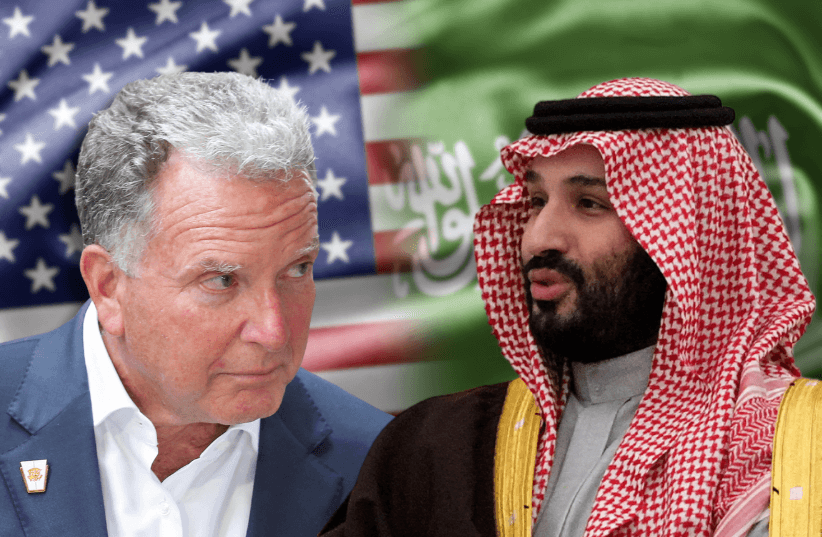
In some ways, Saudi Arabia can now position itself to play a key role in the new Trump administration. It tried this before in 2017. In those days, Mohammed Bin Salman had just become Crown Prince, and he was navigating a changing world. Now he is older and wiser, and he can manage expectations better.