Biden hands another win to Iran

His demand for a Palestinian state has destroyed any chance for Israel-Saudi peace.
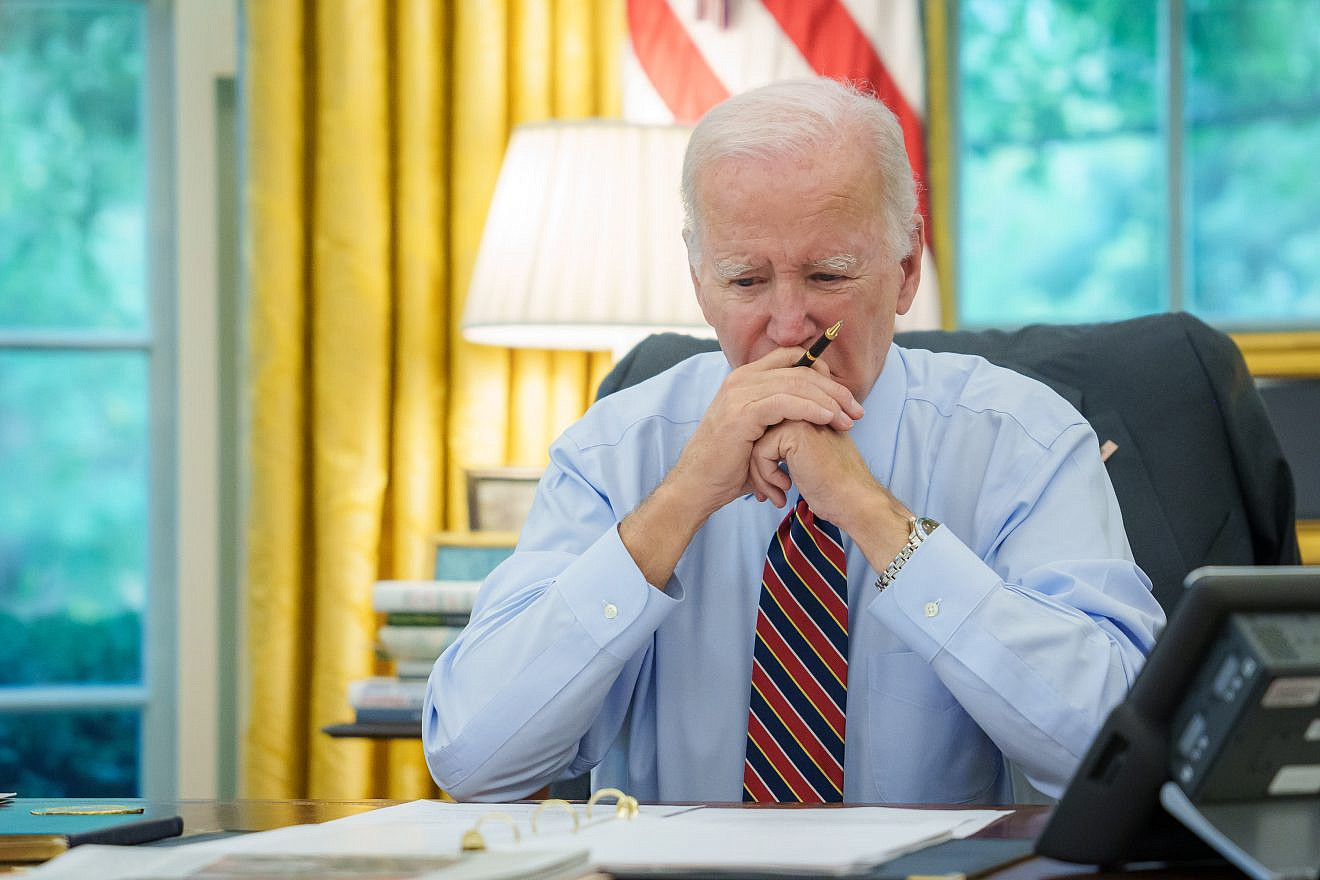
U.S. President Joe Biden participates in a phone call with Quint leaders Emmanuel Macron of France, Giorgia Meloni of Italy, Olaf Scholz of Germany and Rishi Sunak of the United Kingdom on Oct. 9, 2023, in the Treaty Room of the White House. Credit: Adam Schultz/Official White House Photo.

U.S. President Joe Biden participates in a phone call with Quint leaders Emmanuel Macron of France, Giorgia Meloni of Italy, Olaf Scholz of Germany and Rishi Sunak of the United Kingdom on Oct. 9, 2023, in the Treaty Room of the White House. Credit: Adam Schultz/Official White House Photo.
ERIC LEVINE

By Oct. 6, 2023, Saudi Crown Prince Mohammed bin Salman (MBS) and Israeli Prime Minister Benjamin Netanyahu were on the verge of making peace and ending the Israel-Arab conflict. The deal on the table envisioned Saudi Arabia joining the Abraham Accords with full normalization of relations.

The agreement would not have required the creation of a Palestinian state. This was deliberate. Like Egypt, Jordan, Bahrain, the United Arab Emirates, Morocco and Sudan before it, Saudi Arabia understood that if a Palestinian state was a prerequisite to any peace agreement, there would be no such agreement.

This is because the Saudis know that the Palestinian leadership—whether Hamas or the Palestinian Authority—seeks the destruction of Israel and will never agree to peace with it. Indeed, the Palestinians were offered their own state in 1948, 2000, 2005 and 2008. Each time, the Palestinian leadership chose war over peace. MBS has no intention of giving the Palestinians veto power over Saudi Arabia’s national security decisions.

At least, that was true until U.S. President Joe Biden granted the Palestinians the veto power that MBS opposed.

Biden’s initial unwavering support for Israel in the wake of Oct. 7 has now given way to a rift between Israel and America. The administration desperately wants a ceasefire and is putting pressure on Israeli Prime Minister Benjamin Netanyahu to agree to one. Moreover, as part of Biden’s “day after” strategy, he insists that Israel agree to a two-state solution and demands that Israel take “concrete” and “irreversible” steps towards that goal.

The president has not yet made support for Israel’s war effort contingent on Israeli capitulation to American demands, but many in the Democratic Party are pushing the president in that direction. It is only a matter of time before Biden finds himself in the midst of a reelection campaign in which many of his core constituents will demand not only a ceasefire and the creation of a Palestinian state, but an end to American support for Israel. He will not have the will to say “no” to his voters. He will capitulate.

Whether or not Biden ultimately betrays Israel, his administration’s demand for a Palestinian state has already done serious damage to the cause of peace. Saudi Arabia cannot afford to appear less sympathetic to the Palestinian cause than an American president. Against his better judgment, MBS has been forced to adopt a two-state solution as official Saudi policy. He is now publicly making it a condition before Saudi Arabia will normalize relations with Israel.

That position guarantees that there will be no peace anytime soon.

Biden may eventually bludgeon Israel into accepting a ceasefire. However, there is no amount of pressure he can exert that will cause any Israeli government—left or right—to agree to the creation of a terrorist state on its border. There will be no Palestinian state anytime soon. The Saudis know this. But rather than antagonize the Biden administration, they are content to let Israel take the blame for the failure to create such a state.

The Biden strategy will prevent Israel and Saudi Arabia from making peace. There will be no Palestinian state, and thus no agreement between Saudi Arabia and Israel. Absurdly, Israel will take all the blame for both. Fighting for its very existence will not be accepted as an excuse.

This is just another day at the office for Joe Biden, a failure for America and a victory for Iran.
Arab nations met to discuss the future of the Gaza Strip and what “the day after” will look like. Saudi Arabia emphasized moving forward with normalization of diplomatic ties with Israel.

 Arab nations met with the PA to discuss the future of the Gaza Strip. (photo credit: Walla)
Arab nations met with the PA to discuss the future of the Gaza Strip.
(photo credit: Walla)
Saudi Arabia, Egypt, Jordan, and the Palestinian Authority (PA) held a secret meeting in Riyadh about a week ago, focused on plans for Gaza governance when the war is over. They also reportedly discussed ways in which a “renewed Palestinian Authority” can take part in the management of the Strip, according to several sources.

The meeting indicates that the Palestinian Authority and the Arab countries are making progress in planning moves for “the day after” the war in Gaza.

Meanwhile, in Israel, the same discussions are underway, though no solutions have been accomplished so far.

The meeting in Riyadh was organized by the Saudi National Security Adviser Musad Al-Aiban and was attended by the Palestinian General Intelligence Chief Majed Faraj, the Egyptian Intelligence Chief Abbas Kamel, and the Jordanian Intelligence Chief Ahmed Hosni.

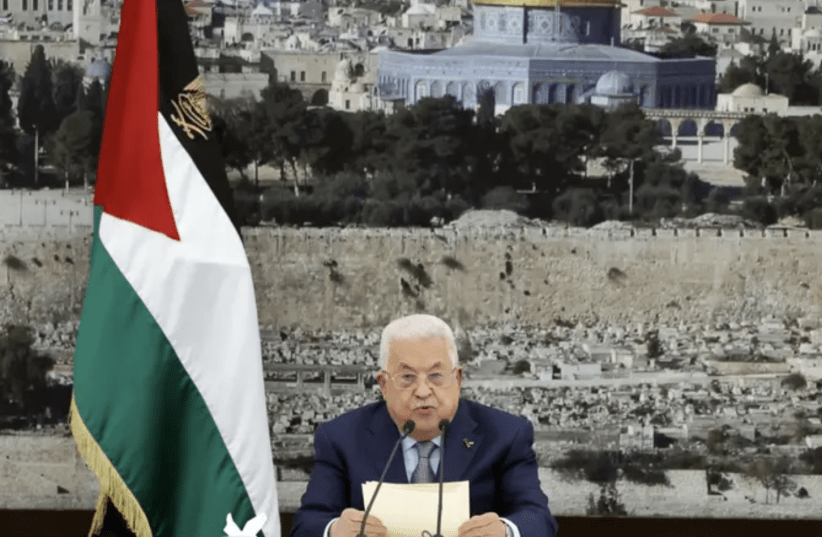
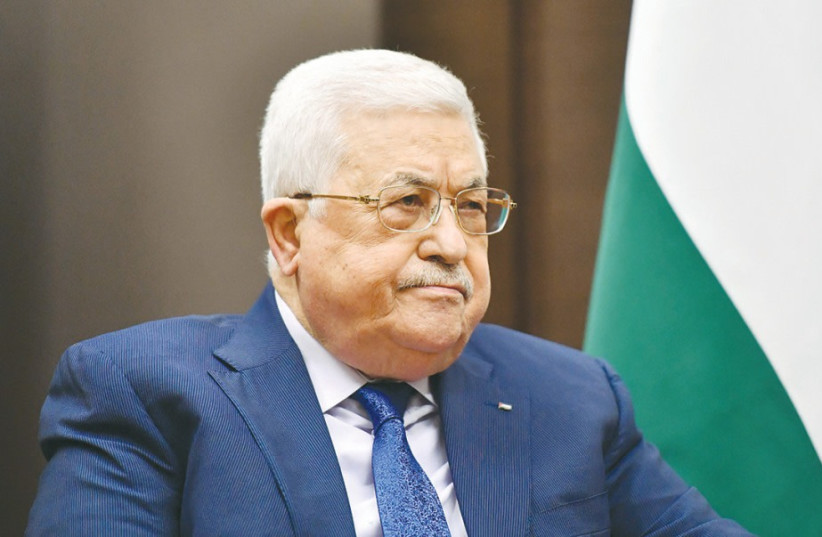
Palestinian Authority President Mahmoud Abbas. (credit: REUTERS)Enlrage image
Palestinian Authority President Mahmoud Abbas. (credit: REUTERS)

A source close to the matter stated that Israel was informed about the holding of the meeting and its contents by some of the participants.

According to two sources familiar with the contents of the meeting, the Saudis, Egyptians, and Jordanians made it clear to the head of Palestinian intelligence that the PA must carry out reforms that will allow renewal in the leadership ranks as well. This includes the transfer of certain powers from President Mahmoud Abbas (Abu Mazen) to a new prime minister to be appointed.

The Saudis emphasized at the meeting that they are still interested in moving towards normalization with Israel in exchange for practical and irreversible steps on the part of Israel and the international community on the way to a Palestinian state – even if these do not result in the establishment of a Palestinian state immediately.

The embassies of Saudi Arabia, Jordan, and Egypt in Washington did not respond to requests for comment.

Palestinian Authority Civil Affairs Minister Hussein al-Sheikh did not comment.


Little is publicly known about the base near the country’s borders with both Syria and Iraq

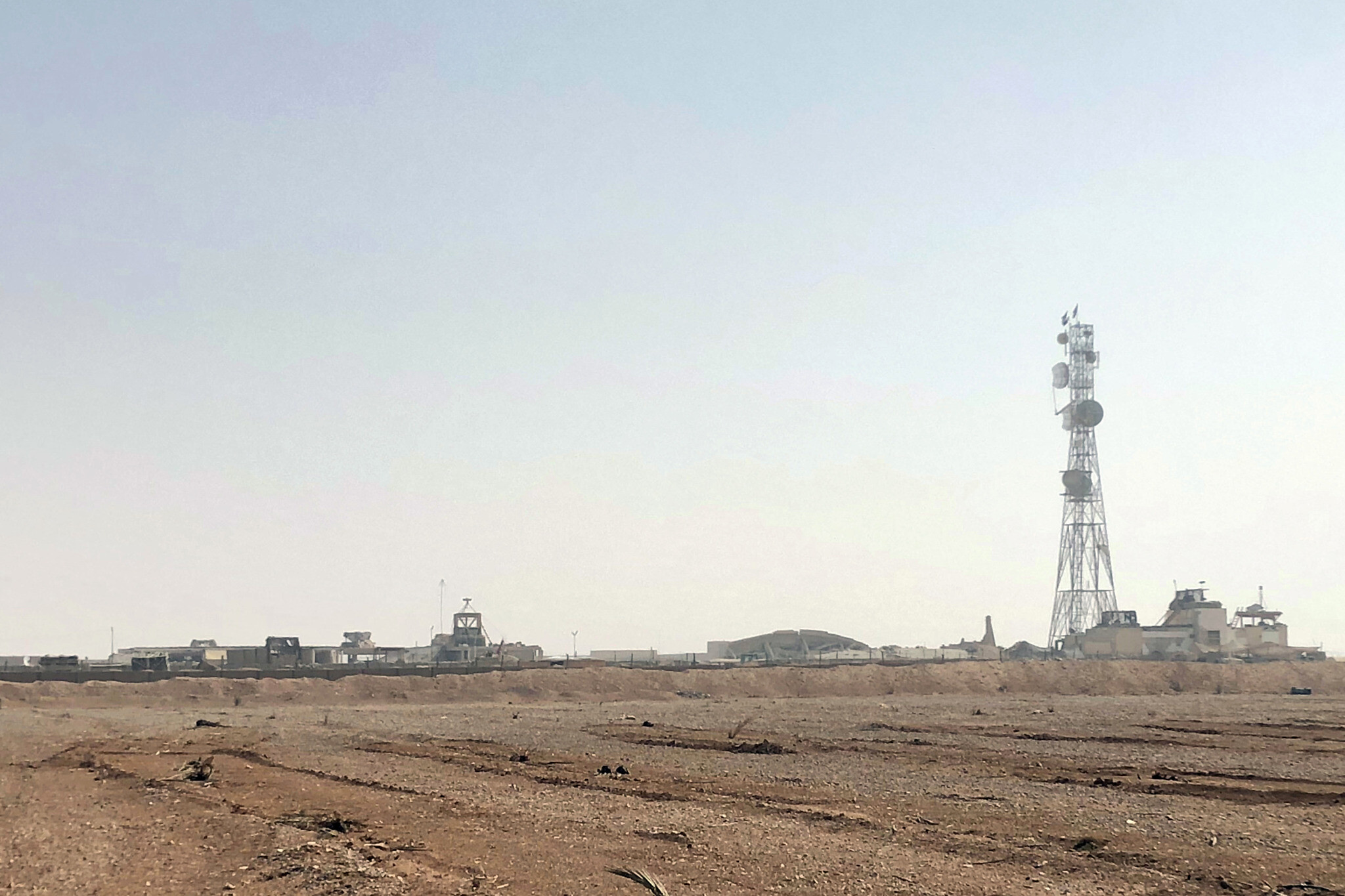
The al-Tanf military outpost in southern Syria is seen on October 22, 2018.  (AP Photo/Lolita Baldor, File)

The al-Tanf military outpost in southern Syria is seen on October 22, 2018. (AP Photo/Lolita Baldor, File)

Three US troops were killed and dozens wounded after a drone hit a military outpost in Jordan known as Tower 22 on Sunday.

Here is what is known about the base:

Location

Tower 22 holds a strategically important location in Jordan, at the most northeastern point where the country’s borders meet Syria and Iraq.

Purpose

Little is publicly known about the base. But it is near Al Tanf garrison, which is located across the border in Syria, and which houses a small number of US troops. Tanf had been key in the fight against Islamic State and has assumed a role as part of a US strategy to contain Iran’s military build-up in eastern Syria. Tower 22 is located close enough to US troops at Tanf that it could potentially help support them, while also potentially countering Iran-backed militants in the area and allowing troops to keep an eye on remnants of Islamic State in the region.

US troops in Jordan

Jordan’s army is one of the largest recipients of Washington’s foreign military financing.

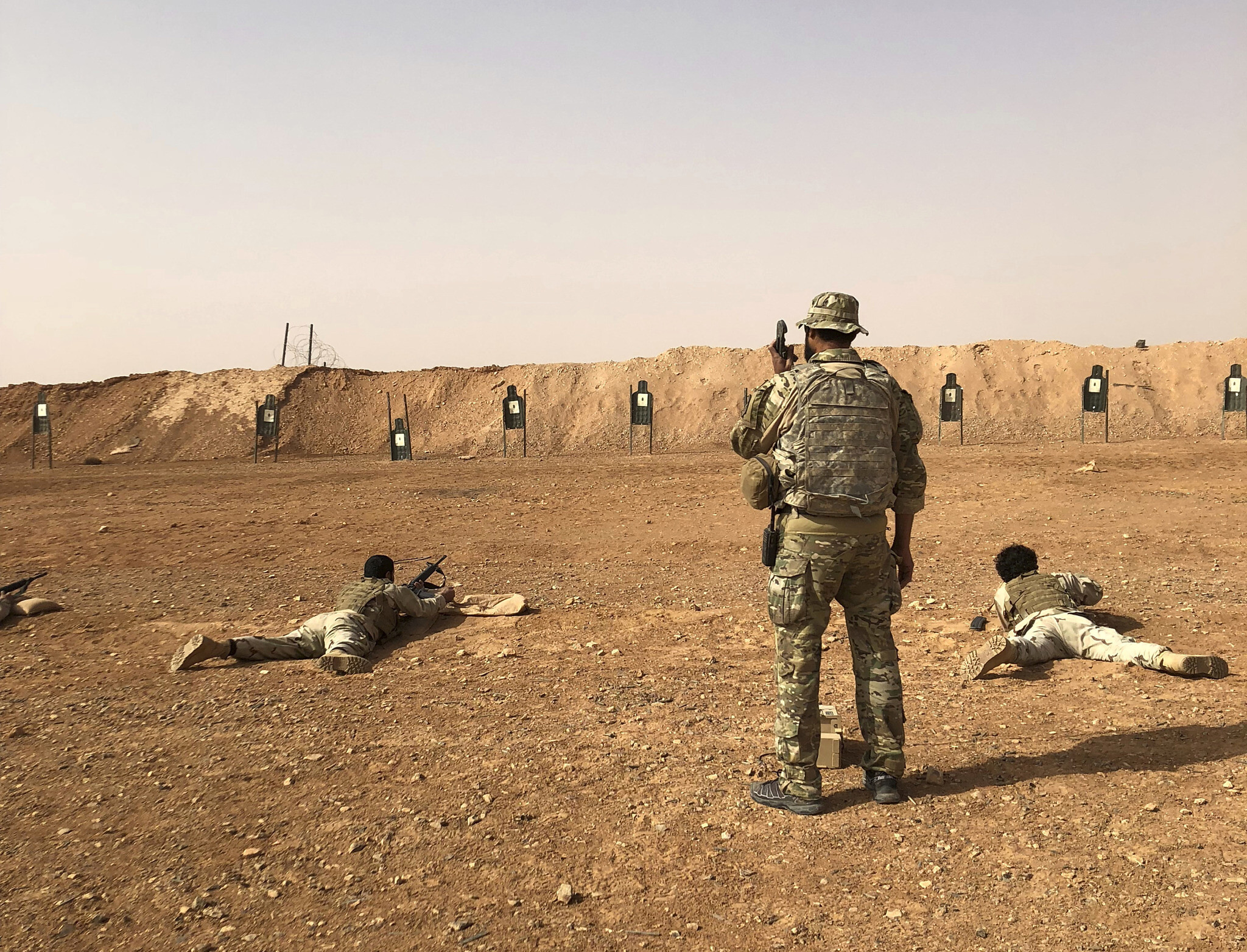
Members of the Maghawir al-Thawra Syrian opposition group receive firearms training from US Army Special Forces soldiers at the al-Tanf military outpost in southern Syria on October 22, 2018. (AP Photo/Lolita Baldor)

The kingdom has hundreds of US trainers and is one of the few regional allies that hold extensive exercises with US troops throughout the year.

Since the start of the Syrian civil war in 2011, Washington has spent hundreds of millions of dollars to help Amman set up an elaborate surveillance system known as the Border Security Program to stem infiltration by militants from Syria and Iraq.

Many unknowns

It is unclear how many US troops are actually stationed on Tower 22. Also unclear are the type of weapons kept, air defenses used and what exactly went wrong.