IDF attack helicopter, drone strike South Lebanon targets; sirens blare in Kiryat Shmona; US national security adviser calls for ‘diplomacy’ in eliminating terror threat from north
War Cabinet Minister Benny Gantz on Friday warned that Israel would be forced to push the Hezbollah terror group away from the Lebanese border if the international community could not do so through diplomatic means.
Gantz, speaking during a visit to Ma’alot-Tarshiha in the Upper Galilee, said he had invited top Western diplomats to visit the area and realize the threat posed by Hezbollah.
Gallant warned, “If the world doesn’t get Hezbollah away from the border, Israel will do it.”
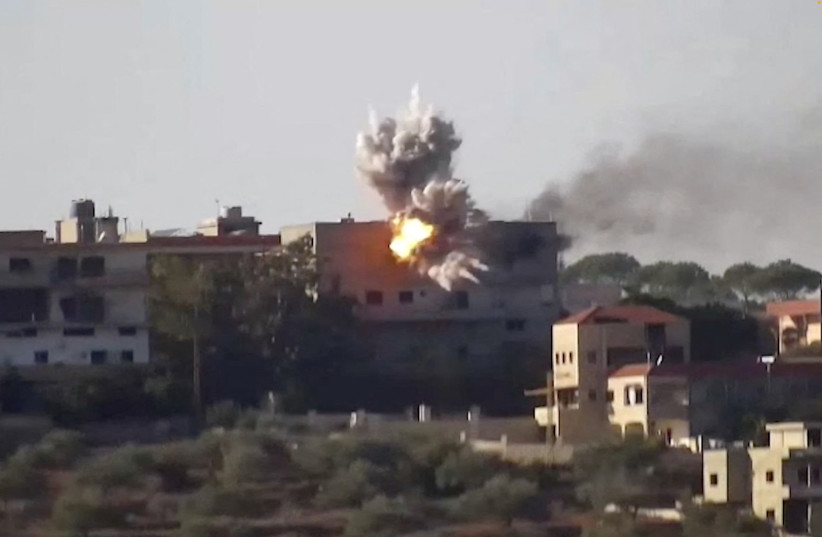
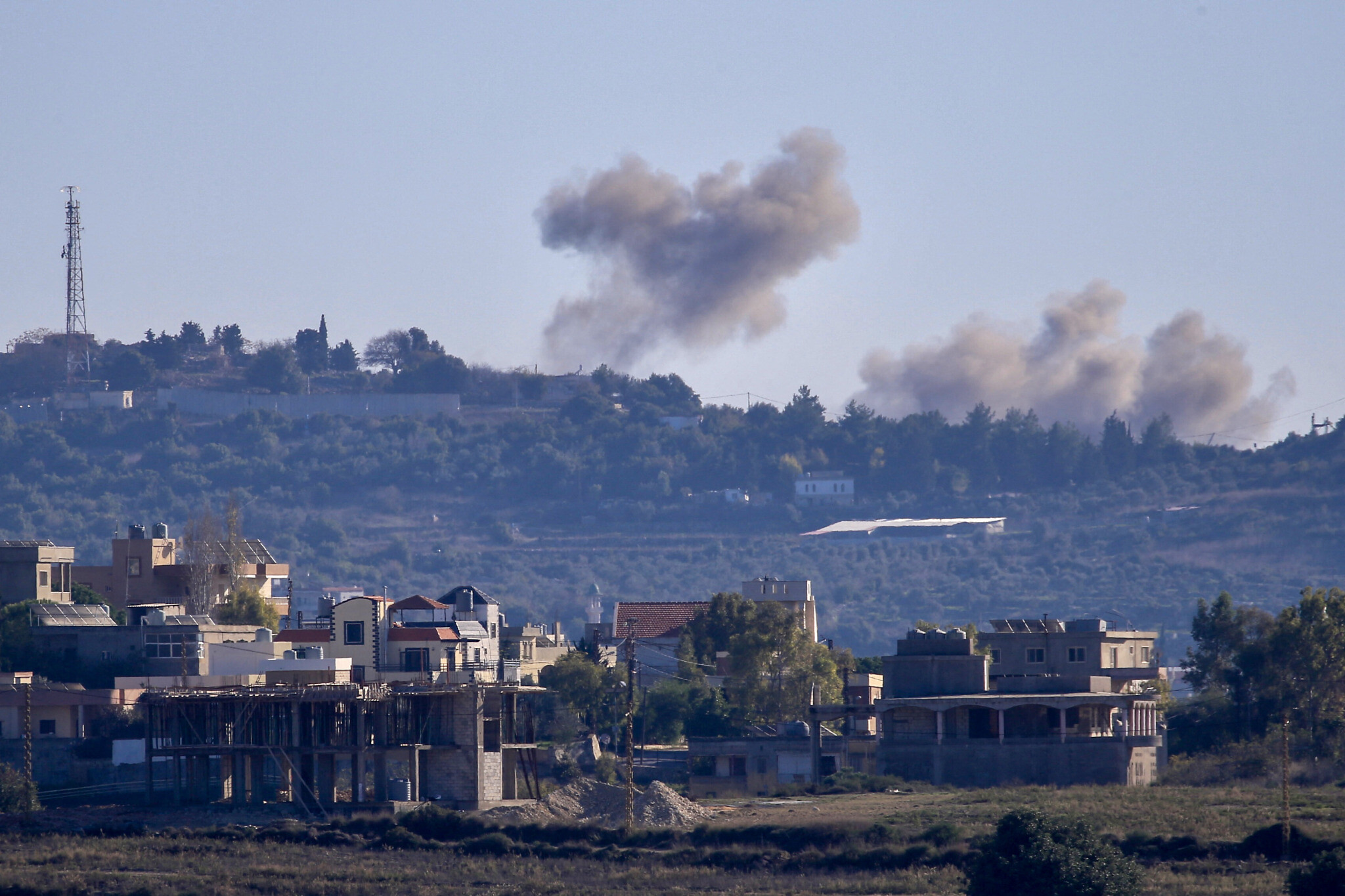
At the same time as he was speaking rocket sirens sounded in the largely evacuated northern town of Kiryat Shmona, as the Israel Air Force struck a number of Hezbollah targets in Lebanon, amid the ongoing exchanges of fire with the terror group along the northern border.
An attack helicopter and drone struck terror targets in southern Lebanon, including a rocket launcher used to fire projectiles at northern Israel.
The Iron Dome also intercepted a “suspicious aerial target” that entered Israeli airspace from Lebanon, and a drone launched from Lebanon crashed near an army post close to Menara, the IDF said.
Earlier in the day, the IDF also said that troops carried out a strike on two gunmen identified near the border.
כלי טיס של חיל האוויר תקף והשמיד מטרת טרור של ארגון הטרור חיזבאללה בשטח לבנון. בנוסף, לפני זמן קצר כלי טיס של חיל האוויר תקף מחבל שפעל בשטח לבנון סמוך למרחב זרעית.
כמו כן, במהלך הבוקר כוחות צה”ל תקפו שני מחבלים חמושים שפעלו בשטח לבנון, סמוך למרחב יארון pic.twitter.com/fG5B39KIEQ
— צבא ההגנה לישראל (@idfonline) December 15, 2023
Later Friday the IDF said it carried out another wave of airstrikes against Hezbollah sites including a command center, a military compound, and other infrastructure belonging to Hezbollah.
The IDF says it also hit a rocket launch position used to fire at Israel earlier with the Iron Sting guided mortar.
Several rockets were fired from Lebanon at Shtula earlier, setting off alarms in the community.
Israel has warned it will no longer tolerate the presence of the Iran-backed terror group along the northern frontier, after some 3,000 Hamas terrorists stormed the border from the Gaza Strip on October 7, murdering 1,200 people and kidnapping over 240 — mainly civilians.
Since that date, Hezbollah-led forces have attacked Israeli communities and military posts along the border on a near-daily basis, though they have attempted to limit the scope of the attacks in an apparent bid to avoid all-out war.
In an apparent warning to Hezbollah, the IDF issued a statement Friday saying it was carrying out intensive training in northern Israel.
The army said the drills, dubbed “precious time,” are aimed at preparing the soldiers for “additional possible scenarios on the northern border,” while carrying out their routine operations in the area.
It said the troops are training during the day and at night, in open and urban areas, and from the level of platoons to battalions. The soldiers were also being taught how to use armored vehicles and other weaponry.

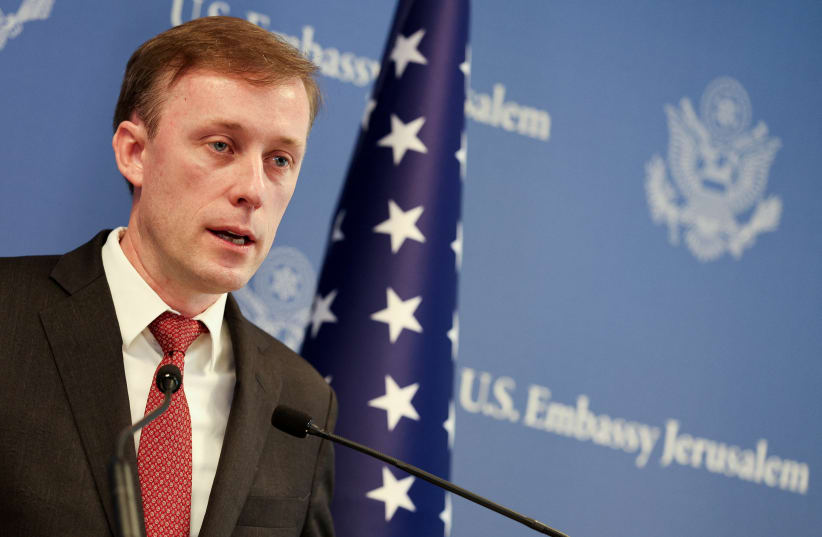
US National Security Adviser Jake Sullivan told reporters Friday that “the citizens of Israel who have been evacuated from the north have to be able to return to their homes and have to be able to do so with a true sense of security. “And that means dealing with the threat that comes from the other side of the border.”
However, he said, Washington still believes “that threat can be dealt with through diplomacy and does not require the launching of a new war.”

Sullivan conceded that such an effort requires “deterrence as well, because we need to send a clear message that we will not tolerate the kinds of threats and terrorist activity that we have seen from Hezbollah and from the territory of Lebanon.”
The message appeared to reflect an intensification of Israeli pressure on the US and other members of the international community to restore calm on the border through diplomatic means. Jerusalem is hoping that the US, France, or other foreign mediators will be able to broker the enforcement of UN Security Council Resolution 1701, which ended the Second Lebanon War in 2006.
The resolution called for the disarmament of all non-state armed forces in Lebanon as well as for the region between the Israel-Lebanon border and the Litani River to be free of all armed forces other than the Lebanese army and the UN’s peacekeeping mission UNIFIL.
Over the years, however, Hezbollah has repeatedly violated the resolution, amassing weapons and forces near the border with little enforcement by UNIFIL.

Meanwhile, residents of southern Lebanon on Friday said that the IDF had dropped leaflets warning residents not to help Hezbollah, for the first time since the Israel-Hamas war began.
“Early Friday morning, a drone dropped leaflets over the village that landed between the houses,” said a resident of Kfarshuba near the border, requesting anonymity due to security concerns. Another resident said leaflets were dropped twice after the wind blew many from the initial batch away.
“To the residents of South Lebanon, we inform you that the terrorist Hezbollah is infiltrating into your homes and your lands,” read a copy of a leaflet seen by AFP.
“You must stop this terrorism for your own security,” the text added, warning the population that assisting Hezbollah would expose them “to danger.”
Residents along the Lebanese border have said the Israeli army has stepped up its strikes on targets in the frontier villages in recent days.
Israel also dropped leaflets over parts of south Lebanon during a 2006 war with Hezbollah, and has dropped fliers encouraging Palestinians not to help Hamas during the current war in Gaza.
So far, the skirmishes on the border have resulted in four civilian deaths on the Israeli side, as well as the deaths of six IDF soldiers.
On the Lebanese side, more than 120 have been killed, according to an AFP tally. The toll includes 107 Hezbollah members — some of whom were killed in Syria –, 16 Palestinian terrorists, at least 14 civilians, and three journalists.
Israeli defense officials estimate that the Hezbollah death count is higher and that the terror group is covering up the true number of fatalities among its ranks.
More than 64,000 people have been displaced in Lebanon, mostly in the south, according to figures from the International Organization for Migration.
In Israel, an estimated 100,000 people have evacuated their homes on the northern border with Lebanon.