
Axios says possibilities include seizing islands in Strait of Hormuz, blockading ships carrying Iranian oil, sending troops to take regime’s stockpile of 60% enriched uranium
The US is working on options for a “final blow” to Iran that could see American ground troops deployed on Iranian soil, as well as a major bombing effort, the Axios outlet reported Thursday, citing two US officials and two sources with knowledge of the matter.
The sources said that if attempts to negotiate an end to the conflict with Iran do not bear fruit, and the Iranians continue to hamper shipping in the Strait of Hormuz, the US could initiate a major strike that would serve a dual purpose — improving the American position in possible further talks with Tehran, and potentially allowing US President Donald Trump to end the war unilaterally with an ostensible victory image.
The officials told Axios that four options are under discussion.
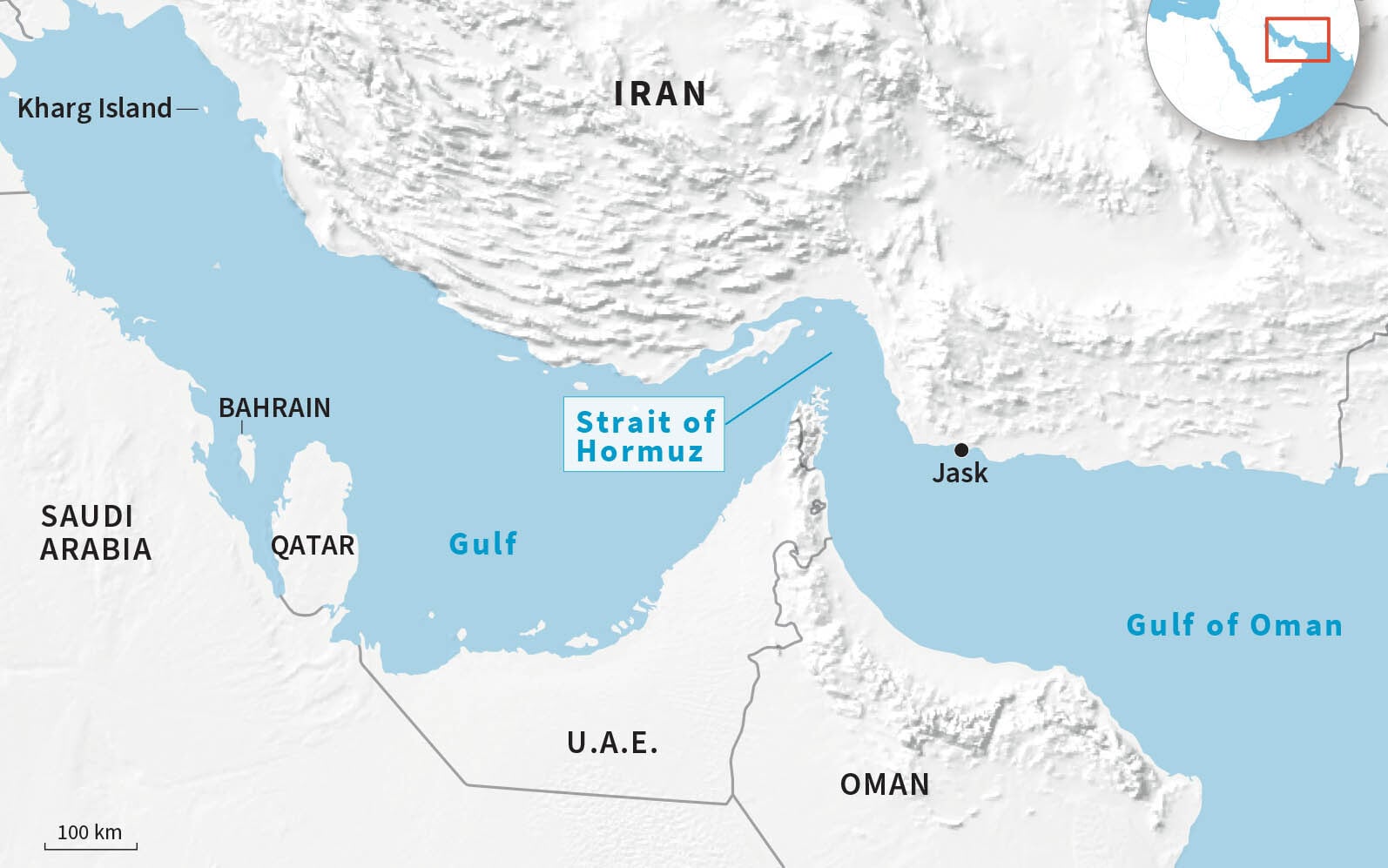
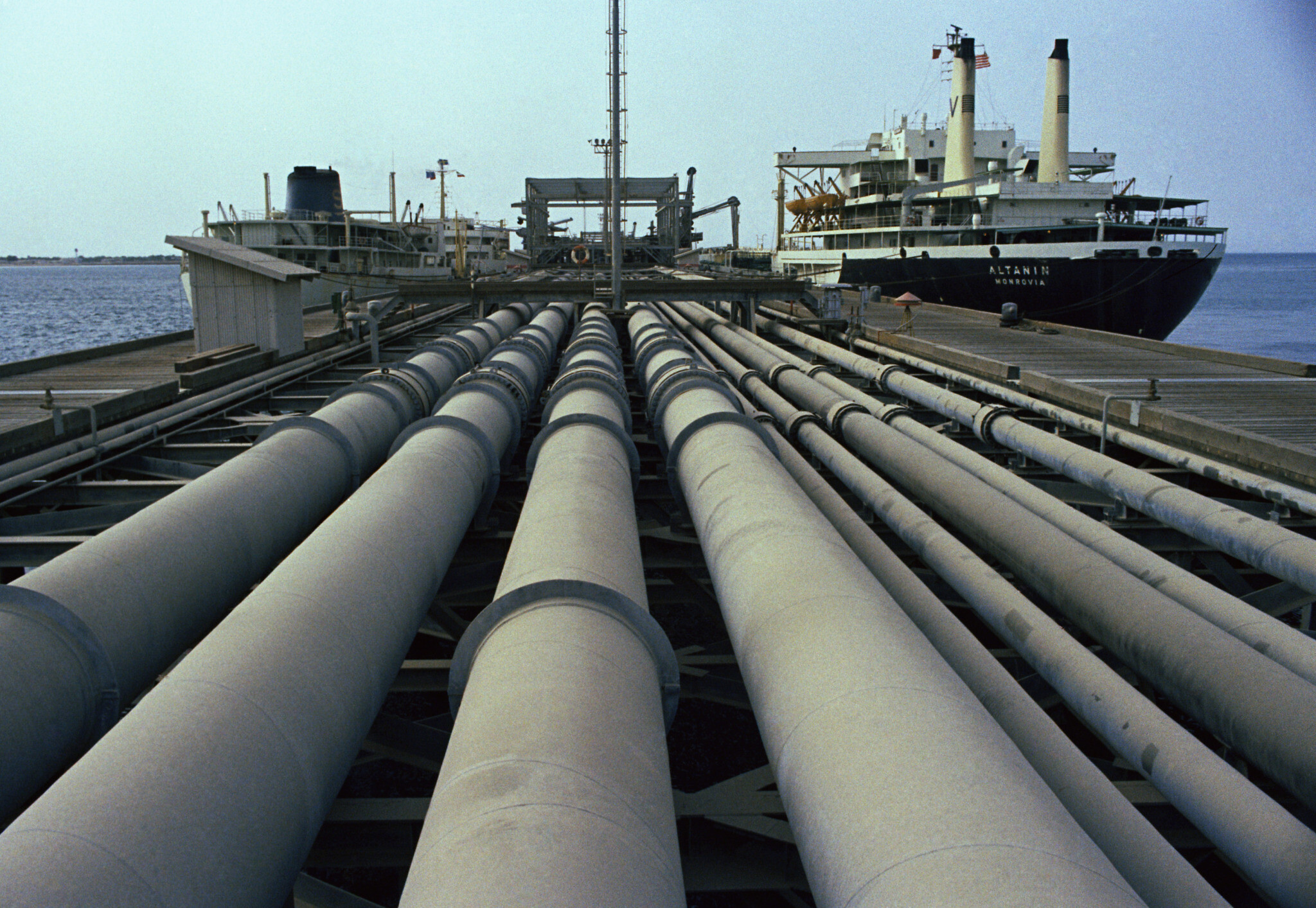
The first would entail seizing or blockading Kharg Island, Iran’s key hub for the export of oil.
A second would be to take Larak Island in the Strait of Hormuz, which houses Iranian bases and radars that track ships transiting Hormuz, and hosts small boats that can attack civilian ships. Tehran has largely blocked the passage of oil through the vital strait in retaliation for the US-Israeli attacks, pushing up global energy prices.
Finally, the US could simply block or take control of ships exporting Iranian oil.
According to Axios, there are also plans under consideration for US troops to seize Iran’s 450-kilogram stockpile of highly enriched uranium, believed to sit under bombed-out nuclear facilities deep inside Iran. Alternatively, the US could further strike the sites from the air to ensure that Iran can’t reach the material.
Trump has not decided on any of the courses of action, said the sources.
The report came as sources familiar with US intelligence told CNN that Iran was raising military defenses on Kharg Island in anticipation of a possible US operation to seize the territory.
Tehran has been laying traps, moving military personnel and boosting air defenses amid fears of an American plan to take control of the island, which handles about 90 percent of Iran’s crude oil exports, according to the report.
A source familiar with the planning said that a significant number of troops would be needed to take the island, putting its size at about a third that of Manhattan.
US officials and military experts have warned of significant casualty risks, saying the island is heavily fortified with layered defenses and that Iran had recently reinforced it with additional shoulder-fired, surface-to-air guided missile systems known as MANPADS, sources told CNN.
The report came as the Trump administration said it had made progress with Iran on a 15-point US plan for ending the conflict, though Tehran has publicly reacted coldly to the proposal.
Regardless of the talks’ progress, the US has deployed 1,000 paratroopers from the 82nd Airborne Division and 5,000 Marines toward the Gulf, with the Marines traveling on the USS Tripoli, an assault ship that could play a key role in a potential attack on Kharg, according to an NBC report.
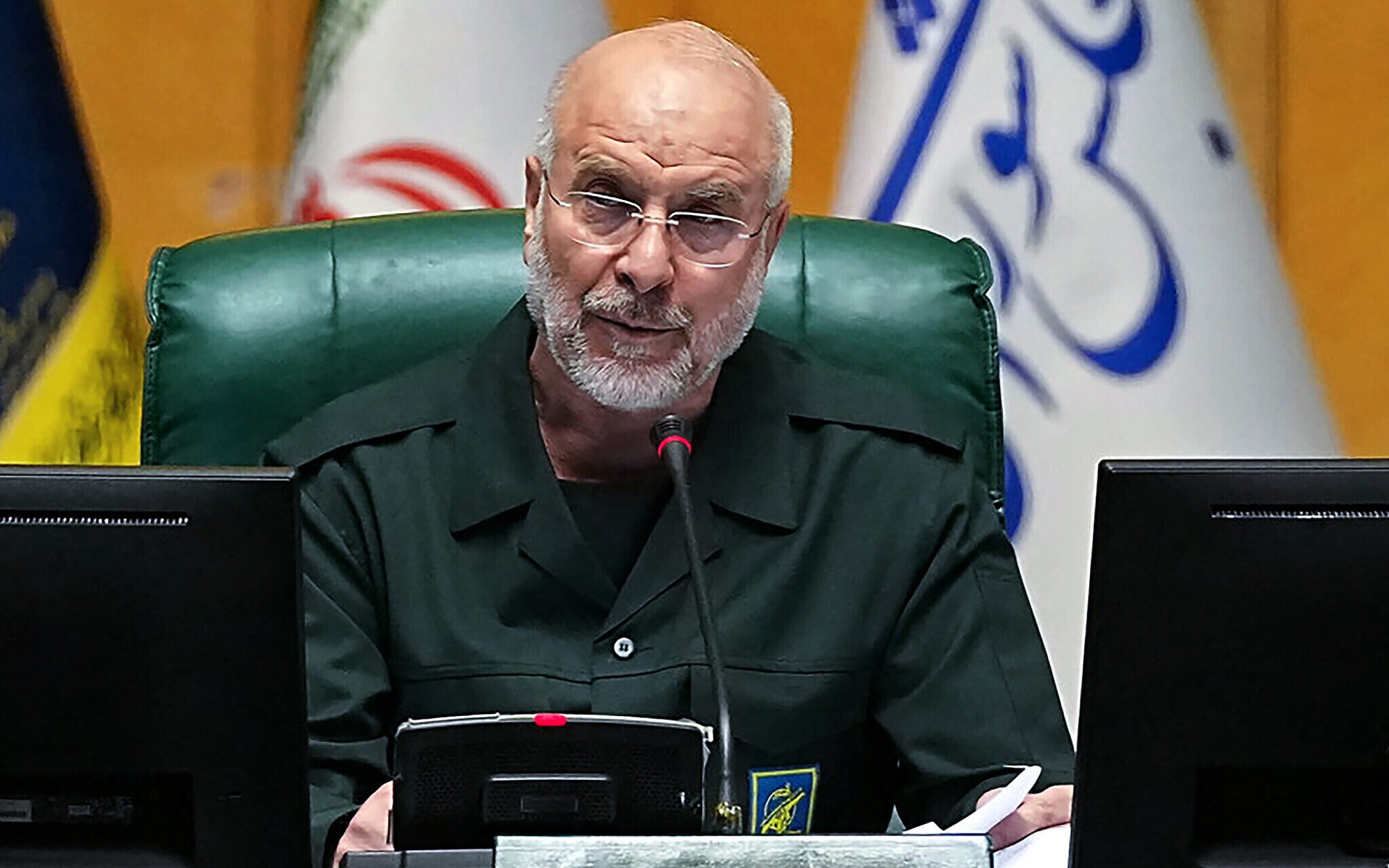
Iranian parliament speaker Mohammad Bagher Ghalibaf, reported to be the “top man” in Tehran with whom Trump has been in indirect negotiations, warned on Wednesday that Iran was preparing for such an assault, writing on X that “based on some intelligence reports, Iran’s enemies are preparing to occupy one of the Iranian islands with support from one of the regional states.” Ghalibaf did not name the state.
“Our forces are monitoring all enemy movements, and if they take any step, all the vital infrastructure of that regional state will be targeted with relentless, unceasing attacks,” he said.
Trump has not publicly ruled out the option of taking Kharg, a move he advocated for during the Iran-Iraq war in the 1980s. Trump told The Guardian in a 1988 interview that should he ever become US president, “I’d be harsh on Iran. They’ve been beating us psychologically, making us look like a bunch of fools. One bullet shot at one of our men or ships and I’d do a number on Kharg Island. I’d go in and take it.”
Meanwhile, Trump said Thursday Iran must “get serious soon” if it wants to salvage talks.
In a post on his Truth Social network, Trump said that Iran had been “militarily obliterated, with zero chance of a comeback,” and was “begging” for a deal.
Calling Iranian negotiators “very different and ‘strange,’” he added: “They better get serious soon, before it is too late, because once that happens, there is NO TURNING BACK, and it won’t be pretty.”
The US president went on to attack the NATO military alliance, saying its member states “have done absolutely nothing to help with the lunatic nation [of Iran], now militarily decimated.”
Writing in all caps, Trump said the US “needs nothing from NATO, but ‘never forget’ this very important point in time!”
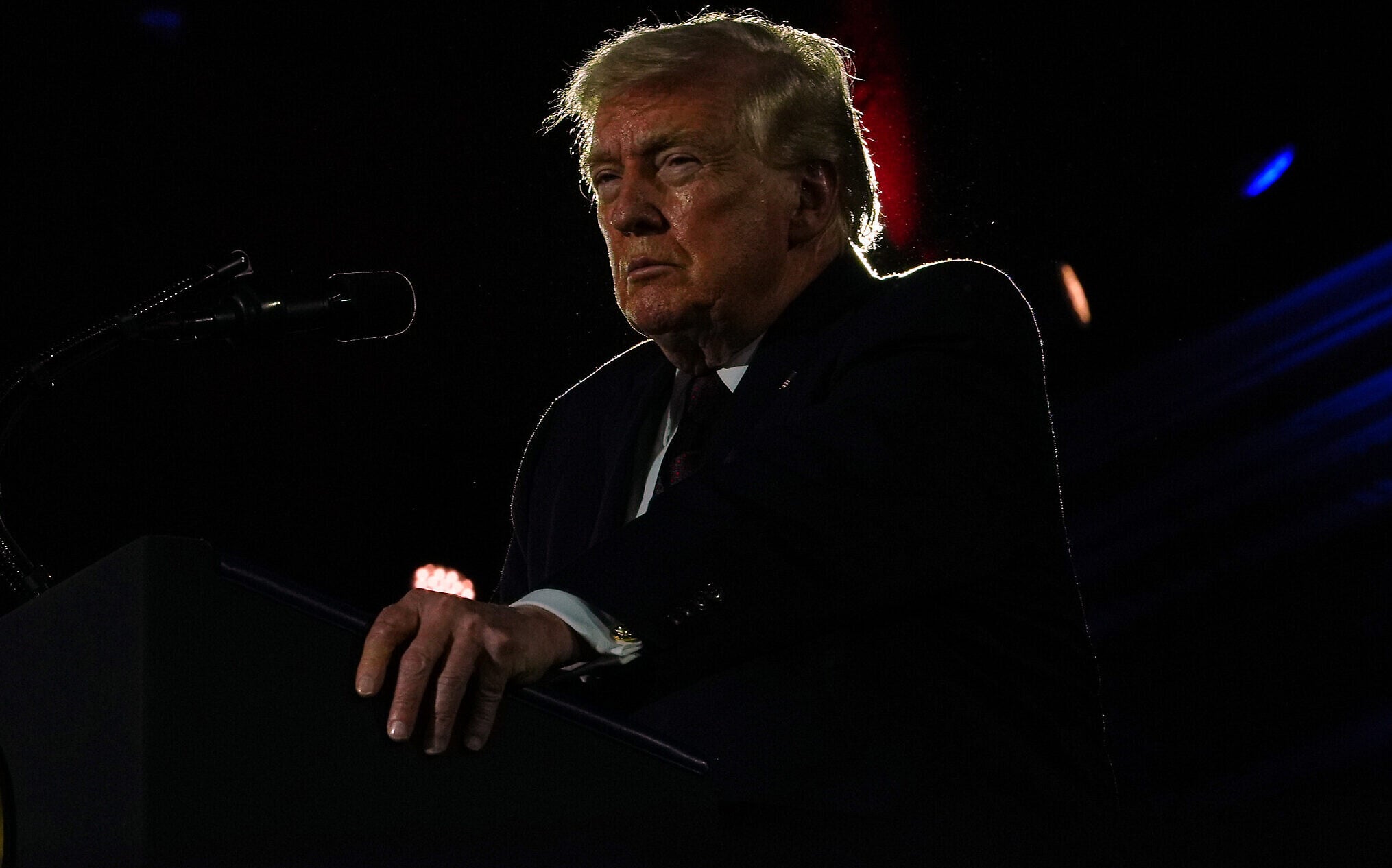
Trump has raged at NATO throughout the war. Last week, he wrote, “Without the USA, NATO IS A PAPER TIGER! They didn’t want to join the fight to stop a Nuclear Powered Iran. Now that fight is Militarily WON, with very little danger for them.”
According to reports, some NATO countries, like the UK and France, are discussing plans to lead a “Hormuz coalition” to open the key shipping lane. Other NATO countries have expressed an openness to join as well. Estonia’s foreign minister told The Times of Israel last week that his country is “very much open to discuss with the US” joining a military mission to open the strait.
Trump’s comments came as the economic and humanitarian toll of the conflict mounted, with fuel shortages spreading worldwide, sending companies and countries scrambling to contain the fallout.
“Indirect talks” between the US and Iran are taking place through messages relayed by Pakistan, with other states including Turkey and Egypt also supporting mediation efforts, Pakistan’s foreign minister said.
But Iranian Foreign Minister Abbas Araghchi said this did not amount to negotiations. “Messages being conveyed through our friendly countries and us responding by stating our positions or issuing the necessary warnings is not called negotiation or dialogue,” Araghchi said in comments broadcast late on Wednesday.
“At present, our policy is to continue resistance and defend the country, and we have no intention of negotiating,” he added.
Israel and the US launched their campaign against Iran on February 28 in a bid to destabilize the regime and destroy its nuclear and ballistic missile capacities. Iran has responded with missile and drone strikes across the region, and its proxies in Iraq and Lebanon have also carried out attacks, with Israel launching massive airstrikes in Lebanon in response to the Hezbollah terror group’s rocket barrages.