Iran on Monday warned Israel “not to play with fire,” and threatened retaliation over Israel’s reported involvement in a weekend drone attack on a key defense facility in the city of Isfahan.
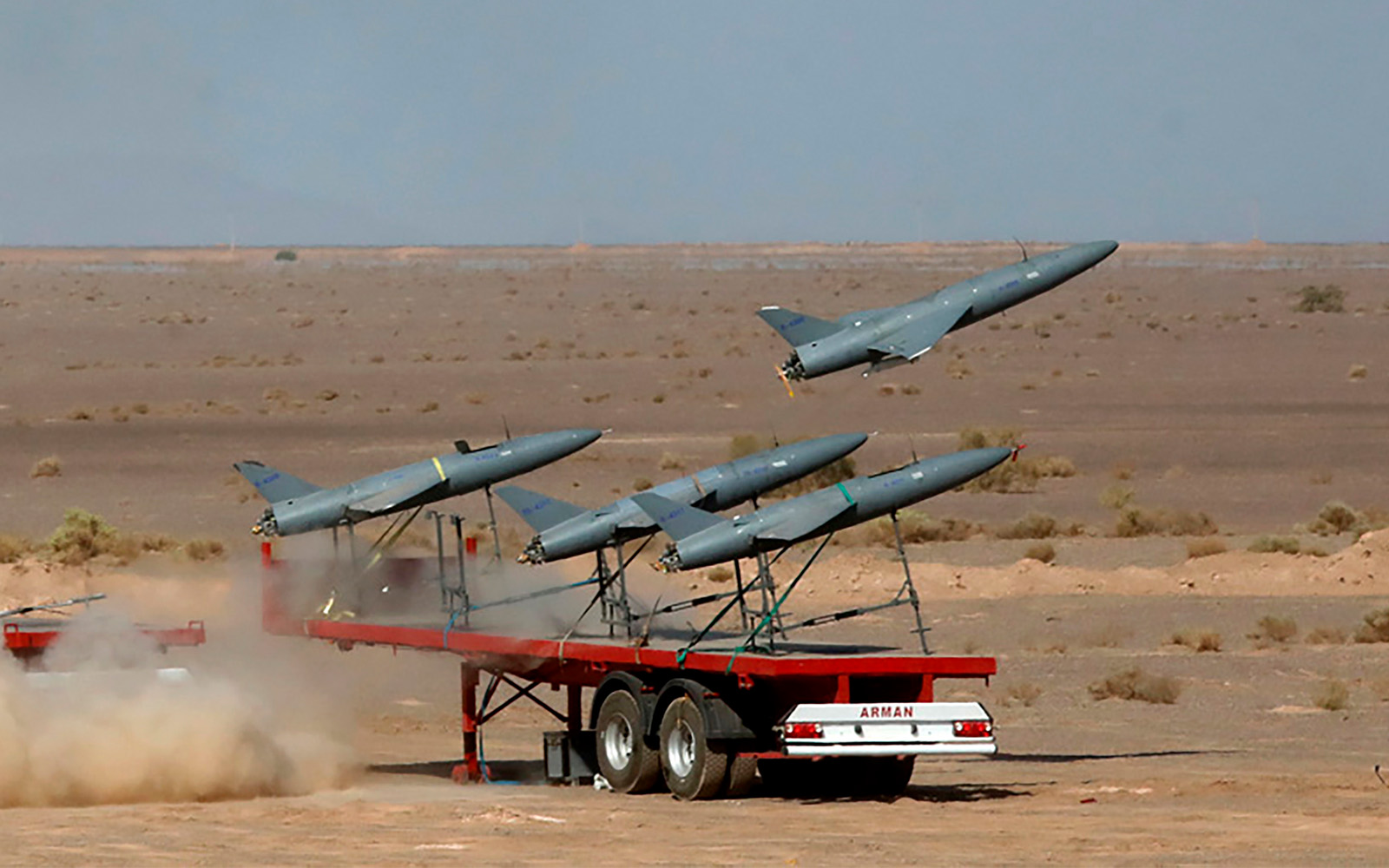
The site hit in Saturday’s strike was reportedly was a weapons production facility for Iran’s killer Shahed-136 drones, Channel 12 news reported Sunday. The unsourced report said the attack incorporated high-quality intelligence and technological ability.
Isfahan is also a known hub for Tehran’s missile industry and is where the Shahab medium-range missile — which has a range capable of hitting Israel — is assembled.
An unnamed Iranian official told the Al Jazeera network that it appeared Israel was behind the attack, although he claimed it was a failiure.
“The first indications point to Israeli involvement in the attack on Isfahan, but the investigation must continue,” he said.
His accusation follows a New York Times report on Sunday, citing senior United States intelligence officials, that said the strike was orchestrated by the Mossad intelligence agency and was carried out for Israeli security interests.
The Iranian official threatened that Tehran would seek revenge. “Israel knows very well that it will receive a response, as happened in the past.”
“Those who play with fire are the first to get burned if they decide to start a regional war,” the official said.
He also claimed that the strike was ultimately unsuccessful.
“[The Israelis] are using propaganda to cover up their failure,” the official claimed.
Iran has in the past believed to have launched drone attacks on US troops and their allies in Syria in retaliation to alleged Israeli strikes targeting Tehran’s interests.
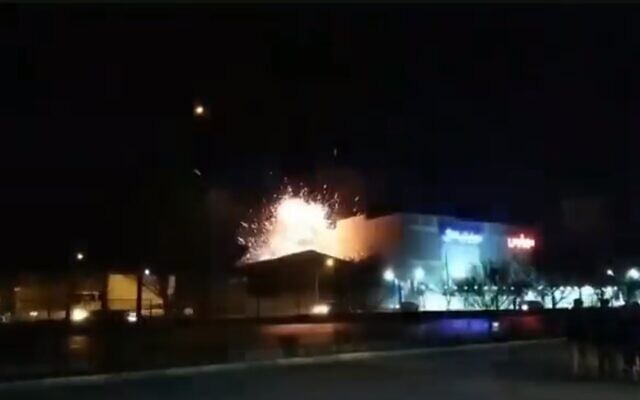
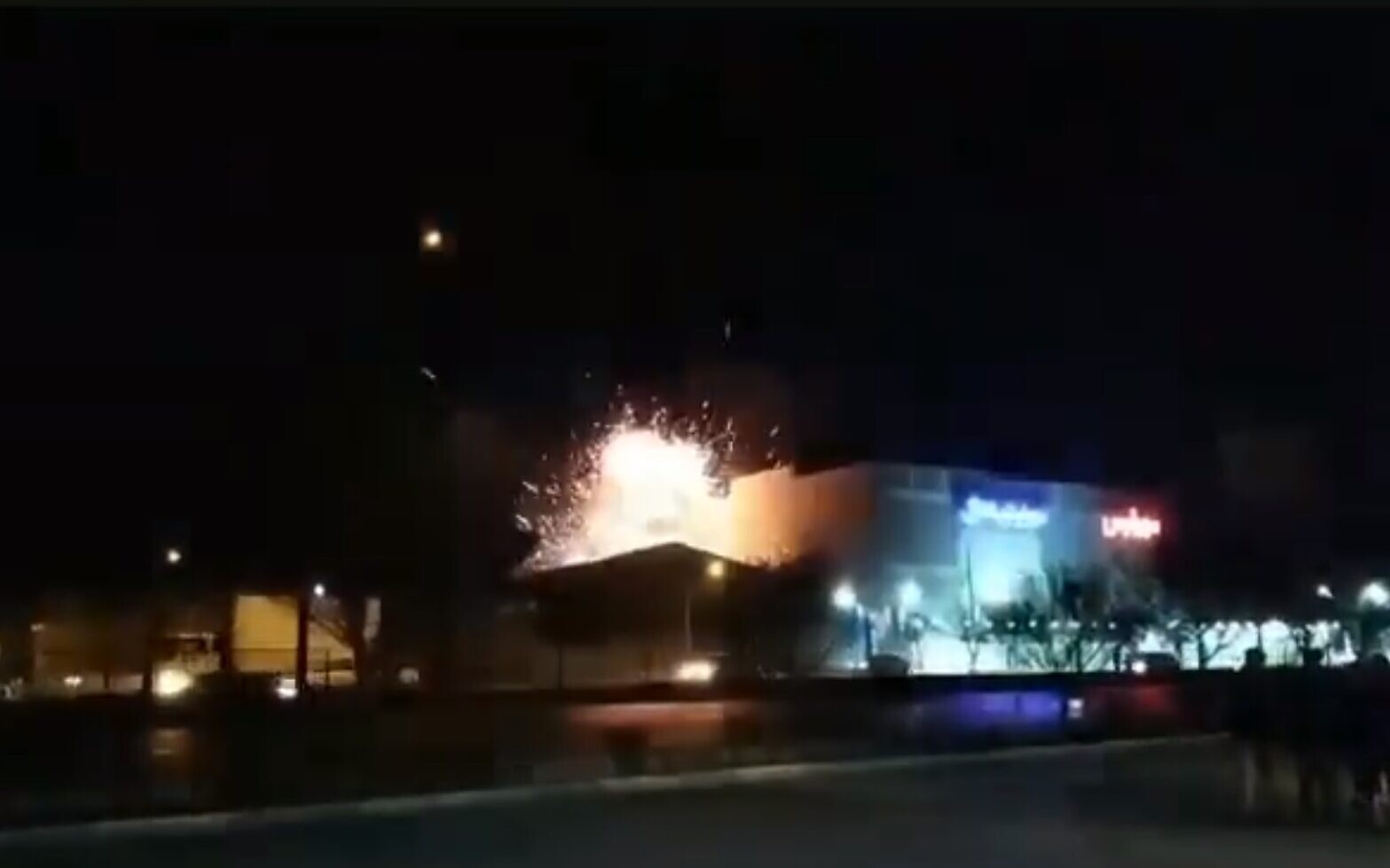
Screengrab from an unverified video circulating on social media said to show an explosion at a defense facility in Iran’s Isfahan after an alleged drone strike, January 28, 2023. (Used in accordance with Clause 27a of the Copyright Law)
A Wall Street Journal report which also pointed the finger at Israel for the attack noted its timing came at the same time as talks between Jerusalem and Washington aimed at finding new ways to counter Tehran’s nuclear program. US Secretary of State Antony Blinken arrived in Israel on Monday.
The US recently indicated that it would be taking a more hardline approach toward Tehran, including on its drone supply program to Russia.
US President Joe Biden’s administration has also signaled that it had abandoned the possibility of reviving a deal with Iran over its nuclear program, known as the Joint Comprehensive Plan of Action, which then-US president Donald Trump withdrew from in 2018. Trump then instituted a “maximum pressure” sanctions regime, targeting various Iranian sectors, leading Tehran to respond by expanding its nuclear program in violation of the JCPOA.
Iran’s military ties with Russia in the latter’s invasion of Ukraine and Tehran’s bloody crackdown on anti-regime protests since mid-September have also played a role in Washington’s tougher line.

Israeli and American fighter jets fly alongside an American B-52 bomber over the Mediterranean Sea during the Juniper Oak 2023 drill, January 25, 2023. (CENTCOM)
Last week, Israel and the US launched a large-scale joint exercise in Israel and over the eastern Mediterranean Sea, reportedly aimed at showing adversaries, such as Iran, that Washington is not too distracted by Russia’s invasion of Ukraine and threats from China to mobilize a large military force.
In his previous term, Prime Minister Benjamin Netanyahu Netanyahu ordered numerous strikes on Iranian targets in Syria and operations on Iranian soil. He has been open about his intention to oppose Tehran’s nuclear aspirations at any cost, as Israel generally views an Iranian nuclear bomb as a near-existential threat.
In November, a longtime ally of Netanyahu said in an interview that he believed the prime minister would order a strike on Iran’s nuclear facilities if the US does not secure a new nuclear deal with Tehran and fails to take action itself in the near future.