New York City Mayor Zohran Mamdani revoked an executive order adopting the IHRA definition of antisemitism, including provisions linking some anti-Zionist rhetoric to antisemitism.

New York City Mayor Zohran Mamdani pictured during his first day in office, January 1, 2026.
(photo credit: Dave Sanders/Pool via REUTERS)
Newly inaugurated New York City Mayor Zohran Mamdani rescinded a series of executive orders on his first day in office on Thursday, including one that deemed anti-Zionist rhetoric as antisemitic.

His predecessor, Eric Adams, signed the order adopting the International Holocaust Remembrance Alliance‘s definition of antisemitism, which includes clauses in its definition such as “Denying the Jewish people their right to self-determination, e.g., by claiming that the existence of a State of Israel is a racist endeavor,” and “Accusing Jewish citizens of being more loyal to Israel, or to the alleged priorities of Jews worldwide, than to the interests of their own nations.”

Other clauses include “Accusing the Jews as a people, or Israel as a state, of inventing or exaggerating the Holocaust,” “Drawing comparisons of contemporary Israeli policy to that of the Nazis,” or “Holding Jews collectively responsible for actions of the state of Israel.”

Mamdani, then a state assemblyman nominated as the Democratic Party candidate, pledged in a September interview with Bloomberg News that he would rescind the acceptance of the IHRA definition of antisemitism if elected.

Zohran Mamdani is sworn in as mayor of New York City, flanked by his wife Rama Duwaji and New York Attorney General Letitia James, at Old City Hall Station, New York, US, Thursday, Jan 1st 2026. (credit: Amir Hamja/Pool via REUTERS)

During the public swearing-in ceremony on the steps of City Hall, Mamdani vowed to enact an aggressive agenda aimed at making the nation’s largest city more affordable for working people.

Mamdani’s journey to becoming mayor has not been without controversy, most notably because of his strongly anti-Israel, pro-Palestine stance and rhetoric – something that the Jewish community fears may manifest in increased antisemitism on the ground.

Two-thirds of NYC’s Jews did not vote for Mamdani, and many have expressed explicit concern about the new mayor’s actions. A November edition of JPPI’s Voice of the Jewish People Index showed that 67% of US Jews believe Mamdani’s victory will endanger New York’s Jews.

Additionally, a December ADL report found that 20% of Mamdani’s administrative appointees have ties to anti-Zionist groups. Some have even justified Hamas’s actions or celebrated the October 7 attacks. Many are members of Students for Justice in Palestine and Democratic Socialists of America, groups which Mamdani himself has long served as an organizer for.

Mamdani has accused Israel of “genocide” and “apartheid” and has promised to arrest Prime Minister Benjamin Netanyahu should he set foot in New York.

Herzog criticises Mamdani’s rhetoric as harmful to New York’s Jewish community

President Isaac Herzog sharply criticized New York City’s then-mayor-elect, Zohran Mamdani, in December, for comments he described as “outrageous” and harmful to Jewish communities during a speech at Yeshiva University in New York City.

Herzog said the mayor-elect’s remarks questioning Jews’ right to move to Israel and participate in traditional Zionist practices not only delegitimize the Jewish people’s ancient homeland but also “legitimize violence and undermine freedom of religion.” He labeled such rhetoric both anti-Jewish and anti-American.

Mathilda Heller, Pesach Benson/TPS, and Reuters contributed to this report.


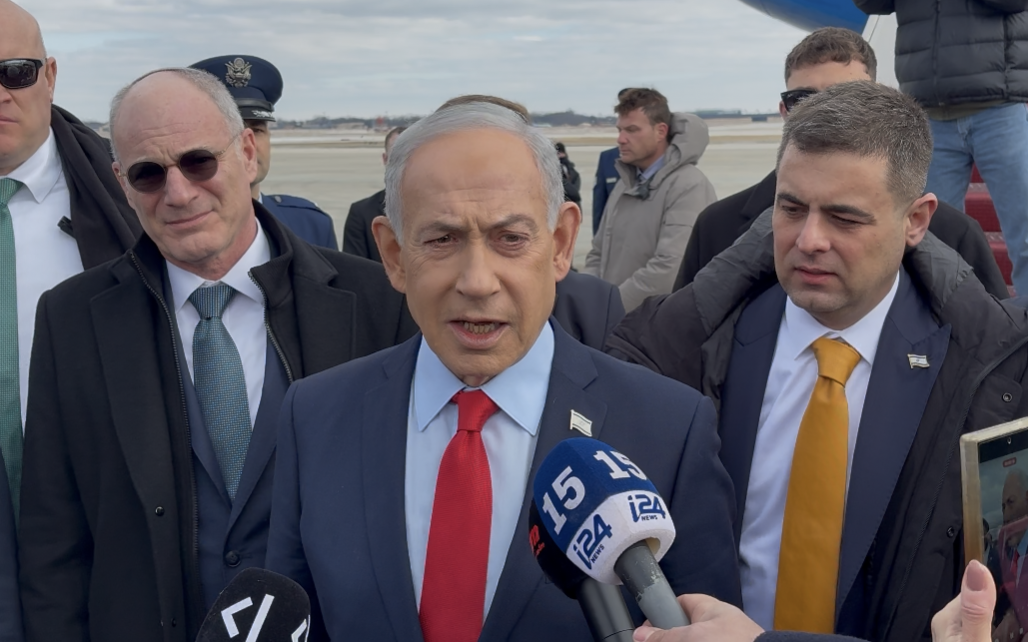
“[Iran is] trying to [rebuild its capabilities] and the president was correct when he said that the Fordow thing was obliterated,” Netanyahu said.

Prime Minister Benjamin Netanyahu speaks during a joint press conference with US President Donald Trump (off frame) at Trump's Mar-a-Lago residence in Palm Beach, Florida, on December 29, 2025.
Prime Minister Benjamin Netanyahu speaks during a joint press conference with US President Donald Trump (off frame) at Trump’s Mar-a-Lago residence in Palm Beach, Florida, on December 29, 2025.
(photo credit: Jim WATSON / AFP via Getty Images)
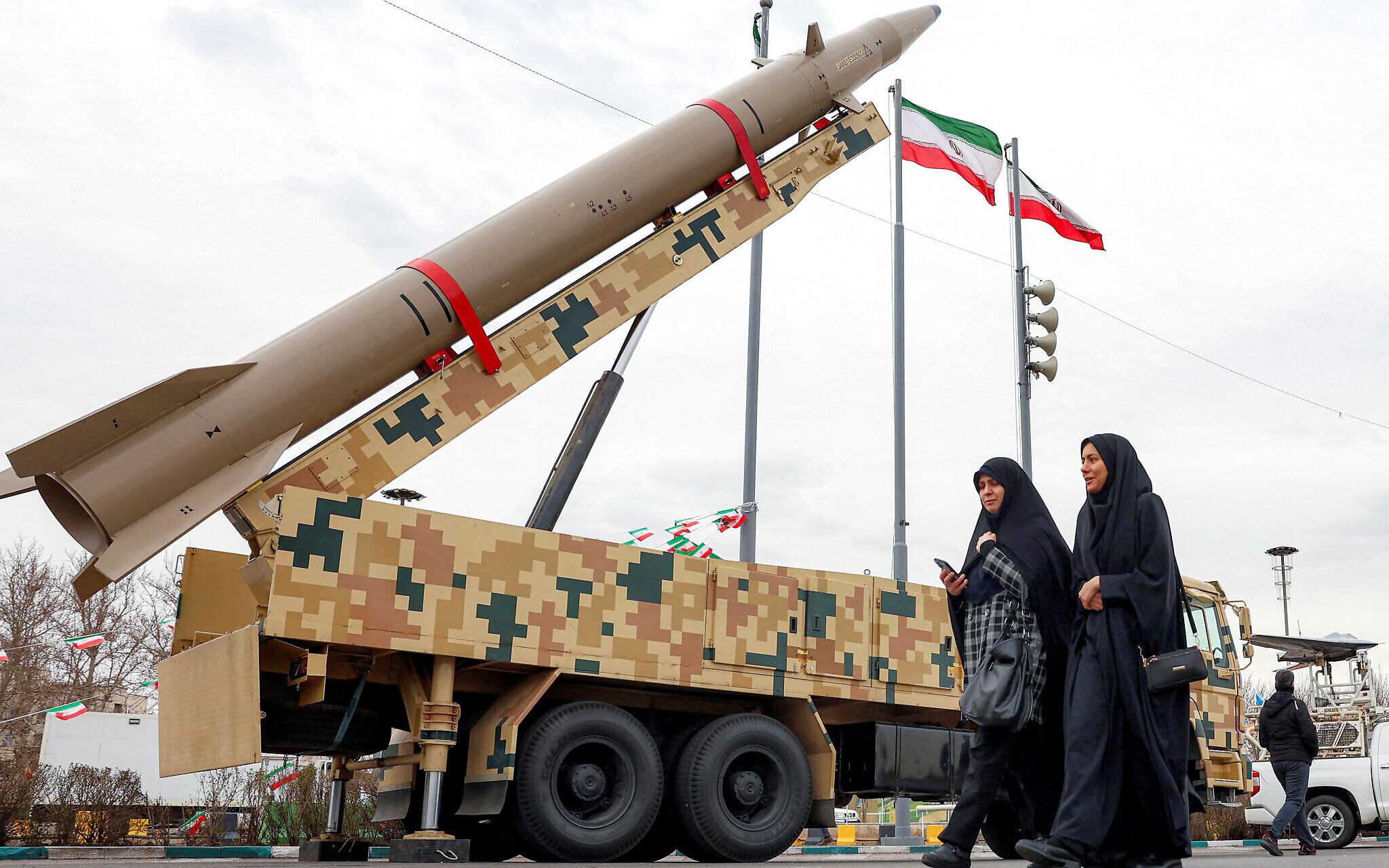
In the wake of the Israel-Iran war in June, the Islamic Republic is trying to rebuild its nuclear and ballistic missile capabilities, Prime Minister Benjamin Netanyahu told Fox News’ “Special Report” on Tuesday.

“[Iran is] trying to [rebuild its capabilities] and the president was correct when he said that the Fordow thing was obliterated. So they’re trying other sites. They will try that. They’re also trying to recover their ballistic missile production facility. We set them back considerably in both areas, but, yeah, they’ll try.”

The prime minister clarified that he wasn’t sure Iran decided to “cross the line” with its nuclear program in light of US President Donald Trump’s warnings against doing so and its recent experiences in the recent war.

nt ain obstacle to moving to second phase of Gaza ceasefire, Netanyahu says

Speaking on the topic of Gaza, Netanyahu pointed to disarmament as the core barrier to proceeding to the second phase of the ceasefire.

“Hamas committed to disarm,” Netanyahu said, adding that the terror organization still has “about 20,000 people with, basically, Kalashnikov rifles” and “they have, altogether, 60,000 AK rifles.”

usePrime Minister Benjamin Netanyahu speaks during a joint press conference with US President Donald Trump (off frame) at Trump's Mar-a-Lago residence in Palm Beach, Florida, on December 29, 2025. (credit: JOE RAEDLE/GETTY IMAGES)
usePrime Minister Benjamin Netanyahu speaks during a joint press conference with US President Donald Trump (off frame) at Trump’s Mar-a-Lago residence in Palm Beach, Florida, on December 29, 2025. (credit: JOE RAEDLE/GETTY IMAGES)

He added that Hamas also thus far refuses to dismantle hundreds of kilometers of terror tunnels in Gaza.

The prime minister also pointed to Hamas disarmament, whether through Israeli efforts or the efforts of an International Stabilization Force, as the key to getting a new governing body in Gaza.

West Bank settler violence a ‘bloated’ issue, Netanyahu says

Fox News’ Bret Baier also asked Netanyahu about settler violence in the West Bank, noting that it was rising and represented a threat to regional stability.

Netanyahu pointed to a small number of around 70 young people who were responsible for the violence.

“They’re not from the West Bank,” he said. “They’re actually teenagers who come from broken homes, and they do things like chopping the olive trees, and sometimes they try to burn a home. I can’t accept that.”

Neverthless, Netanyahu claimed the  issue was “bloated” and that there was a “false symmetry between the “teenagers” engaging in “vigilantism” and the “over one thousand terrorist attacks against the settlers, families, mothers who are driving on the roads with their children.”

Prospects of expanding Abraham Accords ‘really good,’ PM claims

The prime minister also spoke about the prospects of expanding the Abraham Accords, saying the chances were “really good.”

Asked specifically about Syria and Saudi Arabia, Netanyahu said it was possible specifically as a result of Israel’s military efforts diminishing Iran and its regional proxies.

“And so people are open to a peace agreement. So I hope we can do that with the Saudis and with others, and, by the way, also with Muslim countries outside the Middle East who are very interested.”


December 29, 2025 7:10 pm

by Reuters and Algemeiner Staff

US President Donald Trump said on Monday the United States could support another major strike on Iran were it to resume rebuilding its ballistic missile or nuclear weapons programs and warned Hamas of severe consequences if it does not disarm.

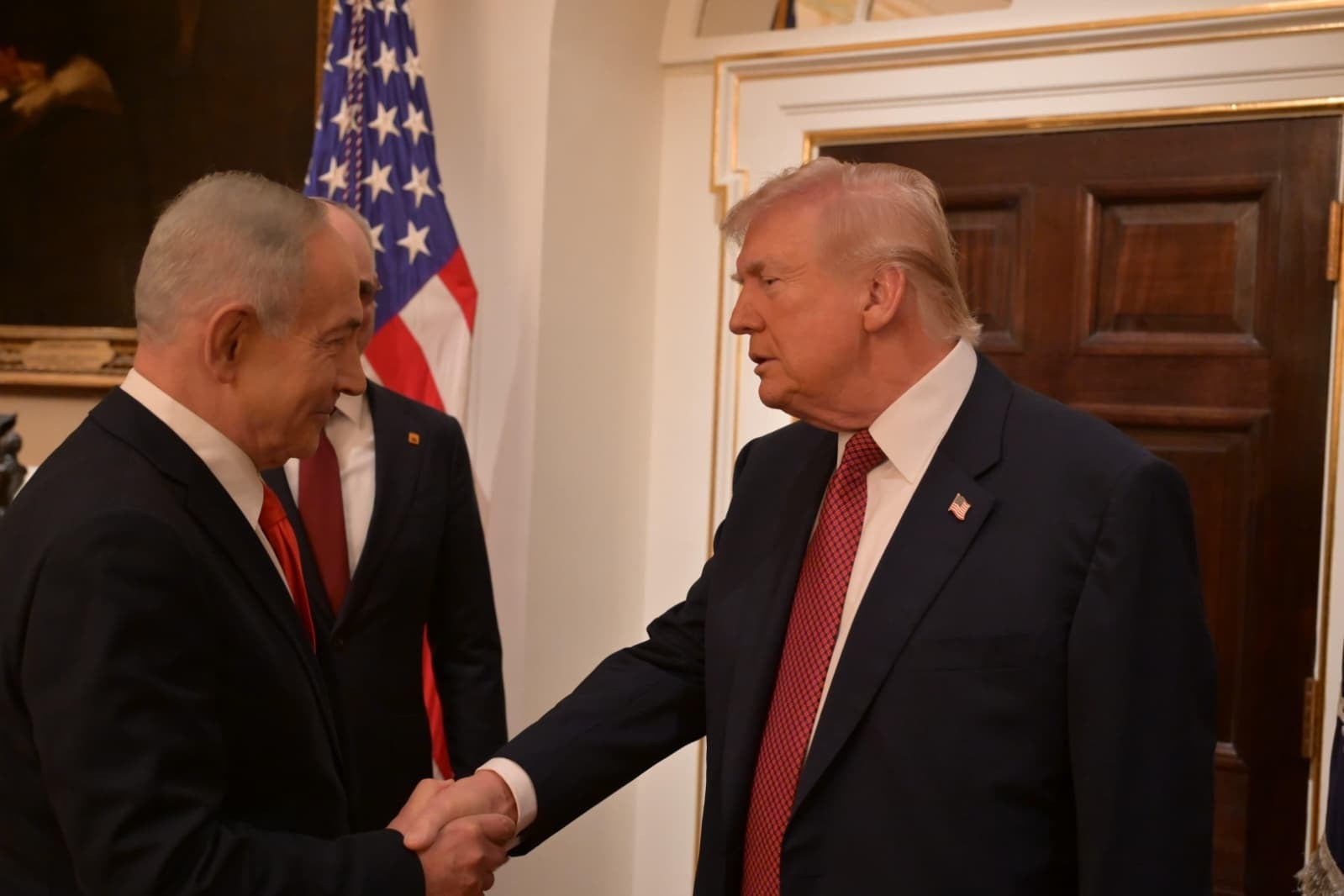
Speaking beside Israeli Prime Minister Benjamin Netanyahu following a meeting at his Mar-a-Lago estate in Florida, Trump suggested Tehran may be working to restore its weapons programs after a massive US strike in June.

“I’ve been reading that they’re building up weapons and other things, and if they are, they’re not using the sites we obliterated, but possibly different sites,” Trump told reporters during a press conference.

“We know exactly where they’re going, what they’re doing, and I hope they’re not doing it because we don’t want to waste fuel on a B-2,” he added, referring to the bomber used in the earlier strike. “It’s a 37-hour trip both ways. I don’t want to waste a lot of fuel.”

Trump, who has broached a potential nuclear deal with Tehran in recent months, said his talks with Netanyahu focused on advancing the fragile Gaza peace deal he brokered and addressing Israeli concerns over Iran and over Hezbollah in Lebanon.

Iran, which fought a 12-day war with Israel in June, said last week that it had conducted missile exercises for the second time this month.

Netanyahu said last week that Israel was not seeking a confrontation with Iran, but was aware of the reports, and said he would raise Tehran’s activities with Trump.

A SECOND PHASE IN GAZA?

Trump said he wanted to move to the second phase of the ceasefire deal between Israel and the Palestinian terrorist group Hamas reached in October after two years of fighting in Gaza, a progression that entails international peacekeeping forces deployed in the Palestinian enclave.

Israel and Hamas accuse each other of major breaches of the deal and look no closer to accepting the much more difficult steps envisaged for the next phase. Hamas, which has refused to disarm, has been reasserting its control as Israeli troops remain entrenched in about half the territory.

Israel has indicated that if Hamas is not disarmed peacefully, it will resume military action to make it do so.

During his Monday comments, Trump heaped the blame on the terrorist group for not disarming more promptly, arguing that Israel had lived up to its side of the deal and warning that Hamas was inviting grave consequences.

“There will be hell to pay,” Trump warned when asked what he will do if Hamas does not lay down its arms. He has made similar statements at previous intervals during the fighting.

Netanyahu said this month that Trump had invited him for the talks, as Washington pushes to establish transitional governance for the Palestinian enclave amid Israeli reluctance to move forward.

The deployment of the international security force was mandated by a Nov. 17 UN Security Council resolution.

While Washington has brokered three ceasefires involving its longtime ally – between Israel and Hamas, Israel and Iran, and Israel and Lebanon – Netanyahu is wary of Israel‘s foes rebuilding their forces after they were considerably weakened in multiple wars.

Overall, Trump’s comments suggested he remains firmly in Netanyahu’s camp, even as some aides have privately questioned the Israeli leader’s commitment to the Gaza ceasefire. His comments also suggested he is willing to risk additional hostilities related to Gaza and Iran, even as Trump has taken credit for resolving Israel‘s wars in both places.

Trump struck a warm tone as he greeted Netanyahu before their meeting, going so far as to say that Israeli President Isaac Herzog had told him he planned to pardon Netanyahu of corruption-related charges – a conversation Herzog’s office immediately denied took place.

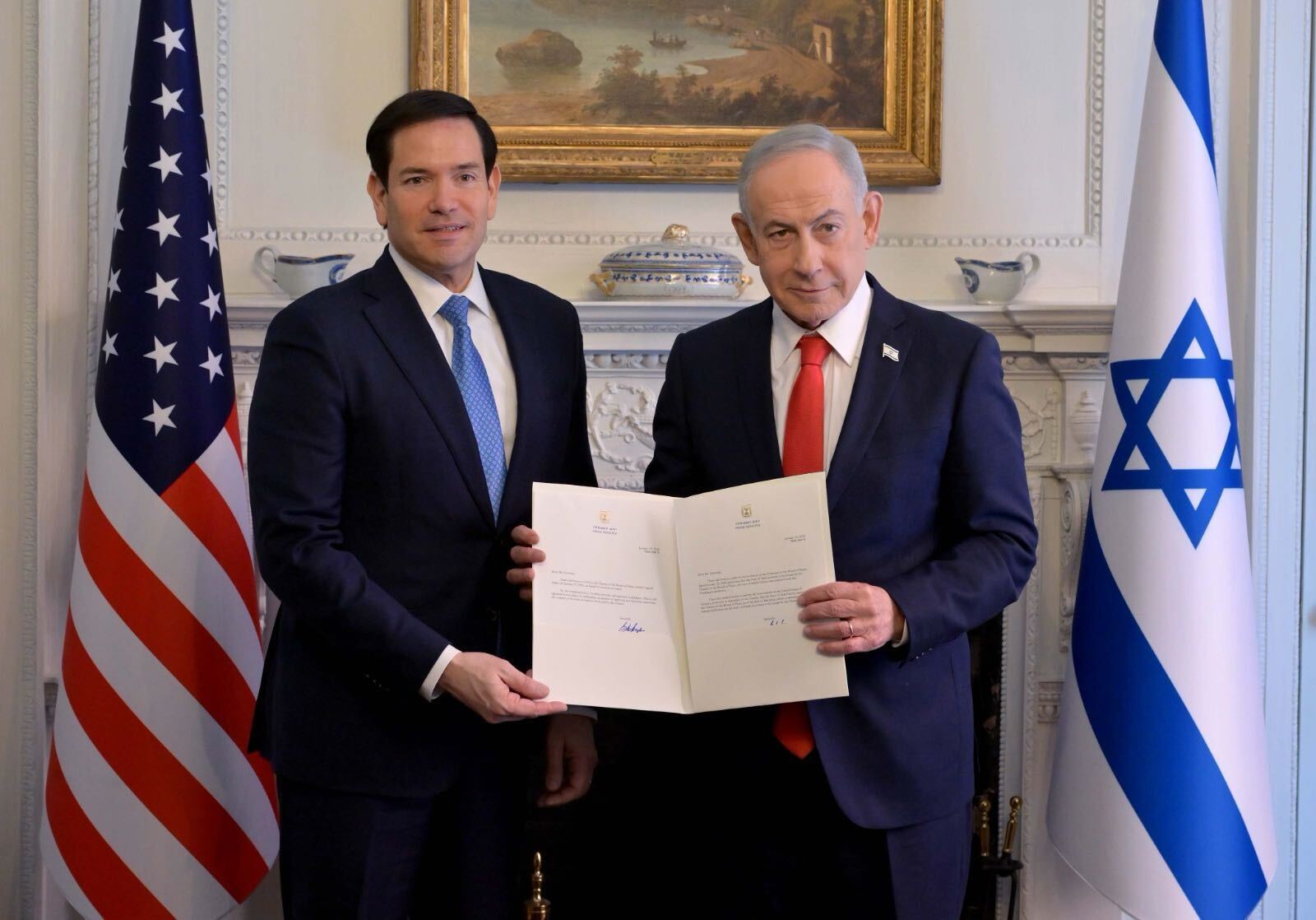
Netanyahu reciprocated, telling reporters after the meeting that he was gifting Trump the country’s Israel Prize, which he said has historically been reserved for Israelis.

NEXT STEPS IN GAZA CEASEFIRE PLAN

Trump’s plan to end the Gaza war ultimately calls for Israel to withdraw from the Palestinian territory and Hamas to give up its weapons and forgo a governing role.

The first phase of the ceasefire included a partial Israeli withdrawal, an increase in aid and the exchange of Israeli hostages kidnapped by Hamas for Palestinian detainees and prisoners.

An Israeli official in Netanyahu’s circle said that the prime minister would demand that the first phase of the ceasefire be completed by Hamas returning the remains of the last Israeli hostage left in Gaza, before moving ahead to the next stages. The family of the deceased hostage, Ran Gvili, joined the prime minister’s visiting entourage.

Israel has yet to open the Rafah crossing between Gaza and Egypt, also a condition of Trump’s plan, saying it will only do so once Gvili’s remains are returned.

Trump said that he and Netanyahu did not agree fully on the issue of the West Bank but the Republican leader did not lay out what the disagreement was.

TURKEY, SYRIA ALSO DISCUSSED

Before the meeting, Trump told reporters he would talk to Netanyahu about the possibility of stationing Turkish peacekeepers in Gaza. That is a fraught subject – while Trump has frequently praised Turkish President Tayyip Erdogan, Israel and Turkey have a much more circumspect relationship.

While the fighting in Gaza has abated, it has not stopped entirely. Although the ceasefire officially began in October, Israeli strikes have killed more than 400 Palestinians — according to Hamas-controlled Gaza health officials — and Palestinian terrorists have killed three Israeli soldiers.

Netanyahu said on Monday that Israel was keen to ensure a peaceful border with Syria, and Trump said he was sure Israel would get along with President Ahmed al-Sharaa, who took power after longtime strongman Bashar al-Assad was deposed last year.

But Israel has been suspicious of the new leader, who was once a member of al-Qaeda, going so far as to bomb government buildings in Damascus this July.