
Announcement comes after Hezbollah reportedly rejected new US de-escalation offer; UN Security Council set to discuss expanded IDF ground op ahead of more peace talks between countries
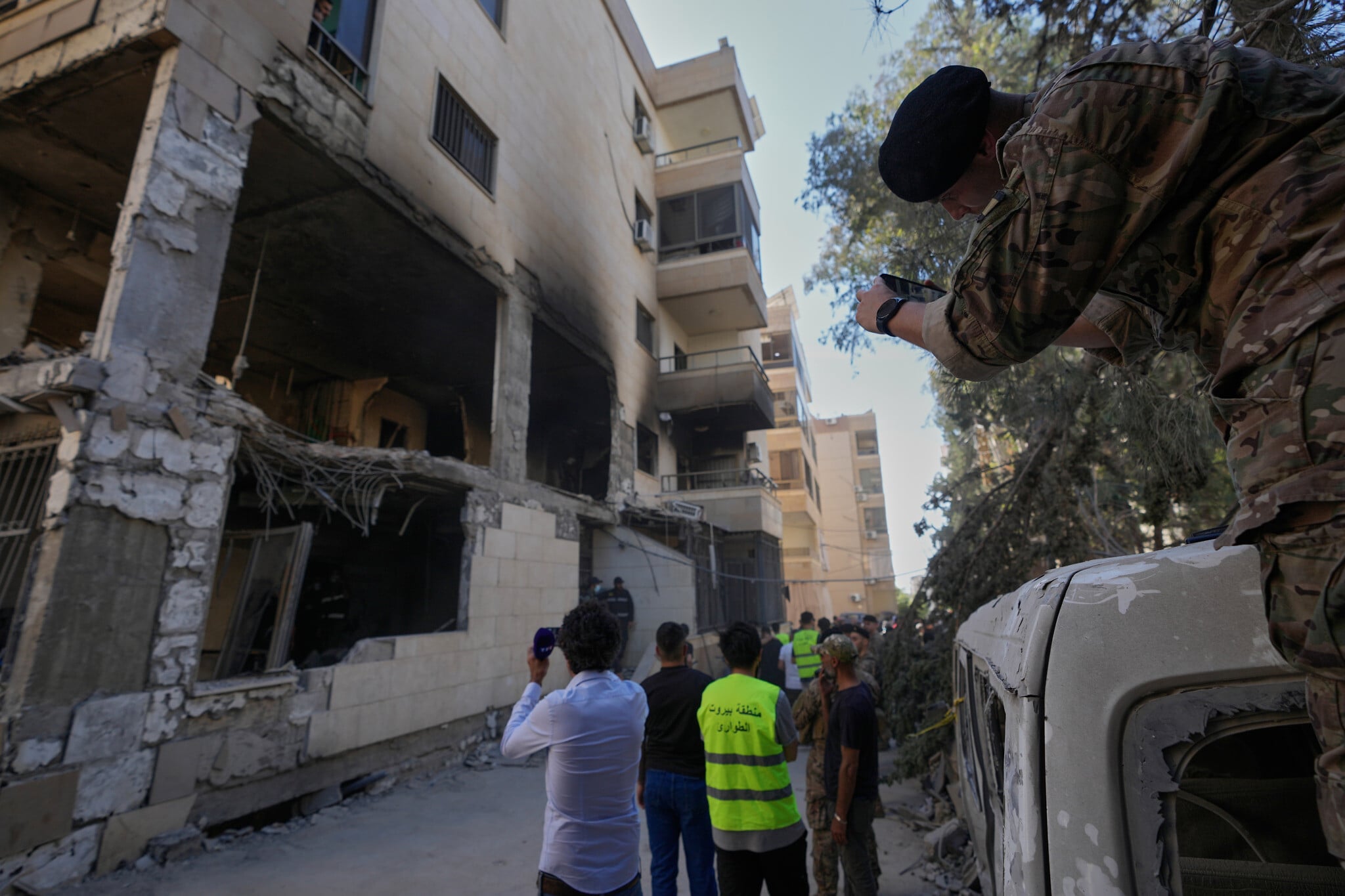
Israel announced Monday morning that it would renew strikes on Hezbollah’s stronghold in southern Beirut, after significantly curtailing attacks on the Lebanese capital for weeks at the request of US President Donald Trump’s administration.
Prime Minister Benjamin Netanyahu and Defense Minister Israel Katz said in a joint statement that they had instructed the Israel Defense Forces to strike Hezbollah targets in Beirut’s southern suburbs.
“Following the repeated violations of the ceasefire in Lebanon by the Hezbollah terror organization and the attacks against our cities and citizens, Prime Minister Benjamin Netanyahu and Defense Minister Israel Katz instructed the IDF to strike terror targets in the Dahiyeh quarter of Beirut,” they said in a joint statement.
Following the announcement, Arab media outlets published footage showing Lebanese civilians leaving Dahiyeh .The footage shows heavy traffic jams on roads leading out of the neighborhood.
Reports had earlier said Israel was lobbying the US to grant permission to resume massive strikes on the terror group’s stronghold, and that an American official had hinted that such a green light could be coming. Israel has been striking Beirut, but only sporadically and in specific circumstances.
Reports also said Monday morning that Hezbollah has rejected a new US proposal for de-escalation in Lebanon that would have required the terror group to halt fire first, followed by Israel.
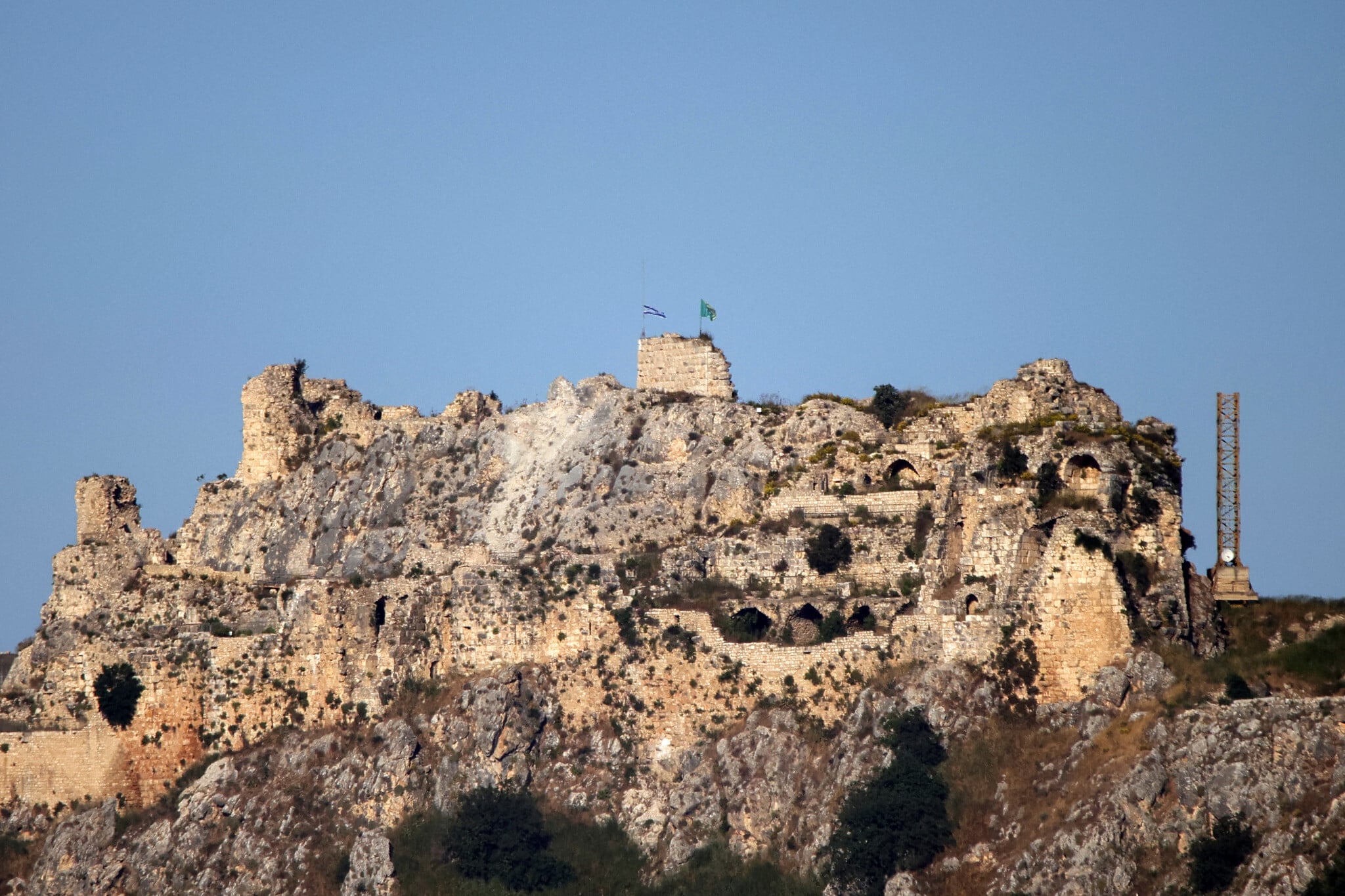
Israel has steadily expanded its ground offensive by capturing more areas in southern Lebanon, including the iconic Beaufort Castle, amid constant Hezbollah drone and rocket attacks on northern Israel and on IDF troops in Lebanon.
The escalation comes as a ceasefire announced in April has largely evaporated, and during landmark direct talks between Israel and the Lebanese government for a potential peace deal, which were set to continue this week.
Netanyahu held a high-level security consultation Sunday evening, an Israeli official told The Times of Israel.
The meeting came amid the Israeli efforts to get Washington to back strikes against the terror group in Beirut, Channel 12 reported Sunday evening, adding that a similar discussion was held Saturday night.
Netanyahu spoke by phone Saturday with US Secretary of State Marco Rubio, seeking to convince him and other senior officials in US President Donald Trump’s administration that Israel cannot grant Hezbollah effective immunity in Beirut, even if targeted assassinations there remain permissible, the report continued.
The IDF has presented the political leadership with a series of operational plans in recent days, including ones in Beirut that would require civilian evacuations, Channel 12 reported, adding that Netanyahu had acknowledged in closed-door meetings that Israel cannot operate as freely as it would like because of American restrictions.
“The Americans are showing greater openness, but there is still no final approval — at least for now,” an Israeli official told the network.
Judging by Netanyahu’s and Katz’s Monday morning statement, such approval has now apparently been granted.
A US official had earlier hinted the green light could be coming, telling multiple media outlets in a briefing late Sunday that the US “does not expect Israel to absorb ongoing attacks on its civilians by a terrorist organization.”
Iran pressuring Hezbollah to escalate
The official said that Rubio had spoken with both Netanyahu and Lebanese President Joseph Aoun on the diplomatic negotiations between Israel and Lebanon and proposed a plan to allow for “gradual de-escalation.”
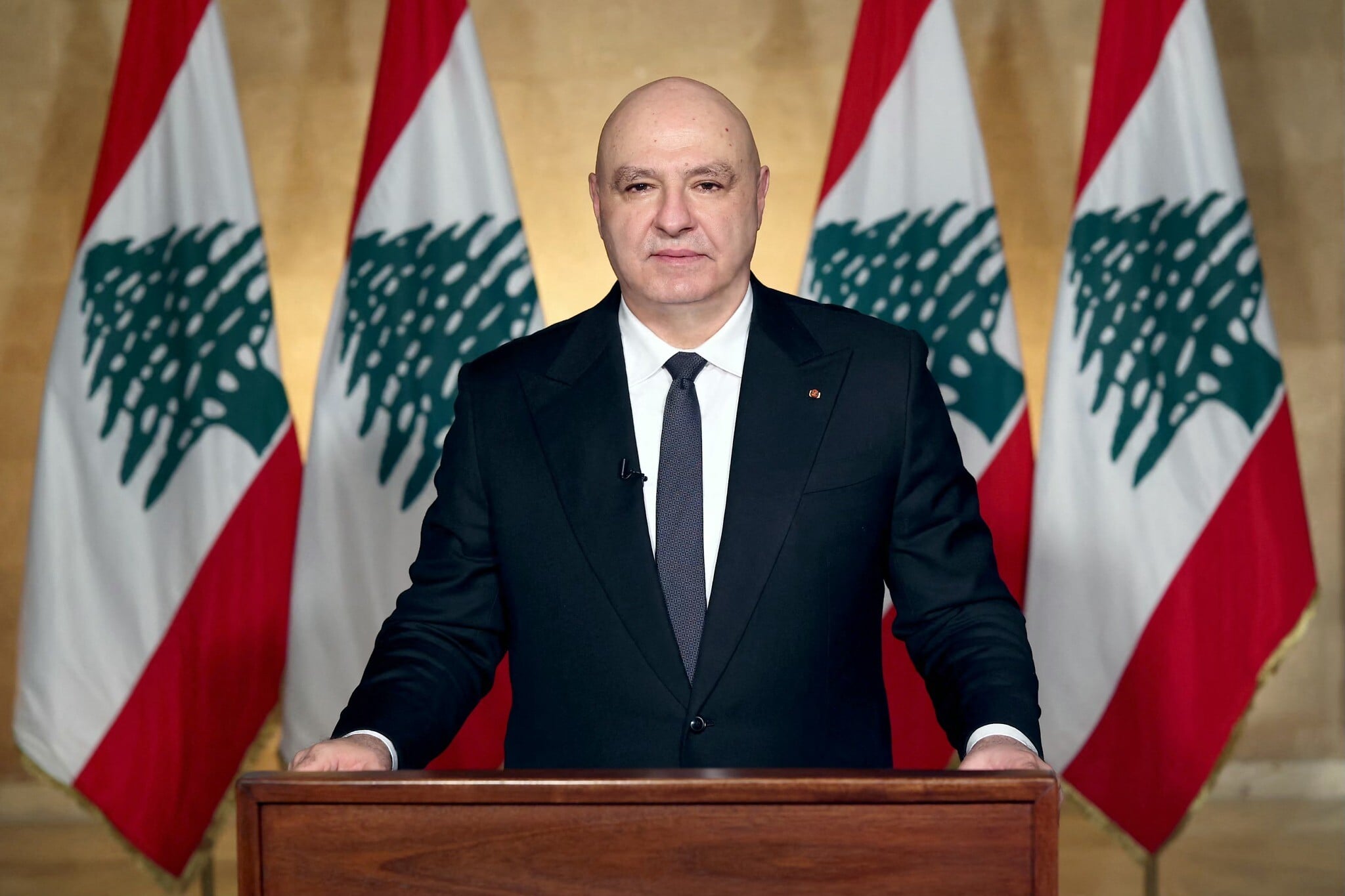
The Axios news site additionally quoted a Lebanese official as confirming Rubio talked to Aoun about the proposal.
“To advance those talks, the United States proposed a clear sequence: Hezbollah must stop all attacks on Israel. In return, Israel would refrain from escalation in Beirut,” the US official said.
“This would create space for gradual de-escalation and an effective cessation of hostilities,” according to the official.
They added that Aoun tried to advance the proposal and secure an agreement. However, Lebanese Parliament Speaker Nabih Berri, a Hezbollah ally who claimed to “guarantee” the terror group’s commitment to a ceasefire, placed the burden on Israel to stop shooting “first” — a response described by the US official as “evasive and disappointing.”
“Hezbollah is following Tehran’s lead. It clearly has no interest in the welfare of the Lebanese people,” the US official said. “The fastest way to de-escalate and protect civilians on all sides is for Hezbollah to stop firing immediately.”
Axios quoted a senior Lebanese official as claiming neither Hezbollah nor Israel is interested in a ceasefire, accusing the US of not pressuring Israel enough to avoid an escalation, and arguing that Iran has been encouraging Hezbollah to escalate to gain leverage in US-Iran negotiations.
The developments come as more meetings between Israel and Lebanon, which never had diplomatic relations and have formally been in a state of war since 1948, are scheduled to take place on Tuesday and Wednesday in Washington.
Aoun said Monday that his country was facing “a vicious and reprehensible Israeli aggression,” condemning the Israeli offensive in a post on X and pledging to “work to end the suffering of the Lebanese people, and people in the south in particular.”
Diplomatic pressure
Diplomatic sources told AFP that the United Nations Security Council would hold an emergency meeting Monday over Israel’s expansion of its offensive in the country, scheduled for 3 p.m. New York time (10 p.m. Israel time).
The meeting was requested by France, whose President Emmanuel Macron said “nothing justifies the major escalation underway in south Lebanon,” calling for an end to fighting.
Other European nations voiced similar sentiment.
German Foreign Minister Johann Wadephul said in a statement that “the Israeli army’s advance further into southern Lebanon is cause for serious concern,” adding: “Any further escalation will exacerbate the already tense situation and trigger new waves of displacement within Lebanon.”
British Foreign Minister Yvette Cooper called on Israel and Hezbollah to respect the ceasefire, arguing that Israel’s advance deeper into southern Lebanon “must end” and saying it has “killed and displaced civilians, destroyed infrastructure, and eroded space for diplomacy.”
Hezbollah, Cooper said, “must end attacks on Israel and disarm.”
Israel’s envoy to the UN Danny Danon criticized the upcoming Security Council meeting, saying in a statement that “the real discussion in the Security Council should be about the ongoing failure to implement UN Security Council Resolution 1701,” which ended the last Israel-Hezbollah war in 2006 and required that the Iran-backed terror group disarm and retreat north of the Litani River.
Israeli officials have repeatedly accused Lebanon and the UN’s UNIFIL mission of failing to implement the resolution.
“For years, Hezbollah has flagrantly violated UN resolutions, armed itself under Iran’s patronage, and posed a direct threat to Israeli civilians and to regional stability… Israel will continue to act against any threat to its citizens,” Danon said.