
Iran is reportedly preparing a convoy of more than 14 oil tankers to challenge the US naval blockade, as media outlets close to the IRGC threaten attacks on Gulf energy infrastructure.
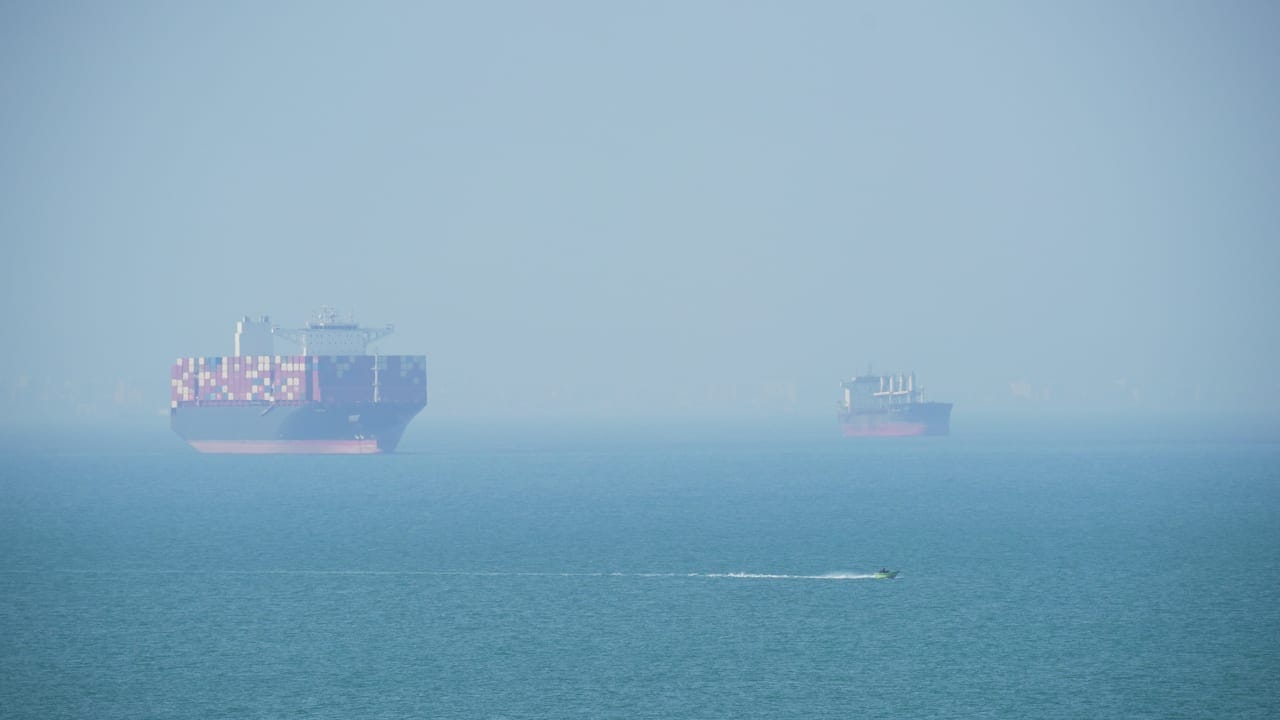
TankerTrackers, a company that monitors oil tankers using satellite imagery, said its data suggested Iran was preparing to resume oil exports.

“If it leaves the blockade area, this will be the first successful seaborne export of Iranian crude oil since mid-July,” he said.
Madani did not identify the tanker but said it was not subject to US Treasury Department sanctions.
The report described it as the first ship-to-ship oil transfer identified since the blockade was reinstated.
Iranian media propose sending tanker convoy through US blockade
“To break the naval blockade, Iran can move a group of tankers that will break through,” the column stated.
Under the proposal, Tehran would warn that any US military attempt to attack or detain the tankers would trigger immediate Iranian strikes against regional energy infrastructure, particularly oil facilities in the United Arab Emirates.
Iranian media outlets have begun referring to the proposal as the “Fereydun Plan,” named after a scene from the Shahnameh, the Persian epic.
Iranian politicians have also called for a more assertive response to the blockade.
Iranian parliament member Mohammad Bayat said on Friday that Tehran needed to abandon its passive approach amid a situation of “neither war nor peace.”
“We must take clear and decisive positions and issue an ultimatum to the countries of the region and the American side in order to create the conditions for breaking the blockade,” he said.
IRGC spokesman Hossein Mohabbati also dismissed the possibility of Washington achieving the comprehensive economic blockade it was seeking.
He warned that if Iranian vessels were attacked, “We will strike harder.”
US expands enforcement measures against Iranian oil shipments
Washington has tightened enforcement of its naval blockade amid reports that Tehran is preparing to resume oil exports.
Under a new directive issued by US Central Command (CENTCOM), vessels receiving cargo through ship-to-ship transfers from vessels subject to the blockade could be considered to be attempting to evade US restrictions, even if they have never entered Iranian waters.
Such vessels “may be stopped, inspected, diverted or seized,” the directive says, which also warns that failure to comply could result in enforcement measures involving the use of force.
The United States reinstated the blockade on July 14.
Since then, US forces have disabled several tankers attempting to reach Kharg Island by firing Hellfire missiles into their engine rooms.
Before the war began in February, Iran exported approximately 1.5 million to 2 million barrels of crude oil per day, with China purchasing most of those shipments.
Iranian Foreign Minister Abbas Araghchi said reopening the Strait of Hormuz would not be difficult if Washington agreed to Tehran’s conditions, according to a Saturday report by Tasnim News Agency.
“Reopening the Strait of Hormuz is not difficult, and it is enough for the US to accept reasonable conditions in accordance with Iran’s international law,” Araghchi said.
Iranian Deputy Foreign Minister Kazem Gharibabadi reaffirmed Araghchi’s position after talks with a Qatari delegation in Tehran on Saturday, calling the US economic blockade an act of war and warning that Iran would take all necessary measures to break it.
“We consider the economic blockade (imposed by the American terrorist army) to be an act of war, and we will take any action necessary to break the economic blockade,” Gharibabadi told reporters.
