
At closed-door meeting last week, military intelligence reportedly cautioned strikes might set off wider regional conflict involving Lebanon, Syria and Gaza; Trump says he’ll try diplomacy till year’s end
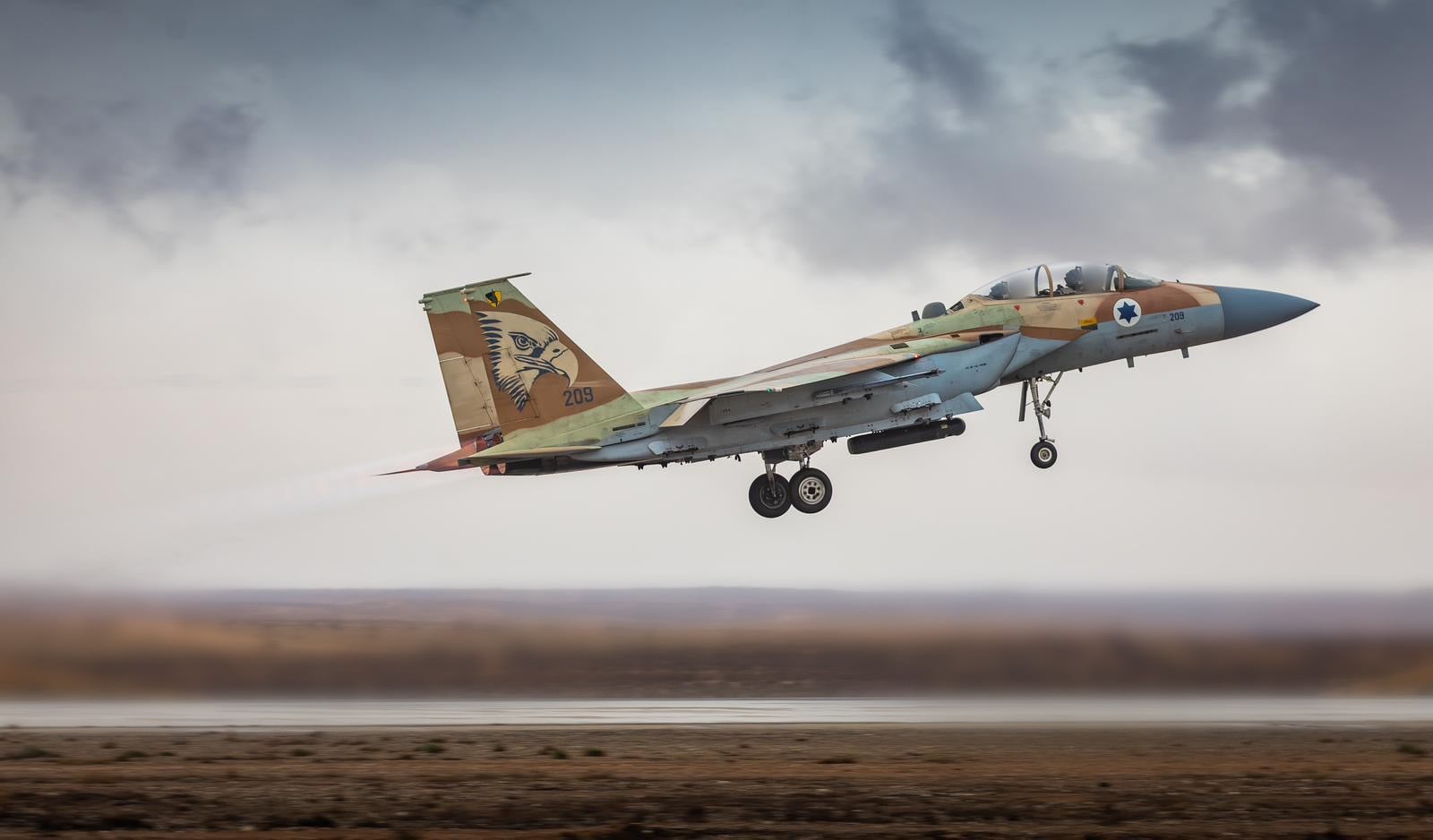
IDF Military Intelligence officials warned Prime Minister Benjamin Netanyahu last week that an Israeli attack on Iran, which Netanyahu is reportedly contemplating, could trigger a wider regional conflict involving Lebanon, Syria and Gaza, Channel 12 reported Sunday.
According to the Hebrew network, the warning was delivered during a closed-door meeting attended by Netanyahu and senior defense officials, amid intensive discussions in recent weeks over Israel’s military options against the Islamic Republic.
Military Intelligence reportedly assessed that an Israeli strike could ignite “multiple fronts,” contradicting ostensible expectations of Netanyahu and Mossad chief Roman Gofman that an operation could remain limited to three to five days.
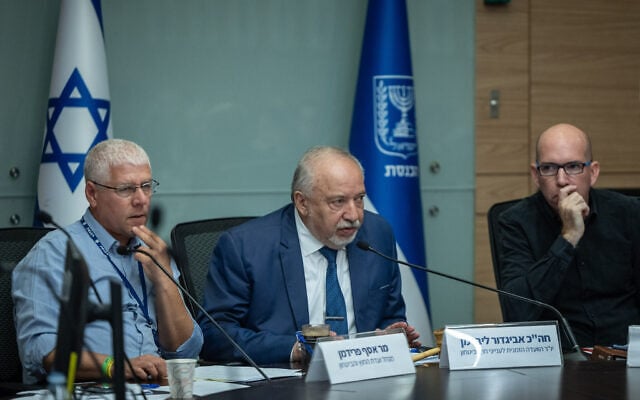
Channel 12 also reported that opposition politician Avigdor Liberman’s recent warning against attacking Iran stems from concerns that Netanyahu is considering a unilateral strike without American involvement or approval.
The IDF declined to comment to Channel 12 on remarks made during closed-door meetings.
Separately, the Kan public broadcaster cited an unnamed source as saying that Netanyahu is pressing Trump to strike Iran “as soon as possible,” adding that the president has yet to make a decision and is reluctant to launch an offensive.
Trump on Sunday told Fox News that he is inclined to launch another offensive against Iran if a deal is not reached by the new year.
Fox News, which did not provide the full transcript of Trump’s remarks in the phone interview, reported that Trump also said Iran is not showing signs that it is interested in reaching a deal that he could accept.
The US president accused Iran of delaying in reaching a deal, while at the same time acting more aggressively — an apparent reference to drone attacks on US bases in Kuwait and Bahrain over the past few days.
“They’re more aggressive now than before the [midterm] election,” he said. “They talk all the time, all they do is talk, but it’s all bullshit.”
Trump made a similar assessment last Friday, when he said that Iran wants a deal, but that the conditions it is demanding are “unacceptable.”
There has been renewed speculation about another US-Israeli offensive against Iran, with the US president weighing whether to resume major strikes while facing political fallout at home from the nearly nine-month conflict.
Iran’s electricity blackouts
Iran has started imposing rolling power cuts across the country in a move announced by Iranian President Masoud Pezeshkian, as damage to key infrastructure deepens an already severe energy crunch, state media reported.
To promote the cuts, Pezeshkian invited state media to his office to show him working in the dark and without heating.
In a Persian-language video, the Iranian president told a reporter that “people, and we in government, must do something so the [electricity] production cycle doesn’t stop.”
He told the reporter that if conditions “get really bad,” he will move all his staff to a smaller space to further save on electricity.
“Given the country’s fuel supply conditions, the electricity sector will be forced to impose distribution restrictions from Sunday,” Mohammad Allahdad, head of Iran’s national electricity company, told state TV on Saturday.
The outages are expected to last around two hours every two days, or up to two hours a day, depending on the area, he said.
Iran has introduced similar measures in recent years due to fuel shortages at power plants.
Pezeshkian has said US and Israeli strikes on Iran’s energy infrastructure made energy problems worse ahead of winter.
“The attack on the country’s gas infrastructure has aggravated the situation, and we should therefore expect difficulties this winter,” he was quoted as saying by the ISNA news agency.
Its aging power grid has also suffered from years of underinvestment, partly due to decades of Western sanctions.
Repeated blackouts have sparked public frustration, forcing authorities to shut public offices and scale back services during periods of extreme weather and fuel shortages.