Britain summons envoy to protest E1 settlement project, as does Australia for IDF decision to end investigation of aid workers’ killing, while Europeans condemn Ben Gvir’s Gaza remarks

By ToI Staff

20 August 2026, 10:41 am
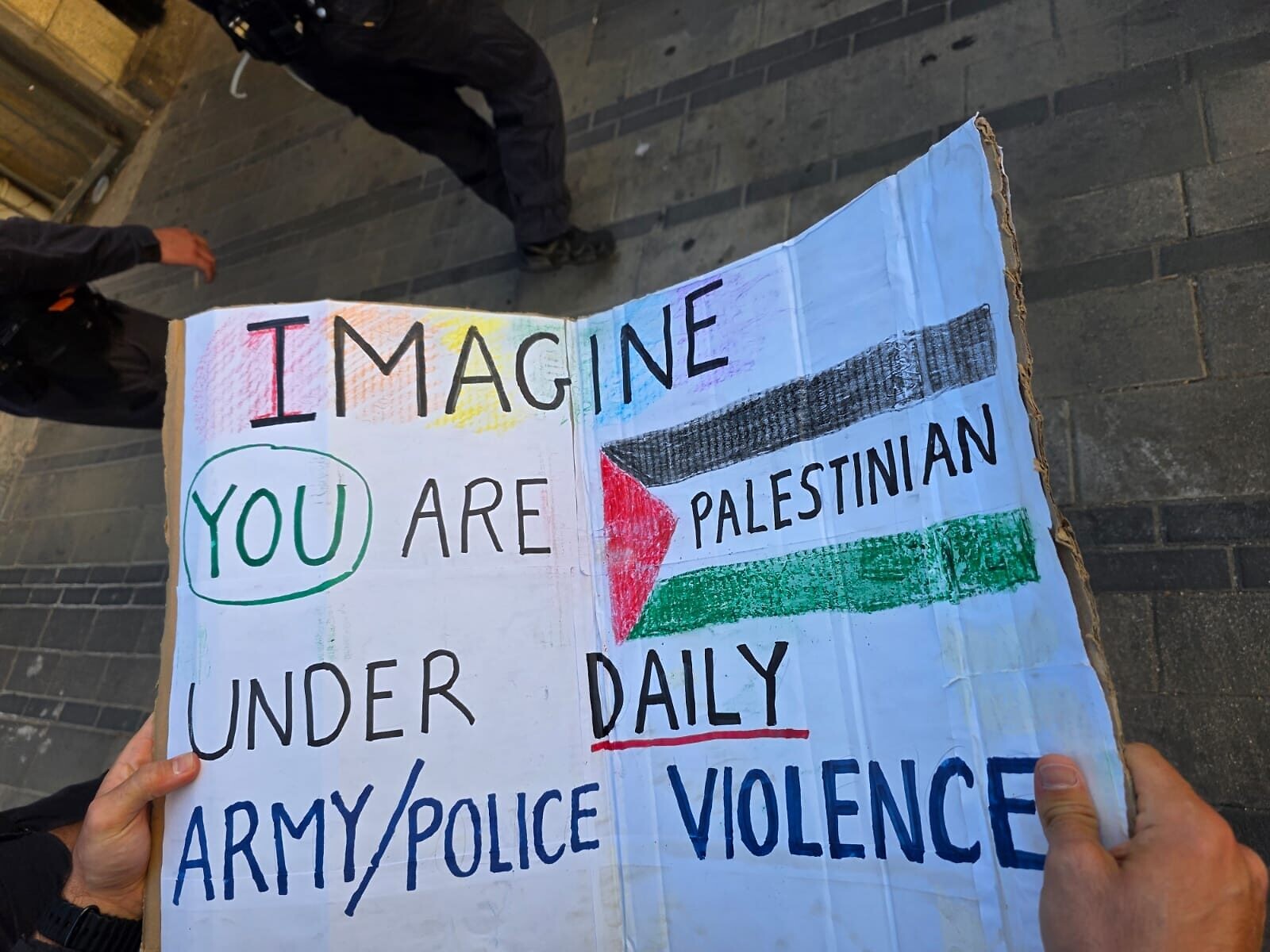
A sign seized by Israeli police after the protester was arrested, June 6, 2026 (Israel Police Spokesperson)

A sign seized by Israeli police after the protester was arrested, June 6, 2026 (Israel Police Spokesperson)

Israel is facing mounting criticism from several Western allies and the United Nations over a controversial West Bank settlement project, the military’s decision not to probe the killing of aid workers in Gaza, and recent incendiary remarks by a far-right minister.

British Foreign Secretary Ed Miliband summoned Israel’s chargé d’affaires on Wednesday over the government’s decision this week to open bidding for the construction of the long-stalled E1 settlement project east of Jerusalem.

The widely condemned plan would carve up land in the West Bank that the Palestinians seek for a state.

Miliband said he told Foreign Minister Gideon Sa’ar that “the Israeli government must halt E1 plans immediately, retract the tender and stop all settlement expansion.”

Israel on Tuesday issued a tender for seven residential compounds containing 1,234 housing units in E1, part of some 3,400 homes approved for the area last year. The project would link Jerusalem and the settlement of Ma’ale Adumim while disrupting Palestinian territorial contiguity between Bethlehem, East Jerusalem and Ramallah.

The project had been frozen for years due to fierce international opposition, including from previous US administrations. Finance Minister Bezalel Smotrich, who championed the plan, said when it was approved last year that it “practically erases the two-state delusion.”
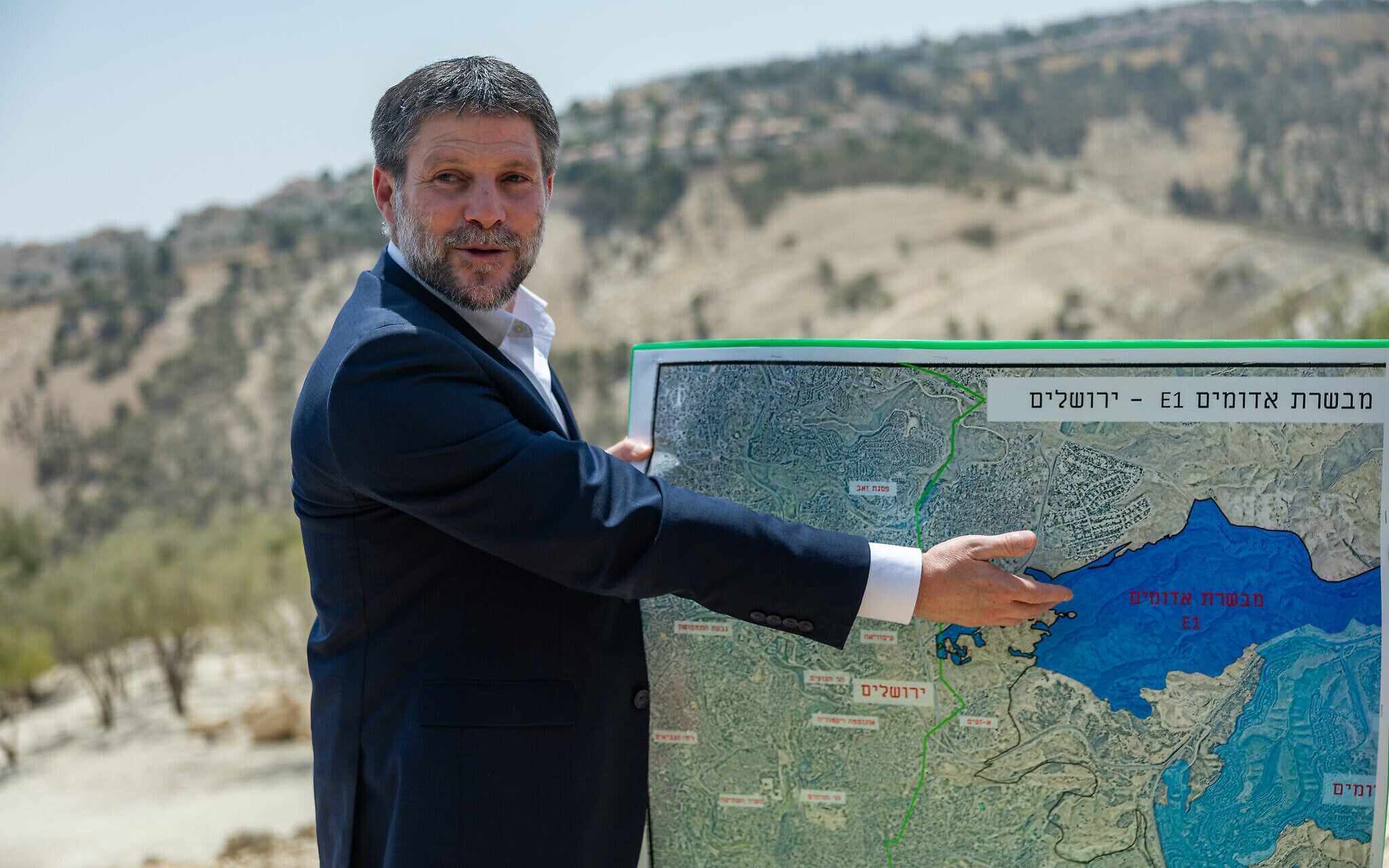
Finance Minister Bezalel Smotrich attends a press conference announcing his plans to approve more than 3,000 housing units in the E1 West Bank settlement project between Jerusalem and Ma’ale Adumim on August 14, 2025. (Yonatan Sindel/Flash90)

Sa’ar hit back at Miliband’s decision to summon the chargé d’affaires on Thursday.

In a lengthy post on X, the foreign minister said he “reject[s] outright” Miliband’s “patronizing” statement, and asserted that “the Jewish people have the right to live throughout the Land of Israel, just as the British have the right to live in London and throughout the United Kingdom.”

“The UK Government’s systematic policy of blaming only Israel while ignoring Palestinian extremism has already contributed to a massive wave of antisemitic hatred and attacks against the British Jewish community,” Sa’ar charged, saying London’s “decision to damage the relationship between our countries is deeply unfortunate.”

Germany also condemned the E1 move, saying it jeopardizes the prospect for a two-state solution.

“Our message is clear: There must be no further steps toward annexation in the West Bank,” said Sebastian Hille, spokesman for the German Chancellor Friedrich Merz. “No formal ones, but also no political, structural, or other measures whose impact is increasingly and obviously leading toward annexation. They run counter to a two-state solution.”

‘Difficult time’ with Australia

The diplomatic friction extended to Canberra, where Foreign Minister Penny Wong met Israeli Ambassador Hillel Newman on Thursday after summoning him over the IDF’s decision not to pursue a criminal investigation into an April 2024 strike in Gaza that killed seven World Central Kitchen workers, including Australian citizen Lalzawmi “Zomi” Frankcom.

Wong acknowledged after the meeting that it was a “difficult time” in Australia’s relationship with Israel.

“We have an Australian humanitarian worker who was killed not on the first strike, but in the context of three separate strikes on a humanitarian convoy,” Wong told reporters in Canberra after meeting Newman.

Wong said Australia was “outraged” by the decision and had been informed only moments before it was made public on Wednesday, leaving officials unable to notify Frankcom’s family in advance.
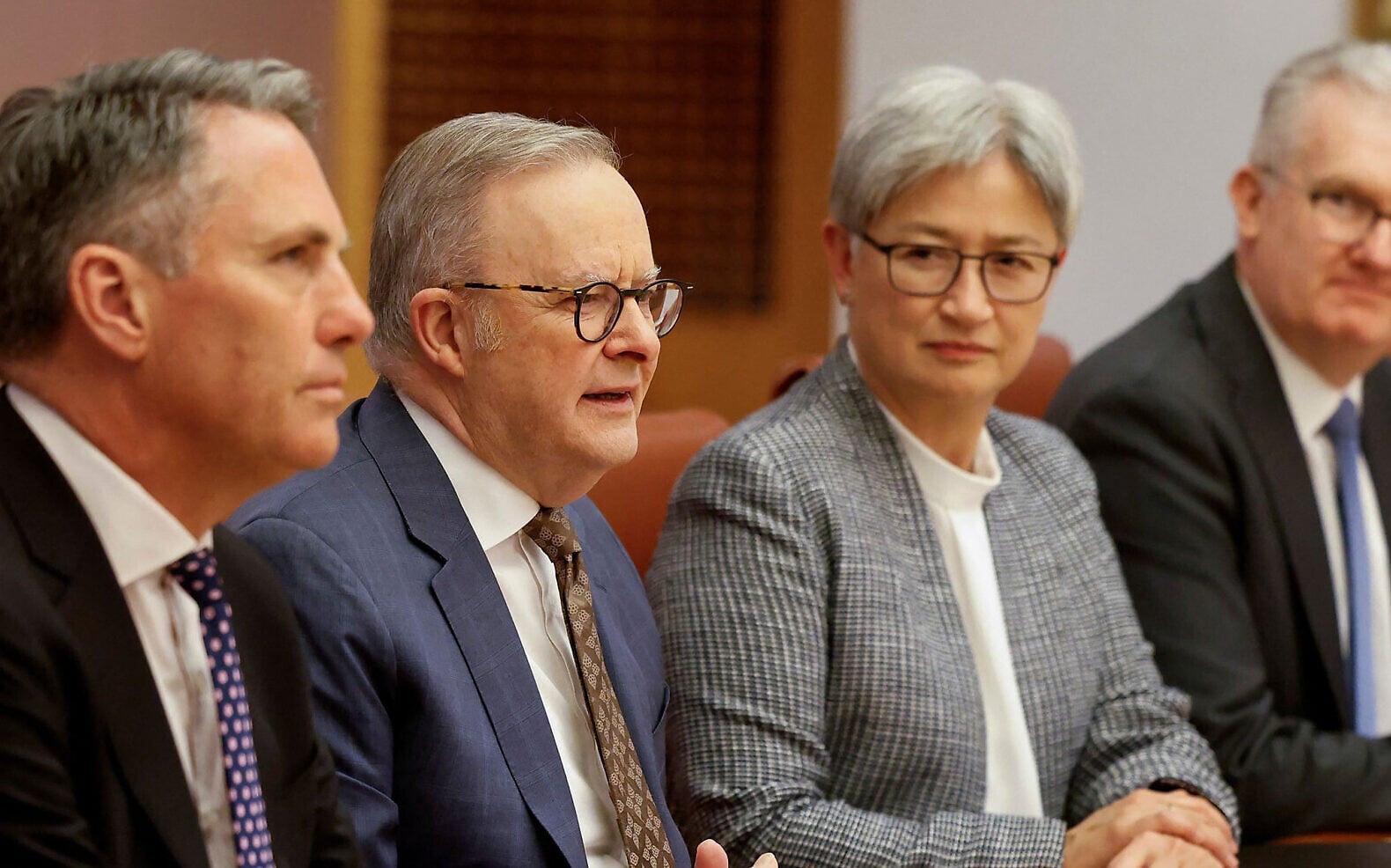
Australia’s Prime Minister Anthony Albanese (C), Defense Minister Richard Marles (center L) and Foreign Minister Penny Wong (center R) at Parliament House in Canberra on August 19, 2026. (Hilary Wardhaugh/POOL/AFP)

She said Canberra still had “many unanswered questions,” including why the convoy was struck three times, and noted that Australia had repeatedly sought but not received drone footage of the attack.

The April 1, 2024, attack came after Israeli forces incorrectly assessed that Hamas operatives were traveling in the World Central Kitchen vehicles. Seven aid workers were killed. An IDF review led to the dismissal of two officers and several other top commanders.

The Military Advocate General’s office said Wednesday that although there had been failures in the assessment that Hamas operatives were in the vehicles, commanders’ decisions did not cross the threshold for criminal conduct given the suspicious signs and operational circumstances. It therefore found no reasonable suspicion warranting a Military Police investigation.

Wong said Australia did not consider the dismissals and reprimands sufficient accountability for the deaths. Newman said after meeting her that he was “very sorry” for Frankcom’s family, but did not apologize for her killing.
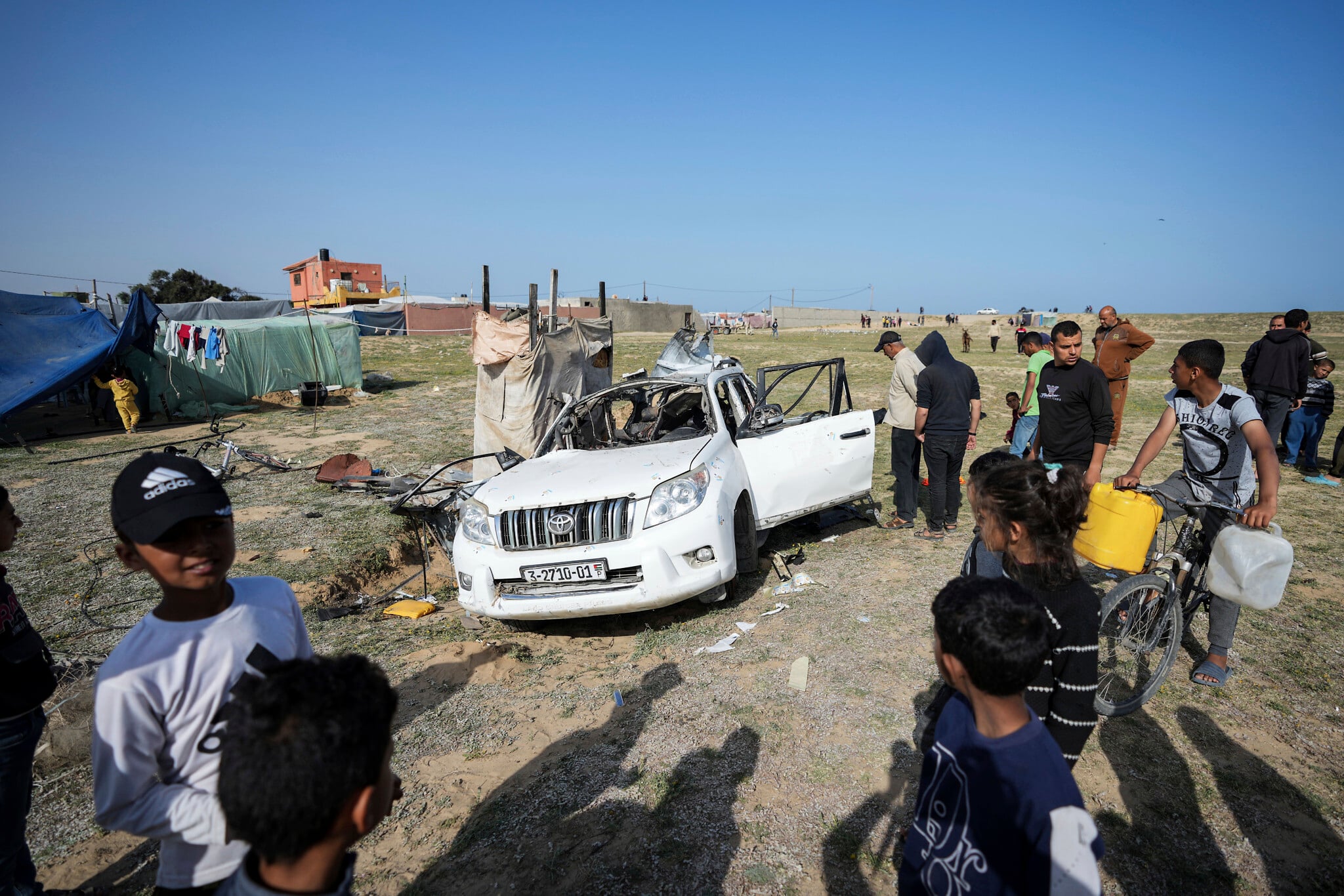
People inspect the site where World Central Kitchen workers were killed in an Israeli air strike in Deir al-Balah, Gaza Strip, Tuesday, April 2, 2024. (AP Photo/Abdel Kareem Hana)

“One cannot attack findings of a court if the findings are not suitable to one’s political agenda,” Israel’s envoy said, adding that the finding of no criminal liability came “after two years of independent research.”

Ben Gvir remarks draw condemnation

Separately, Germany, France and the UN sharply condemned National Security Minister Itamar Ben Gvir over his recent call for Israel to kill scores of people in Gaza every night and his statement that some people there were “not worthy of life.”

Ben Gvir made the remarks in a recent appearance on the podcast of former Palestinian Islamic Jihad hostage Rom Braslavski.

The ultranationalist minister asserted that Israel should be carrying out frequent targeted killings in Gaza, “taking down 30 to 40 every night,” apparently referring to Hamas operatives and other enemies of Israel. He went on to say he did not mean only those posing an immediate threat, adding: “They shouldn’t live” and “They’re not even people.”
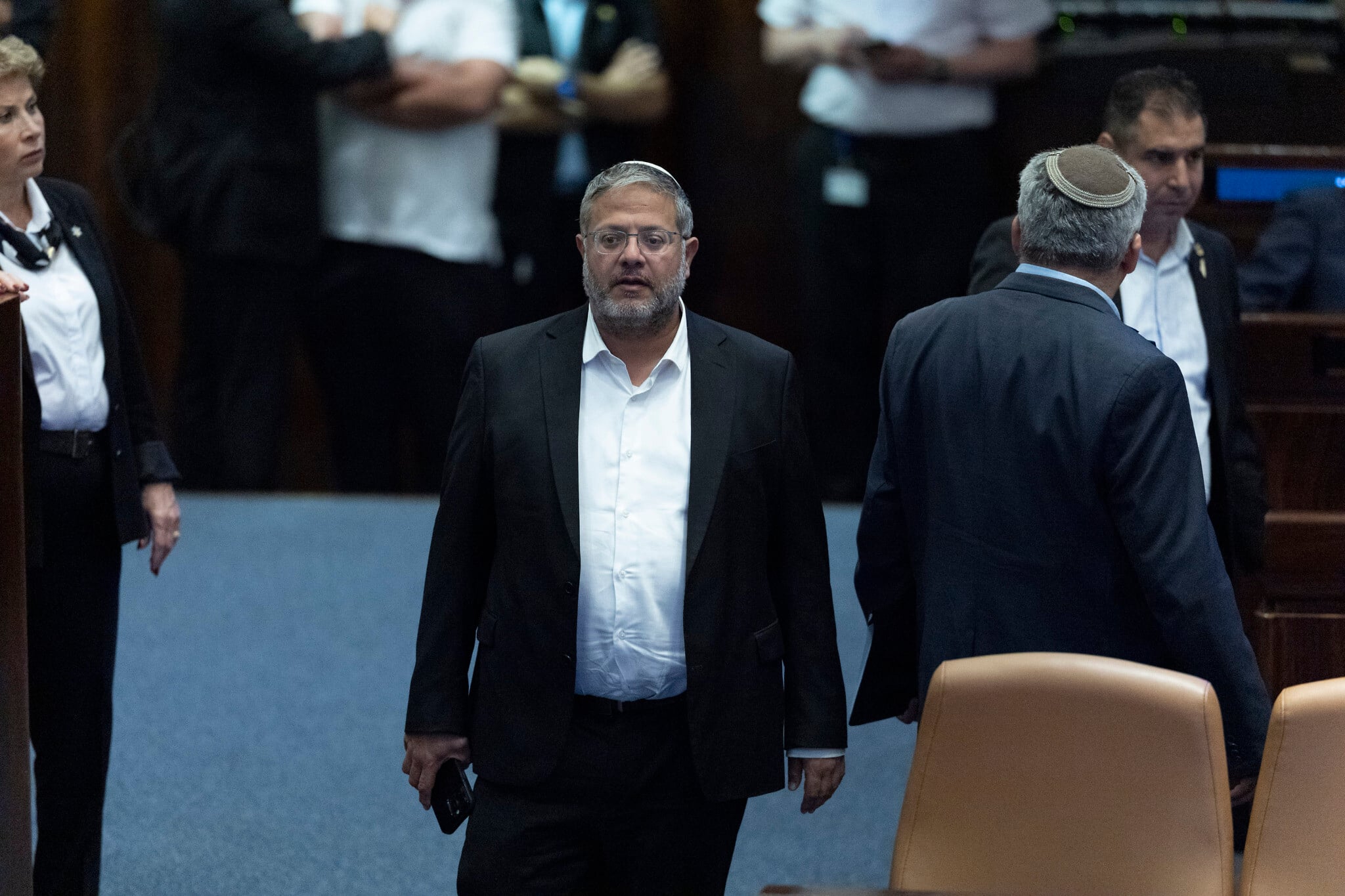
National Security Minister Itamar Ben Gvir attends a vote at the plenum hall of the Knesset in Jerusalem, on July 16, 2026. (Yonatan Sindel/Flash90)

In Germany, Merz condemned what his spokesman called Ben Gvir’s “inhumane appeals,” saying they violated international law and were “unacceptable.”

German Vice Chancellor Lars Klingbeil also said the remarks “must have consequences” and that sanctions against Ben Gvir were again being discussed at the European level.

French Foreign Minister Jean-Noël Barrot echoed Germany’s condemnation, calling the remarks “intolerable and inhumane,” while UN Secretary-General Antonio Guterres described them as “appalling,” “dehumanizing” and “dangerous.”

Several European countries have called for EU-wide sanctions against the far-right lawmaker, but the proposal has failed to win the required unanimity.

Calls to blacklist Ben Gvir grew after he published a video in May of himself mocking bound activists seized by Israeli soldiers on a Gaza-bound aid flotilla.
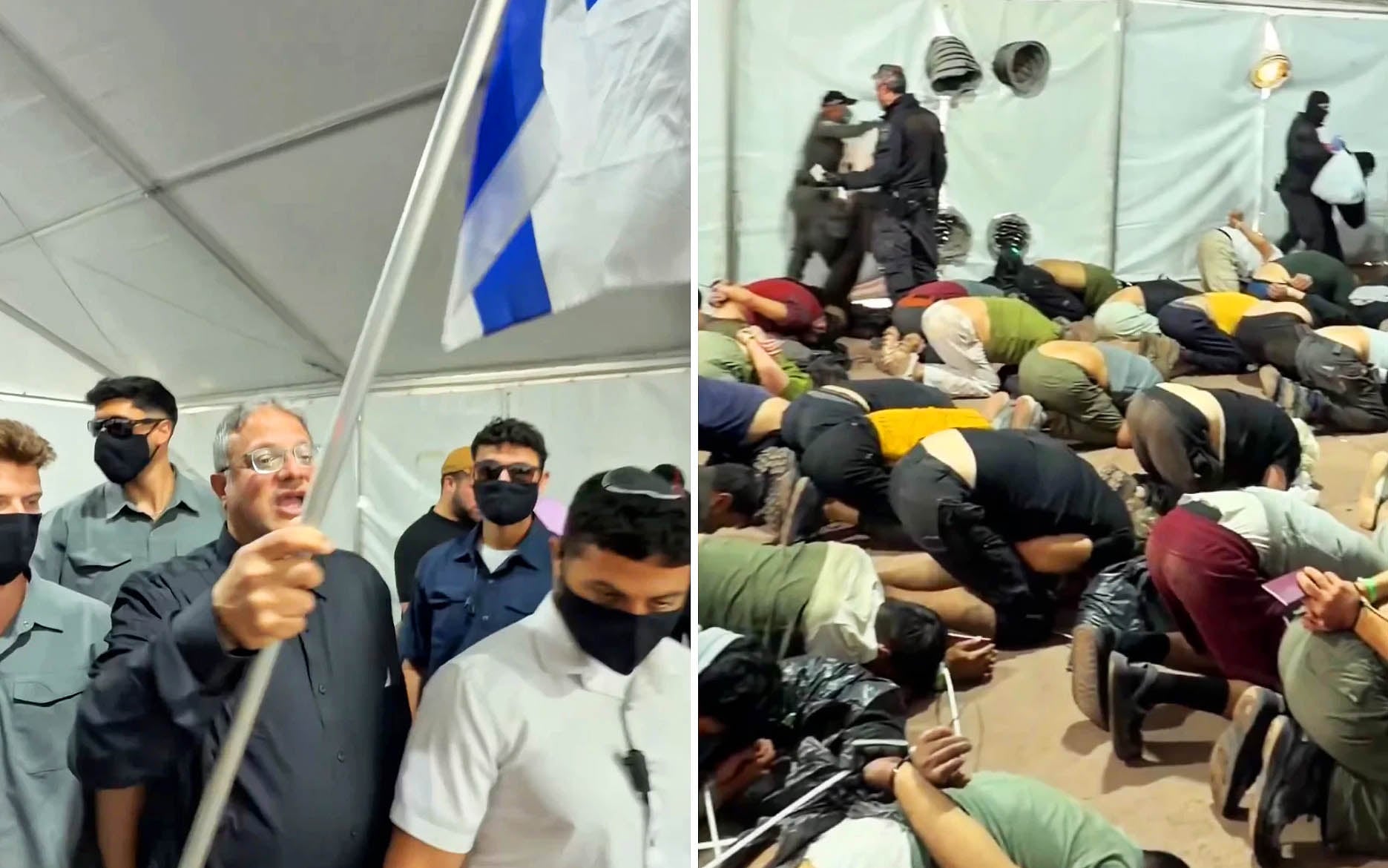
National Security Minister Itamar Ben Gvir taunts detained flotilla activists at Ashdod Port on May 20, 2026. (Screen grab/Ben Gvir’s X account)

France, in response to the May video, banned Ben Gvir from entering the country and called for the EU to impose bloc-wide sanctions.

Britain, Australia, Canada, New Zealand and Norway imposed sanctions on both Ben Gvir and Smotrich in June 2025 over accusations that they had incited extremist violence against Palestinians in the West Bank.
This is a locator map for Syria with its capital, Damascus. (AP Photo)

DAMASCUS, Syria (AP) — Israel struck an air base in northwest Syria early Tuesday, saying it aimed to prevent Turkish troops from deploying there.

Turkey, which has close ties with the Syrian government and has been providing assistance to Syria’s military, has tense relations with Israel. The rival countries have sought to curb each other’s influence in neighboring Syria.

Eight strikes hit the runway of the Abu Duhur air base in the northwestern province of Idlib, causing damage but no casualties, state TV said. Syria’s Foreign Minister Asaad al-Shibani told reporters in Damascus that Syria condemns the “Israeli aggression,” adding that the strikes were “an unjustified provocation, a violation of Syria’s sovereignty, and a direct threat to regional and global stability.”

Israeli Prime Minister Benjamin Netanyahu’s office said in a statement that Israel had attacked the base because Syria had been “on the verge of breaching” an agreed-upon “status quo in security matters” by allowing Turkish troops to deploy there.

“Israel repeatedly warned Syria that such a deployment would pose a threat to Israel’s security. Syria chose to ignore these warnings,” the statement said.

The Foreign Ministry of Turkey condemned the attack in a statement and called for “the international community to take a more decisive stance to end Israel’s escalating aggression against Syria and to ensure accountability for these actions that disregard international law.”

The Britain-based Syrian Observatory for Human Rights, a war monitor, said foreign fighters used to stay at the base before they were recently asked to leave. The Observatory added that Turkey, which is a main backer of Syria’s government, has been rehabilitating the air base that had been out of service for years during Syria’s conflict that left nearly half a million people dead.

Tom Barrack, the U.S. ambassador to Turkey and special envoy to Syria, posted on X that Washington is “deeply concerned that the confirmed Israeli airstrikes” on the Abu Duhur air base constitute “an unnecessary escalation that does not advance regional stability.”

The government of Syria’s Interim President Ahmad al-Sharaa has neither “adopted a predatory posture nor maintained proxy forces” but has repeatedly indicated a preference for de-escalation with Israel, Barrack said.

The United States has in the past hosted, and will continue in the future to host, discussions to encourage diplomacy, Barrack added.

Regional countries including Qatar, Egypt and Saudi Arabia also issued statements condemning the strikes.

Since the fall of Bashar Assad’s government in December 2024 when insurgents marched into his seat of power in Damascus, tensions between Israel and Turkey over Syria have been on the rise.

Israel carried out hundreds of airstrikes around Syria after Assad’s fall, mainly destroying assets of the Syrian army to keep them out of the hands of his successors. The Israeli military also seized control of a U.N.-patrolled buffer zone in southern Syria, which it continues to occupy.

Israeli drone strikes on a southern suburb of Damascus last year killed eight soldiers and wounded others.

The new authorities in Damascus have said they do not want a conflict with Israel, but Israel has remained suspicious of the government led by former Islamist insurgents.

U.S.-mediated talks between Israel and Syria aimed at reaching a security agreement have been ongoing for more than a year but have so far failed to produce a deal.

——

Associated Press writer Suzan Fraser in Ankara contributed.


CNN says US freezing talks, Trump thinks Iran will cave due to economic pressure; Tehran warns EU could be hit if war renews, NATO vows response; UAE cuts economic ties with regime

By ToI Staff and Agencies

19 August 2026, 5:28 pm

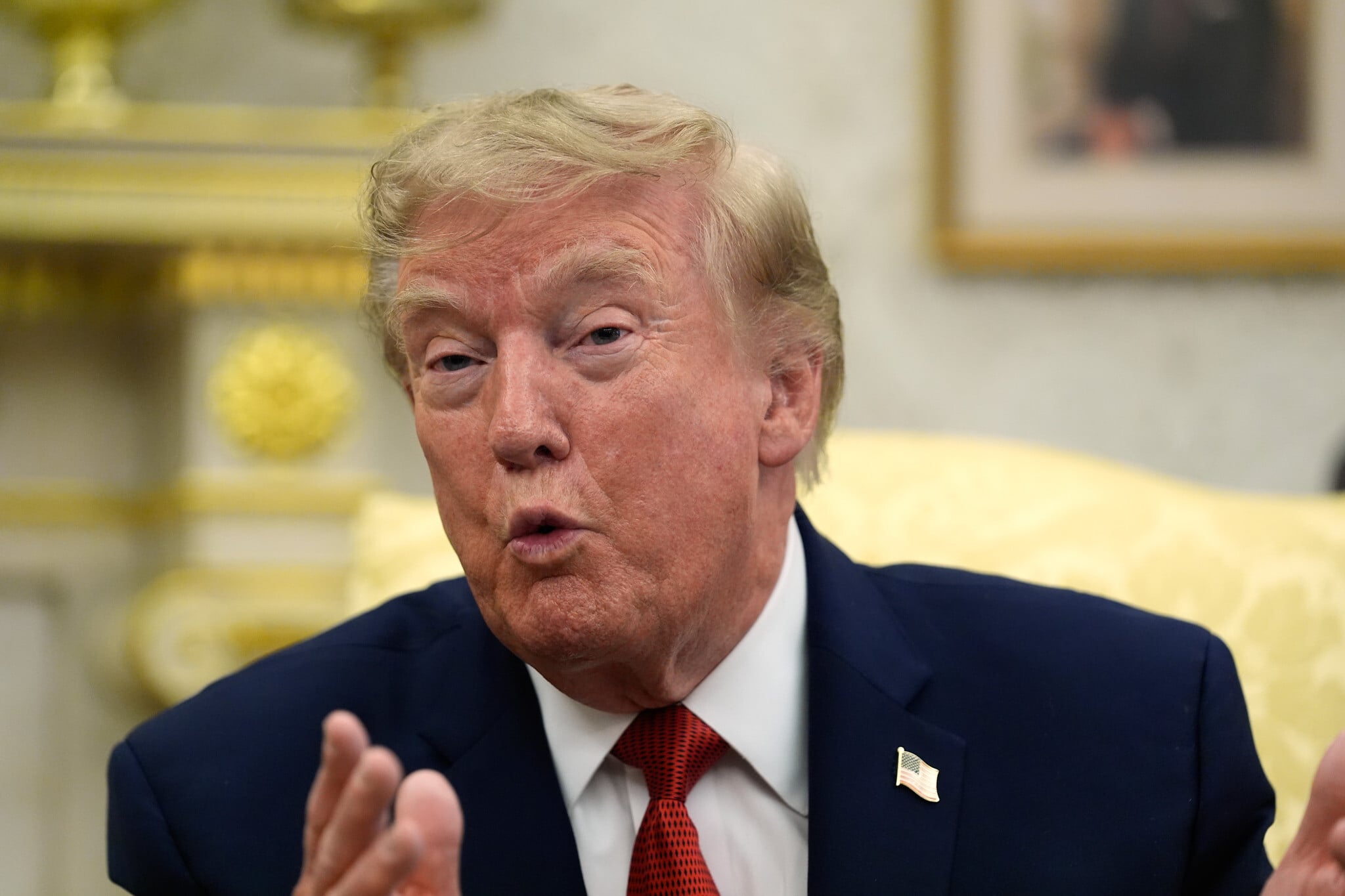
US President Donald Trump speaks in the Oval Office of the White House, August 17, 2026, in Washington. (AP Photo/Manuel Balce Ceneta)

US President Donald Trump speaks in the Oval Office of the White House, August 17, 2026, in Washington. (AP Photo/Manuel Balce Ceneta)

US President Donald Trump has ordered negotiators to cut off talks with Iran indefinitely, halting “positive discussions” with the Islamic Republic, CNN reported Wednesday, citing US officials.

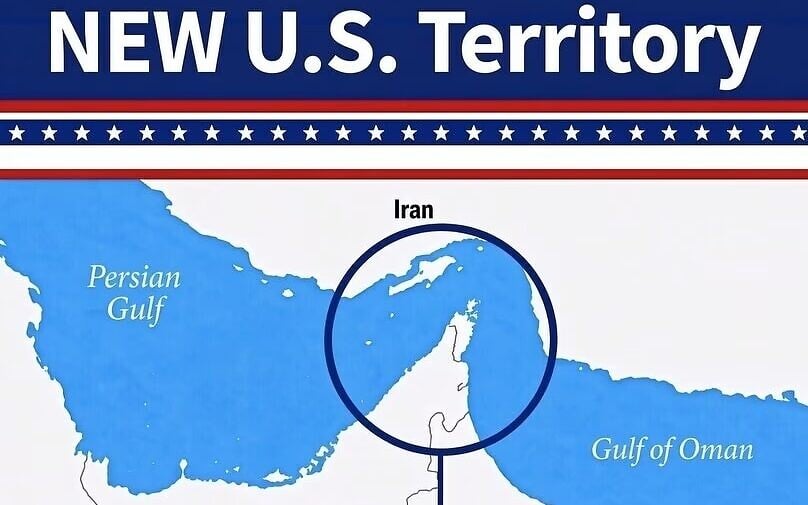
Trump claimed as much on Tuesday, writing on his Truth Social platform: “There are no talks or conversations going on, or scheduled, with the Islamic Republic of Iran.” He also shared an image on social media showing the Strait of Hormuz as a “new US territory,” pressing his threat to claim sovereignty over the vital waterway.

The comments came a day after his son-in-law Jared Kushner, a senior member of the negotiating team, spoke of “robust” conversations between the US and Iran, while acknowledging that Tehran wasn’t yet ready to make a deal that is satisfactory to Washington.

According to the CNN report, Trump has grown increasingly frustrated with Iran’s unwillingness to meet his demands, and has thus decided to shift strategies, cutting off engagement until Tehran shows it is willing to make a deal to his liking.

In talks with allies, administration officials described the shift as going from “’hammer Iran ASAP’ to ‘strangle them’ over time,” CNN reported, noting that the White House believes economic pressure will eventually lead Iran to fold on the Strait of Hormuz and other key issues.

As such, officials cited in the report expect the US to place “crushing” new sanctions on Iran, which it said could come as early as this week. US Defense Secretary Pete Hegseth has also said that he is prepared to enforce the naval blockade on Iran’s ports “indefinitely,” as the US appears to gear up for a long-term pressure campaign in lieu of progress in negotiations.

A map posted by US President Donald Trump, showing the Strait of Hormuz as a “New US Territory,” August 18, 2026. (Via Truth Social)

According to the report, Trump envisions the Strait of Hormuz being managed as it was before the war began, meaning free passage of ships with no tolls or fees paid to Iran or any other parties. However, an emerging framework between Iran and Oman would see service fees or other costs charged to shipping companies who look to transit the Strait, which has sparked ire from Trump, who even threatened to bomb Oman for its involvement in the talks.

Iran has effectively shut down the chokepoint, through which a fifth of the world’s oil transits, in retaliation for the war Trump started along with Israel in late February over Iran’s nuclear program. Iran says it will not reopen the strait until Washington meets a sweeping list of demands including ending the US blockade of Iran’s ports, lifting oil sanctions, freeing up frozen Iranian assets and paying war damages.

Iran ups threats on Gulf, Europe; NATO vows response if attacked

Tehran on Wednesday ratcheted up its threats, telling Gulf countries that assisting the US military would be tantamount to joining American military operations, and is reportedly considering targeting US assets in Europe if conflict renews.

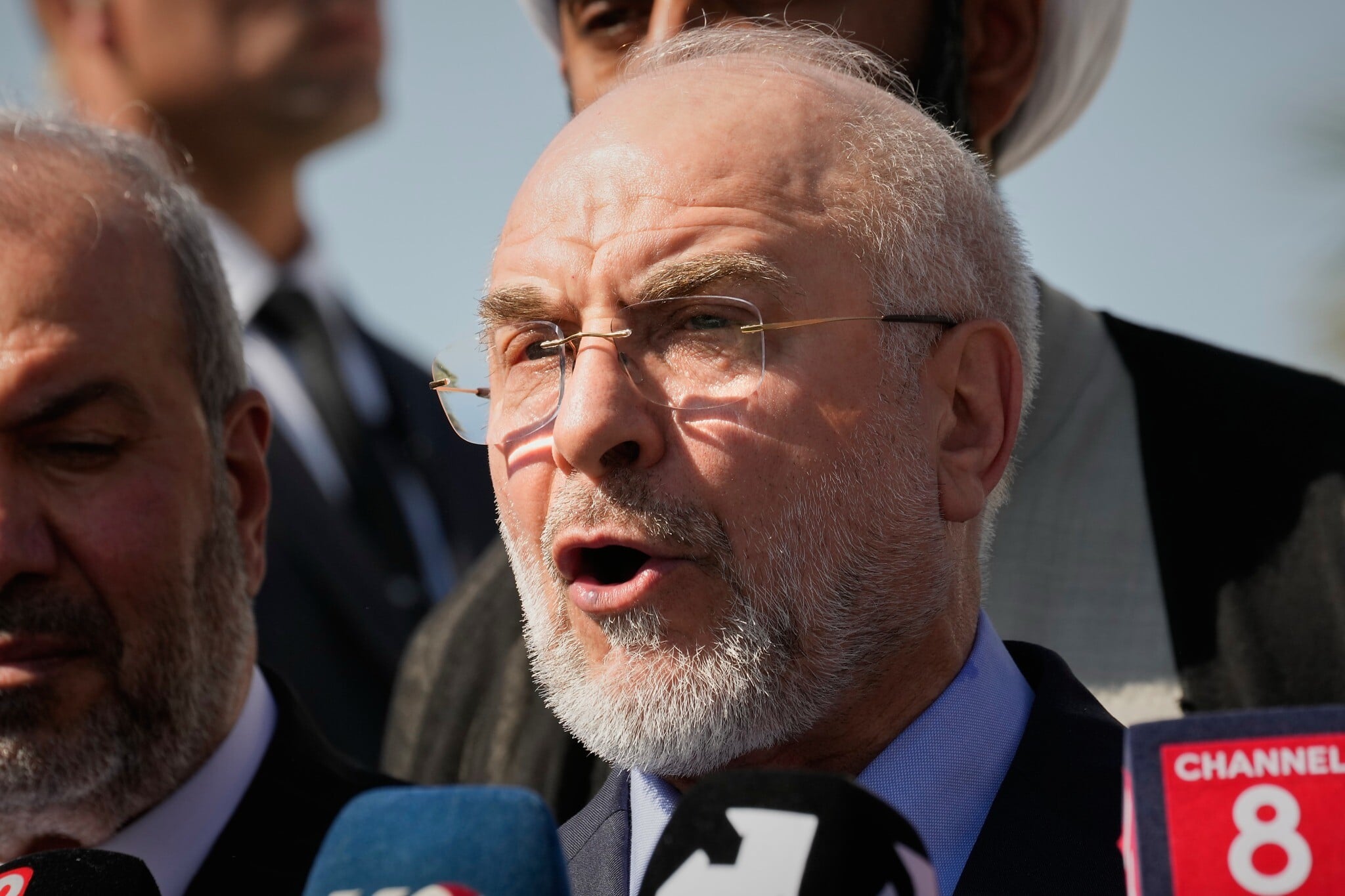
Iranian Parliament Speaker Mohammad Baqer Qalibaf addresses reporters in Baghdad, Iraq, August 19, 2026. (AP Photo/Hadi Mizban)

“We wish to warn that any assistance or facilitation provided to the aggressor US military amounts to participation in the US military operation,” armed forces chief of staff Ali Abdollahi said, according to Iran’s Mehr news agency.

“It seems unlikely that such a large number of military aircraft, particularly refueling aircraft, could be present at regional bases without knowledge of host countries,” Abdollahi said.

“The countries bordering the Persian Gulf, which have issued various statements saying they would not allow the United States to use their territory against Iran should know that we are fully aware of the situation,” he warned.

Iran is also considering targeting US military sites or assets in Europe should fighting flare up again, the Financial Times reported Wednesday, citing regime insiders.

According to the British news outlet, military assets in Bulgaria or Cyprus could be attacked, significantly expanding the reach of the regime’s retaliatory action, which has focused mainly on the Middle East until now. Both countries have military bases that have been available to US troops and equipment.

During the war that broke out on February 28, Iran fired a missile toward the Diego Garcia air base some 4,000 kilometers (2,500 miles) away in the southern Indian Ocean, signaling its ability to fire at nearly anywhere in Europe, though analysts say the increased range would come at the cost of a smaller warhead, minimizing potential damage.

Israeli officials have repeatedly warned of the Iranian threat to Europe.

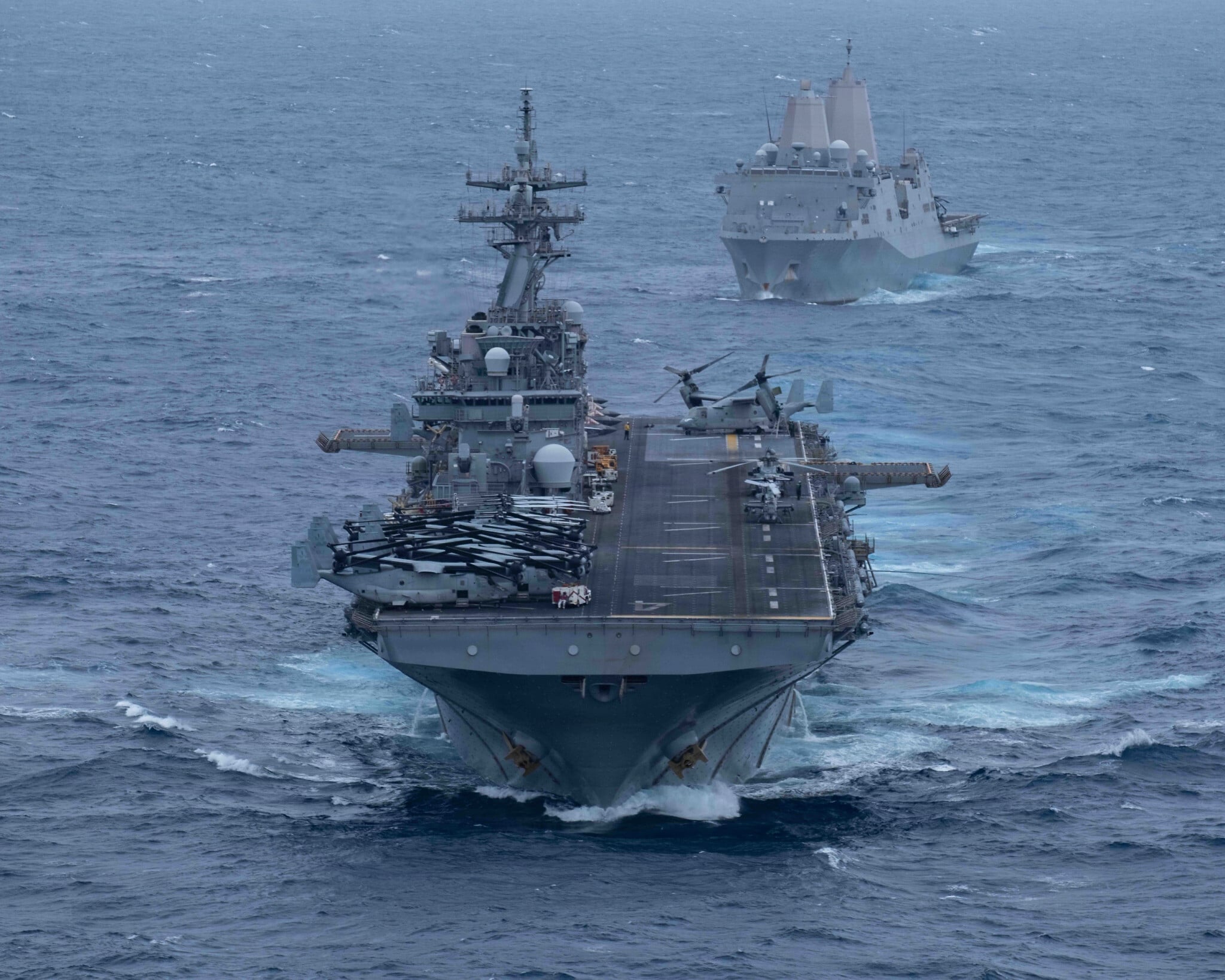
US Navy ships sail in formation in the US Central Command area of responsibility, the Middle East, June 30, 2026. (US Navy photo)

The regime insiders quoted in the report also raised the possibility of damaging fiber-optic cables running under the Strait of Hormuz, which could significantly impair telecommunications.

One was cited saying Iran would have “no limits” on its response should the US attack. “Should the US go too far, Iran will defend itself at any price, go beyond the region and hit Europe too,” they are quoted saying.

The second insider told the paper that threatened US attacks on infrastructure would trigger the wider response, pointing to an attack on Jordan in which three US servicemembers were killed as proof of Tehran’s targeting capabilities.

“This was also a message to Europe: it can receive missiles, so it should know where it should stand in this war,” they were quoted saying. “A very big mistake, such as hitting our infrastructure, could make the war go beyond the region and reach Europe.”

Responding to that report, a NATO official said the alliance is prepared to address any threat and will always do what is necessary to defend all allies,

“As demonstrated earlier this year when NATO air defenses successfully intercepted ballistic missiles heading to Turkey from Iran on four separate occasions, our deterrence and defense posture is strong and effective,” the official said.

UAE suspends financial ties with Iran until further notice

Meanwhile, the United Arab Emirates decided Wednesday to suspend all financial and economic transactions with Iran until further notice, citing a military escalation by Tehran with a missile threat the day before.

The UAE, a close US and Israeli ally and regional power, was the Gulf state most heavily hit by Tehran during the early stages of the Middle East war. However, the last reported attack on UAE soil was the May 4 strike on Fujairah port, a key oil export hub.

The move by the UAE to sever commercial ties came after its defense ministry said that it had detected two ballistic missiles launched from Iran, an incident that marked the first time in months that residents received telephone alerts warning of possible threats.

In a statement, the ministry said the missiles targeted “maritime traffic” based on its assessments. Both missiles fell into the sea, it said.

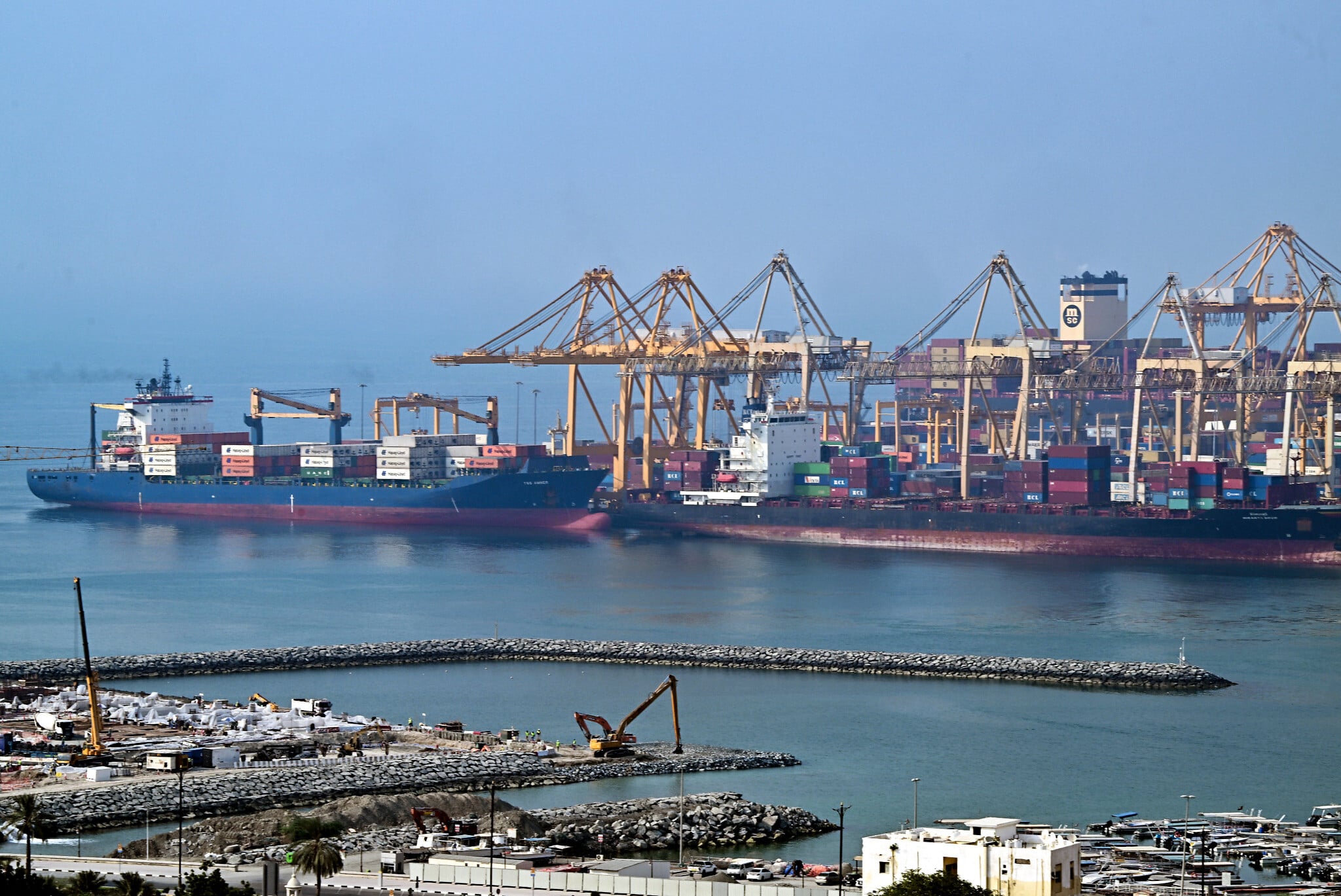
Ships are docked along a pier at the Khor Fakkan Container Terminal, the only natural deep-sea port in the region and one of the major container ports in Sharjah Emirate, along the Gulf of Oman on July 14, 2026. (AFP)

The UAE also sent a phone alert later Tuesday to residents stating that the situation was safe and people should resume normal activities after the earlier warning.

Iran’s foreign ministry rejected the statement by the UAE that its missiles targeted maritime traffic, describing it as “baseless.”

The missile launch that the UAE blamed on Iran came as a 60-day window for US-Iranian peace talks expired without a breakthrough, raising fears of a new escalation in the conflict that has disrupted shipping through the Strait of Hormuz since February and rattled global markets.

UAE official Afra Al Hameli, director of the Strategic Communications Department at the Ministry of Foreign Affairs, said the UAE was committed to dialogue and cooperation to advance peace, stability, and prosperity in the region.

Al Hameli said that in light of regional escalations that undermine regional and international peace and security, all trade, commercial exchanges, and financial transactions with Iran have been halted.

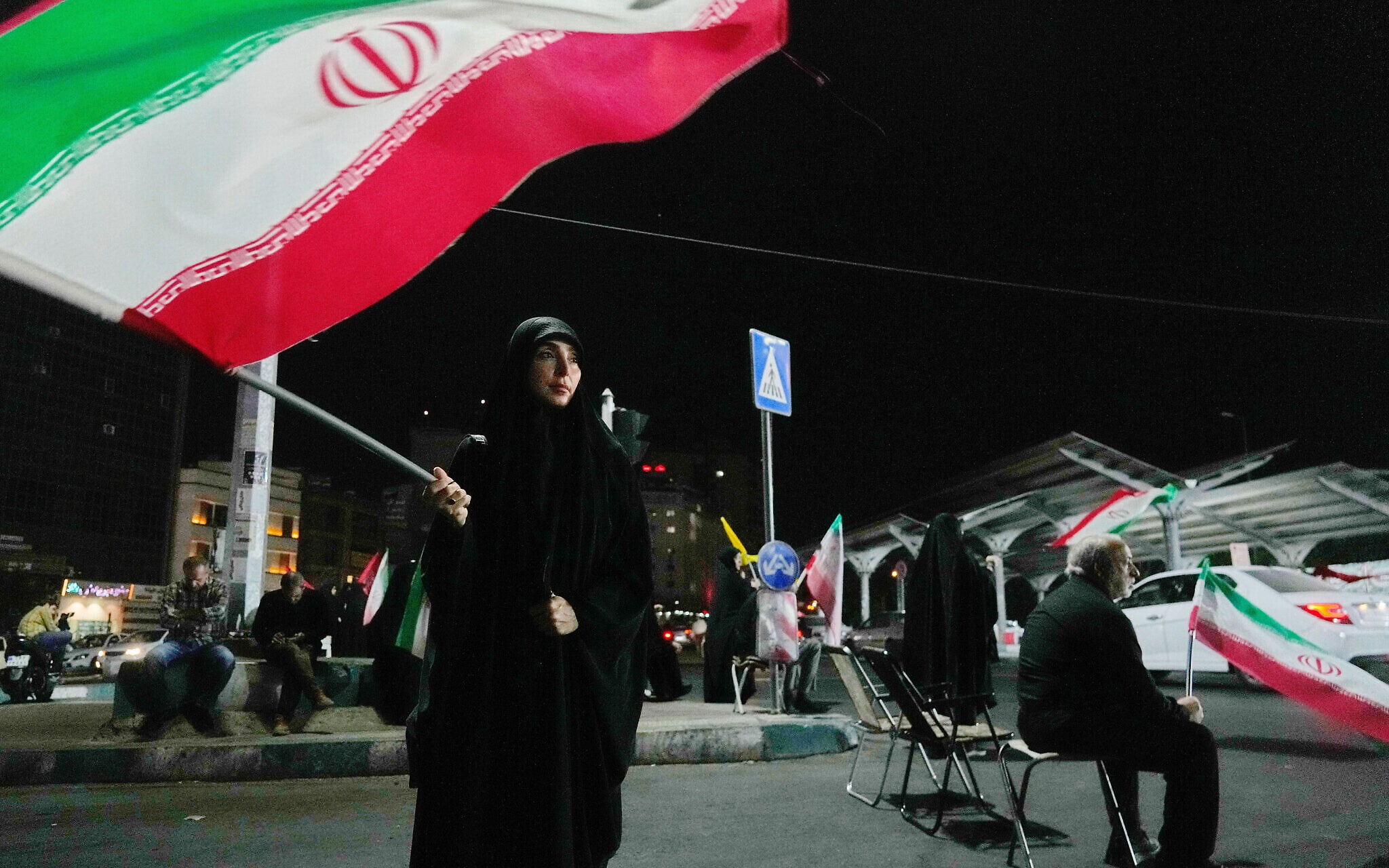
A woman waves an Iranian flag during a pro-government gathering at a square in Tehran, Iran, August 11, 2026. (AP Photo/Vahid Salemi)

The UAE was drawn into the wider war in the region which began in February with US-Israeli strikes on Iran. Tehran’s attacks on UAE soil stopped in May, while they persisted in neighboring Kuwait and Bahrain. Attacks at sea on its vessels did not stop.

In August, Abu Dhabi National Oil Company (ADNOC), one of the world’s largest energy producers, said it was being significantly impacted by what it described as unprovoked attacks on its people and assets, as it sought to continue meeting customer requirements in an “exceptionally challenging environment.”

ADNOC said in a statement that several of its vessels had been attacked by missiles and drones while transiting the Strait of Hormuz since the start of the conflict.

Iran has not claimed responsibility for the attacks on ADNOC vessels. Iran’s Islamic Revolutionary Guard Corps have previously ​threatened action against vessels transiting the strait if they are linked to Tehran’s adversaries ​or fail to comply with Iranian directives.