Nuclear-armed countries hiked spending on atomic weapons arsenals by a third in the past five years as they modernized their stockpiles amid growing geopolitical tensions, two reports showed on Monday.
The world’s nine nuclear-armed states jointly spent $91 billion on their arsenals last year, according to a new report from the International Campaign to Abolish Nuclear Weapons (ICAN).
That report, and a separate one from the Stockholm International Peace Research Institute (SIPRI), indicated that nuclear weapons states are dramatically scaling up spending as they modernize and even deploy new nuclear-armed weapons.
“I think it is fair to say there is a nuclear arms race under way,” ICAN chief Melissa Parke told AFP.
Wilfred Wan, head of SIPRI’s weapons of mass destruction program, meanwhile warned in a statement that “we have not seen nuclear weapons playing such a prominent role in international relations since the Cold War.”
SIPRI’s report showed that the total estimated number of nuclear warheads in the world actually declined somewhat to 12,121 at the start of this year, from 12,512 a year earlier.

This photo taken from video provided by the Russian Defense Ministry Press Service on Saturday, Feb. 19, 2022, shows a Russian Iskander-K missile launched during a military exercise at a training ground in Russia. (Russian Defense Ministry Press Service via AP, File)
But while some of that included older warheads scheduled to be dismantled, it said 9,585 were in stockpiles for potential use— nine more than a year earlier.
And 2,100 were kept in a state of “high operational alert” on ballistic missiles.
Nearly all of those were held by the United States and Russia, but China was for the first time believed to also have some warheads on high operational alert, SIPRI said.
“While the global total of nuclear warheads continues to fall as Cold War-era weapons are gradually dismantled, regrettably we continue to see year-on-year increases in the number of operational nuclear warheads,” SIPRI director Dan Smith said.
On Sunday, the North Atlantic Treaty Organization announced that it too was in talks to deploy more nuclear weapons, taking them out of storage and placing them on standby. Jens Stoltenberg, the head of the alliance, cited a growing threat from Russia and China.
“I won’t go into operational details about how many nuclear warheads should be operational and which should be stored, but we need to consult on these issues. That’s exactly what we’re doing,” he told the Telegraph.
“Transparency helps to communicate the direct message that we, of course, are a nuclear alliance,” he said.
“NATO’s aim is, of course, a world without nuclear weapons, but as long as nuclear weapons exist, we will remain a nuclear alliance, because a world where Russia, China and North Korea have nuclear weapons, and NATO does not, is a more dangerous world.”
Stoltenberg said last week that nuclear weapons were NATO’s “ultimate security guarantee” and a means to preserve peace.
Nuclear weapons spending jump
The spending surge reported by ICAN reflected the overall trend.
The report showed that in 2023 alone, nuclear weapons spending worldwide jumped by $10.8 billion from a year earlier, with the United States accounting for 80 percent of that increase.
The US share of total spending, $51.5 billion, “is more than all the other nuclear-armed countries put together,” said ICAN.
The next biggest spender was China, at $11.8 billion, followed by Russia, spending $8.3 billion.
Britain’s spending, meanwhile, rose significantly for the second year in a row, swelling 17 percent to $8.1 billion.
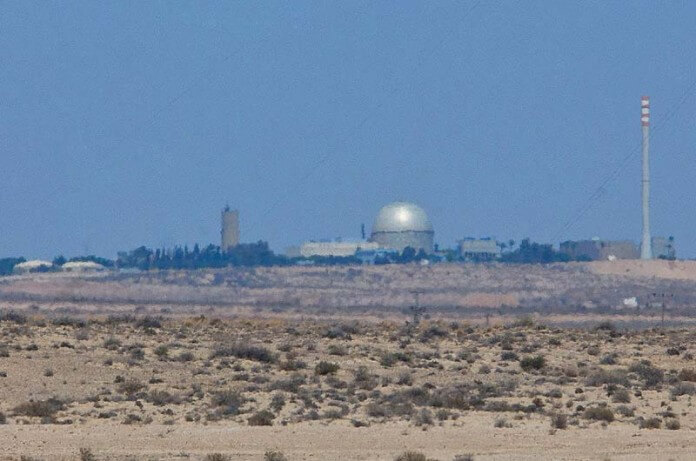
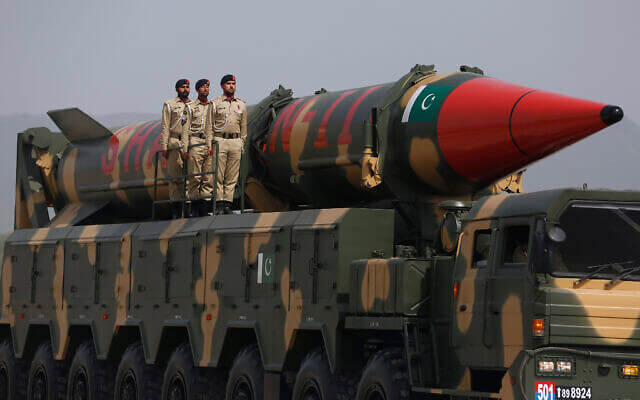
Spending for 2023 by the nuclear-armed states— which also include France, India, Israel, Pakistan and North Korea— jumped more than 33 percent from the $68.2 billion spent in 2018, when ICAN first began collecting this data, it said.
Since then, the nuclear armed states have spent an estimated total of $387 billion on the deadly weapons, the report showed.
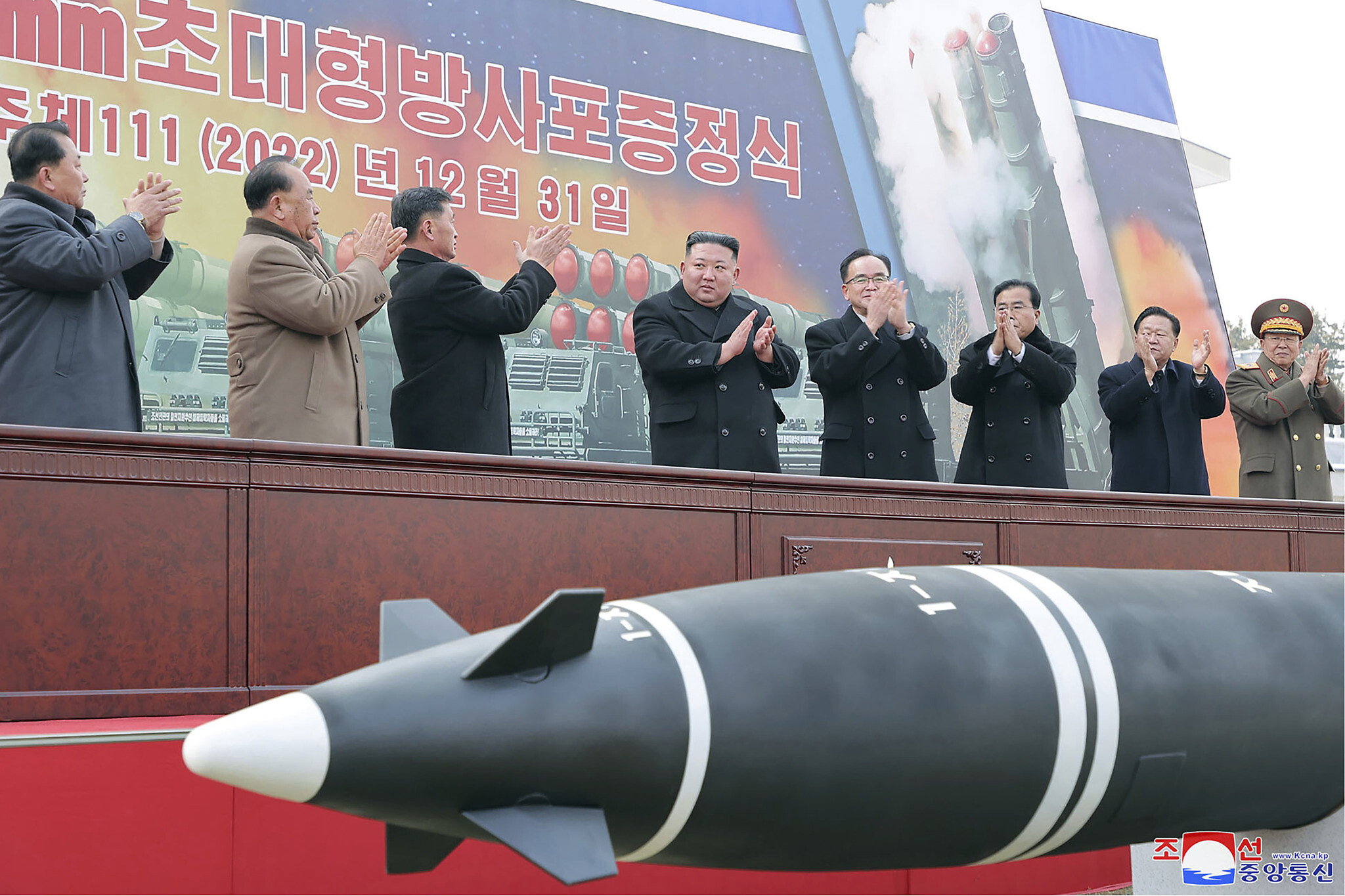
In this photo provided by the North Korean government, North Korean leader Kim Jong Un, center, attends a ceremony of donating 600mm super-large multiple launch rocket system at a garden of the Workers’ Party of Korea headquarters in Pyongyang, North Korea, December 31, 2022. (Korean Central News Agency/Korea News Service via AP)
‘Investing in Armageddon’
Parke slammed “the billions of dollars being squandered on nuclear weapons” as “a profound and unacceptable misallocation of public funds.”
She highlighted that that money was more than what the World Food Programme estimates is needed to end world hunger.
“And you could plant a million trees for every minute of nuclear weapons spending,” she said.
“These numbers are obscene, and it is money that the state says is going towards weapons that… will never be used,” she said, pointing to the nuclear deterrence doctrine.
The investments are not only wasteful but also extremely dangerous, she warned.
“What happens when deterrence fails?”
Geneva-based ICAN won the 2017 Nobel Peace Prize for its key role in drafting the Treaty on the Prohibition of Nuclear Weapons, which took effect in 2021.
Seventy countries have ratified it to date and more have signed it, although none of the nuclear weapons states have come on board.
“Instead of investing in Armageddon, the nine nuclear-armed states should follow the example of almost half the world’s countries and join the treaty… and make a real contribution to global security,” said Alicia Sanders-Zakre, a co-author of Monday’s ICAN report.
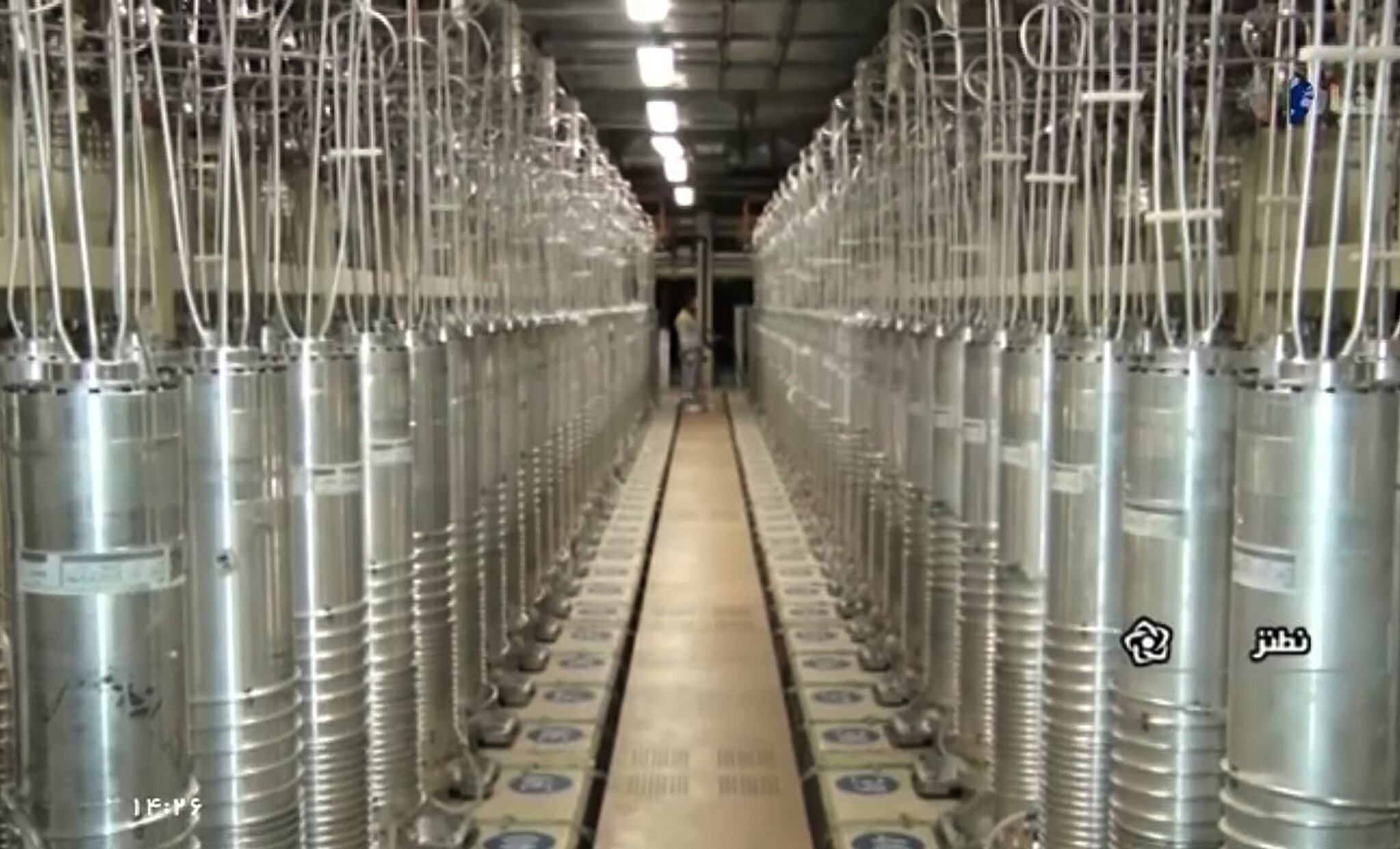
Illustrative: Centrifuges line a hall at the Uranium Enrichment Facility in Natanz, Iran, in a still image from a video aired by the Islamic Republic Iran Broadcasting company on April 17, 2021, six days after the hall had been damaged in a mysterious attack. (IRIB via AP, File)
Iran increasing enrichment
The reports also came just days after the United Nations nuclear watchdog said that Iran has ratcheted up its enrichment of uranium, fueling concern that the Islamic Republic is on the verge of nuclear weapons capability.
The warning drew condemnation of Iran from western nations, with France, Germany, and the United Kingdom issuing a joint statement declaring that “Iran has taken further steps in hollowing out the JCPOA,” referring to the 2015 nuclear deal between Iran and a coalition of western countries.
Then-president Donald Trump pulled the United States from that deal in 2018.
“Iran is legally obliged under the Non-Proliferation Treaty to fully implement its safeguards agreement, which is separate to the JCPOA,” the statement added.
For years, Iran has curtailed inspectors’ access to sites while also not fully answering questions about other sites where nuclear material has been found in the past.
Western nations fear what the Islamic Republic, which regularly threatens Israel with destruction, could so do with nuclear weapons, and note that a nuclear deterrent would serve to shield Iran’s network of proxy terror groups from accountability.
Observers also warn that Iran’s going nuclear could spark a regional arms race, as Saudi Arabia seems poised to begin a civilian nuclear program with assistance from the United States.
Any such program would be subject to safeguards to prevent the development of nuclear arms. The Saudi crown prince has long said, however, that if Iran developed a nuclear weapon, Saudi Arabia would follow suit.