Firm deadlines must be reestablished. Pressure via blockade must remain constant until the enriched uranium is rendered unusable and the ballistic missiles neutralized. Opinion.
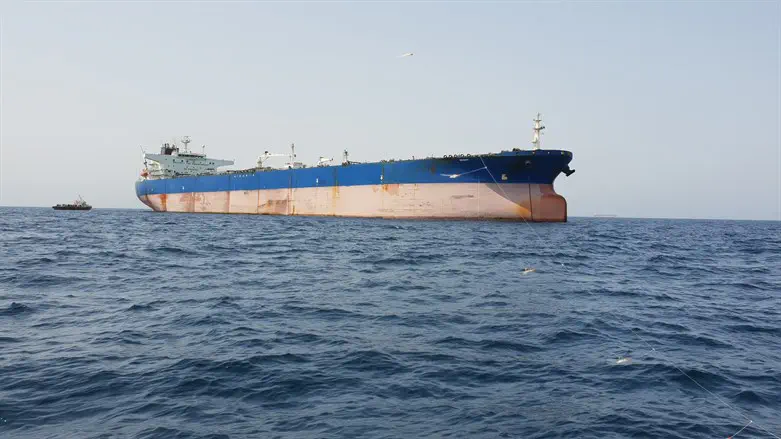
Oil tanker in Strait of HormuziStock
Indefinite delays are not a side issue in dealing with the Islamic Republic of Iran. They are the strategy. For decades, this terrorist regime has perfected the art of stalling, deflecting, and prolonging negotiations in order to advance its most dangerous objectives out of view and without consequence. That reality must guide every U.S. decision at this critical moment.
For 47 years, Iran’s ruling regime has directly financed attacks that have killed Americans – including an Iranian suicide bombing at the U.S. Embassy of Beirut that killed 63, a truck bombing that killed 241 Marines in Lebanon, the bombing of two U.S. embassies in Africa, the planning and facilitation of the 9/11 massacre of 3,000 Americans, according to the findings in the Havlish v. Bin Laden lawsuit and the U.S. 9/11 Report, and many more Iranian attacks on the public – and openly celebrated violence against the United States, its allies, and its interests.
This is not a normal adversary seeking compromise. It is an Islamic regime committed to hostility and violence, using diplomacy as another instrument of conflict rather than a path to peace.
President Donald Trump has shown strength and clarity in confronting this regime. His administration’s actions, together with the resolve of the U.S. military, have imposed real costs on Tehran’s ambitions. That pressure has mattered. It has constrained Iran’s capabilities and demonstrated that American power, when applied decisively, can disrupt even deeply entrenched threats.
It is precisely because of that success that the current open-ended extension of the ceasefire raises serious concern. By allowing the ceasefire to continue until Iran produces a “unified proposal,” the U.S. risks stepping into a familiar trap.
Delay has long been central to Iran’s negotiating playbook. It has been used across administrations, across diplomatic frameworks, and across internal political shifts within the regime. Whether hardliners or so-called moderates are ascendant, the outcome remains the same. Time is used as a weapon. While talks drag on, Iran continues to advance its nuclear weapons program, expand its ballistic missile capabilities, and support terror proxies across the globe.
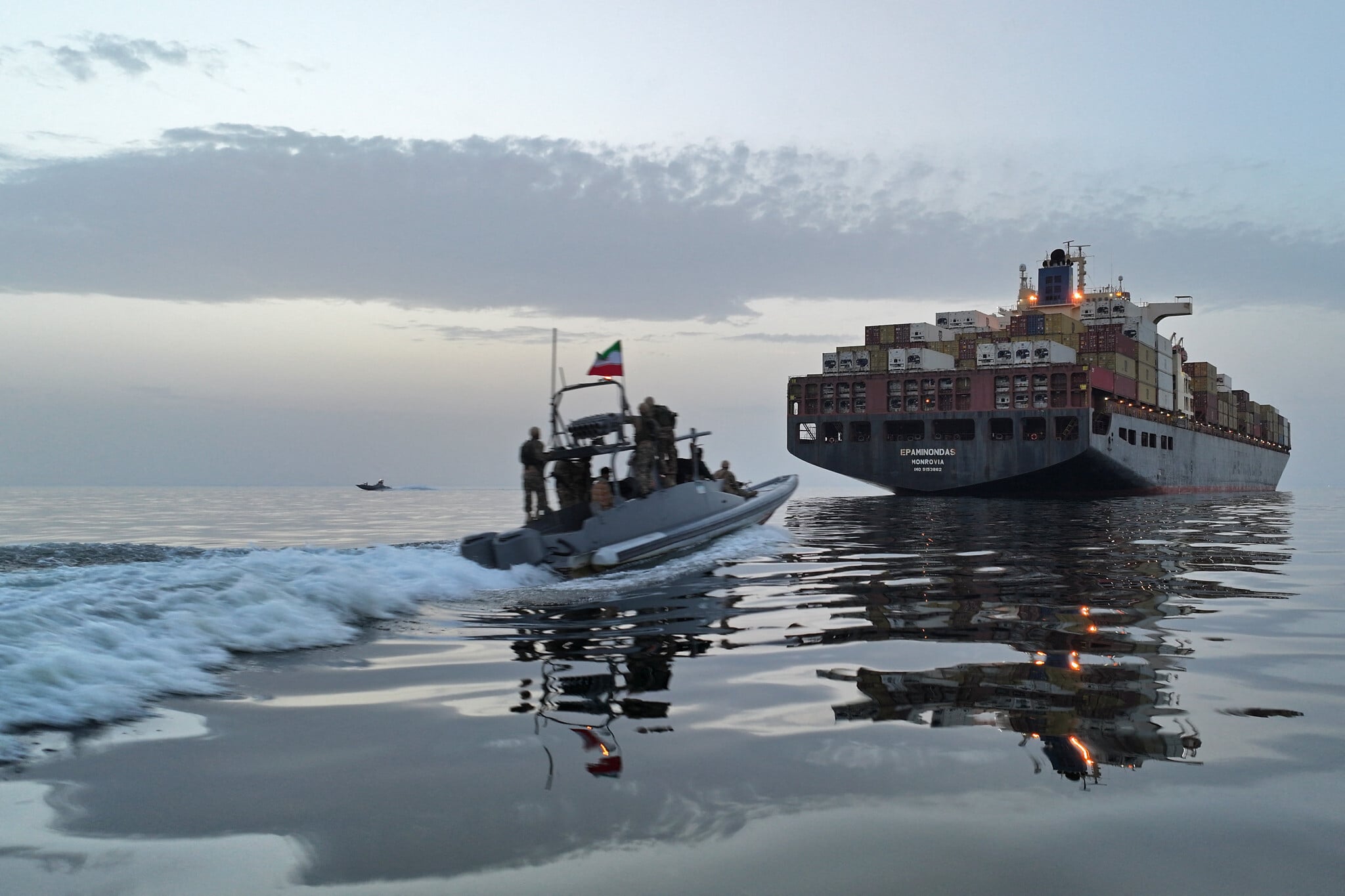
Even now, the regime’s behavior underscores this danger. Following the extension, Iranian forces have blockaded the Strait of Hormuz after mining international shipping lanes and actively attacking ships traversing the waterway. These are not the actions of a government seeking de-escalation. They are the actions of a regime using a ceasefire to buy time while maintaining pressure through other means.
We have seen this pattern repeatedly. Each round of negotiations is accompanied by promises, partial concessions, or procedural disputes that justify further delay. Meanwhile, the core issues are never resolved. The regime does not abandon its strategic goals. It preserves them, protects them, and quietly advances them.
Even in recent weeks, this dynamic has been evident. Negotiations have once again underscored Iran’s consistent refusal to relinquish its nuclear ambitions, its missile and intercontinental missile development, and funding and arming its terror proxies.
Now, the regime points to internal fractures as a reason for additional time. This is not a new development. Internal divisions have never prevented Iran from pursuing its long-term objectives. They have, however, often been used as a convenient excuse to slow negotiations and reduce external pressure.
The danger of an open-ended ceasefire is not theoretical. It is immediate. Without firm deadlines, there is no incentive for Iran to act with urgency. There is every incentive to delay indefinitely. Each passing week becomes an opportunity for further advancement behind the scenes.
In any event, we should not have high hopes that diplomacy will work with Iran, because for the Islamic regime, this isn’t a traditional war, it’s a religious war and crusade based on its literal interpretation of the Quran which promotes hatred and violence against Jews, Christians and other Kafirs (non-Muslims) with the goal of establishing a caliphate and ruling the world.
The United States Central Command has demonstrated vigilance through enforcement actions, including intercepting vessels and maintaining pressure on Iranian violations. These efforts reflect the kind of resolve that has brought Iran to this point of vulnerability. That leverage must be preserved, not diluted.
A two-week ceasefire was more than sufficient time for Iran to present a serious proposal. Extending that window without a defined limit risks transforming a tactical pause into a strategic setback. The regime will take as much time as it is given, and then ask for more.
The path forward should be clear. Firm deadlines must be reestablished. Pressure must remain constant. And any negotiation must be structured to prevent delay from becoming victory by another name.
Morton A. Klein is the national president of the Zionist Organization of America. This op-ed was originally published by the Washington Examiner