Kushner predicts progress in Hamas weapon handover within 30 days,
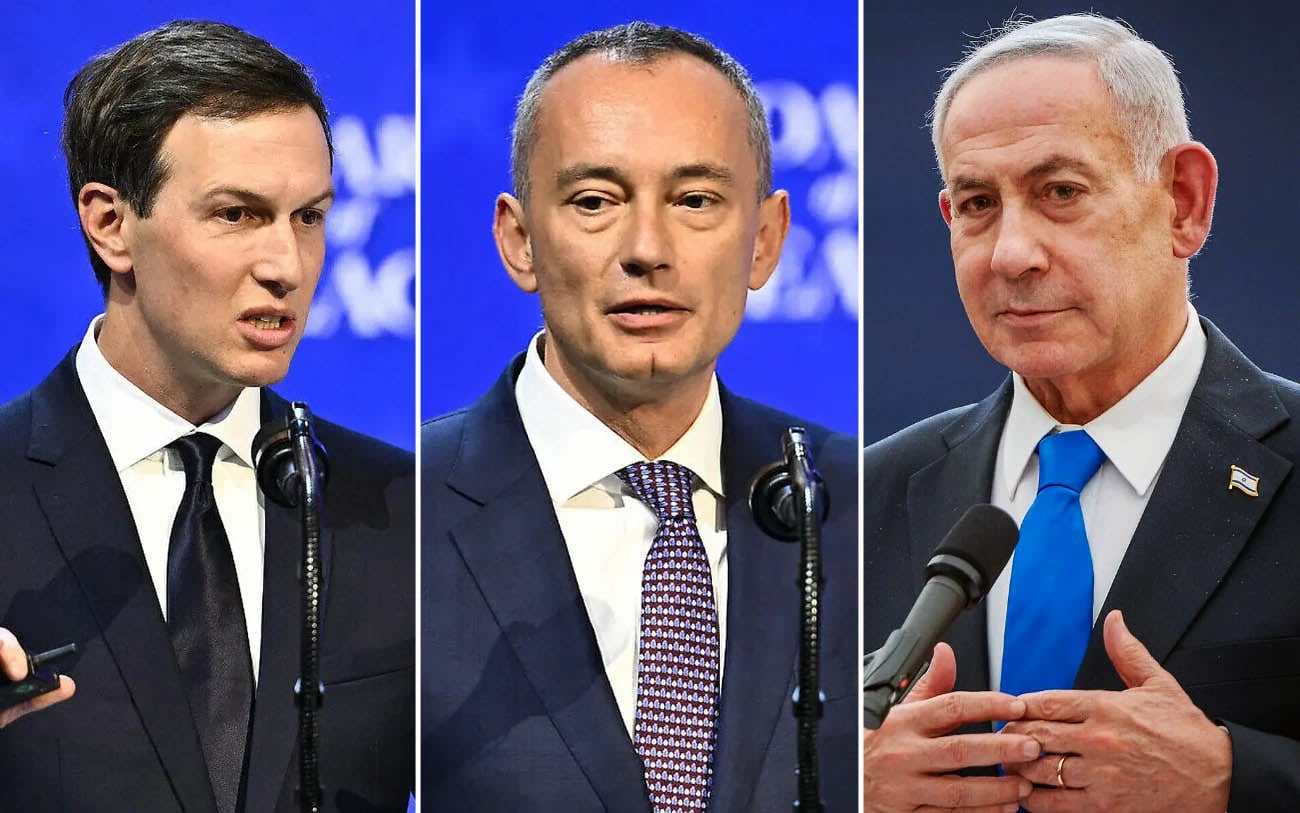
Prime Minister Benjamin Netanyahu insisted during a meeting Monday with envoys from the White House and the US-backed Board of Peace that Israel would not redeploy any of its forces in Gaza or allow reconstruction to begin until the Strip was completely disarmed, a senior Israeli official told The Times of Israel.
“The agreement was that there would be no redeployment or reconstruction until Hamas is disarmed throughout Gaza,” the official said of the premier’s four-hour meeting with Trump aide Jared Kushner and Board of Peace officials Nickolay Mladenov and Tony Blair.
According to a CNN report, citing an Israeli source familiar with the discussions, Kushner pressed Netanyahu during the lengthy meeting to “not create obstacles” to the implementation of the Board’s 15-point plan for disarming Hamas and moving toward the second and reconstruction-focused phase of Trump’s Gaza peace plan.
Hamas has said it accepted the framework, which envisions the group gradually handing over its weapons, as Israel conducts corresponding withdrawals from Gaza, but Netanyahu has rejected the proposal, insisting that the terror group fully disarm before any Israeli withdrawals from the Strip.
According to the CNN report, Netanyahu told Kushner and Mladenov that progress on the 15-point framework was politically “problematic” ahead of Israel’s October 27 Knesset election, insisting instead that Hamas take steps first.

“The prime minister was very clear that the IDF won’t redeploy and will continue to actively thwart any effort against our forces and against our people,” the official said.
“The first step towards the demilitarization of the Strip would be for Hamas to hand over all of its weapons for decommissioning,” the official said, adding that this would be under US supervision. “It was also agreed to that we’d support any efforts to help with sanitation and any other health and environmental concerns,” the official added.
Progress within a month
Despite the apparent Israeli pushback, Kushner told Fox News in an interview later Monday that progress in getting Hamas to give up its weapons could materialize in about a month.
“We could be seeing progress… in as little as 30 days, hopefully in starting to take some of the weapons out,” Kushner told Fox News while in Israel.
Filling in Gaza’s Hamas tunnels could happen in the next 60 to 90 days, Kushner added.
“Progress could come quite soon, but we do need cooperation from both sides,” he acknowledged.
Kushner said the Israeli side voiced some “valid concerns” during the Jerusalem meeting.
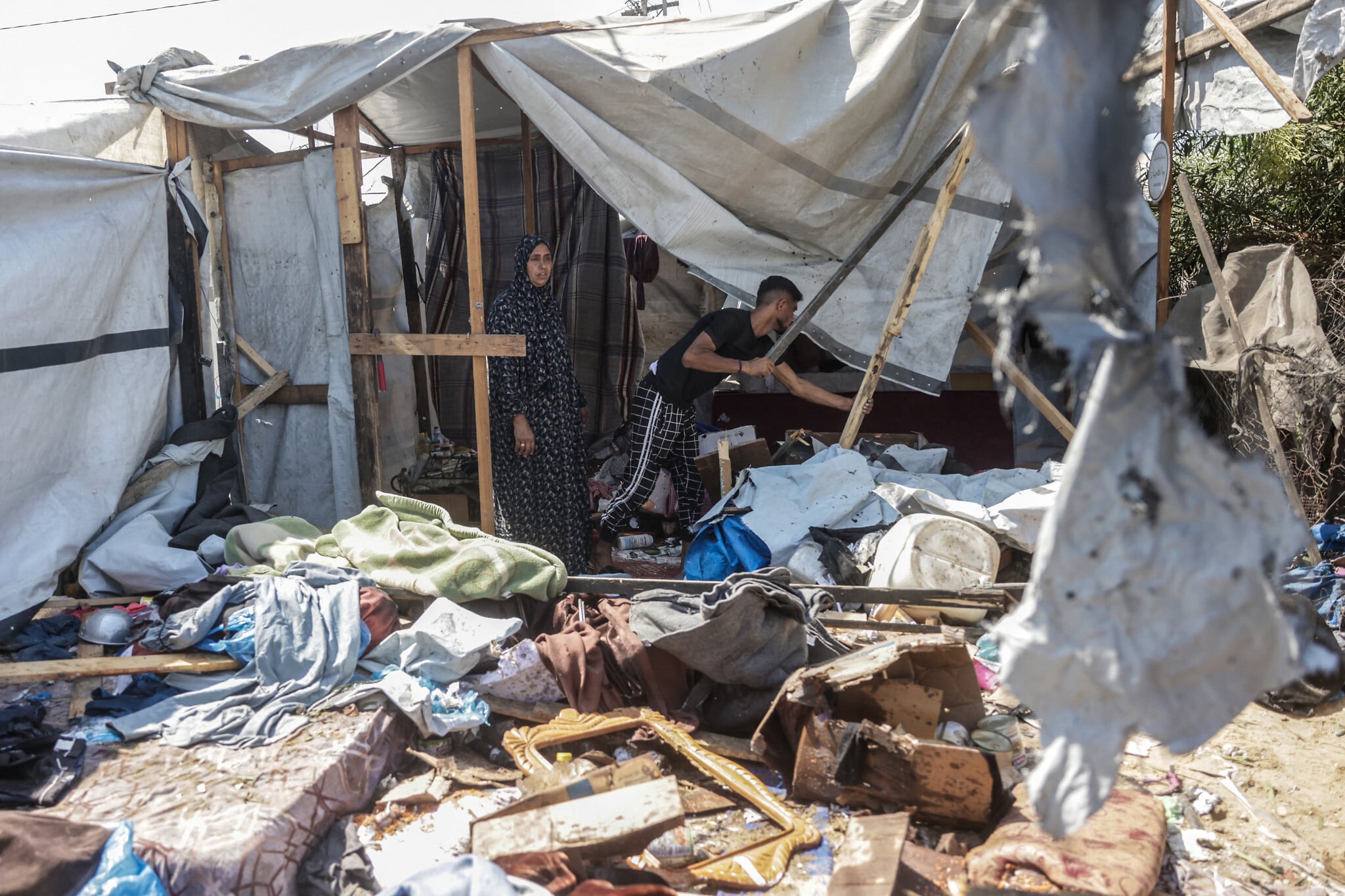
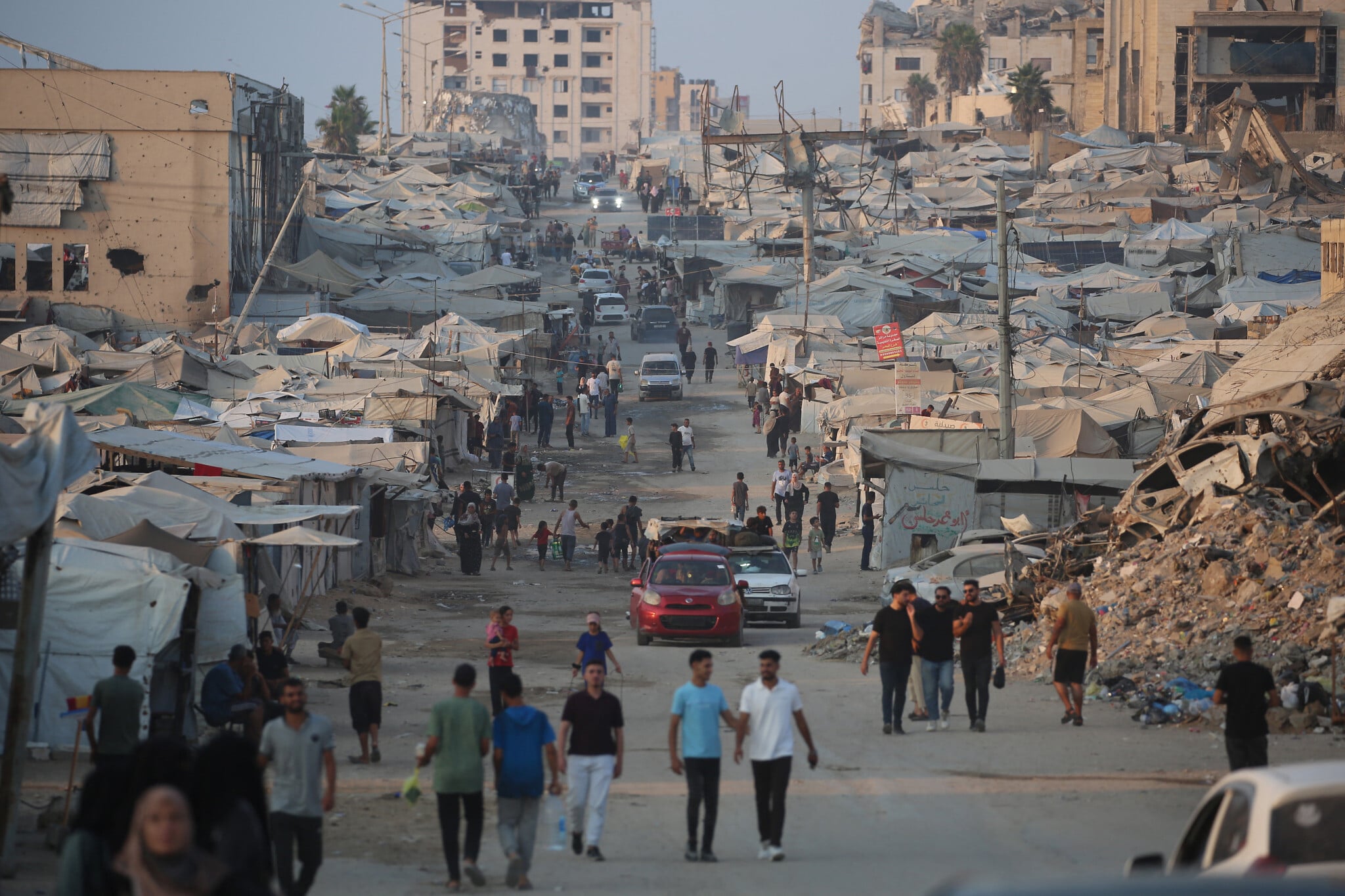
The Trump administration is committed to helping rebuild Gaza — destroyed in the war that followed the Hamas-led October 7, 2023, attack.
“But we will not allow Gaza to be rebuilt until demilitarization occurs. Nobody wants to put more money into a place… if it’s just going to be taken over by terrorists,” he said. “We’re also not going to restrict Israel’s right to defend itself if there are any imminent threats, so we had to clarify what that means.”
“For Israel we think it’s a win-win situation,” Kushner said. Either Hamas will go ahead in disarming “willingly over the next 60 to 90 days” or “Israel will have a lot more support from the US and others to go and finish the job in the appropriate way.”
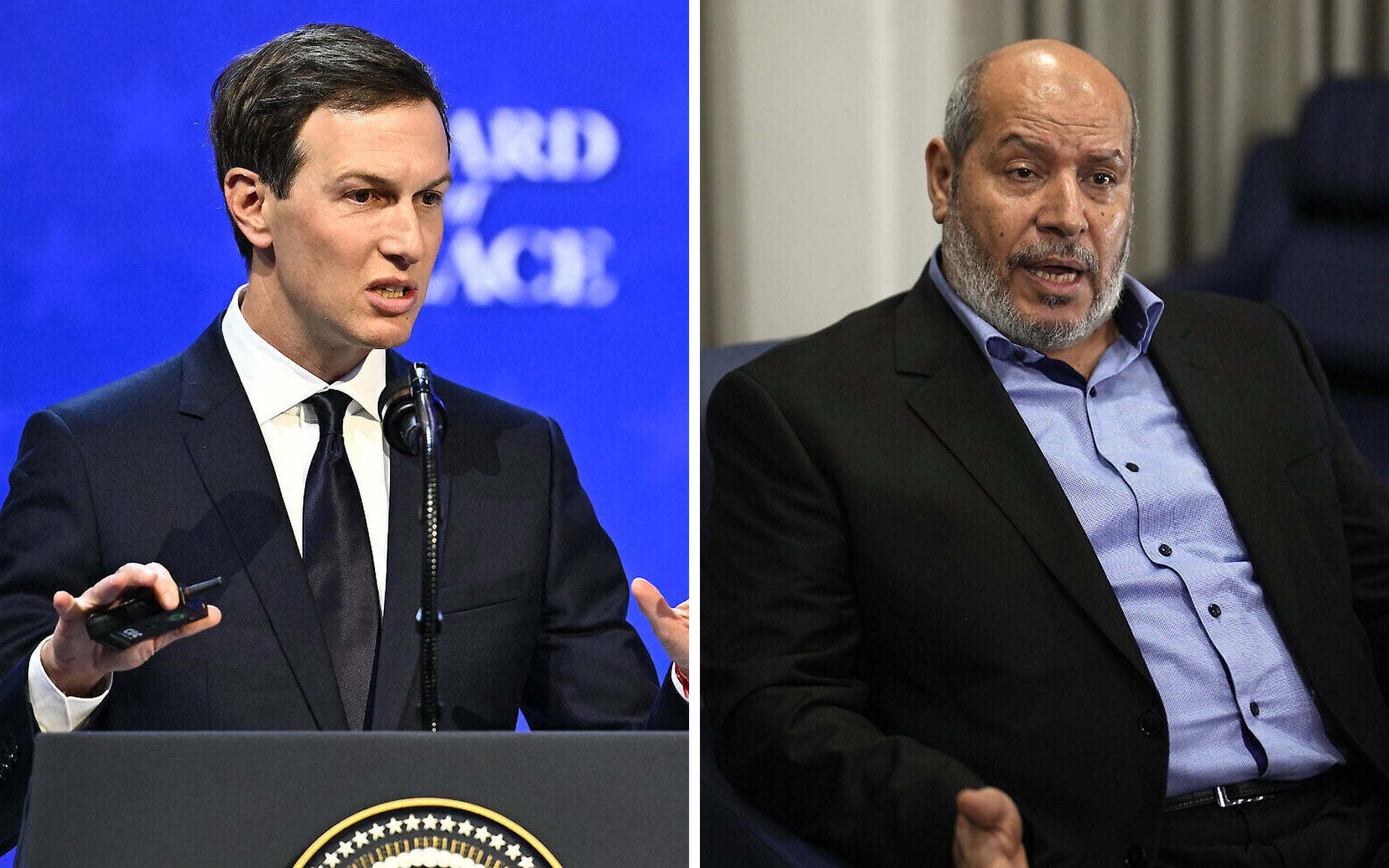
Kushner said he had a “very cordial” meeting with Hamas officials in Egypt on Sunday, but “it’s very hard to trust a terrorist organization.”
“They said all the right things, so we’re going to give them a chance to perform,” he added.
PM, Kushner, agree on deconfliction mechanism for reacting to Hamas threats in Gaza — report
During his meeting with Netanyahu, Channel 12 reported that Kushner made clear that the Board of Peace supports Israel’s right to act against imminent threats from Hamas, but that Israel should not define “imminent threats” too broadly.
To that end, Kushner and Netanyahu agreed to establish a deconfliction mechanism for Gaza, to assess whether Israeli claims of emerging threats are genuine or could be resolved through non-military means, a senior US official told the network.
Israeli military officers have previously said that rules of engagement in the territory are much tighter now than they had been before the disarmament plan was approved by Hamas on July 30.
The US official claimed to Channel 12 that the gaps between the Board of Peace and Israel are not huge, but that Washington wants Jerusalem to take limited steps to give the process room to test whether Hamas actually begins surrendering its weapons.
The official did not specify what those steps would be, but there is a long list of humanitarian-related commitments that Israel made as part of the October 2025 ceasefire deal with Hamas that have not yet been met.
During the meeting, Netanyahu pressed Kushner on why he chose to meet senior Hamas officials in Egypt a day earlier, to which Kushner responded that he wanted to hear their commitment to disarmament directly from them, “face-to-face,” the US official said. Kushner also pointed out that his last in-person meeting with Hamas officials resulted in the October 2025 hostage release deal.
Israel agrees to set up working groups on demilitarization and humanitarian issues
Netanyahu has expressed heavy skepticism about Hamas’s commitment to disarm, and brought to the meeting Shin Bet chief David Zini and IDF head of military intelligence Shlomi Binder to brief Kushner on alleged Hamas violations of Trump’s Gaza plan, Channel 12 reported.
In its own statement, the Prime Minister’s Office called the conversations with Kushner “deep and constructive.”
Netanyahu’s office said the officials agreed to establish two “working groups, one on disarmament and demilitarization of Gaza, which both Israel and the Board of Peace are determined should be prompt and completed before any reconstruction happens in Gaza.”
“A second working group will focus on sanitation, clean water and other public health issues for the people of Gaza and which also impact the people of Israel,” the statement concluded.
The senior Israeli official could not provide further details on the composition or precise role of the groups, or the timeline for their establishment.

In a separate statement, a Board of Peace official claimed the sides agreed “on a path forward. The Israelis are going to give this a chance. Now it’s up to Hamas to show if it truly intends to comply.”
“The Board of Peace informed the prime minister that Hamas has committed to fully disarm and to cease immediately all military activity in Gaza, including rearmament and tunnel digging. The prime minister affirmed that Israel will honor its outstanding past commitments that helped the United States secure the release of all hostages,” the official added.
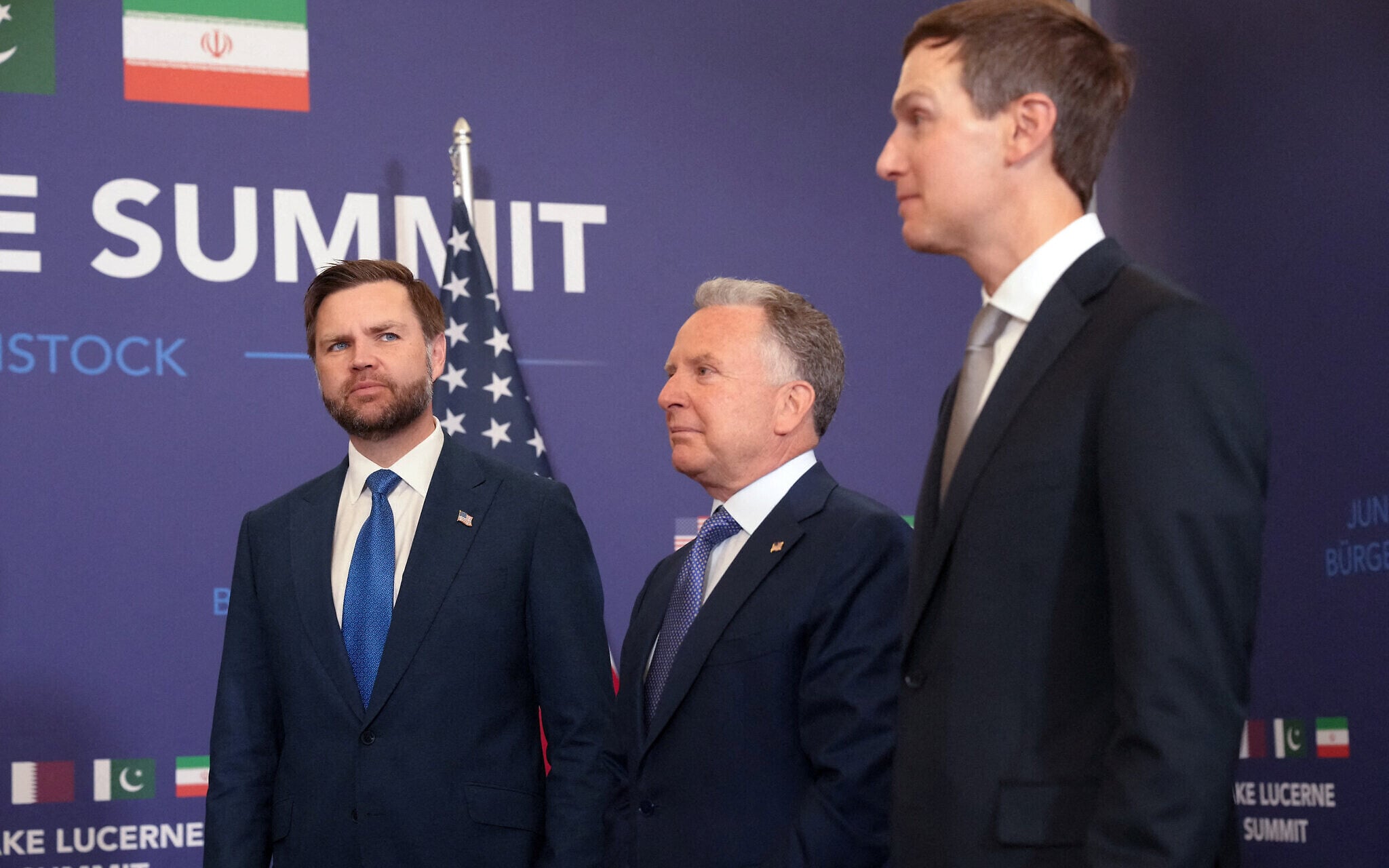
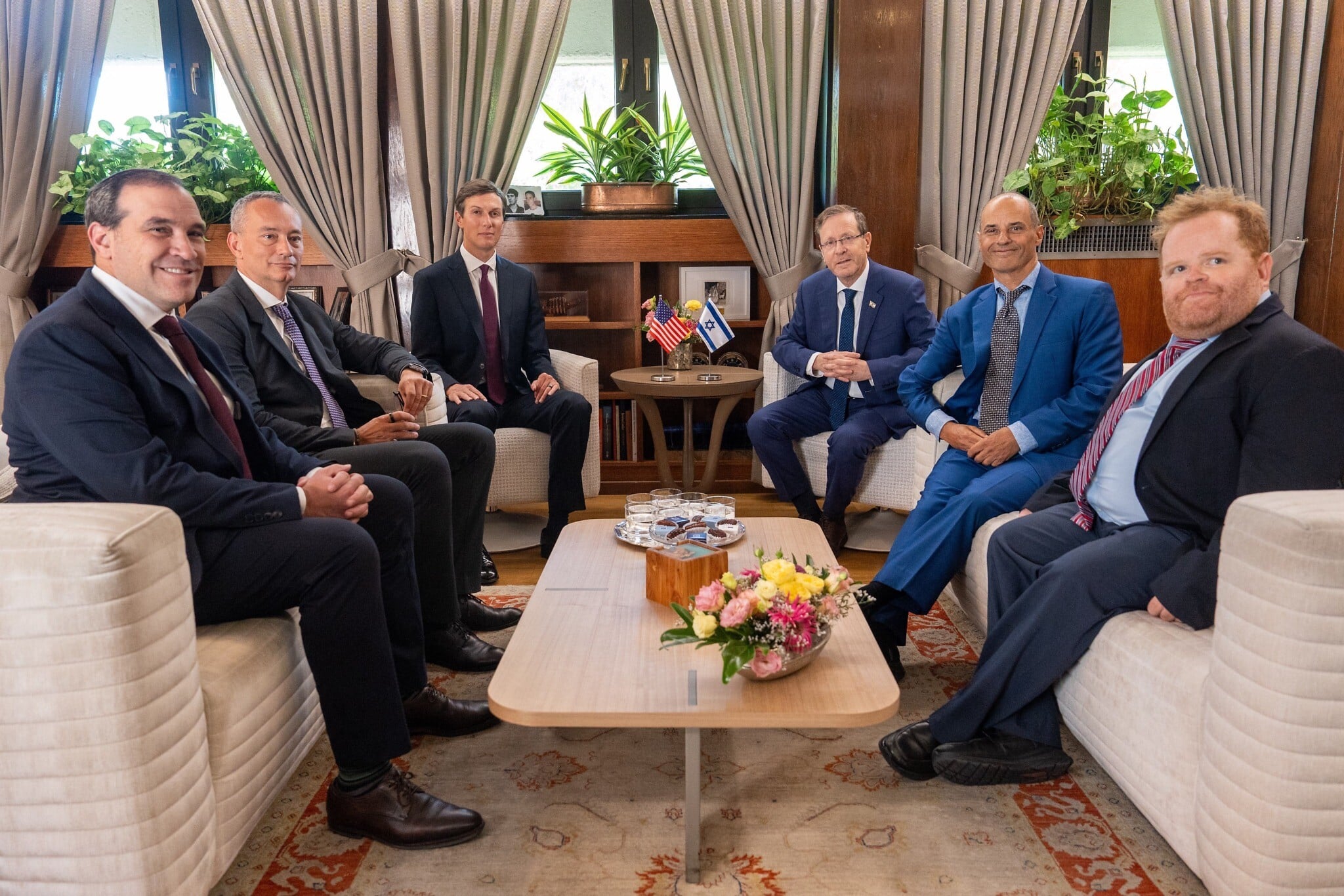
Kushner, Mladenov and Blair also met subsequently with President Isaac Herzog, following their sit-down with Netanyahu.
In a brief readout, Herzog praised the officials’ efforts in “advancing to the next stages in Gaza in accordance with President Trump’s 20-Point Plan,” adding that he “was impressed that Israel’s security interests are an important and central element of their plan.”
“I commended and encouraged their efforts to ensure a brighter and more secure future for the people of Israel, the people of Gaza, and the entire region,” Herzog said.
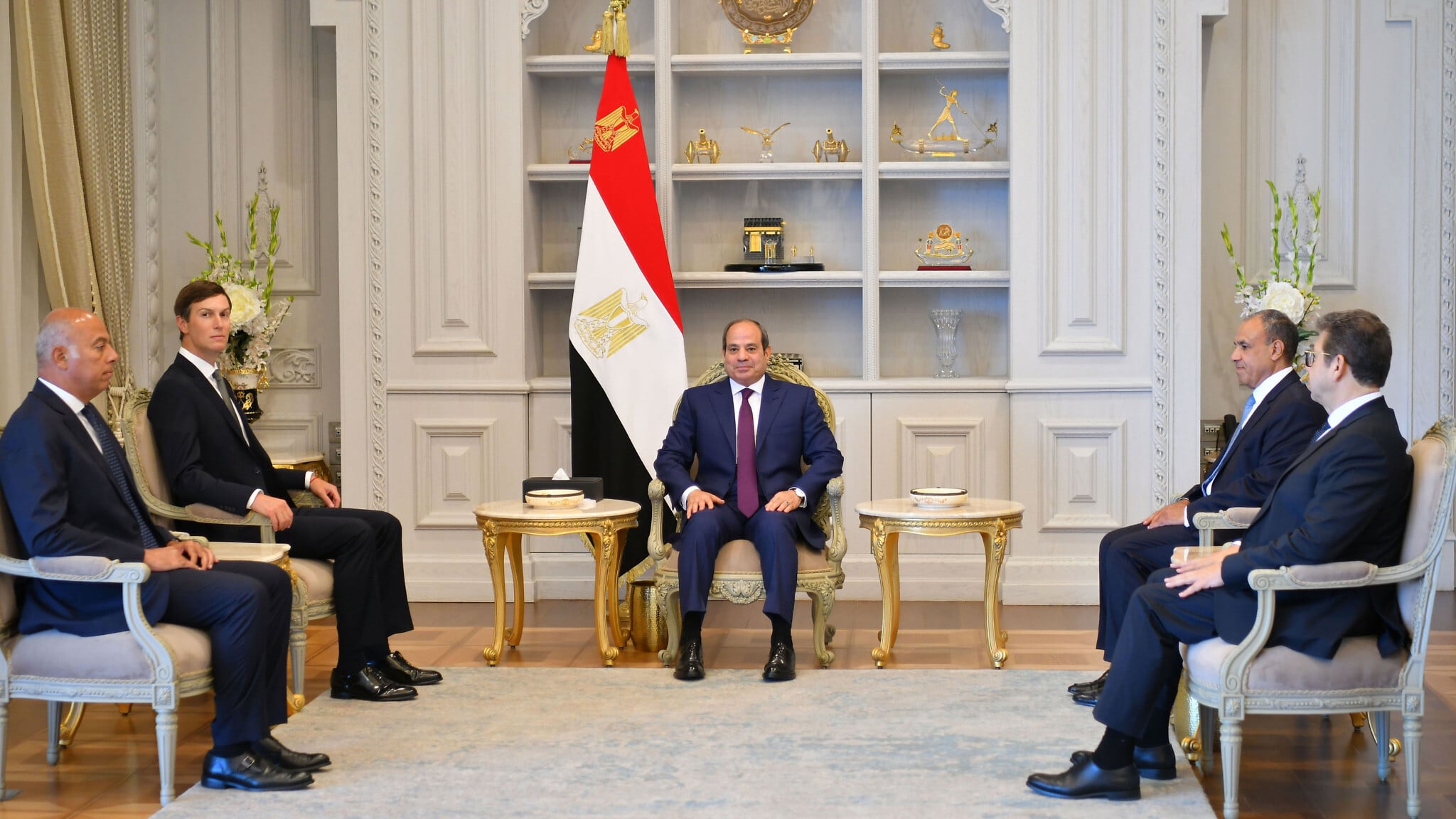
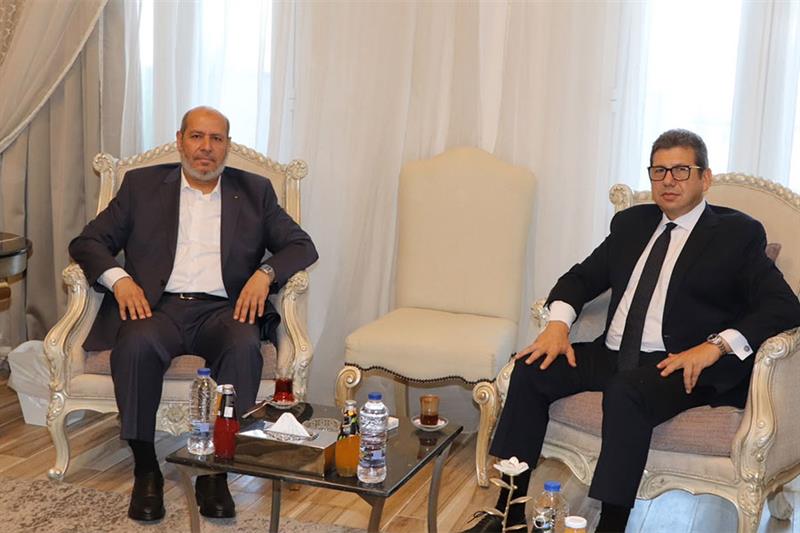
The visit to Israel followed Kushner’s talks with Hamas officials Sunday in Cairo, as the Board works to advance the disarmament plan.
At the talks, Hamas said it would only begin disarming, as required by the US-backed Board of Peace’s Gaza plan, if Netanyahu publicly commits to adhering to the terms of the plan, an Arab diplomat told The Times of Israel.
Hamas said later that it had asked the Board of Peace to “compel” Israel to accept the plan.
The Board of Peace is hoping that coaxing Netanyahu to quietly restore a halt on IDF strikes in Gaza will be sufficient to allow Hamas to begin handing over its weapons.
But the Arab diplomat said the terror group – which remains the de facto government of a large swath of the Strip – is unlikely to do so without a public announcement from Netanyahu expressing support for the plan.
In an interview with Fox News on Monday, Trump was asked about his aides’ diplomatic tour. He indicated progress on Hamas disarming under his plan, and said that Israel should not be striking Gaza right now.
“We have our own relationship with Hamas. They are giving up their guns,” the US president said.
Several regional powers, including Saudi Arabia and the United Arab Emirates, issued a statement Sunday condemning Israel’s rejection of the roadmap, saying, “Israel now bears responsibility for obstructing the efforts to bring peace in Gaza.” Other signers included Jordan, Pakistan, Indonesia, and the ceasefire mediators.
The foreign ministers’ statement called on the Board of Peace and the US to take “immediate and concrete measures” to keep any party from obstructing the plan’s implementation. Israel had no immediate response.
Report: Military brass from Uganda, Burundi in Israel to discuss joining Gaza security force
Meanwhile, the Kan public broadcaster reported that senior military officers from the African nations of Uganda and Burundi visited the US-led Civil-Military Coordination Center in Kiryat Gat on Monday to discuss sending hundreds of soldiers to join the nascent international security force meant to patrol postwar Gaza.
Uganda’s parliament earlier this month approved the deployment of troops to Gaza as part of the International Stabilization Force being set up by Trump’s Board of Peace to help secure postwar Gaza and facilitate the disarmament of Hamas.
However, this marked the first report of the involvement of Burundi in the ISF.
The force, proposed by Trump’s Board of Peace in February, would be led by American Maj. Gen. Jasper Jeffers, who said in May that the envisioned 20,000-strong force would ensure “future prosperity and enduring peace.”