
With Biden seeking to sever the cord between Riyadh, Beijing, Tehran and secure a win ahead of the US election, he may agree to security deal without concessions

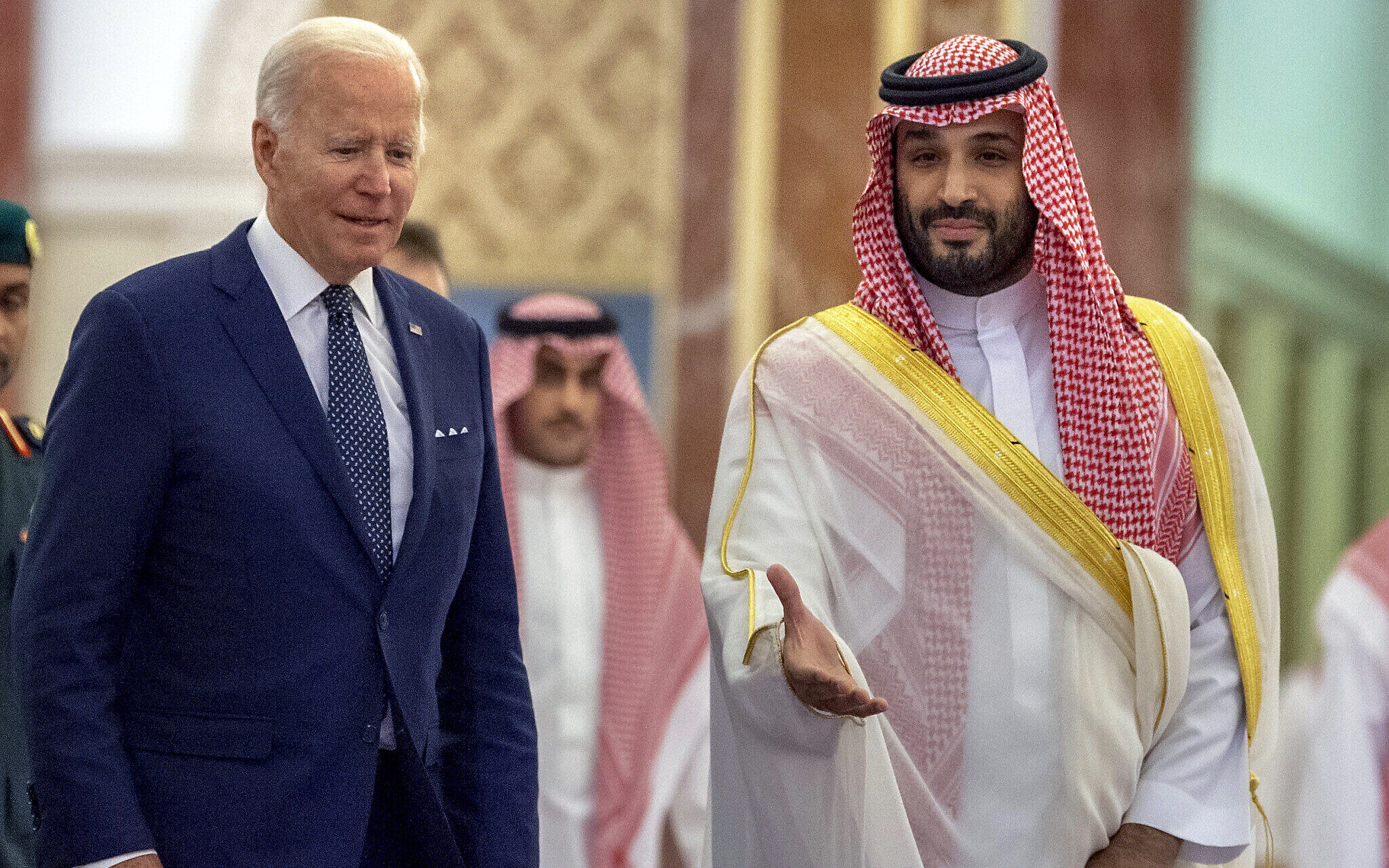
By all indications, the tectonic plates in the Middle East are shifting.
Representatives of the White House — National Security adviser Jake Sullivan and Mideast coordinator Brett McGurk — have been traveling back and forth between Washington and Jeddah in Saudi Arabia on behalf of US President Joe Biden.
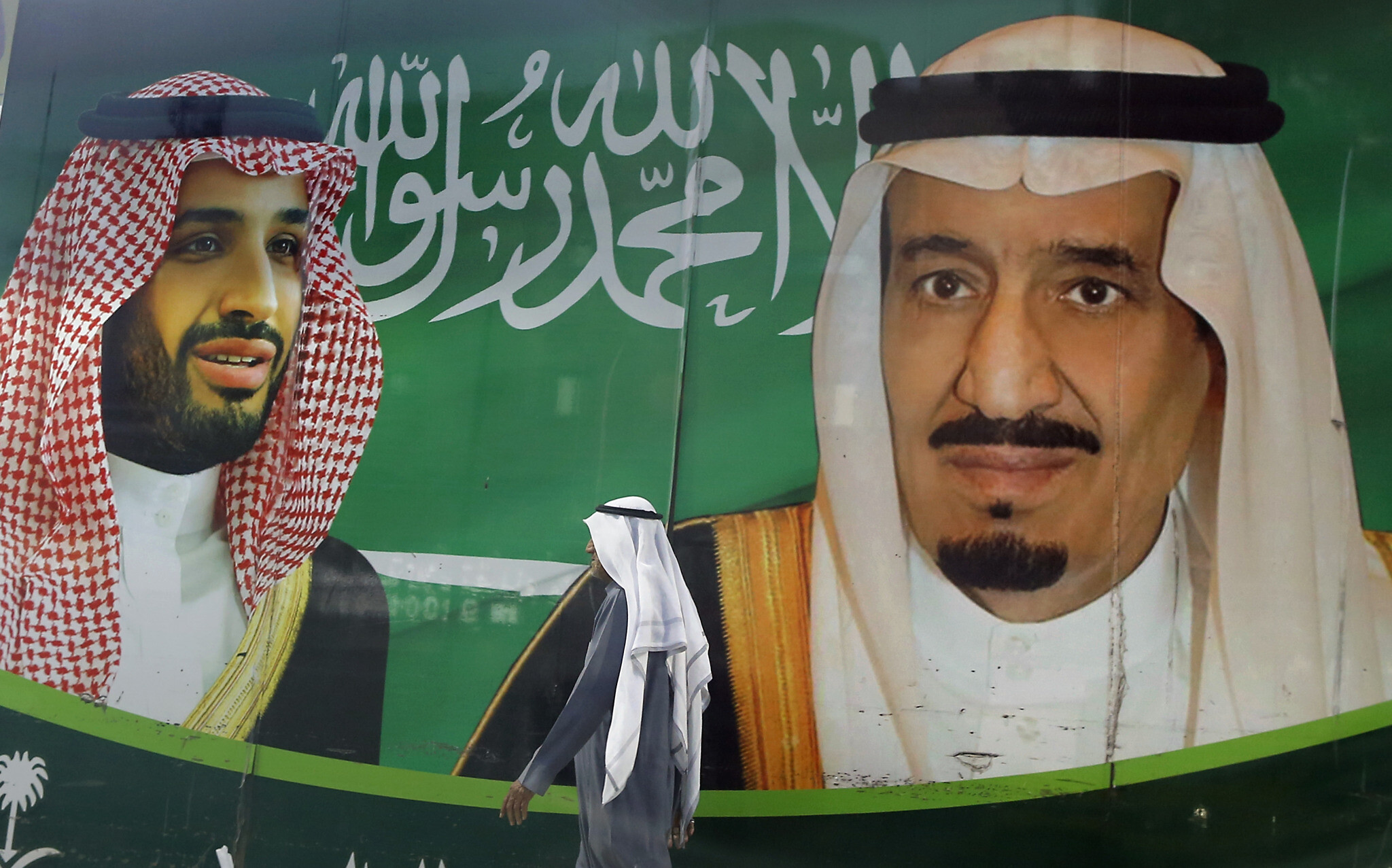
In Saudi Arabia, the reigning Crown Prince Mohammed bin Salman — currently prime minister and de facto leader of the country (his father King Salman reportedly has Alzheimer’s) — hosted Sullivan twice in the kingdom in recent months. Secretary of State Anthony Blinken has also visited.
But the reason is not necessarily Washington’s desire for normalization between Saudi Arabia and Israel, or Riyadh’s hopes to save the dream of a two-state solution.
What the US really wants is a complete severance of the growing ties between Saudi Arabia and China, and between the Saudis and the Iranians.
In one of his recent columns for The New York Times, Thomas Friedman, who is known to have close ties to Biden, explained that steps required from Israel in return for normalized ties with the Saudis might include an official promise never to annex the West Bank (as part of the 2020 normalization deal with the United Emirates, Prime Minister Benjamin Netanyahu agreed to hold off on actualizing his annexation pledge until 2024), and a commitment not to establish any more settlements or expand the boundaries of existing ones, to leave the door open for a potential future Palestinian state.
Friedman wrote: “I’d love to see Israel’s far-right finance minister, Bezalel Smotrich, go on Israeli television and explain to the Israeli people why it is in Israel’s interest to annex the West Bank and its 2.9 million Palestinian inhabitants — forever — rather than normalize ties with Saudi Arabia and the rest of the Muslim world.”
“Netanyahu’s ruling coalition of Jewish supremacists and religious extremists would have to answer this question: You can annex the West Bank, or you can have peace with Saudi Arabia and the whole Muslim world, but you can’t have both, so which will it be?” Friedman wrote.
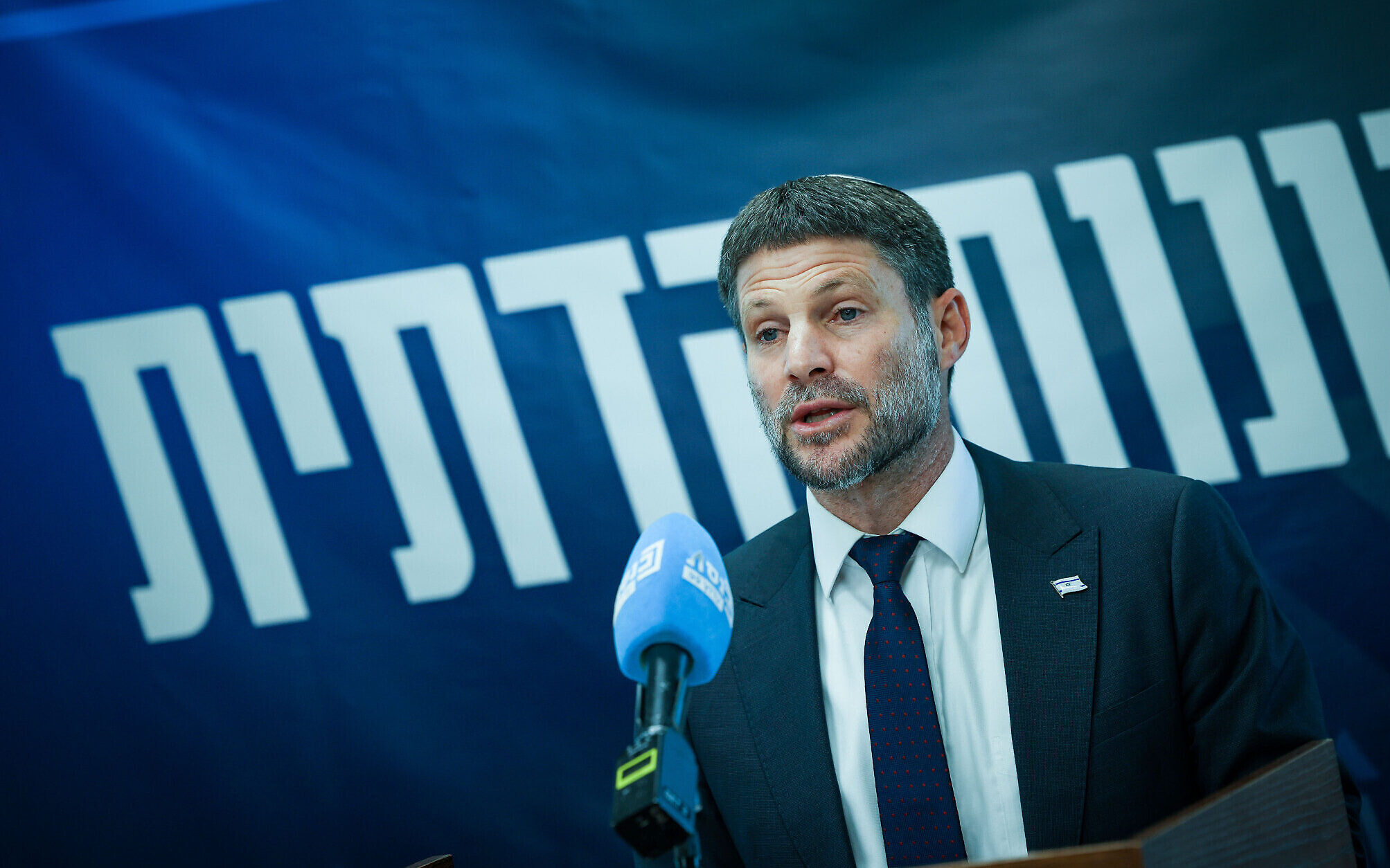
This hardly aligns with the annexationist agenda of the religious far-right component of the Netanyahu coalition, however. For many of the lawmakers in the hardline coalition, the answer to Friedman’s question is obvious — they want the West Bank to be annexed, and they have no intention of giving up on the plan, certainly not in exchange for peace with Saudi Arabia.
But beyond potential intransigence by some in Jerusalem, sources familiar with Israeli security issues in the region say that it is possible that the Saudis are not actually interested in helping the Palestinians, or conditioning a major agreement on Israel making a commitment to the Palestinians.
A normalization document, they suggest, could merely contain a general statement about the continuation of the peace process, using the kind of wording that could be accepted even by those members of the coalition with messianic beliefs who want to build a Third Temple (– a move that would detonate the region).
The Palestinian issue would then remain Israel’s to deal with on its own.
If so, this would mark a significant victory for Netanyahu, who has repeatedly said that the Arab world will not condition normalization wth Israel on progress with the Palestinians, as demonstrated by the Abraham Accords with the UAE, Bahrain and Morocco.
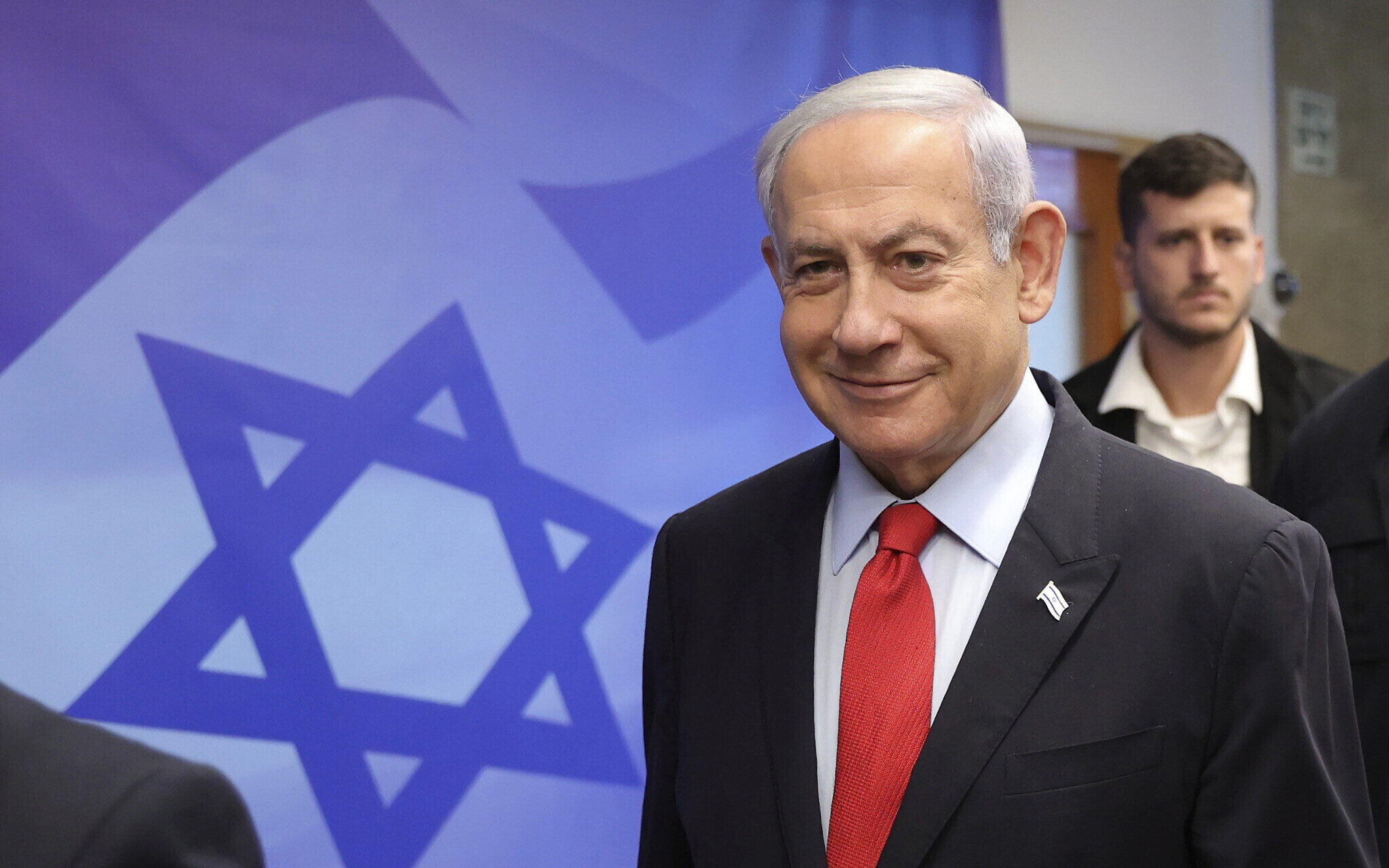
In the apparent spirit of the hour, Netanyahu told his cabinet on Sunday morning that a newly announced fast rail project, to run from Kiryat Shmona in the north to Eilat in the south, “will be able to link Israel to Saudi Arabia and the Arabian Peninsula; we’re working on that too.”
The schedule is tight. Biden wants to notch an achievement before November and the official launch of his 2024 US presidential election campaign.
If an agreement is reached, Biden would grant Netanyahu his long-awaited meeting — either at the White House or in New York — to promote the deal.
Netanyahu’s contentious moves changing the face of Israeli democracy could be shunted, somewhat, to the side.
The Israeli prime minister would once again be elevated to a “different league” on the international stage compared to his political rivals, and would emerge from the event bolstered.
If it were to happen, it would be the equivalent of the Big Bang of Middle Eastern geopolitics. If…
Of course, there are many problems and sensitivities. The death of King Salman may shake the Saudi kingdom. His son is supposed to be the next king, but one can never be sure.
The Palestinian Authority also has an old and sick leader in Mahmoud Abbas. Any change in his situation may shake the region because leadership changes in unstable regimes always lead to the possibility of trouble.
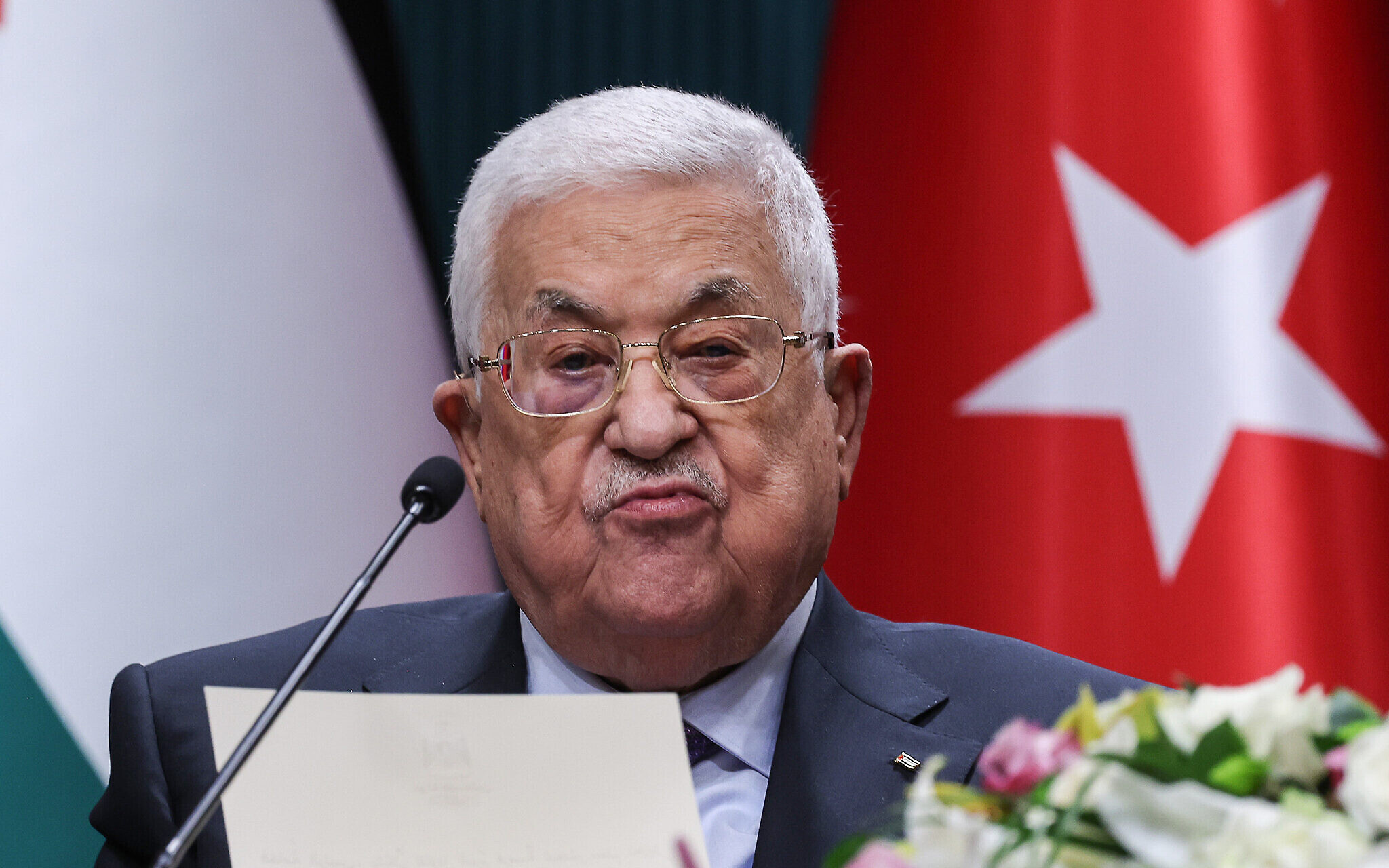
At 80 years old, Biden is a full seven years younger than both Abbas and Salman, but showing signs of his age, and with the presidential election campaign still ahead, 2024 will be intense and difficult.
Netanyahu, who is approaching 74 — a relative youngster compared to the others — has not been in good health lately, having had a pacemaker fitted earlier this month after he suffered a heart arrhythmia, leading his doctors to believe his life was potentially in immediate danger.
Compared to all of them, Netanyahu’s rule seems the most capricious and unstable, buffeted by the huge demonstrations against his government’s overhaul on one side, and the coalition’s most hardline ministers holding him by the throat on the other.
But while the odds are not in favor of normalization with Saudi Arabia, there is still a chance we may be surprised.